
Bill making the Public Service Commission an appointed board is dead for the session
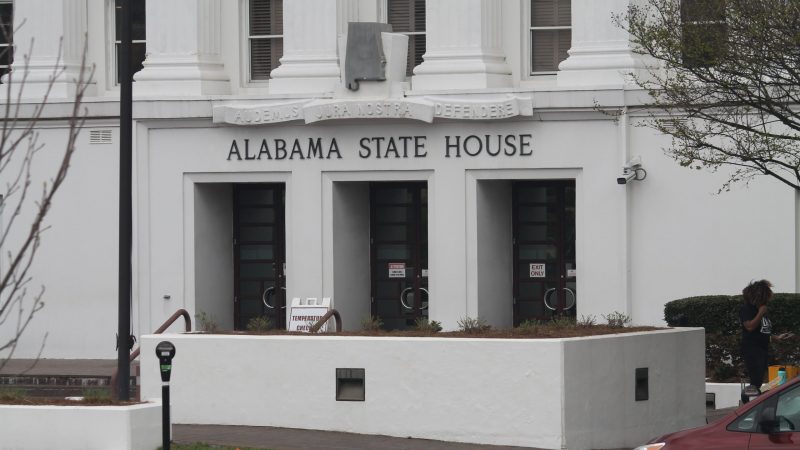
Usually when discussing legislative action, the focus is on what’s moving forward. But plenty of bills in a legislature stall or even die. Leaders in the Alabama legislature say a bill involving the Public Service Commission is dead for the session. We get details on that from Todd Stacy, host of Capitol Journal on Alabama Public Television. He spoke with WBHM’s Andrew Yeager.
This interview was edited for length and clarity.
This bill would change the Public Service Commission, which regulates utilities, from an elected body to one that’s appointed. But the top Republican in the Senate says it’s dead. What happened here?
That’s right. Essentially, Garlan Gudger, he’s the president pro tem of the Alabama Senate, said it was too much, too quickly. This PSC bill came alongside other bills regulating data centers and kind of reining in the proliferation of data centers. But any time that you’re moving from an elected body to an appointed one, a lot of people interpret that as taking away people’s right to vote on those positions. And the argument was, well look, it’s so far down ballot, nobody pays attention to these candidates. There’s money flows from all kinds of different sources and maybe it would get better members of the commission if they were appointed by the governor and went through a process like that.
Maybe that’s the case, but certainly the public feedback on that bill was so great that it was never going to have the votes it needed to go forward. So Gudger, as he did with gambling last year, said, okay, let’s stop talking about this. That bill is not going to pass. But they’re still open to other reforms. I do think the Public Service Commission utility rates as an issue is still going to be that issue going forward. What they’ll do with it remains to be seen.
A House committee this week failed to pass a constitutional amendment that would have required local school boards to vote on allowing voluntary prayer in public schools. It would also require public schools to conduct the Pledge of Allegiance every day. What was the debate around this like?
The pledge is already required. Prayer is not required, but this would be a constitutional amendment. And the biggest pushback was that it would allow the state to withhold 25% of a district’s state funding if they failed to take a vote on conducting the pledge. That really riles up superintendents. It really riled up school board members who are very engaged in the legislature, saying, hey, that’s not fair. What if we don’t agree with this policy? You say you want local control, but you’re going to take away 25% of our funding if we don’t go along with this? The penalization part of it, I think, really was unpopular. There was a split vote, but ultimately it did not have the votes to move forward.
It didn’t have the votes to move forward, but is it dead?
You never say never in the legislative session. In fact, I know that the sponsor of that bill, Reed Ingram of Montgomery, is going to try to go through a different committee, maybe a more favorable committee. Whether he’ll be able to be successful in that I don’t know, but that’s that’s sometimes a tactic they use.
Finally, a House committee considered a bill Wednesday that would make changes to the state’s school report card system, which awards letter grades to schools evaluating their achievement. What kind of changes are we talking about with this bill?
It’s really upgrading them. Raising the bar. The school report card law was passed back in 2012. The first report cards weren’t even made until 2018. The whole plan all along was to raise the bar. It’s kind of built off of Florida’s similar law. You raise the bar so that an A, five years ago, hopefully you raise the standards to where an A is higher. And the sponsor of the bill argues that the schools out there that right now are getting A’s and B’s still have real deficiencies especially in math and reading in the upper grades and so we need to raise that bar so that parents community leaders truly know what’s going on.
Everybody likes that idea in theory, but if you’re the leader of that school and you think this new grading system would lead to your school going down a letter grade, well then, you might not like that. Superintendents from around the state really started pressing on their lawmakers to please not do this. They don’t want the gains that they have made to look bad. You even heard members of the committee say, listen, I’m going to do what my superintendent says on this, which is really interesting because this is the education policy committee. They are the policymakers, but superintendents have a really strong lobby in the legislature and they won out on this one.

Crew of fatal US military crash included Alabama father recently deployed
The six U.S. service members who died in the crash of a U.S. military refueling aircraft included an Alabama father who had just been promoted and deployed. The U.S. government released the identities of the deceased service members Saturday.
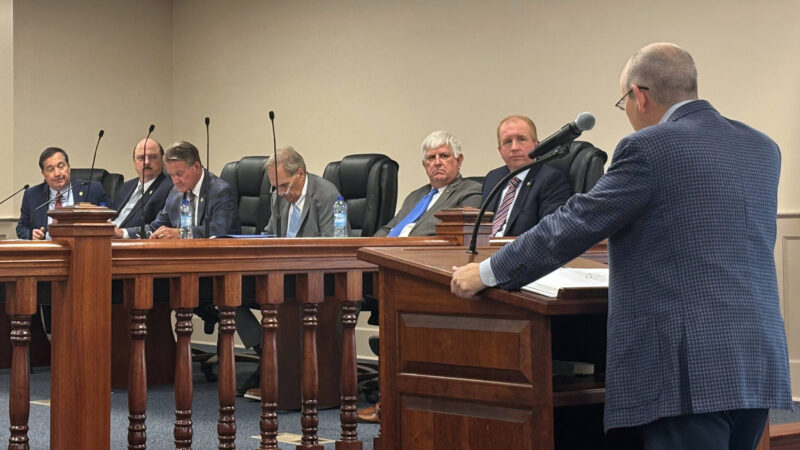
Alabama poised to drastically overhaul utility regulation. Will it lower electric bills?
The Alabama Senate unanimously voted to expand the public service commission, and create a Secretary of Energy to address rising electricity prices. A bill in the House would go even further, requiring rate case hearings and limiting utility profits.

Musher from Alabama is going for back-to-back Iditarod wins
Riches and paid appearances haven’t followed Jessie Holmes since he won the world’s most famous sled dog race, the Iditarod, last year. He doesn't mind.
Bill would move Alabama to closed primaries
Right now, any Alabama voter can participate in a primary election. Lawmakers in Montgomery took up a bill this week that would change that system.
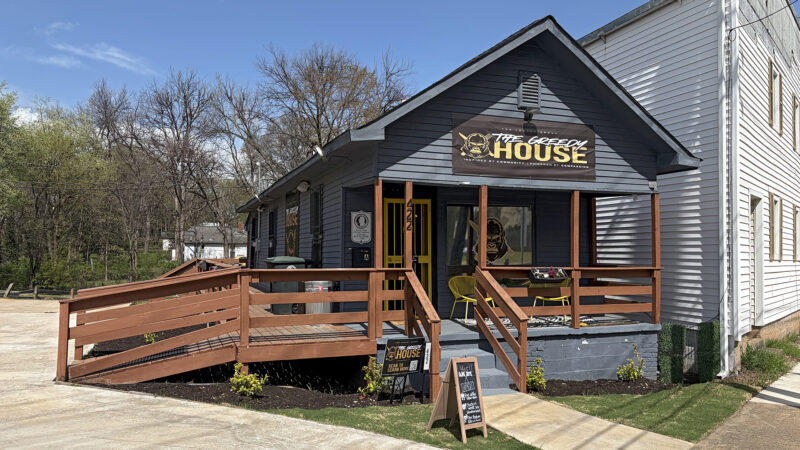
Auburn football player uses NIL funds to open a community hub in Birmingham
Jourdin Crawford, a freshman defensive lineman at Auburn, used earnings from a Name, Image, and Likeness deal to give back to his hometown.
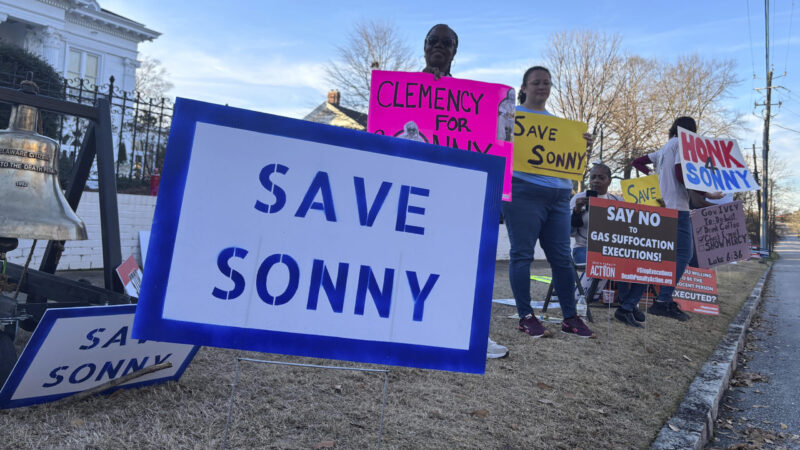
Ivey commutes death sentence of inmate whose accomplice fired fatal shot
Charles “Sonny” Burton was sentenced to death for the killing of Doug Battle during a 1991 robbery. However, another man shot Battle when Burton had left the building.