
School cellphone ban passed in the final days of the legislative session

Smartphones are practically appendages for many nowadays, but one place you probably won’t see them in use soon is in Alabama schools. Alabama lawmakers gave final passage this week to a bill that would ban them during the school day. It’s where we start our weekly legislative roundup with Todd Stacy, host of Capital Journal on Alabama Public Television. He spoke with WBHM’s Andrew Yeager
This interview was edited for length and clarity.
We know plenty of students already have smartphones. So how would this band work?
It would be a bell-to-bell ban, meaning if a student brings a cell phone to school, which I’m assuming most of them do, especially in high school, they would be required to basically lock them up. They have these pouches — you may have seen these at concerts or other events — where you can store a cell phones safely until the end of the school day and they get it back. There was a lot of debate about this, whether parents should be able to contact their students. But in the end, the governor, the legislature, everybody was pretty insistent that it was time to get cell phones out of classrooms, both for instructional purposes and for discipline purposes.
Lawmakers gave final passage to a bill dubbed the Speedy Trial Act. This is intended to help clear a backlog of cases in the court system. What does this do?
So there are some cases, especially violent crime cases, where it’s taken years to get a case to trial and actually get a verdict and justice for victims. And so this bill came from the attorney general, and it allows the attorney general or a district attorney to request that a retired judge or a judge from another district come in and hear cases of violent crime to deal with that backlog, to go ahead and have that speedy trial that we’re supposed to be guaranteed in the Constitution. So it’s a big reform that the attorney general and the lawmakers hope will expedite justice.
Electronic cigarettes have become widespread, notably among teens. Now a bill is on its way to the governor’s desk which would place restrictions on these products. Todd, tell us about this bill.
We know that there’s an epidemic of teen vaping. And there’s been a push for the last really three or four years to somehow crack down on that. And finally, Representative Barbara Drummond from Mobile, she has finally passed her bill to really crack down on teen vapes. It restricts what kind of devices can be sold at convenience stores — only FDA approved devices not the ones you know imported from China or Mexico or just really kind of the more dangerous kind of vaping devices [that] we don’t really know what’s in there and that had been linked to deaths.
It also makes vaping products only available for 21 up and so it’s really intended to crack down on teen vaping. It comes with fees on vaping that will go towards enforcement. The Alabama Alcoholic Control Board will be responsible for regulating this. And so they will use those fees for resources to expand their enforcement efforts. It’s a big deal. This is a thorny issue. It’s taken a long time to get through, but it’s on its way to the governor.
Finally, there’s one meeting day left. That’s next Wednesday. What are some of the big items still on the agenda?
The biggest item still out there is the Back the Blue Act, what the supporters call Back the Blue Act. Opponents call it police immunity bill. It offers police officers limited immunity from actions they take in the line of duty, discharging their firearm, if that action is deemed constitutional and within the law. It sets up a process by which a judge could review that action, body cam and all that, to decide does this have a chance of being unconstitutional, unlawful or is it not. If it is deemed not, it cannot go to trial whether that’s a prosecution or a civil suit. So it kind of puts one step in front of prosecutions, lawsuits for officers.
The thinking behind that is if you have an aggressive district attorney or an aggressive litigant, there’s really no recourse. You can go to trial right away, and this puts one step in there. But obviously, it’s pretty controversial, and Democrats have decried it as a way to protect bad cops and something that could lead to Black Alabamians getting shot. One of the most controversial bills of the session, it’s supposed to be up the final day. But when it does come up, it will be the subject of some intense debate.

Crew of fatal US military crash included Alabama father recently deployed
The six U.S. service members who died in the crash of a U.S. military refueling aircraft included an Alabama father who had just been promoted and deployed. The U.S. government released the identities of the deceased service members Saturday.
Alabama poised to drastically overhaul utility regulation. Will it lower electric bills?
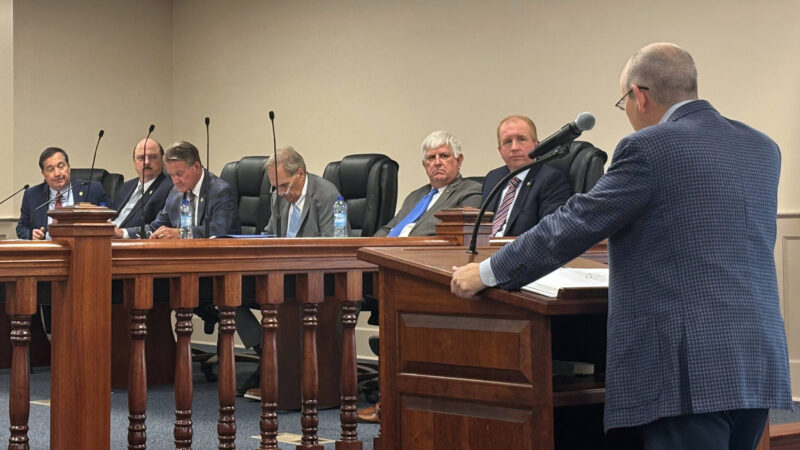
The Alabama Senate unanimously voted to expand the public service commission, and create a Secretary of Energy to address rising electricity prices. A bill in the House would go even further, requiring rate case hearings and limiting utility profits.

Musher from Alabama is going for back-to-back Iditarod wins
Riches and paid appearances haven’t followed Jessie Holmes since he won the world’s most famous sled dog race, the Iditarod, last year. He doesn't mind.
Bill would move Alabama to closed primaries
Right now, any Alabama voter can participate in a primary election. Lawmakers in Montgomery took up a bill this week that would change that system.
Auburn football player uses NIL funds to open a community hub in Birmingham
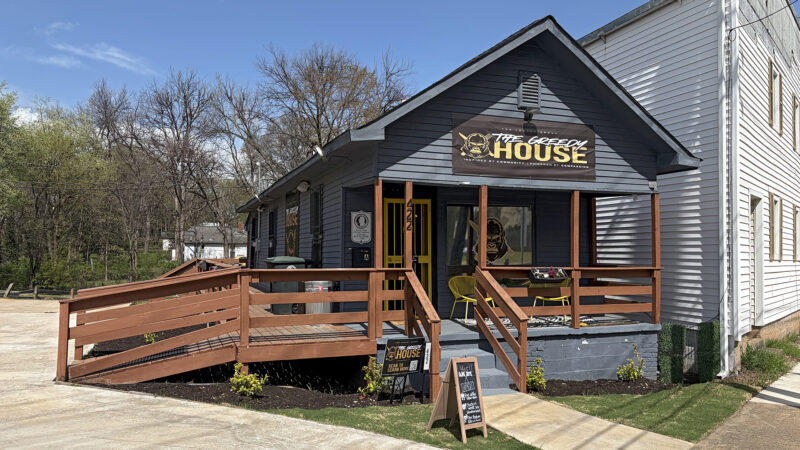
Jourdin Crawford, a freshman defensive lineman at Auburn, used earnings from a Name, Image, and Likeness deal to give back to his hometown.
Ivey commutes death sentence of inmate whose accomplice fired fatal shot
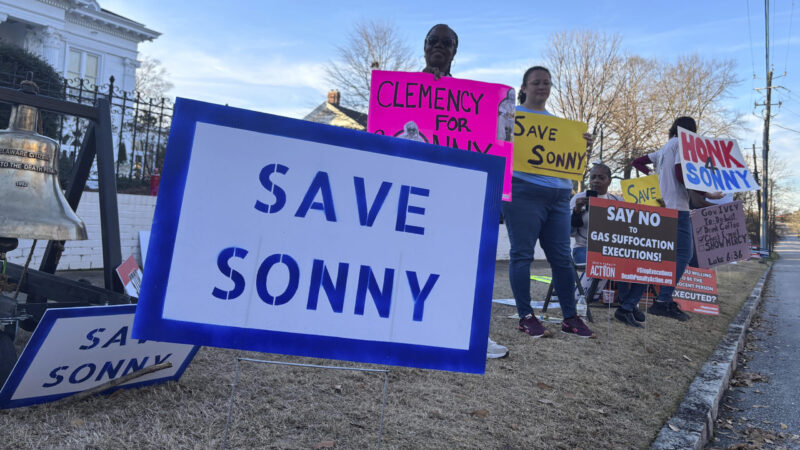
Charles “Sonny” Burton was sentenced to death for the killing of Doug Battle during a 1991 robbery. However, another man shot Battle when Burton had left the building.