
Rosa Parks and Helen Keller statues unveiled at the Alabama Capitol
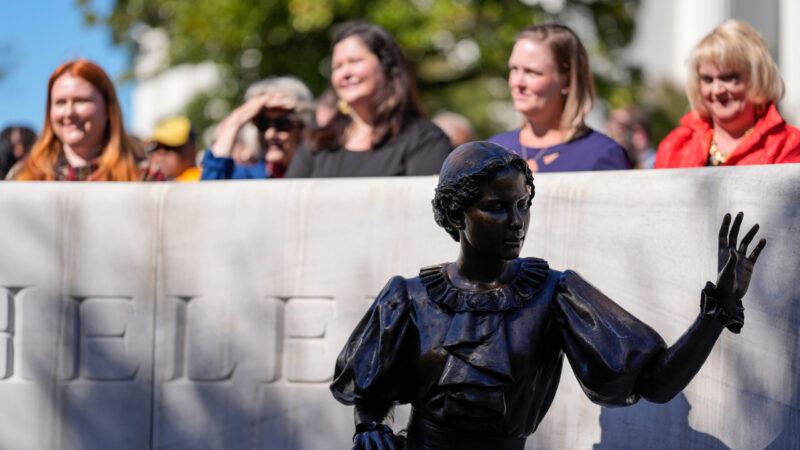
People view a newly unveiled statue of Helen Keller on the grounds of the Alabama State Capitol, Friday, Oct. 24, 2025, in Montgomery, Ala.
MONTGOMERY, Ala. (AP) — Statues of Rosa Parks and Helen Keller, pivotal figures who fought for justice and inspired change across the world, were unveiled Friday on the grounds of the Alabama Capitol.
The monuments honoring the Alabama natives whose advocacy helped dismantle racial segregation and promoted the rights of people with disabilities are the first statues of women to be installed on the lawn of the Alabama Capitol, broadening the history reflected on the grounds that also include tributes to the Confederacy, which was formed at the site in 1861.
Gov. Kay Ivey, currently the nation’s longest serving female governor, said Parks and Keller “rose to shape history through quiet strength and unwavering conviction.”
“Courage changes the course of history, and today, these statutes stand as symbols of that courage — testaments to what one person, especially one determined one, can do to make the world a better place,” Ivey said.
Known as the mother of the Civil Rights Movement, Parks was arrested on Dec. 1, 1955, when she refused to leave her bus seat for a white passenger. While Parks was not the first woman arrested for defying bus segregation laws, her arrest became the catalyst for the yearlong boycott by Black passengers and helped usher in change nationwide.
Born in 1880 in Tuscumbia, Alabama, Keller became deaf and blind after a serious illness before her second birthday. Her tutor, Anne Sullivan, taught her to communicate through sign language and Braille, and she became a well-known writer and lecturer who championed the rights of workers, poor people, women and people with disabilities.
The statue of Parks, titled “Stepping Into Equality” shows her as if boarding a bus, just across the Capitol steps from a statue of Confederate President Jefferson Davis, a fitting location for an icon who showed “how to fight against racial segregation and inequality in a non violent way,” the Rev. Agnes M. Lover said.
Parks appears to peer down Dexter Avenue. That’s the street where she boarded the bus that history-making day, and also the site of slave markets in the 1800s as well as the Rev. Martin Luther King Jr.’s Dexter Avenue Church, where mass meetings were held to organize the bus boycott.
Park’s statue looks over the grounds where a huge crowd formed at the end of the 1965 voting rights march from Selma to Montgomery. That her monument is also just a stone’s throw from Davis, who helped tear the nation apart trying to preserve slavery — is likely to raise some eyebrows.
The removal of memorials to Confederate figures like Davis was a key goal of the wave of activism that followed the 2015 slaughtering of nine Black church parishioners by a white supremacist gunman who idolized Confederate symbols. More than 480 symbols and statues were removed nationwide since then, according to the Alabama-based Southern Poverty Law Center’s “Whose Heritage?” campaign.
But Alabama forbids the removal of longstanding monuments, and while few cities, such as Birmingham, have defied that law, the Davis statue remains.
Keller’s statue depicts her as a young woman sitting on a bench. In her lap is a book with instructions, in both text and Braille, on the technique of tactile lipreading. Visitors are invited to sit with her figure, placing their face in her outstretched hand.
Keller Johnson Thompson said she knows how pleased her great-grand-aunt would be, to be honored alongside Parks at the Capitol. Their stories remind us that no obstacle is insurmountable, and each of us can make a lasting difference, she said.
“As my aunt Helen so beautifully reminded us, although the world is full of suffering, it is also full of overcoming it,” Johnson Thompson said.
Their unveiling on Friday was more than six years in the making. Alabama lawmakers approved the statues in 2019, and the Alabama Women’s Tribute Statue Commission completed the project.
Rep. Laura Hall, who sponsored the authorizing legislation, said visitors to the Capitol should “see the full picture, the history and the impact that women have played.”
“Helen Keller and Rosa Parks just seemed to be the image that — whether you were Black or white, Democrat or Republican — you could identify with and realize the impact that they had on history,” Hall said.

Crew of fatal US military crash included Alabama father recently deployed
The six U.S. service members who died in the crash of a U.S. military refueling aircraft included an Alabama father who had just been promoted and deployed. The U.S. government released the identities of the deceased service members Saturday.
Alabama poised to drastically overhaul utility regulation. Will it lower electric bills?
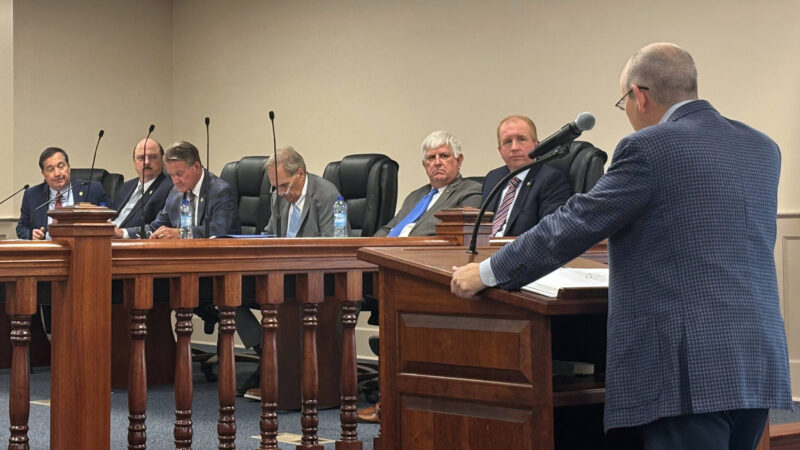
The Alabama Senate unanimously voted to expand the public service commission, and create a Secretary of Energy to address rising electricity prices. A bill in the House would go even further, requiring rate case hearings and limiting utility profits.

Musher from Alabama is going for back-to-back Iditarod wins
Riches and paid appearances haven’t followed Jessie Holmes since he won the world’s most famous sled dog race, the Iditarod, last year. He doesn't mind.
Bill would move Alabama to closed primaries
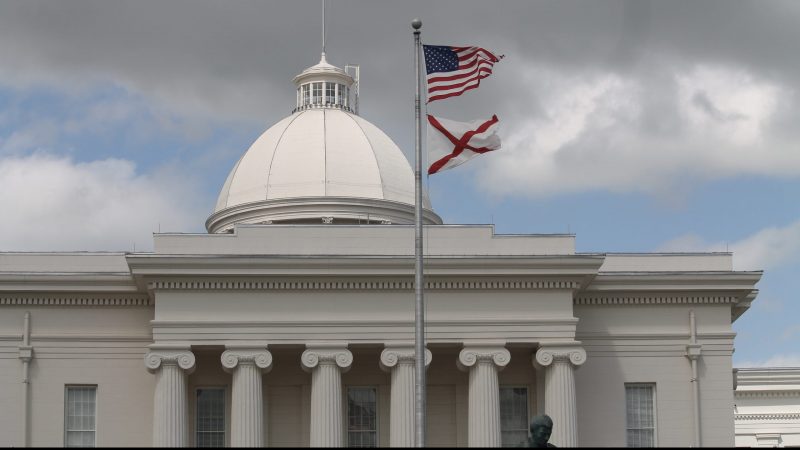
Right now, any Alabama voter can participate in a primary election. Lawmakers in Montgomery took up a bill this week that would change that system.

Auburn football player uses NIL funds to open a community hub in Birmingham
Jourdin Crawford, a freshman defensive lineman at Auburn, used earnings from a Name, Image, and Likeness deal to give back to his hometown.
Ivey commutes death sentence of inmate whose accomplice fired fatal shot
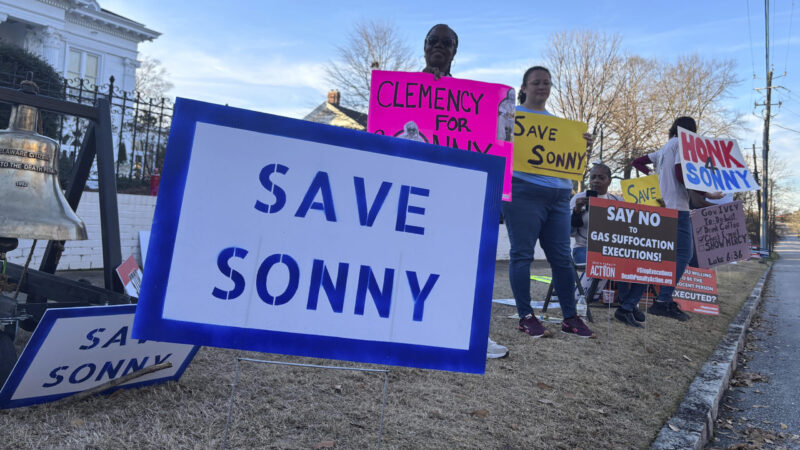
Charles “Sonny” Burton was sentenced to death for the killing of Doug Battle during a 1991 robbery. However, another man shot Battle when Burton had left the building.