
Pascagoula still shows Hurricane Katrina’s heavy toll in Mississippi 20 years later
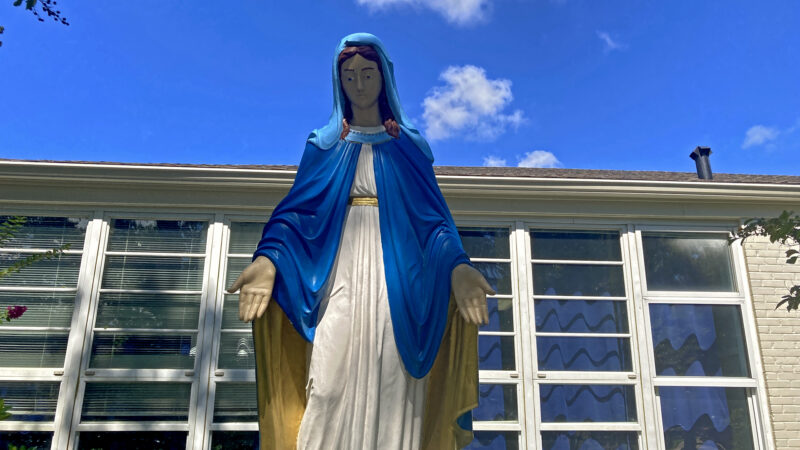
A statue of the Virgin Mary stands outside of Our Lady of Victories Catholic Church in Pascagoula, Mississippi, on Aug. 14, 2025. During Hurricane Katrina, Paige Roberts and others in Pascagoula watched from the safety of the courthouse as the water rose up on the statue. She said they knew the water was beginning to recede when it dropped below her belt.
Twenty years ago, Hurricane Katrina destroyed much of the Gulf Coast, including parts of the railroad that Amtrak ran a commercial line on, connecting New Orleans to Mobile, Alabama.
In mid-August, Amtrak resurrected this route — now dubbed the Mardi Gras Service. The Gulf States Newsroom’s Stephan Bisaha took part in the route’s inaugural trip.
Along the ride, he visited three coastal Mississippi cities that the route makes stops at to tell the story of how Katrina changed the Gulf Coast, and how these towns have worked to rebuild over the past two decades.
New Orleans rightly got the bulk of attention in Hurricane Katrina’s aftermath — and still does when looking back 20 years later — due to man-made issues, like the levees breaking.
But when it comes to the worst of the actual Category 3 storm, that was saved for coastal Mississippi.
In Pascagoula, Mississippi, which is as far east from New Orleans as any Mississippi city on the Gulf Coast gets, more than 90% of the city was flooded.
“It flattened just about everything,” Paige Roberts said. “And if it didn’t flatten it, it lifted up and moved it.”
Roberts is the president and CEO of the Jackson County Chamber of Commerce, where Pascagoula is the county seat. During Katrina, she was the executive director of the Southeast Mississippi Chapter of the American Red Cross.
The footprint of Katrina’s wrath was 93,000 square miles — almost exactly the size of Great Britain. Mississippi was mostly on the northeast side of the storm, also known as the “dirty side.” Hurricanes rotate counterclockwise, so the winds coming from the west side of Katrina swept across the Gulf and then dragged that water north into Mississippi’s coastal counties.
Terry Jackson, Jackson County’s emergency management operations coordinator, said that it looked like an atomic bomb had fallen on Pascagoula at the time.
“A lot of the federal assets were directed to Louisiana,” Jackson said. “And Mississippi was kind of forgotten.”
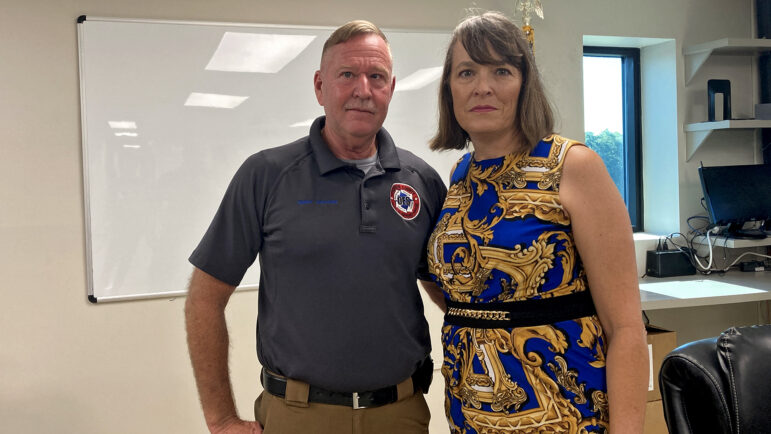
While much of the city was rebuilt over the past 20 years, it has never fully recovered. Today, Pascagoula’s population hangs a bit under 22,000 — about 15% lower than it was before Katrina. Part of the reason so many people chose not to return was the cost of rebuilding.
Residents blame FEMA for redrawing its flood maps in 2022, designating about 90% of the city to be in a flood zone — up from about 20% previously. While that might sound reasonable since it’s in line with how much of Pascagoula flooded during Katrina, residents said the designation put harsh and expensive restrictions on building and renovating homes.
“You’ve now made your building regulations and your insurance regulations based on one event that hasn’t happened like that before or since,” Alan Sudduth, then the Jackson County administrator and now the corporate affairs manager for Chevron in Mississippi.
New businesses opened and old ones were restored in Downtown Pascagoula, like Scranton’s Restaurant and Catering. Co-owner Richard Chenoweth stayed in his restaurant as it flooded during Katrina and watched as his refrigeration equipment floated in the Gulf waters. He spent the weeks after cooking whatever survived and giving it away to first responders and neighbors — from steaks to beans to burgers.
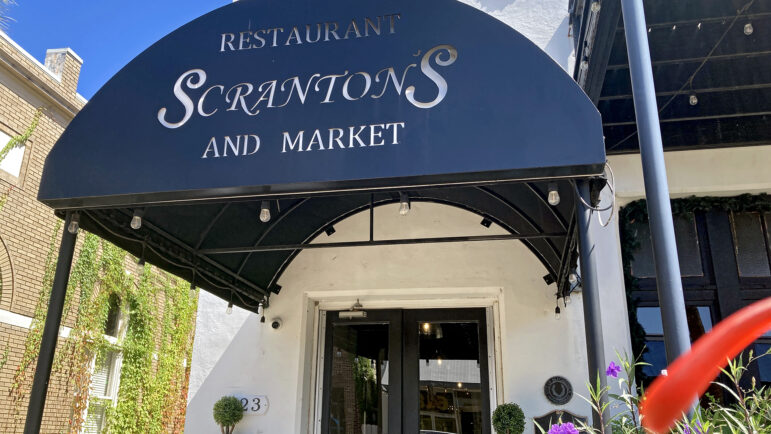
He said that the roughly 5,000 residents who didn’t return to Pascagoula were his customers, the ones who could afford to leave. Scranton’s still does well today, but he dreams about the non-stop rush of business he had pre-Katrina.
“Back then, as soon as a table vacated, there were people sitting at it,” Chenoweth said. ”Best time of my life.”
This story was produced by the Gulf States Newsroom, a collaboration between Mississippi Public Broadcasting, WBHM in Alabama, WWNO and WRKF in Louisiana and NPR.
Crew of fatal US military crash included Alabama father recently deployed
The six U.S. service members who died in the crash of a U.S. military refueling aircraft included an Alabama father who had just been promoted and deployed. The U.S. government released the identities of the deceased service members Saturday.
Alabama poised to drastically overhaul utility regulation. Will it lower electric bills?
The Alabama Senate unanimously voted to expand the public service commission, and create a Secretary of Energy to address rising electricity prices. A bill in the House would go even further, requiring rate case hearings and limiting utility profits.
Musher from Alabama is going for back-to-back Iditarod wins
Riches and paid appearances haven’t followed Jessie Holmes since he won the world’s most famous sled dog race, the Iditarod, last year. He doesn't mind.
Bill would move Alabama to closed primaries
Right now, any Alabama voter can participate in a primary election. Lawmakers in Montgomery took up a bill this week that would change that system.
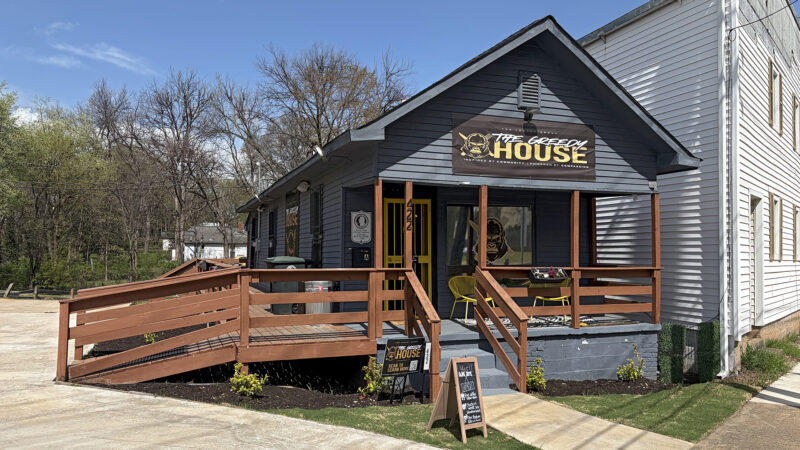
Auburn football player uses NIL funds to open a community hub in Birmingham
Jourdin Crawford, a freshman defensive lineman at Auburn, used earnings from a Name, Image, and Likeness deal to give back to his hometown.
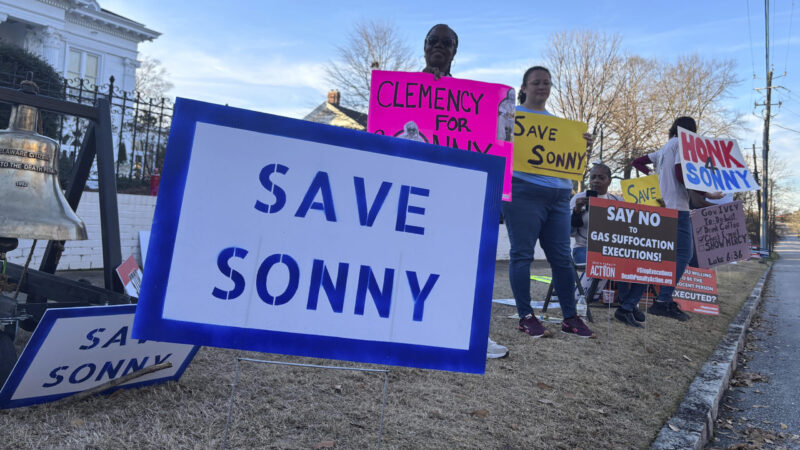
Ivey commutes death sentence of inmate whose accomplice fired fatal shot
Charles “Sonny” Burton was sentenced to death for the killing of Doug Battle during a 1991 robbery. However, another man shot Battle when Burton had left the building.