
Mentally ill people are stuck in jail because they can’t get treatment. Here’s what’s to know

A framed photo of Fernando Clark, who died in Montgomery County Jail in 2024, sits in the living room of his sister's home in Montgomery, Ala., Wednesday, Oct. 8, 2025.
By Safiyah Riddle
MONTGOMERY, Ala. (AP) — Fernando Clark spent the last 10 months of his life in a jail cell, waiting for psychiatric treatment a court ordered he undergo after he’d been arrested for stealing cigarettes and some fruit from a gas station.
He died while waiting for the treatment that never arrived, found unresponsive in his jail cell.
Clark was just one of hundreds of people across Alabama awaiting a spot in the state’s increasingly limited facilities, despite a consent decree requiring the state to address delays in providing care for people who are charged with crimes but deemed too mentally ill to stand trial.
But seven years since the federal agreement, the problem has only worsened. The waitlist for the state’s sole secure psychiatric facility is almost five times longer than when the decree was issued, according to court documents released in September.
The problem extends beyond Alabama. In fact, experts say that the problem is nearly universal — and worsening — across the country. Here is what to know.
National crisis
Nationally, the number of state hospital beds for adults with serious mental health issues reached a historic low in 2023 with 36,150 beds, more than half of them occupied by people who have been committed to the hospital through the criminal legal system, according to the nonprofit Treatment Advocacy Center. That’s a 17% decline in beds from 2017, the organization found. The shortage of beds means a range of states have similar waitlists.
“There really isn’t any state where this hasn’t become an increasingly visible problem — and it’s actually expanding in scope rapidly over the last decade,” Lisa Daly, the executive director of the Treatment Advocacy Center said.
In some ways, the worsening trend is part of an intractable paradox, Daly said. Courts are “doing a better job over time of identifying when mental illness appears to be a factor in why somebody might’ve been arrested or why somebody might be facing criminal charges.”
But the infrastructure — the beds available at secure treatment facilities, along with the staffing levels to make those beds operational — has not adjusted to the increasing demand.
Instead of waiting for evaluations, now people are waiting for treatment.
“Really what that does is it changes where the bottleneck is,” Daly said.
Need for change
Construction is underway to add 80 beds to Alabama’s sole psychiatric facility for men, which has 140 beds and serves just over 200 people, according to an annual report published in 2024.
However, there is a significant staffing shortage and the added beds will only be usable if the state can hire enough staff, according to The Alabama Reflector. Boswell said an average pay increase of roughly $6 an hour in 2024 is helping with recruitment and retention.
Boswell said at a recent budget hearing that her agency is working with the judges presiding over the consent decree to improve the time it takes to get evaluated and then treated.
A spokesperson for the Alabama Department of Mental Health declined to comment to multiple e-mailed requests.
The department also trained 94 people for competency restoration programs in jails to relieve the burden on Taylor Hardin, court records show. Programs now exist in five of Alabama’s 67 counties and are slated to expand to three more.
Alabama also has spent $175 million over five years to build six crisis centers with 180 beds across the state to provide an alternative for people suffering a mental health crisis, a September audit shows.
Those centers conducted 22,297 evaluations, Boswell testified in September.
Deadly consequences
Those changes came too late for Clark. After the state conducted an evaluation that determined it was not possible to restore him to a mental state stable enough for him to stand trial, a judge ordered that he receive care in a community mental health center, which are backlogged.
His sisters said he was often picked up wandering aimlessly miles away from where he lived with family in Montgomery.
“It’s a lot. We just had so many different incidents,” Kawanda Key, one of Clark’s older sisters said. Clark did short stints in hospitals. Whenever one of them encountered him on the side of the road, they would try to convince him to come home where he could eat and shower.
Last year, Clark went missing again, skipping out on a 2022 burglary charge. He was eventually found and put in jail in February 2024, and it wasn’t until September of that year that his mental illness was deemed untreatable, and he was ordered to stay in jail until a bed could be found for him to receive care.
On Dec. 11, 2024, Clark was found unresponsive in his cell. The temperature in the cell had risen to 110 degrees Fahrenheit (43.3 degrees Celsius) at a time when boiler repairs were being done. His autopsy lists congestive heart failure as his cause of death, but Tom Andrew, a forensic pathologist who reviewed the autopsy for The Associated Press, said it left “more questions than answers.”
Given the temperature in his cell, Andrew said, it was “problematic” that the autopsy didn’t record Clark’s internal body temperature or rule out other signs of dehydration.
Additionally, Andrew noted, jail staff was giving Clark antipsychotic medication at the time of his death that sometimes impairs the body’s ability to regulate temperature, making him especially vulnerable to overheating.
Clark, who was 40 when he died, was known as “Pooch,” a nickname his mom gave him as a kid because he was small and sweet like a puppy.

Crew of fatal US military crash included Alabama father recently deployed
The six U.S. service members who died in the crash of a U.S. military refueling aircraft included an Alabama father who had just been promoted and deployed. The U.S. government released the identities of the deceased service members Saturday.
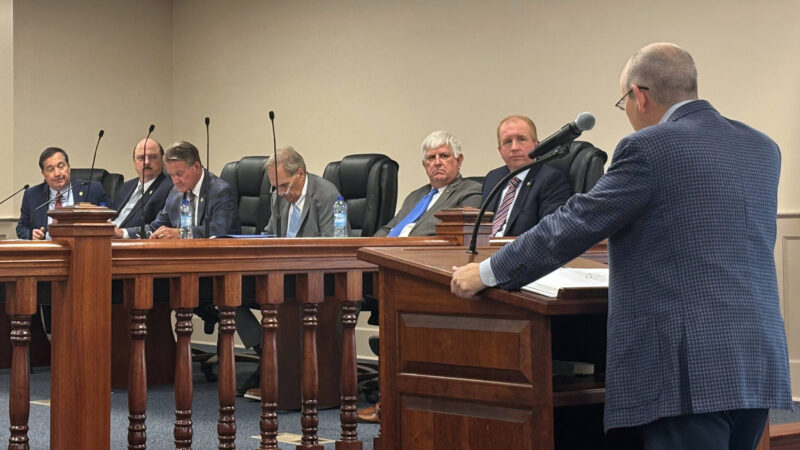
Alabama poised to drastically overhaul utility regulation. Will it lower electric bills?
The Alabama Senate unanimously voted to expand the public service commission, and create a Secretary of Energy to address rising electricity prices. A bill in the House would go even further, requiring rate case hearings and limiting utility profits.
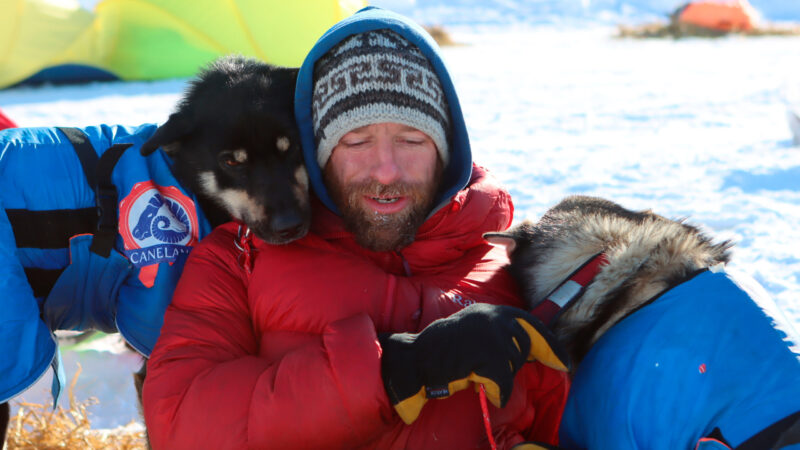
Musher from Alabama is going for back-to-back Iditarod wins
Riches and paid appearances haven’t followed Jessie Holmes since he won the world’s most famous sled dog race, the Iditarod, last year. He doesn't mind.
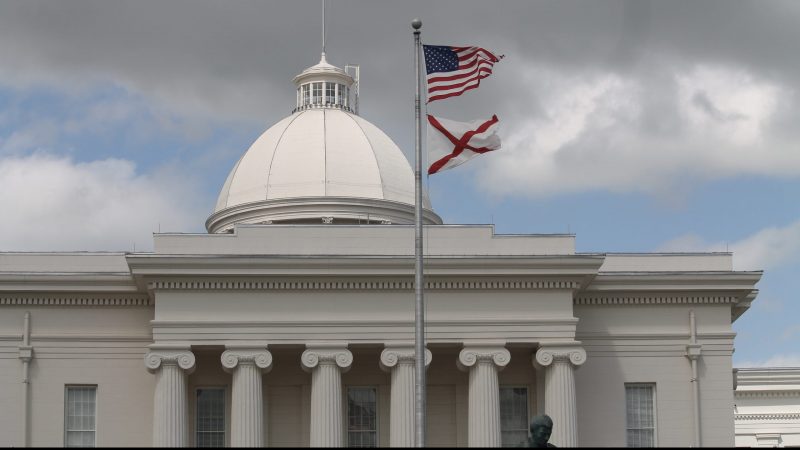
Bill would move Alabama to closed primaries
Right now, any Alabama voter can participate in a primary election. Lawmakers in Montgomery took up a bill this week that would change that system.
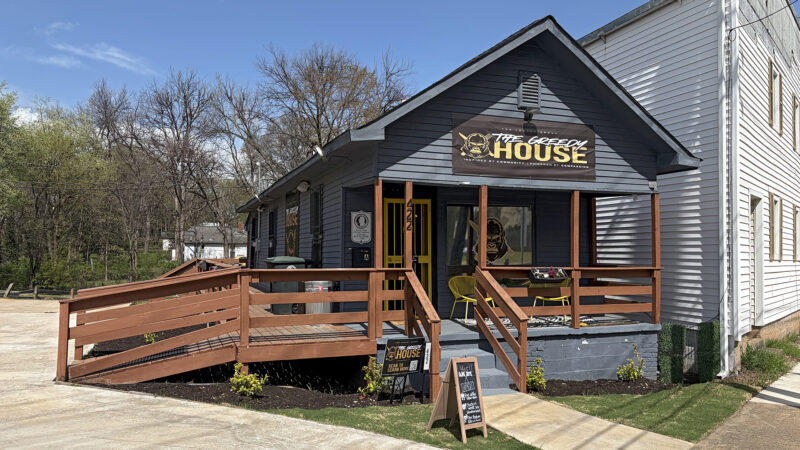
Auburn football player uses NIL funds to open a community hub in Birmingham
Jourdin Crawford, a freshman defensive lineman at Auburn, used earnings from a Name, Image, and Likeness deal to give back to his hometown.
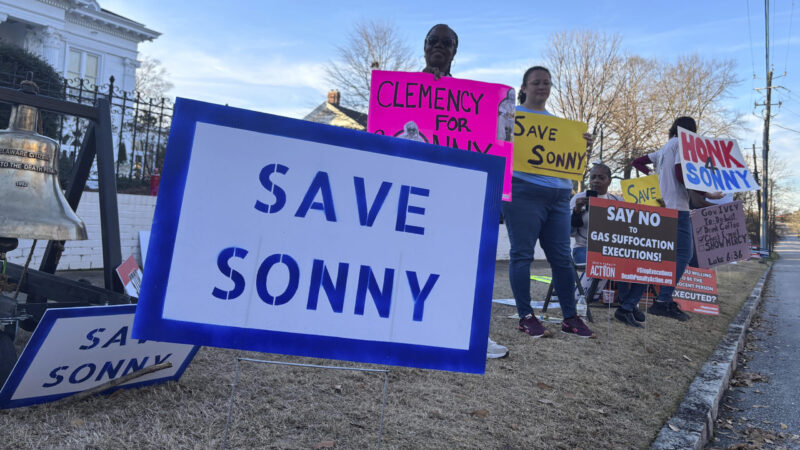
Ivey commutes death sentence of inmate whose accomplice fired fatal shot
Charles “Sonny” Burton was sentenced to death for the killing of Doug Battle during a 1991 robbery. However, another man shot Battle when Burton had left the building.