
Canceled climate grants would have cut pollution while boosting production, jobs at two Alabama ironworks
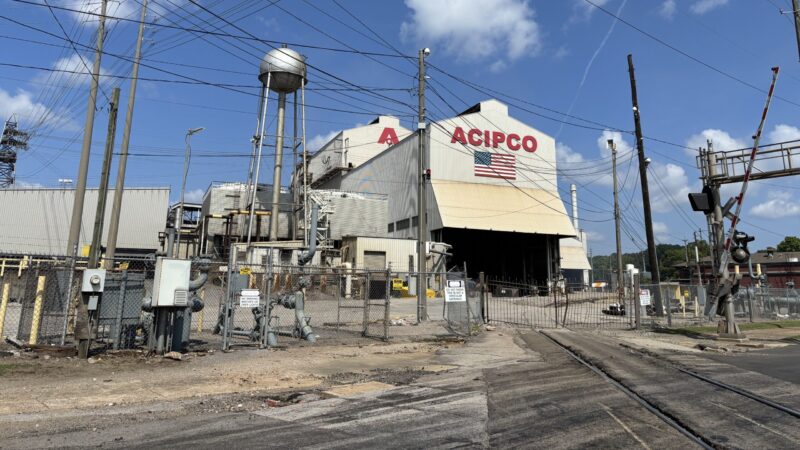
American Cast Iron Pipe (ACIPCO) was founded in Birmingham in 1905 and employs approximately 1,600 people at its Birmingham facilities.
This article originally appeared on Inside Climate News, a nonprofit, independent news organization that covers climate, energy and the environment. It is republished with permission. Sign up for their newsletter here.
By Dennis Pillion, Inside Climate News
BIRMINGHAM, Ala.—Two iron pipe manufacturers in Alabama learned last month they lost a combined $150 million in promised federal funding that would have increased productivity and employment while slashing greenhouse gas emissions and other air pollution.
The grants, $75 million each, were issued to the American Cast Iron Pipe Company in Birmingham and the U.S. Pipe and Foundry Company in Bessemer through the U.S. Department of Energy’s Office of Clean Energy Demonstrations to replace older coke or gas-fueled blast furnaces with electric induction furnaces.
The projects were estimated to cut the greenhouse gas emissions at U.S. Pipe by 73 percent and at American Cast Iron Pipe by 62 percent.
“This project is expected to reduce the cost of operations, improve manufacturing capacity, and enhance overall melting process and reliability, demonstrating the viability of electrifying a core process for iron and steel manufacturing,” the U.S. Pipe project description states.
The two Alabama grants were among 24 clean energy awards terminated last week by the Department of Energy, totaling $3.7 billion.
The DOE said in a news release announcing the cuts that the terminated awards “failed to advance the energy needs of the American people, were not economically viable and would not generate a positive return on investment of taxpayer dollars.”
Energy Secretary Chris Wright said in the release that the Biden administration “failed to conduct a thorough financial review” before approving the projects last year.
“While the previous administration failed to conduct a thorough financial review before signing away billions of taxpayer dollars, the Trump administration is doing our due diligence to ensure we are utilizing taxpayer dollars to strengthen our national security, bolster affordable, reliable energy sources and advance projects that generate the highest possible return on investment,” Wright said. “Today, we are acting in the best interest of the American people by cancelling these 24 awards.”
Both companies have deep roots in Birmingham’s industrial center and have been operating in the area for more than a century. Both make ductile iron pipes used for water and wastewater infrastructure, among other products.
The projects would have decreased both facilities’ reliance on coke as fuel. Coke, a purified form of coal, is created by “baking” coal in high-temperature, low oxygen ovens to remove impurities. The ovens use large amounts of energy to make coke, and are often associated with numerous potentially hazardous emissions.
The National Cancer Institute warns that coke oven emissions “typically include carcinogens such as cadmium and arsenic,” and that “[e]xposure to coke oven emissions increases the risk of lung cancer and, possibly, kidney cancer.”
A coke plant in Birmingham was shuttered by local authorities due to alleged Clean Air Act violations in 2021 and has not reopened.
“By replacing the burning of coke with electric induction, this project would substantially improve air quality including reductions in particulate matter, nitrogen oxides, and sulfur oxides for nearby communities,” the U.S. Pipe project description states.
American Cast Iron Pipe, or ACIPCO, said it “remains committed to moving forward” with the project despite the loss of federal funding.
“American is disappointed to learn that our cooperative agreement with the Department of Energy for our Next Generation Melt Project has been terminated,” the company said in a released statement.
“Once completed, the Next Generation Melt Project and future downstream projects will increase capacity, provide flexibility with production scheduling and add high-quality, high-paying jobs,” the company said.
According to the company website, the project is estimated to be completed in 2029.
ACIPCO was founded in Birmingham in 1905 and employs approximately 1,600 people at its Birmingham facilities.
U.S. Pipe did not respond to requests for comment from Inside Climate News or other media outlets.
The company removed a 2024 press release touting the grant from its website and has not indicated whether it plans to continue the electrification project.
U.S. Pipe was created in 1899 by consolidating 14 iron and steel foundries in nine states. One of those was the Howard-Harrison Iron Company in Bessemer. Local economic development agencies say U.S. Pipe employs 970 people in Alabama.

Crew of fatal US military crash included Alabama father recently deployed
The six U.S. service members who died in the crash of a U.S. military refueling aircraft included an Alabama father who had just been promoted and deployed. The U.S. government released the identities of the deceased service members Saturday.
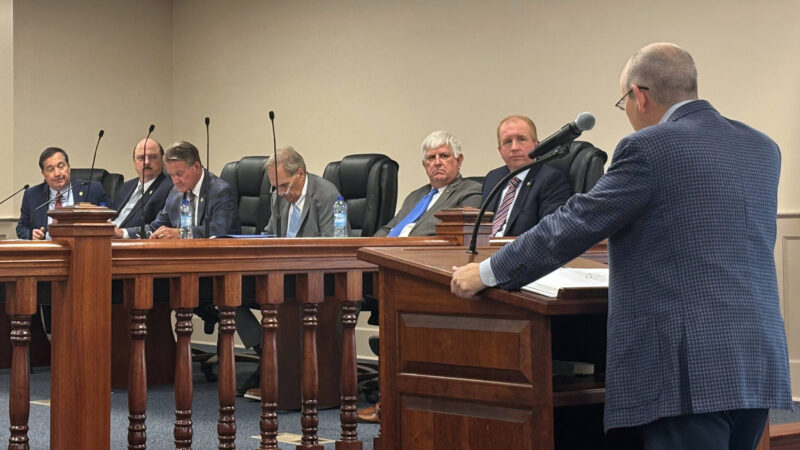
Alabama poised to drastically overhaul utility regulation. Will it lower electric bills?
The Alabama Senate unanimously voted to expand the public service commission, and create a Secretary of Energy to address rising electricity prices. A bill in the House would go even further, requiring rate case hearings and limiting utility profits.

Musher from Alabama is going for back-to-back Iditarod wins
Riches and paid appearances haven’t followed Jessie Holmes since he won the world’s most famous sled dog race, the Iditarod, last year. He doesn't mind.
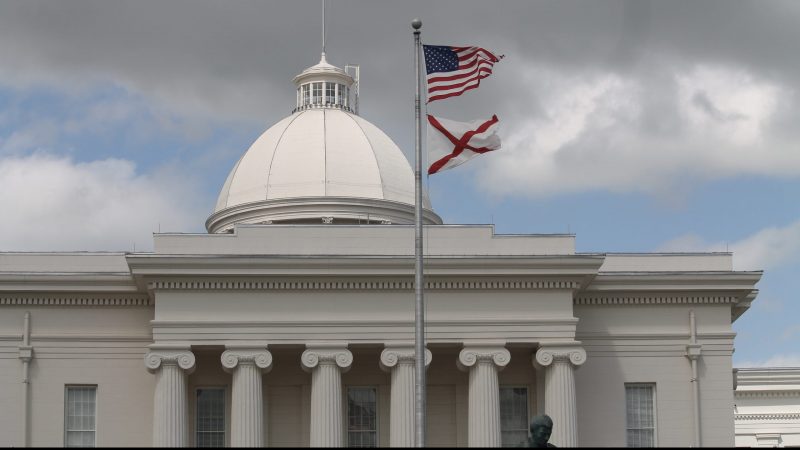
Bill would move Alabama to closed primaries
Right now, any Alabama voter can participate in a primary election. Lawmakers in Montgomery took up a bill this week that would change that system.
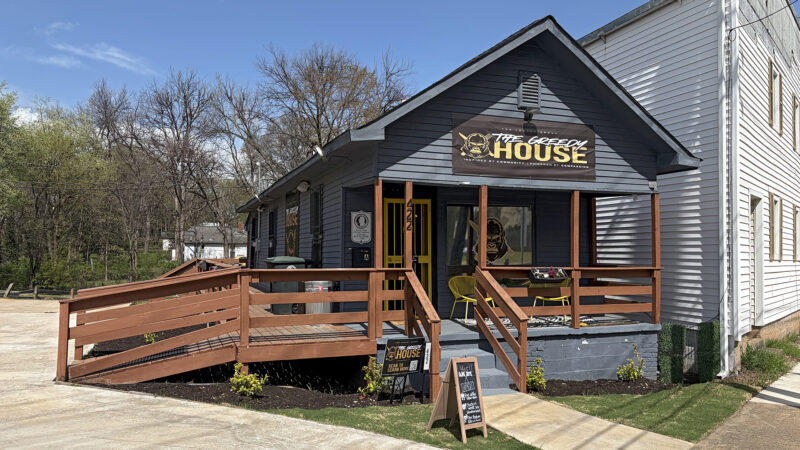
Auburn football player uses NIL funds to open a community hub in Birmingham
Jourdin Crawford, a freshman defensive lineman at Auburn, used earnings from a Name, Image, and Likeness deal to give back to his hometown.
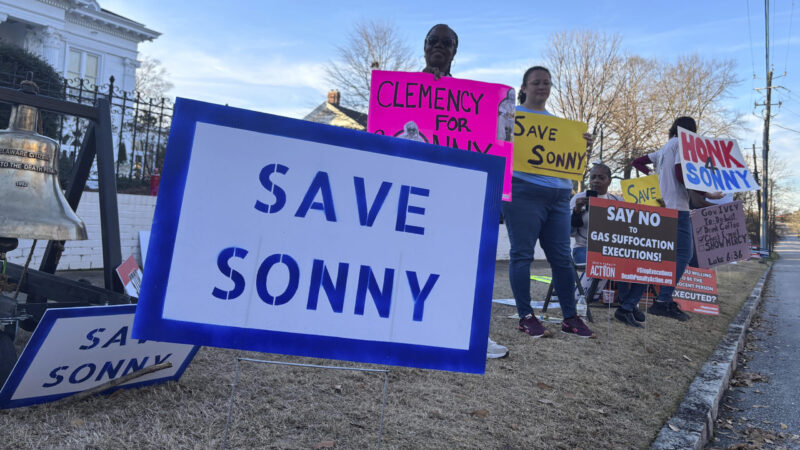
Ivey commutes death sentence of inmate whose accomplice fired fatal shot
Charles “Sonny” Burton was sentenced to death for the killing of Doug Battle during a 1991 robbery. However, another man shot Battle when Burton had left the building.