
What’s special about historically Black colleges and universities
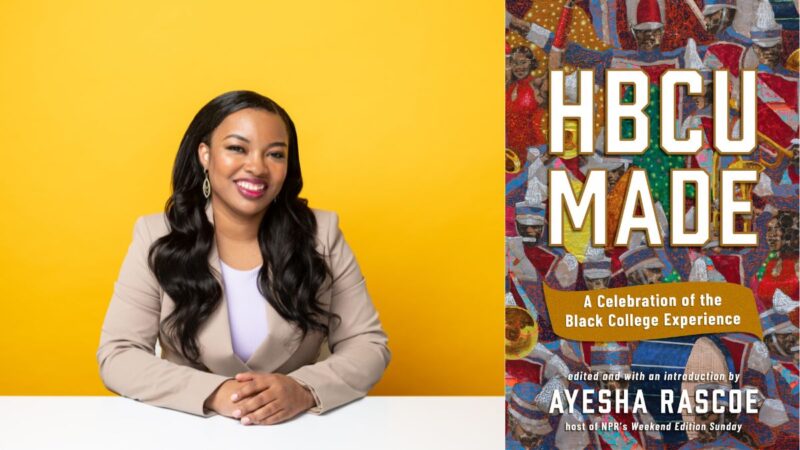
What do Oprah Winfrey, Roy Wood Jr. and Stacey Abrams have in common? They all received diplomas from historically Black colleges or universities. They’re also 3 contributing writers for NPR Weekend Edition Sunday host Ayesha Rascoe’s new essay collection. It’s called HBCU Made: A Celebration of the Black College Experience.
WBHM’s Kelsey Shelton sat down with Rascoe to find out why she felt the HBCU experience needed more recognition.
You kind of touch on it in your introduction but, what exactly made you want to go to an HBCU?
I wasn’t like one of those people who’s like, I have to go to an HBCU, but I was open to Howard because it was out of state, and it just sounded like it was just a really cool place. It was the basis of Hillman College in A Different World, that show, that was so instrumental in my life and so many others. And when I went to visit, I saw all these beautiful black people on the yard, and I saw the Deltas strolling and everyone out and about, even though it was like a kind of drizzly, rainy day, I just felt like I wanted it to be home.
How did you go about picking the essays for this essay collection?
I wanted a wide range of people from different backgrounds, different generations, schools represented. I didn’t just want the big names like Howard and Morehouse and Spelman. I wanted some of the smaller schools, like, say, a Morgan State or Dillard or Talladega.
And Alabama is very grateful for the representation.
Yes!
In your introduction, you talked about you wanted to be a journalist at Howard. But you felt pushback when you talked about negative things that were going on at Howard. As a black woman myself, I understand that discomfort. So how do you manage your identity as a black woman versus your role as a journalist?
Yeah! And I don’t try to separate the two because I feel like as journalists, we should bring our full selves to the work that we do, and I feel like the work is better for it. But I do feel like when it comes to reporting on issues affecting Black people or Black schools or institutions, I feel like what you can do is you can provide the context, maybe the history, maybe there’s been systematic discrimination or all sorts of things. But I do think that you should always – whatever you love or care about – I feel like to love something is to hold it accountable, and to seek for it to be the best that it can be. And so that’s what I tried to do. And that’s what I really learned at Howard was, yes, this is an institution I love, but this is also an institution that I respect enough and honor enough to push it to be everything that it can be.
Was that a difficult kind of irony to deal with? This place that’s supposed to uplift black voices was kind of hesitant to do so. Was that a hard lesson to learn?
It was a hard lesson to learn. And I think being in school and being young, I think I probably took a lot of it very personally, and felt like I’m just trying to do my job. I’m just trying to be a journalist. But I understand more now that they are looking at it from the perspective of their job is to protect. And my job as a journalist, like it’s just natural conflict. And conflict isn’t necessarily a bad thing, like sometimes conflict is necessary to bring about the truth. But at the time, yeah, it would hurt my feelings, but I’ve grown from that.
And on a more positive note, what was it about your experience that made you want to document yours and others who went to HBCUs in a book?
I mean, and that’s the thing is, like my time at Howard, shaped me. I was able to learn and to grow, right? I was able to grow as a journalist. Because as a journalist, it doesn’t stop. The conflict doesn’t stop. You have to be able to stand your ground and say, this is what I’m going to do. Those seeds were planted at Howard.
Was there anything that surprised you or that you learned from reading the other writers’ stories or essays?
Getting all of these essays from all sorts of people, from Oprah Winfrey to Branford Marsalis to Stacey Abrams, Roy Wood Jr., what I saw over and over again in these stories was just the rich depth of community, in so many different ways, that all of these HBCUs had. Whether it was Roy Wood Jr., who actually got in trouble when he was at FAMU, and then it was FAMU that gave him a second chance. Or, with Oprah Winfrey, she got offered her first job when she was at Tennessee State, and it was a professor at Tennessee State who convinced her father to let her take the job. So, then she takes the job, and obviously the rest is history. It’s not just you’re a student in a class, but you’re really a part of, really almost like a family.

Crew of fatal US military crash included Alabama father recently deployed
The six U.S. service members who died in the crash of a U.S. military refueling aircraft included an Alabama father who had just been promoted and deployed. The U.S. government released the identities of the deceased service members Saturday.
Alabama poised to drastically overhaul utility regulation. Will it lower electric bills?
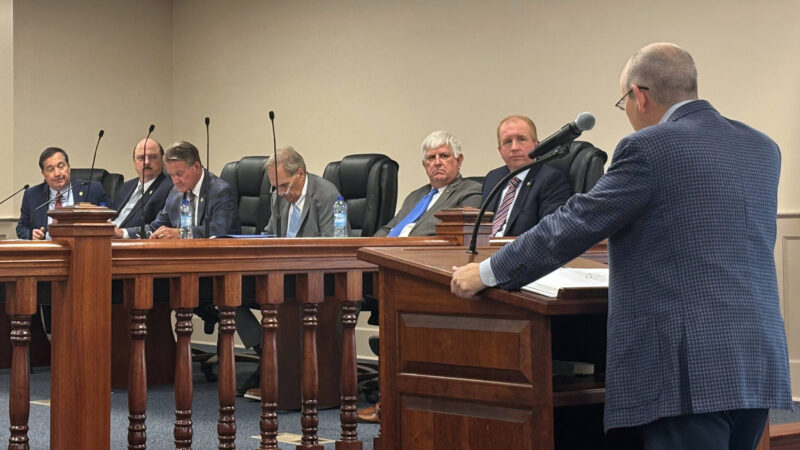
The Alabama Senate unanimously voted to expand the public service commission, and create a Secretary of Energy to address rising electricity prices. A bill in the House would go even further, requiring rate case hearings and limiting utility profits.
Musher from Alabama is going for back-to-back Iditarod wins
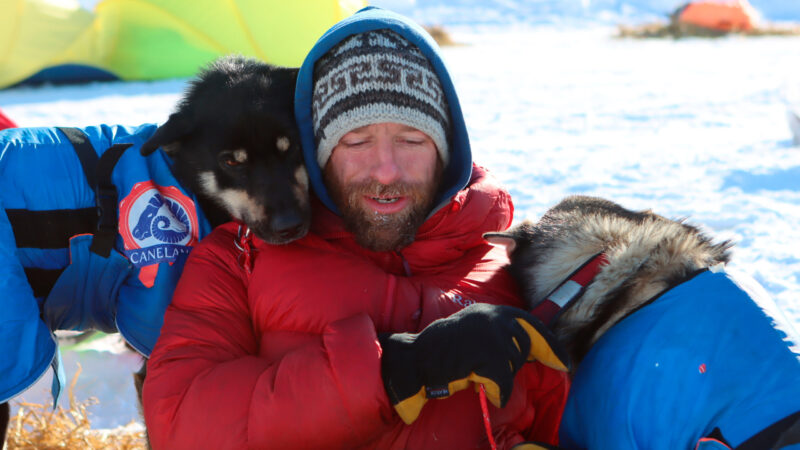
Riches and paid appearances haven’t followed Jessie Holmes since he won the world’s most famous sled dog race, the Iditarod, last year. He doesn't mind.
Bill would move Alabama to closed primaries
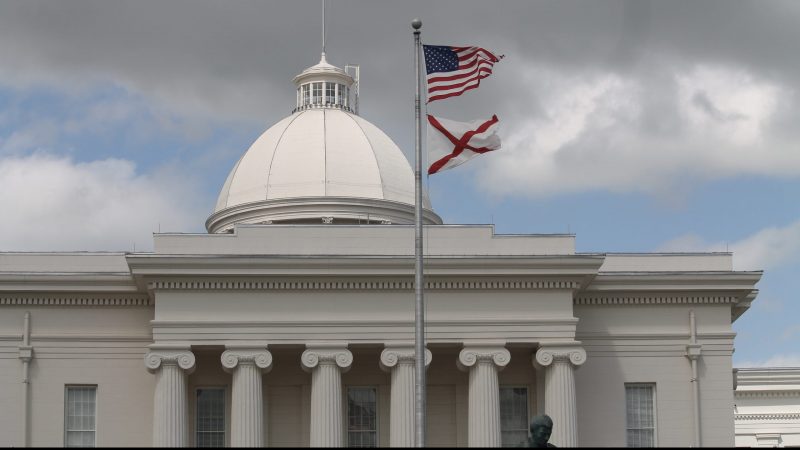
Right now, any Alabama voter can participate in a primary election. Lawmakers in Montgomery took up a bill this week that would change that system.
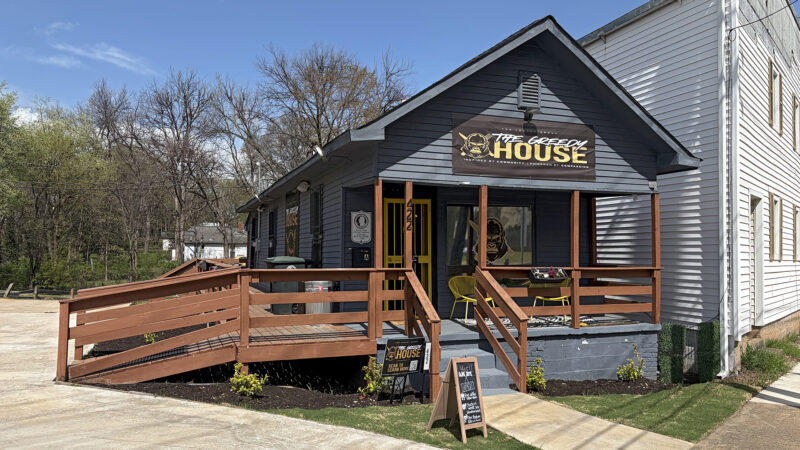
Auburn football player uses NIL funds to open a community hub in Birmingham
Jourdin Crawford, a freshman defensive lineman at Auburn, used earnings from a Name, Image, and Likeness deal to give back to his hometown.
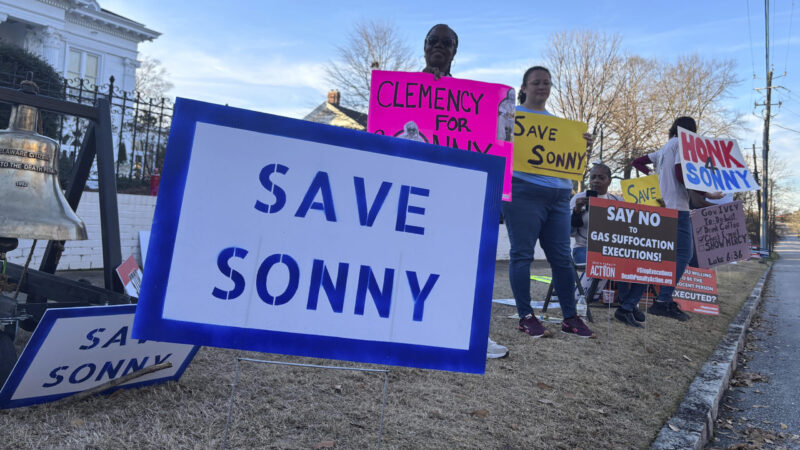
Ivey commutes death sentence of inmate whose accomplice fired fatal shot
Charles “Sonny” Burton was sentenced to death for the killing of Doug Battle during a 1991 robbery. However, another man shot Battle when Burton had left the building.