In Louisiana, mutual aid networks help residents prepare for the peak of hurricane season
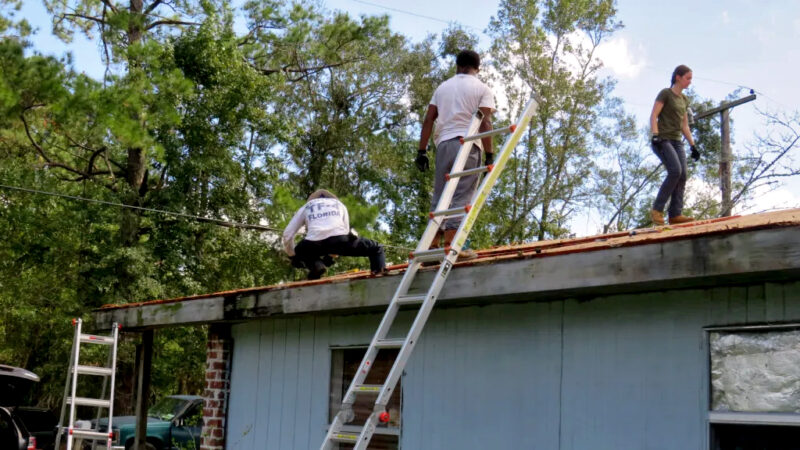
In this contributed photo, volunteers help rebuild a home that sustained damage from Hurricane Laura in DeQuincy, Louisiana.
The city of Sulphur, in southwest Louisiana, was hit by two hurricanes — Laura and Delta — within a matter of months in 2020. Fast forward to today, and residents, like Cynthia Robertson, still see signs of their impact.
“You see, in this neighborhood, you look across the street from my house and there’s still a blue tarp,” Robertson, the executive director of local nonprofit Micah 6:8 Mission, said. “And this is [20]24.”
The organization started as a food box for low-income and unhoused people in Robertson’s neighborhood. Today, it’s still focused on food security, but Robertson has added climate and environmental justice to the mission.
For some communities in the Gulf South, hurricane season comes with a natural dread. Recovery can take years, so making preparations for a disaster is important.
During the recovery process from Laura and Delta, Robertson realized that federal funds often missed the people she served. Groups like Micah 6:8 can form mutual aid networks to help fill in the gaps left by federal funding — pooling and volunteering resources to help the community.
“Ethically, morally, you have to be involved in some kind of disaster preparation and mutual aid because that’s just what being a community organization means,” Robertson said.
For Micah 6:8, a lot of that preparation comes with their monthly community giveaways. They distribute hurricane preparedness buckets they receive from other mutual aid groups and help share information, such as who residents can call if they need help with transportation or borrowing tools from when it’s time to rebuild.
Across the South, a group that is especially vulnerable during natural disasters are mobile home residents.
“Most mobile home manufacturers are like, ‘If it’s 75 miles an hour or more, you shouldn’t be in your home.’ That’s a Category 1 hurricane,” said Bri Lentz, the Disaster Readiness and Response Program Manager of Imagine Water Works — a New Orleans-based community organization that uses mutual aid to help people across the state.
Typical disaster communications don’t recommend evacuating for a Category 1 hurricane, which means residents living in manufactured housing might not be aware they need to leave, Lentz said.
Getting this information out during disasters can be challenging.
“Mobile home communities can kind of not be on the radar, because they don’t want to be. And so having that door-to-door communication can be really difficult,” Lentz said.
Lentz said Imagine Water Works is looking to find where community members can step in and share information internally, so they don’t have to rely solely on law enforcement.
With the storm season already underway, the Gulf South is preparing itself for what’s historically its worst months: August to October. Hurricane Beryl recently served as a reminder of why they need to be prepared, Robertson said.
Beryl started as a Category 5 storm, but by the time it reached neighboring Texas, it had weakened to a Category 1. Robertson said she still saw some impacts.
In 2019, Imagine Water Works created a Mutual Aid Response network and has groups in New Orleans, as well as Southwest Louisiana and Houma. Executive Director Klie Kliebert said part of this effort is to help show folks that some aid networks already exist — like neighbors helping each other out.
“Mutual aid is not just a thing that an organization takes on and creates and puts a container around,” Kliebert said. “It is indigenous and Black and Creole, and it’s been around for hundreds of years, so the first step is reminding folks.”
Kliebert said they’ve learned a lot about preparing to evacuate from disasters like Hurricane Laura. One strategy is providing cash and supplies to help with evacuation before the storm.
“And then there, to me, is greater emphasis on building community and talking with folks more, so that you can carpool and evacuate together,” Kliebert said.
But mutual aid doesn’t have to only center around a disaster, Kliebert said. It can also be ongoing, and starts with communities asking, “What do we need right now?”
“Part of what I recommend to folks is to not try to force things,” Kliebert said. “Stay open and see what shifts over time as the world shifts around us.”
This story was produced by the Gulf States Newsroom, a collaboration between Mississippi Public Broadcasting, WBHM in Alabama, WWNO and WRKF in Louisiana and NPR.
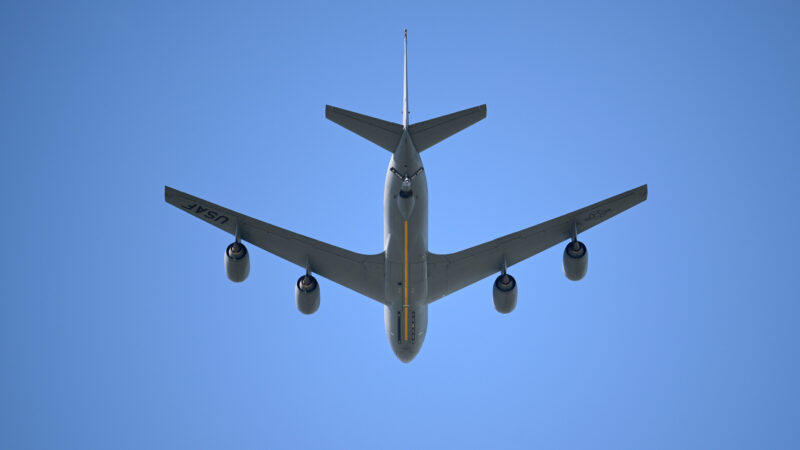
Crew of fatal US military crash included Alabama father recently deployed
The six U.S. service members who died in the crash of a U.S. military refueling aircraft included an Alabama father who had just been promoted and deployed. The U.S. government released the identities of the deceased service members Saturday.
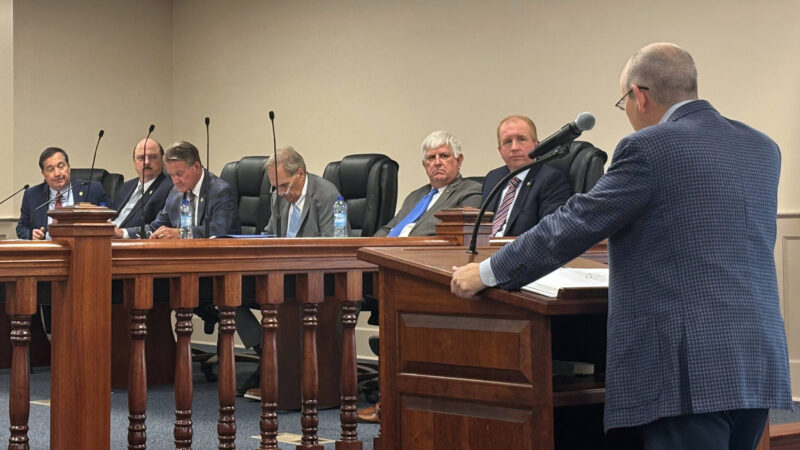
Alabama poised to drastically overhaul utility regulation. Will it lower electric bills?
The Alabama Senate unanimously voted to expand the public service commission, and create a Secretary of Energy to address rising electricity prices. A bill in the House would go even further, requiring rate case hearings and limiting utility profits.
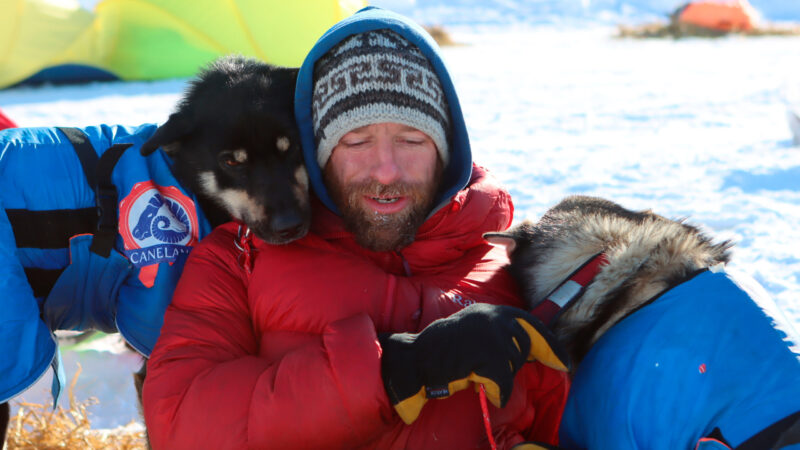
Musher from Alabama is going for back-to-back Iditarod wins
Riches and paid appearances haven’t followed Jessie Holmes since he won the world’s most famous sled dog race, the Iditarod, last year. He doesn't mind.
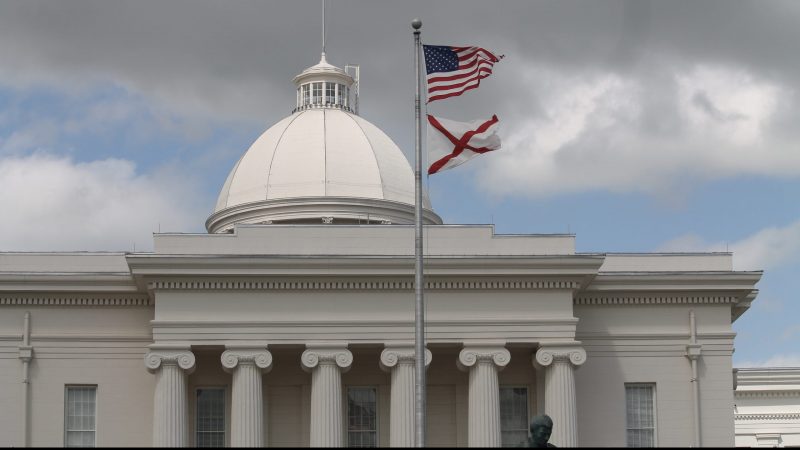
Bill would move Alabama to closed primaries
Right now, any Alabama voter can participate in a primary election. Lawmakers in Montgomery took up a bill this week that would change that system.
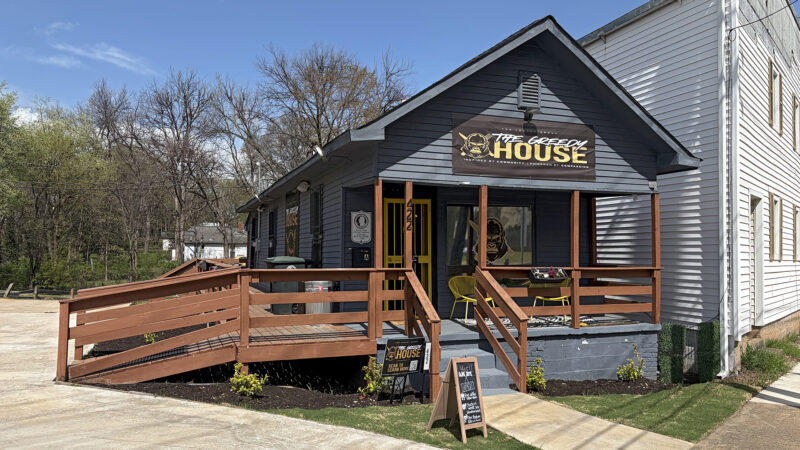
Auburn football player uses NIL funds to open a community hub in Birmingham
Jourdin Crawford, a freshman defensive lineman at Auburn, used earnings from a Name, Image, and Likeness deal to give back to his hometown.
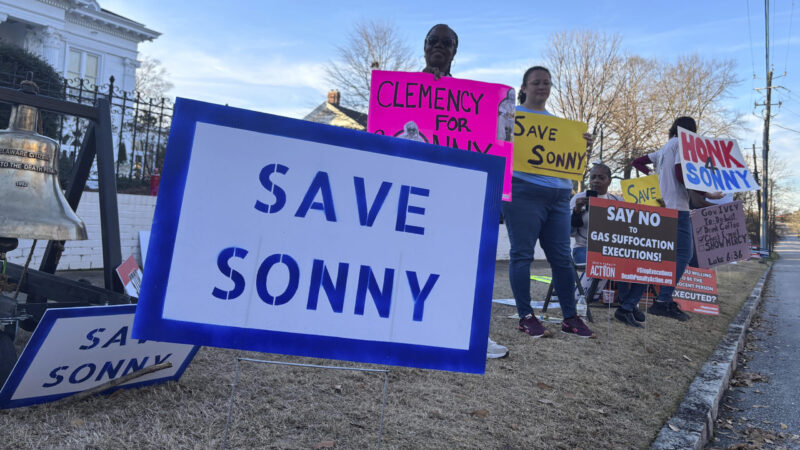
Ivey commutes death sentence of inmate whose accomplice fired fatal shot
Charles “Sonny” Burton was sentenced to death for the killing of Doug Battle during a 1991 robbery. However, another man shot Battle when Burton had left the building.