
Federal appeals court won’t block upcoming nitrogen gas execution in Alabama
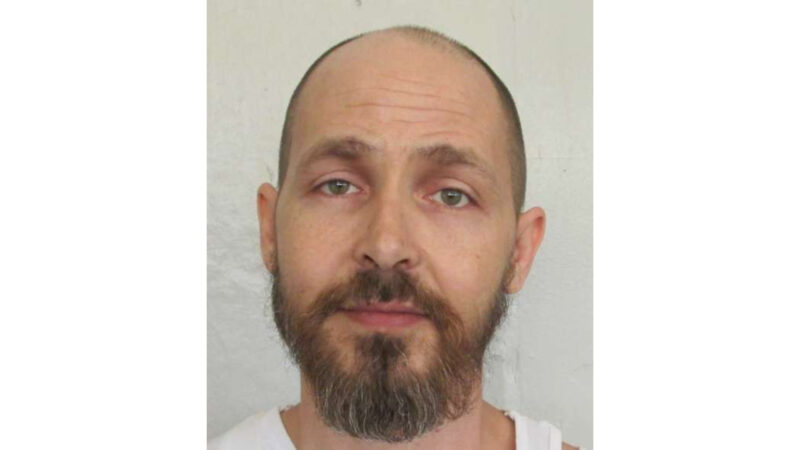
MONTGOMERY, Ala. (AP) — A federal appeals court said Monday it will let the nation’s third execution with nitrogen gas go forward this week in Alabama, rejecting arguments that the new method causes unconstitutional levels of pain.
The 11th U.S. Court of Appeals swiftly affirmed a lower court’s decision to let Carey Dale Grayson’s execution proceed. Grayson, 50, had sought a preliminary injunction to block the execution.
The three-judge panel wrote that evidence “did not show that nitrogen hypoxia creates a substantial risk of conscious suffocation.”
An attorney for Grayson said they plan to appeal to the U.S. Supreme Court.
Grayson, who was convicted of the 1994 killing of Vickie Deblieux, is scheduled to be executed Thursday night. The new execution method involves placing a respirator gas mask over the person’s face to replace breathable air with pure nitrogen gas, causing death by lack of oxygen.
The appellate court decision was issued about five hours after judges heard oral arguments in which lawyers for Grayson and the Alabama attorney general’s office gave contrasting accounts of the state’s first two nitrogen gas executions earlier this year and the risk of unconstitutional pain.
John Palombi, an attorney with the Federal Defenders Program, told the judges that the subject will feel “conscious suffocation” before the nitrogen renders the person unconscious.
“I would submit to the court that being conscious and being suffocated for a period of time constitutes terror,” Palombi said.
One of the judges questioned how the method is any different from the gas chamber, which involves the subject inhaling poisonous gas while conscious. The method hasn’t been used to carry out an execution in the U.S. since 1999, but it is still authorized.
A lawyer for the state urged the court to let the execution go forward, arguing that nitrogen hypoxia causes no physical pain and leads rapidly to unconsciousness.
“Yes, nitrogen hypoxia deprives the condemned inmate of oxygen, but it is not suffocation in the lay sense, like drowning or smothering with a plastic bag or paralyzing the lungs. This is really apples and oranges,” Robert Overing, deputy solicitor general for Alabama, told the panel.
He said Grayson’s lawyers used the term suffocation “to evoke a sense of fear and pain that doesn’t exist with this method.”
One judge on the panel noted that predictions by a state expert that nitrogen gas would render a person unconscious within 10 to 40 seconds was inconsistent with what was observed at the state’s first two nitrogen gas executions. Media witnesses, including The Associated Press, described how the subjects shook on the gurney for two minutes or longer, followed by what appeared to be several minutes of periodic labored breaths with long pauses in between.
About two dozen anti-death penalty protesters outside the Alabama Capitol on Monday focused on the shaking as a sign of distress during the previous executions.
“There is an absolute error in this protocol. It is torturous. It should not be allowed to happen in a civil society,” T.J. Riggs, Amnesty International’s death penalty abolition coordinator for Alabama, said at the demonstration.
Protesters delivered a petition to Gov. Kay Ivey asking her to stay Grayson’s execution.
Inside the courtroom, the state maintained the movements of those who have been put to death were involuntary. Overing said it was difficult to pinpoint exactly when the subject became unconscious. The state has maintained that Kenneth Smith held his breath during his January execution, causing it to take longer than expected.
Grayson was one of four teenagers convicted of killing of Deblieux, 37, in Jefferson County in 1994. Prosecutors said Deblieux was hitchhiking from Tennessee to her mother’s home in Louisiana when the teens offered her a ride. They said the accused took her to a wooded area, attacked her, threw her off a cliff and later mutilated her body.
Grayson is the only one facing a death sentence. Two other teens had their death sentences set aside when the U.S. Supreme Court banned the execution of offenders who were younger than 18 at the time of their crimes. Grayson was 19. Another teen involved in Deblieux’s killing was sentenced to life in prison.

Crew of fatal US military crash included Alabama father recently deployed
The six U.S. service members who died in the crash of a U.S. military refueling aircraft included an Alabama father who had just been promoted and deployed. The U.S. government released the identities of the deceased service members Saturday.
Alabama poised to drastically overhaul utility regulation. Will it lower electric bills?
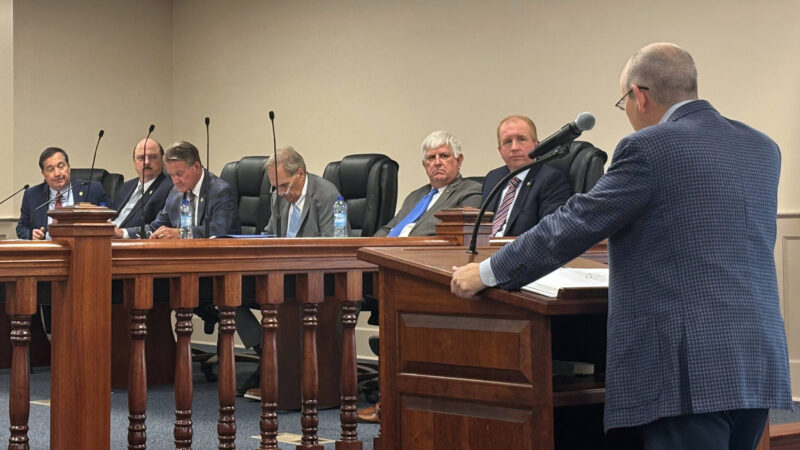
The Alabama Senate unanimously voted to expand the public service commission, and create a Secretary of Energy to address rising electricity prices. A bill in the House would go even further, requiring rate case hearings and limiting utility profits.
Musher from Alabama is going for back-to-back Iditarod wins
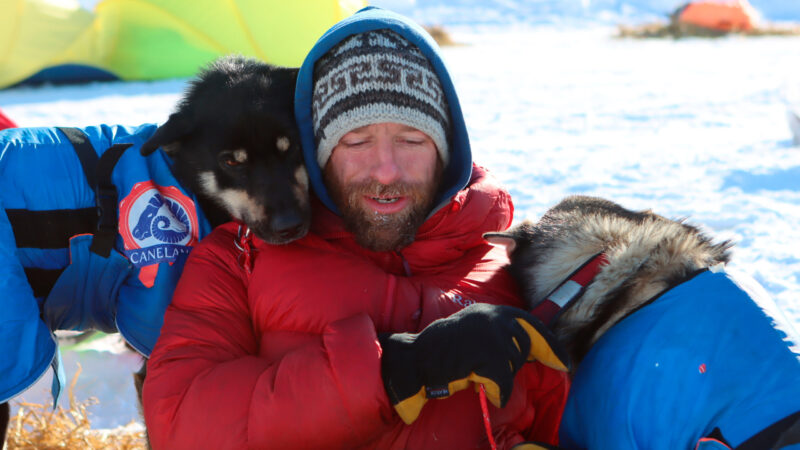
Riches and paid appearances haven’t followed Jessie Holmes since he won the world’s most famous sled dog race, the Iditarod, last year. He doesn't mind.
Bill would move Alabama to closed primaries
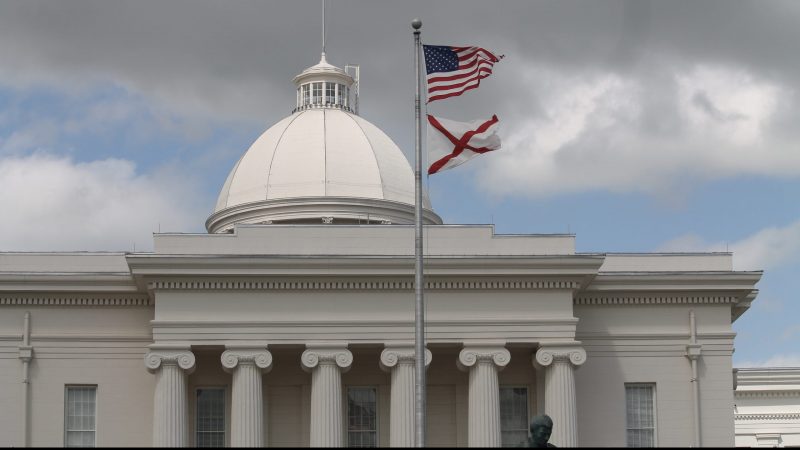
Right now, any Alabama voter can participate in a primary election. Lawmakers in Montgomery took up a bill this week that would change that system.
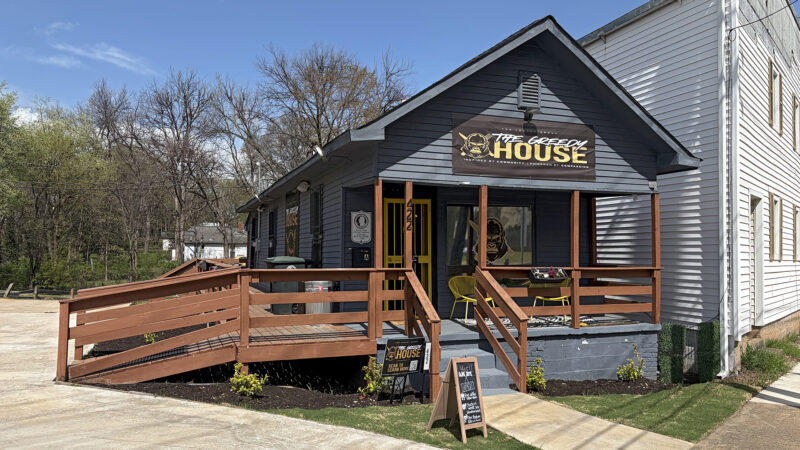
Auburn football player uses NIL funds to open a community hub in Birmingham
Jourdin Crawford, a freshman defensive lineman at Auburn, used earnings from a Name, Image, and Likeness deal to give back to his hometown.
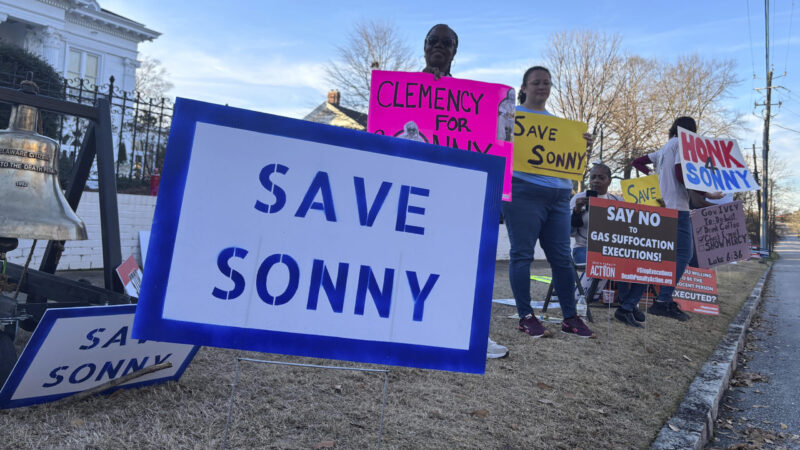
Ivey commutes death sentence of inmate whose accomplice fired fatal shot
Charles “Sonny” Burton was sentenced to death for the killing of Doug Battle during a 1991 robbery. However, another man shot Battle when Burton had left the building.