
Efforts to restore voting rights for people with felony convictions lag in the Gulf South
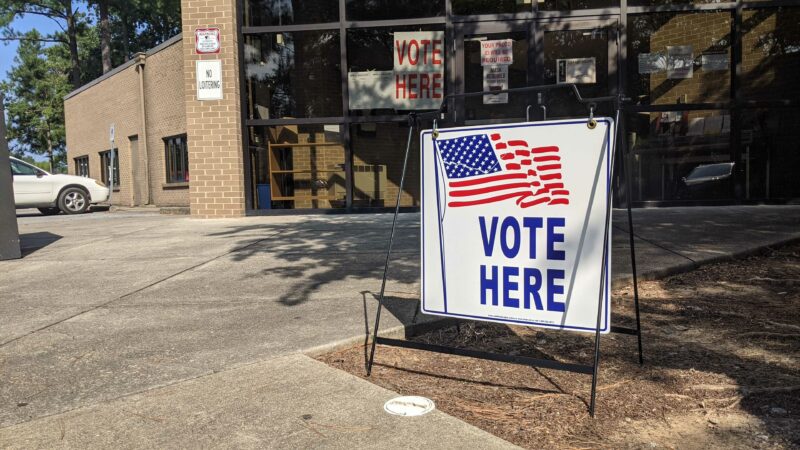
More people with past felony convictions can vote in the Nov. 5 general election than in past election cycles, but millions remain disenfranchised — with more impact in the Gulf South, a new report shows.
The national study from The Sentencing Project research and advocacy group quantifies the unequal toll of state-level voting restrictions for people with criminal histories.
In Alabama and Mississippi, at least one in 20 Black voters can’t cast a ballot because of a felony on their record, according to the estimates.
Most people disenfranchised by these rules aren’t currently incarcerated, but live in their community without the right to vote, said Ryan Larson, one of the report’s authors.
“They’re sending their kids to public education institutions, yet they don’t have a say in how local institutions are run for them,” he said.
In the Southeast, Larson said a combination of strict rules about who can vote and “punitive” justice systems “tend to bloat” disenfranchisement in the region.
Researchers estimated that in Alabama, 5.95% of the state’s voting-eligible population is disenfranchised by felony convictions — or more than 220,000 people.
By their numbers, Mississippi loses more than 3% of its potential voters because they have felonies, while Louisiana has more than 1%.
Almost all states have laws that restrict voting rights due to criminal convictions. Researchers found only Maine and Vermont to be the exceptions.
States variously ban people from voting based on their status of being in prison or on felony-level probation or parole. Several states, including Alabama and Mississippi, have rules that curtail voting after someone has completed their sentence.
Proponents of voting-rights restrictions for people with felony convictions say voting is a privilege and that the people involved haven’t shown respect for the law. Opponents say the restrictions strip people of a fundamental right and are rooted in racism.
The report estimates about 4 million people in the U.S. are barred from the polls by laws pertaining to felonies, a figure that’s dropped by nearly a third since the 2016 election cycle.
Researchers wrote that the decline is due to activity in some states to restore voting rights to people in prison, on probation or parole in recent years, as well as shrinking prison populations.
Nationally, the overall loss of potential voters from felony restrictions remains enough to have some effect on elections, Larson said.
“In certain states — more swing states, where elections are very close in terms of a partisan divide and where disenfranchisement may be higher — it certainly could have an impact,” said Larson, who is a criminology professor at Hamline University.
The report specifically highlights Florida, where its estimates say more than 950,000 people with a record are disenfranchised by felonies, despite attempts to restore voting rights in the state.
Pushes to restore rights for people affected by felony voting restrictions often make news in the Gulf South, as in Mississippi, where both a court decision and proposed legislation tangled with the issue this year.
In Louisiana, changes in the last decade expanded the right to vote for people with old convictions, such as those who have been on parole for more than five years.
Charles Amos, a formerly incarcerated organizer with Voice of the Experienced (or VOTE), says many people like him can register. He works to educate people about their rights.
“When we run across people who say, I’ve been convicted, [I say] so have I. Here’s how you can register to vote,” he said.
He says it can be challenging to convince people to take an interest in elections. Some tell him they think politicians will just do whatever they want, or that their vote doesn’t count.
But Amos describes being insistent on taking part in voting when he was released a couple of years ago after first being convicted in the adult system at 16 — too young to register.
“Before I could even become eligible, I was ineligible, because of a conviction,” he said.
After his release, he said voting made him “really feel a part of society.” He remains serious about political engagement, even running for a local seat with the Democratic party.
He didn’t win his race, but isn’t discouraged.
“I want to show guys who are formerly incarcerated, hey man — the world is ours. We just have to step into it,” he said.
This story was produced by the Gulf States Newsroom, a collaboration between Mississippi Public Broadcasting, WBHM in Alabama, WWNO and WRKF in Louisiana and NPR.

Crew of fatal US military crash included Alabama father recently deployed
The six U.S. service members who died in the crash of a U.S. military refueling aircraft included an Alabama father who had just been promoted and deployed. The U.S. government released the identities of the deceased service members Saturday.
Alabama poised to drastically overhaul utility regulation. Will it lower electric bills?
The Alabama Senate unanimously voted to expand the public service commission, and create a Secretary of Energy to address rising electricity prices. A bill in the House would go even further, requiring rate case hearings and limiting utility profits.
Musher from Alabama is going for back-to-back Iditarod wins
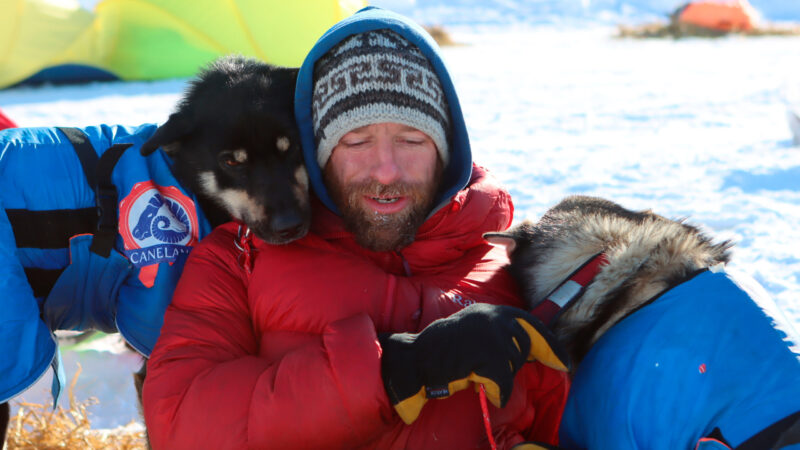
Riches and paid appearances haven’t followed Jessie Holmes since he won the world’s most famous sled dog race, the Iditarod, last year. He doesn't mind.
Bill would move Alabama to closed primaries
Right now, any Alabama voter can participate in a primary election. Lawmakers in Montgomery took up a bill this week that would change that system.
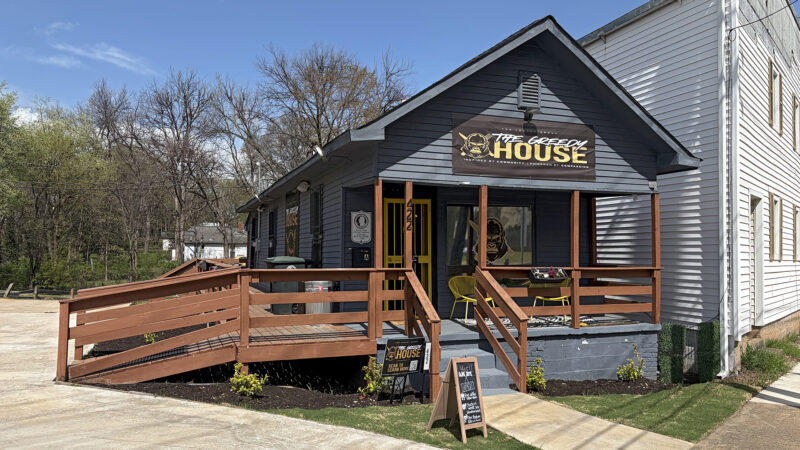
Auburn football player uses NIL funds to open a community hub in Birmingham
Jourdin Crawford, a freshman defensive lineman at Auburn, used earnings from a Name, Image, and Likeness deal to give back to his hometown.
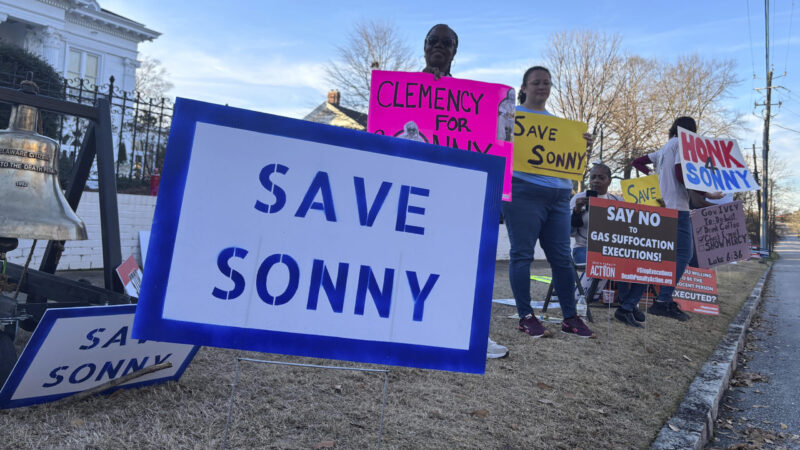
Ivey commutes death sentence of inmate whose accomplice fired fatal shot
Charles “Sonny” Burton was sentenced to death for the killing of Doug Battle during a 1991 robbery. However, another man shot Battle when Burton had left the building.