Deceptive drug tests ensnare new parents and babies
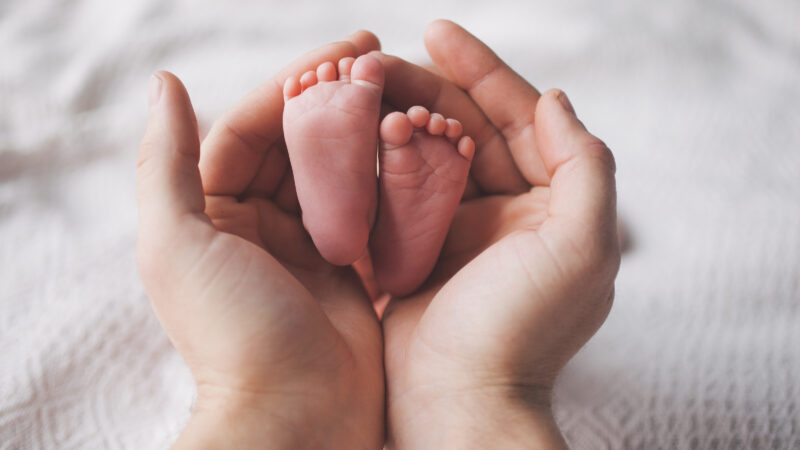
Imagine giving birth and then testing positive for a drug. Except you didn’t take any drugs. Still the state Department of Human Resources opens an investigation based on that erroneous test. This happened to a Huntsville woman and this type of incident is more common than you might think.
That’s the finding of an investigation by Shoshana Walter, a staff writer at the Marshall Project who reported this story in partnership with the public radio program Reveal. She spoke with WBHM’s Andrew Yeager.
The following conversation has been edited and condensed for clarity.
Tell me about Melissa Robinson. This is the woman in Huntsville.
Melissa Robinson is a local librarian in Huntsville who gave birth to her firstborn, her daughter, earlier this year in February 2024. And when she entered the hospital she was drug tested. And that drug test shockingly came back for cocaine.
Melissa is someone who does not use drugs and is very careful about what she puts into her body, especially during her pregnancy. So that was a huge surprise to her and her doctors. And based on this single drug screen of her urine the hospital reported her to the Department of Human Resources and DHR opened an investigation, which was very upsetting to Melissa and her husband.
So do we know what happened, the fact that this came back with a positive test for cocaine. I guess, how could something like that happen?
We don’t know what caused that positive, but what ended up happening is Melissa was reported to DHR. DHR opened an investigation and after the investigation was already opened a confirmation test, a second more definitive test, came back to the hospital. And it was actually negative for cocaine or any illicit substances. So this confirmation test proved that the first test result was erroneous. But despite the fact that that test was negative DHR kept the investigation open. They did a home inspection of Melissa’s house. They requested that her husband also drug test. And it wasn’t until those things were done that that the agency closed the case as unsubstantiated.
But it will remain on Melissa’s record, the fact that a case was opened and it’s really left her with a lot of fear and anxiety over this whole thing.
How common are situations like Melissa’s?
Hospitals routinely drug test women who come in to give birth to see if they’ve used substances during their pregnancies. But many hospitals are using these drug tests with false positive rates as high as 50%. So false positives are extremely common when using these tests. I met women who ate poppyseed bagels and muffins, who took heartburn medication and cold medication, extremely commonly prescribed blood pressure medications, and those all cause false positives for illicit substances on these urine drug screens.
When you talk to hospitals, when you talk to child protective services, what, if any, response did you get from them to this issue of false positive drug tests?
It really runs the gamut because east state has their own laws and policies around this. What I found is that most states are requiring hospitals to take action based on a potential exposure or a positive test. But not a single state requires hospitals to confirm those test results before reporting them to child protective services.
In Alabama, for example, infants who test positive at birth for drugs are considered to be abused or neglected and those infants are required to be reported. There’s no specific requirement related to women. But I also reviewed the rest of the law and the child welfare policies and there’s no requirement that hospitals confirm those test results before reporting them to child protective services. It leads to women who shouldn’t be in the system, families who shouldn’t be in that system, babies who shouldn’t be in that system, it leads to them getting swallowed by the system that can be very difficult to escape.

Crew of fatal US military crash included Alabama father recently deployed
The six U.S. service members who died in the crash of a U.S. military refueling aircraft included an Alabama father who had just been promoted and deployed. The U.S. government released the identities of the deceased service members Saturday.
Alabama poised to drastically overhaul utility regulation. Will it lower electric bills?
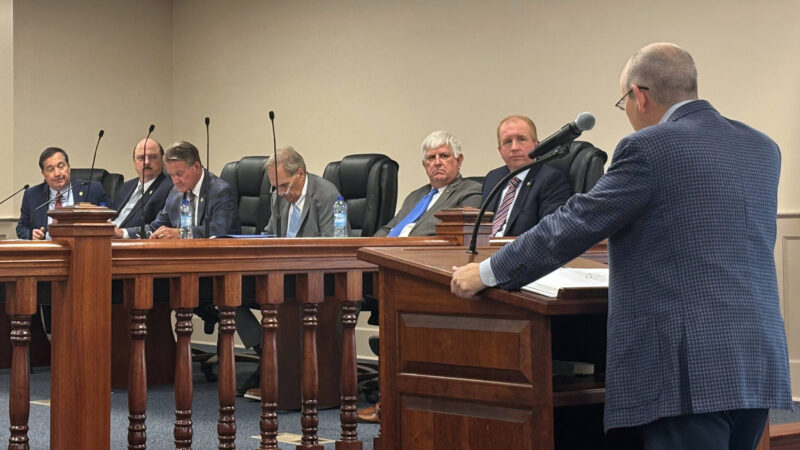
The Alabama Senate unanimously voted to expand the public service commission, and create a Secretary of Energy to address rising electricity prices. A bill in the House would go even further, requiring rate case hearings and limiting utility profits.
Musher from Alabama is going for back-to-back Iditarod wins
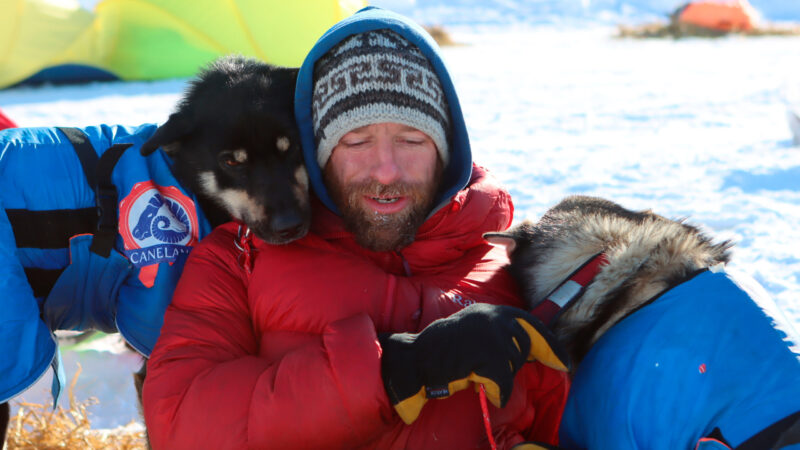
Riches and paid appearances haven’t followed Jessie Holmes since he won the world’s most famous sled dog race, the Iditarod, last year. He doesn't mind.
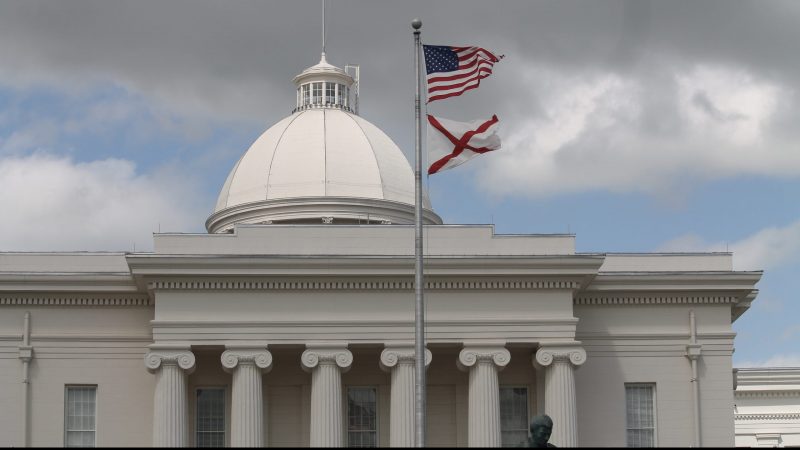
Bill would move Alabama to closed primaries
Right now, any Alabama voter can participate in a primary election. Lawmakers in Montgomery took up a bill this week that would change that system.
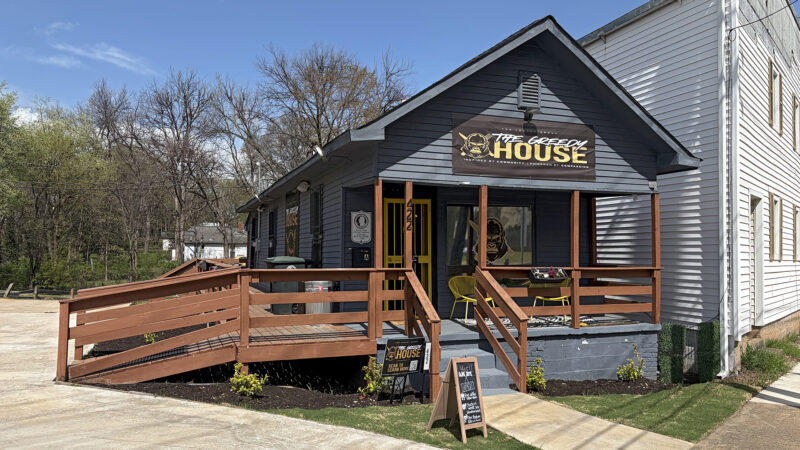
Auburn football player uses NIL funds to open a community hub in Birmingham
Jourdin Crawford, a freshman defensive lineman at Auburn, used earnings from a Name, Image, and Likeness deal to give back to his hometown.
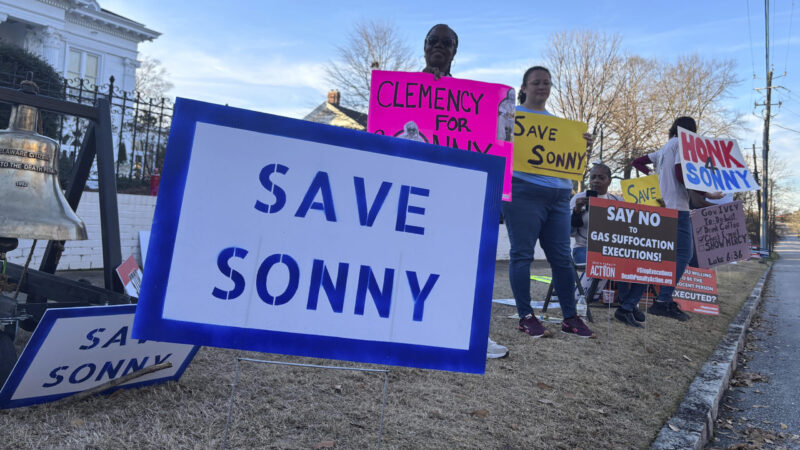
Ivey commutes death sentence of inmate whose accomplice fired fatal shot
Charles “Sonny” Burton was sentenced to death for the killing of Doug Battle during a 1991 robbery. However, another man shot Battle when Burton had left the building.