Deadline approaches for USDA loan discrimination funds for underserved farmers
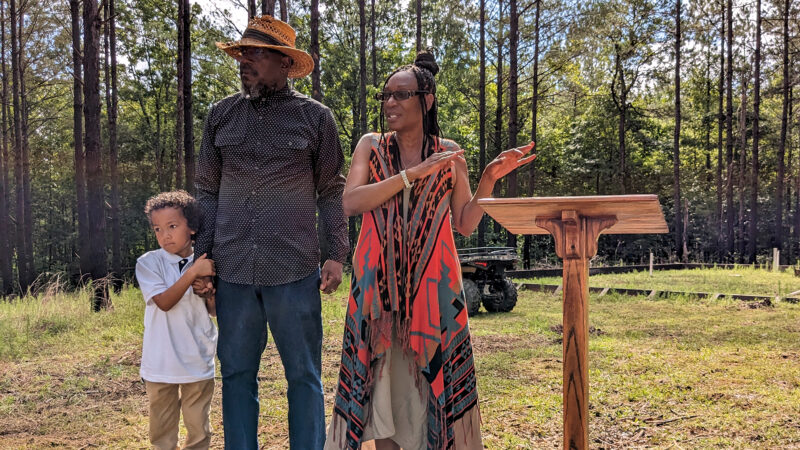
Kevin Springs stands between his wife, Teresa Ervin-Springs, and his grandson at their farm, TKO Farms, on June 19, 2023, in McCool, Mississippi. The couple has broken ground on a future training center on their farm to preserve ancestral Black farming knowledge.
The deadline for financial assistance for farmers who’ve faced discrimination when applying for United States Department of Agriculture (USDA) farm loans comes Saturday, January 13.
Known as the Discrimination Financial Assistance Program (DFAP), $2.2 billion in funding is available as part of the Inflation Reduction Act, a federal law passed in 2022. USDA started accepting applications for the program in July.
Five local offices in Alabama, Mississippi and Louisiana were created to help people apply. The last week of accepting applications has been busy with trying to meet the deadline, said Howard Gunn Jr, an agriculture consultant with Ag-Grow Consultants who’s been hands-on in Mississippi.
“It has been a whirlwind. [There’s] so much need out there, and I know it won’t cover all the needs of the people,” Gunn said.
The program is just one effort to acknowledge decades of discrimination during the loan process for women and minority groups. Black women, in particular, experienced a lot of barriers in getting this kind of funding, Gunn said. This is because they are at the intersection of racial and gender discrimination, according to One Earth, a nonprofit focused on climate action.
Even with this type of historic investment, advocates believe more needs to be done to address the systemic issues Black farmers face when trying to access USDA funds. DFAP is a step in the right direction, Gunn said, but “it can never pay back what was lost when it comes to farmland and the opportunity to farm.”
“On many instances, you look at the economic loss that occurred from the 70s or in the 80s,” Gunn said. “Had I received the funding that I went in requesting, how far would I have been?”
For some, the aid has come too late. Some farmers who deserve the funds have already died. But Gunn said people like him are signing up as many people as they can.
“This is a help. I don’t know if anything else will ever come this way in this fashion, but it’s here, and we are doing our best to put the word out,” Gunn said.
This story was produced by the Gulf States Newsroom, a collaboration between Mississippi Public Broadcasting, WBHM in Alabama, WWNO and WRKF in Louisiana and NPR.
Crew of fatal US military crash included Alabama father recently deployed
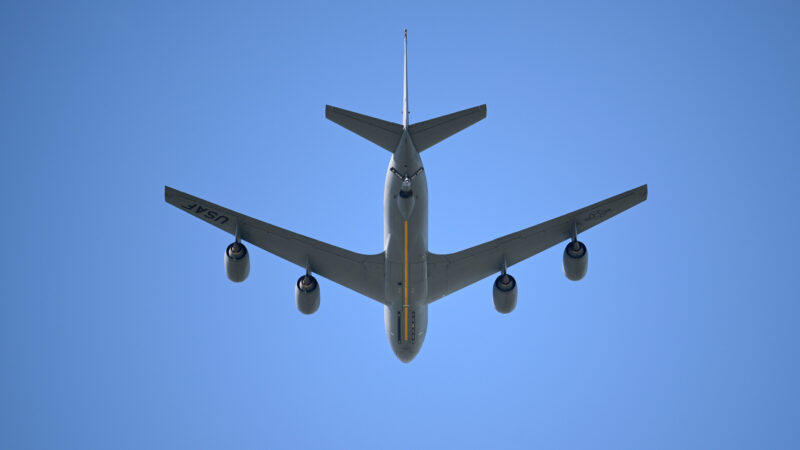
The six U.S. service members who died in the crash of a U.S. military refueling aircraft included an Alabama father who had just been promoted and deployed. The U.S. government released the identities of the deceased service members Saturday.
Alabama poised to drastically overhaul utility regulation. Will it lower electric bills?
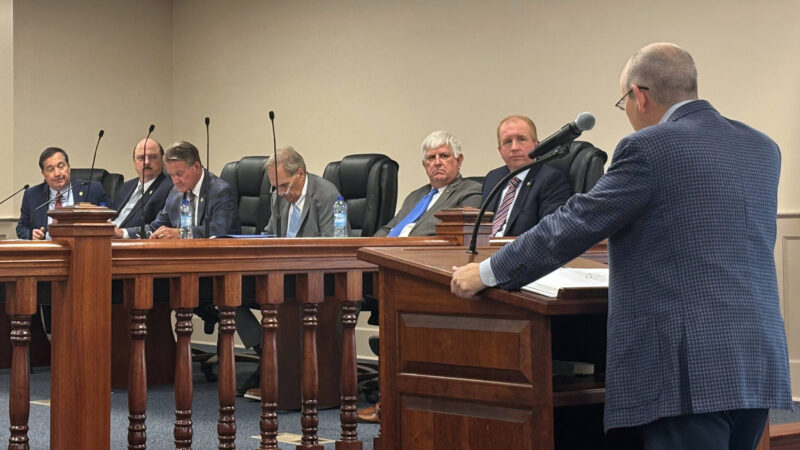
The Alabama Senate unanimously voted to expand the public service commission, and create a Secretary of Energy to address rising electricity prices. A bill in the House would go even further, requiring rate case hearings and limiting utility profits.
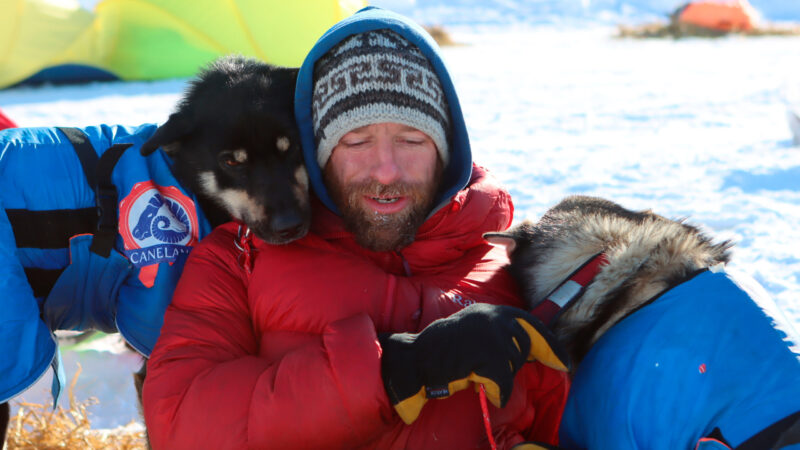
Musher from Alabama is going for back-to-back Iditarod wins
Riches and paid appearances haven’t followed Jessie Holmes since he won the world’s most famous sled dog race, the Iditarod, last year. He doesn't mind.
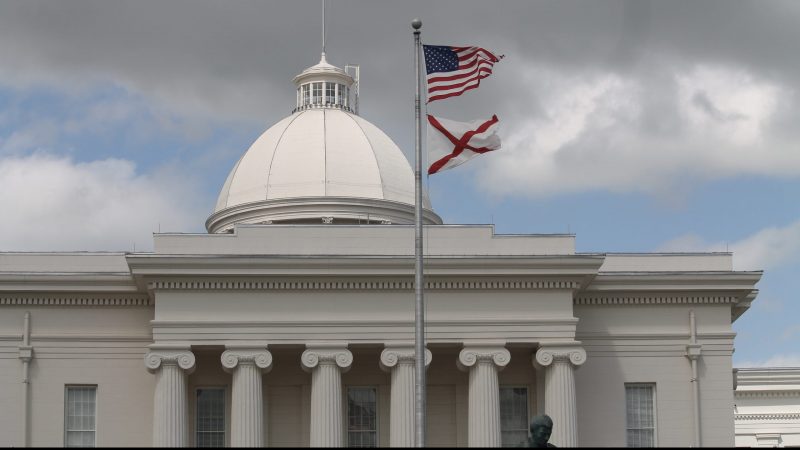
Bill would move Alabama to closed primaries
Right now, any Alabama voter can participate in a primary election. Lawmakers in Montgomery took up a bill this week that would change that system.
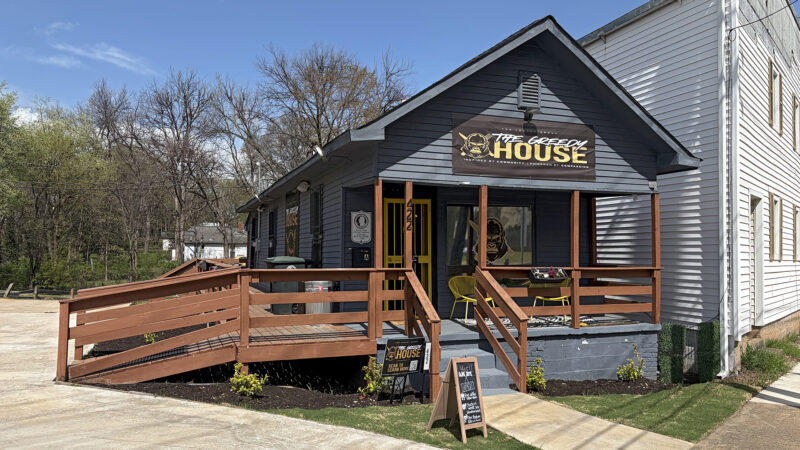
Auburn football player uses NIL funds to open a community hub in Birmingham
Jourdin Crawford, a freshman defensive lineman at Auburn, used earnings from a Name, Image, and Likeness deal to give back to his hometown.
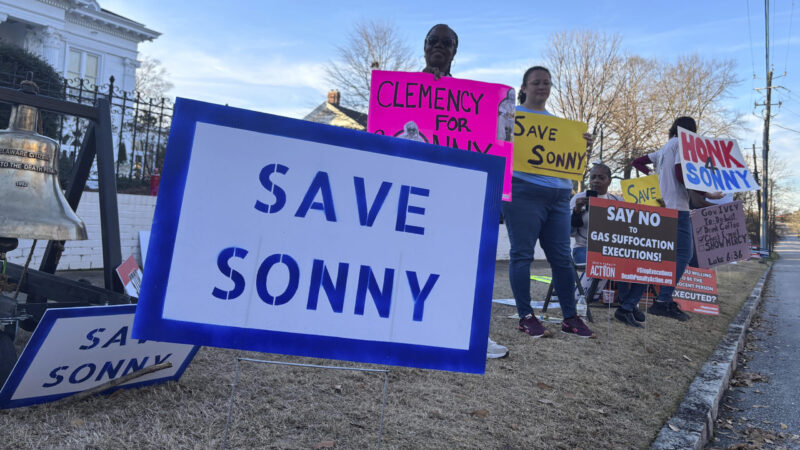
Ivey commutes death sentence of inmate whose accomplice fired fatal shot
Charles “Sonny” Burton was sentenced to death for the killing of Doug Battle during a 1991 robbery. However, another man shot Battle when Burton had left the building.