Alabama to move forward with nitrogen gas execution in September after lawsuit settlement
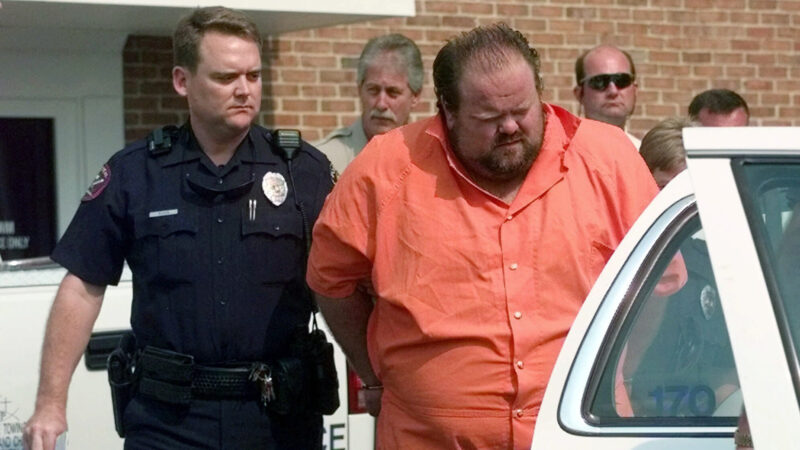
In this file photo, Officials escort Alan Eugene Miller away from the Pelham City Jail in Alabama, Aug. 5, 1999. Miller was the second person executed by nitrogen gas in the U.S. in September.
MONTGOMERY, Ala. (AP) — Alabama’s attorney general said Monday that another nitrogen gas execution will go forward in September after the state reached a settlement agreement with the inmate slated to be the second person put to death with the new method.
Alabama and attorneys for Alan Miller, who was convicted of killing three men, reached a “confidential settlement agreement” to end litigation filed by Miller, according to a court document filed Monday. Miller’s lawsuit cited witness descriptions of the January execution of Kenneth Smith with nitrogen gas as he sought to block the state from using the same protocol on him.
The court records did not disclose the terms of the agreement. Miller had suggested several changes to the state’s nitrogen gas protocol, including the use of medical grade nitrogen, having a trained professional supervise the gas flow and the use of sedative before the execution. Will Califf, a spokesman for Alabama Attorney General Steve Marshall said he could not confirm if the state had agreed to make changes to execution procedures.
“Miller entered into a settlement on favorable terms to protect his constitutional right to be free from cruel and unusual punishments,” Mara E. Klebaner, an attorney representing Miller wrote in an email Monday night.
Marshall described the settlement as a victory for the use of nitrogen gas as an execution method. His office said it will allow Miller’s execution to be carried out in September with nitrogen gas.
“The resolution of this case confirms that Alabama’s nitrogen hypoxia system is reliable and humane,” Marshall said in a statement.
“Miller’s complaint was based on media speculation that Kenneth Smith suffered cruel and unusual punishment in the January 2024 execution, but what the state demonstrated to Miller’s legal team undermined that false narrative. Miller’s execution will go forward as planned in September.”
Marshall’s office had titled a press release announcing the settlement that the attorney general “successfully defends constitutionality” of nitrogen executions. An attorney for Miller disputed Marshall’s assessment.
“No court upheld the constitutionality of the state’s proposed nitrogen hypoxia method of execution in Mr. Miller’s case, thus the state’s claim that it “successfully defend(ed)” that method’s “constitutionality” is incorrect. By definition, a settlement agreement does not involve a ruling on the merits of the underlying claim,” Klebaner wrote in an email.
The settlement was filed a day before a federal judge was scheduled to hold a hearing in Miller’s request to block his upcoming Sept. 26 execution. Klebaner said that by entering into a settlement agreement that the state avoided a public hearing in the case.
Alabama executed Smith in January in the first execution using nitrogen gas. The new execution method uses a respirator mask fitted over the inmate’s face to replace their breathing air with nitrogen gas, causing the person to die from lack of oxygen.
Attorneys for Miller had pointed to witness descriptions of Smith shaking in seizure-like spasms for several minutes during his execution. The attorneys argued that nation’s first nitrogen execution was “disaster” and the state’s protocol did not deliver the quick death that the state promised a federal court that it would.
The state argued that Smith had held his breath which caused the execution to take longer than anticipated.
Miller, a delivery truck driver, was convicted of killing three men — Terry Jarvis, Lee Holdbrooks and Scott Yancy — during back-to-back workplace shootings in 1999.
Alabama had previously attempted to execute Miller by lethal injection. But the state called off the execution after being unable to connect an IV line to the 351-pound inmate. The state and Miller agreed that any other execution attempt would be done with nitrogen gas.
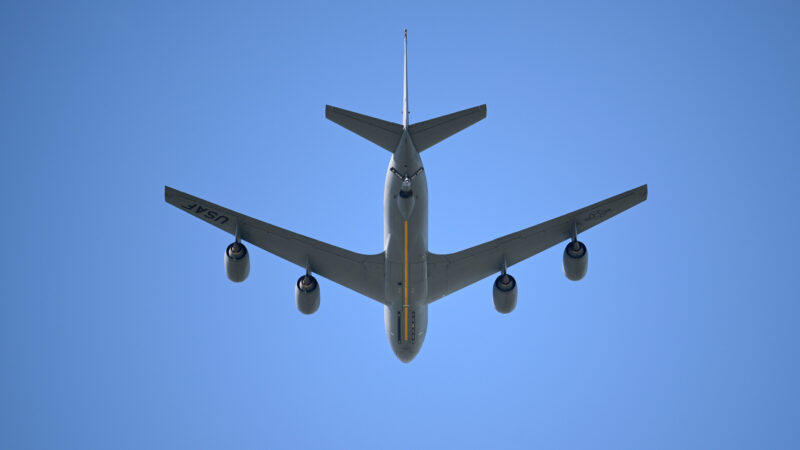
Crew of fatal US military crash included Alabama father recently deployed
The six U.S. service members who died in the crash of a U.S. military refueling aircraft included an Alabama father who had just been promoted and deployed. The U.S. government released the identities of the deceased service members Saturday.
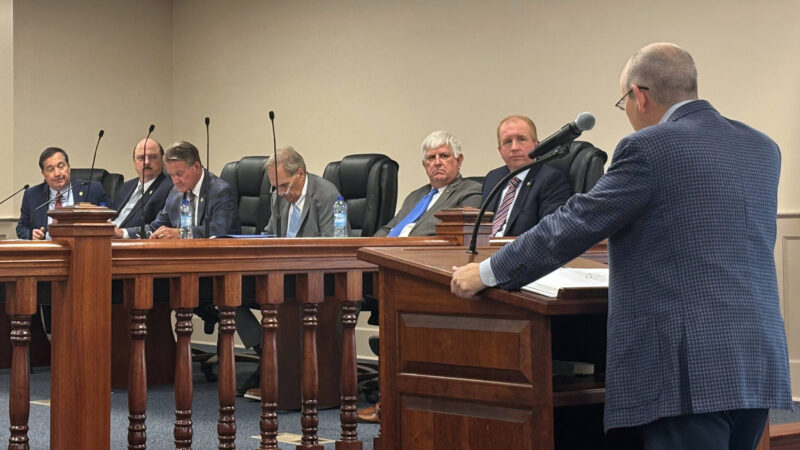
Alabama poised to drastically overhaul utility regulation. Will it lower electric bills?
The Alabama Senate unanimously voted to expand the public service commission, and create a Secretary of Energy to address rising electricity prices. A bill in the House would go even further, requiring rate case hearings and limiting utility profits.

Musher from Alabama is going for back-to-back Iditarod wins
Riches and paid appearances haven’t followed Jessie Holmes since he won the world’s most famous sled dog race, the Iditarod, last year. He doesn't mind.
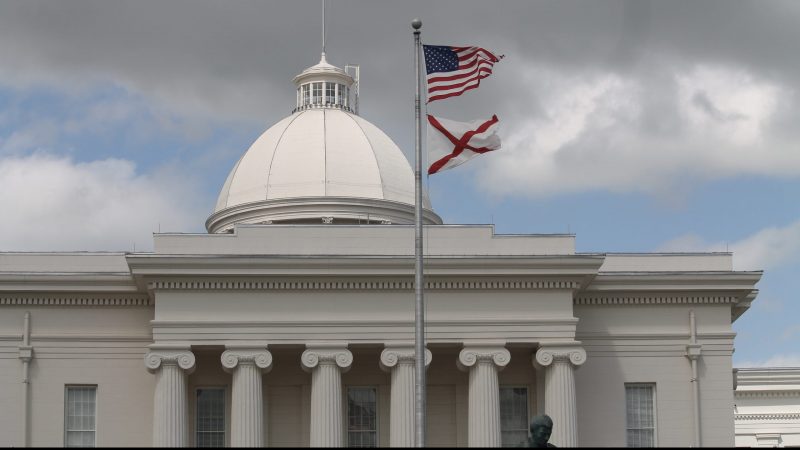
Bill would move Alabama to closed primaries
Right now, any Alabama voter can participate in a primary election. Lawmakers in Montgomery took up a bill this week that would change that system.
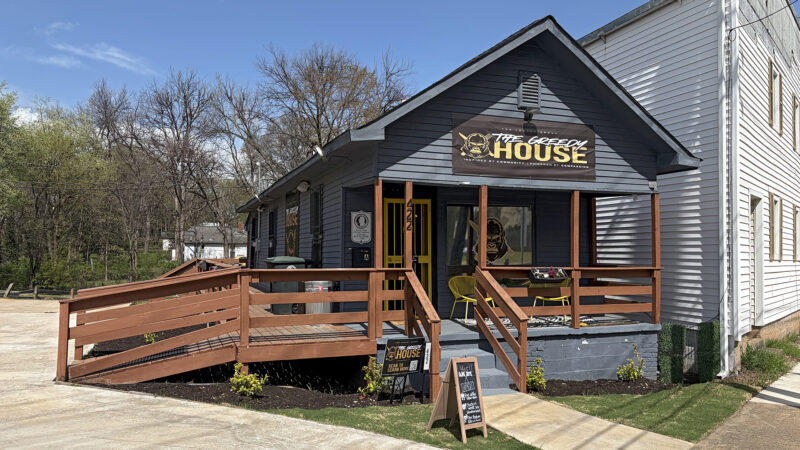
Auburn football player uses NIL funds to open a community hub in Birmingham
Jourdin Crawford, a freshman defensive lineman at Auburn, used earnings from a Name, Image, and Likeness deal to give back to his hometown.
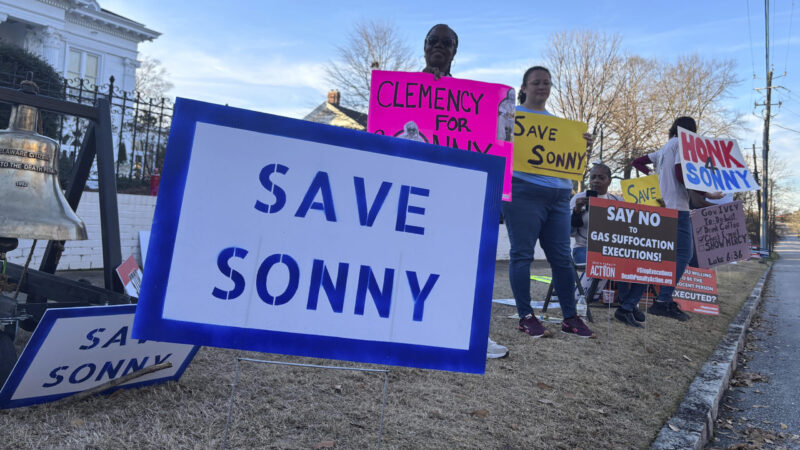
Ivey commutes death sentence of inmate whose accomplice fired fatal shot
Charles “Sonny” Burton was sentenced to death for the killing of Doug Battle during a 1991 robbery. However, another man shot Battle when Burton had left the building.