
Alabama says law cannot block people with certain felony convictions from voting in 2024 election
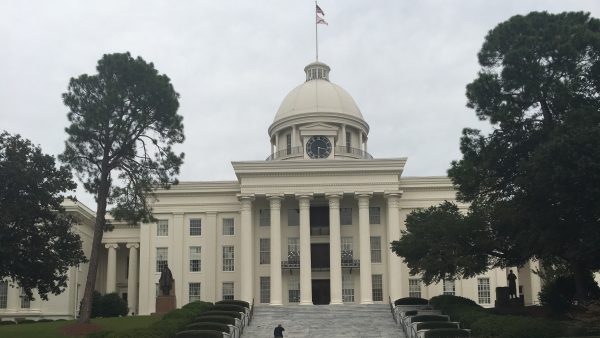
MONTGOMERY, Ala. (AP) — Alabama says a new state law expanding the list of felonies that cause a person to lose their right to vote won’t be enforced until after the November election and asked a judge to dismiss a lawsuit over the effective date.
The Alabama attorney general office wrote in a Friday court filing that the new law, which has a Oct. 1 effective date, cannot be used to block people from voting in the upcoming election, because the Alabama Constitution prohibits new election laws from taking effect within six months of the general election.
“The Plaintiffs ask the court to order that a new law may not be enforced until after the November 5, 2024 General Election. But there is no need for such an order, because the law in question will not be enforced until after the election,” lawyers for the state wrote in the filing responding to the lawsuit.
The Campaign Legal Center had filed the lawsuit last month in Montgomery Circuit Court seeking to clarify that the new law cannot block people from voting in the November election. The center argued that there had been a lack of guidance from the state. Without clarity, they argued, it is setting up a confusing situation for voters and registrars to figure out who can and cannot vote in November.
HB100 adds that a conviction for attempting, soliciting or conspiracy to commit one of the more than 40 crimes that currently cause a person to lose their voting rights, will also be considered a disqualifying crime. The lawsuit was filed on behalf of two men, both convicted of attempted murder years ago, who would lose their right to vote under the expanded list.
The state wrote that the two men are “free to vote” in the upcoming election, but “after that election, however, they will be disqualified and will not be able to vote lawfully unless their voting rights are restored.”
Alabama allows many people convicted of disqualifying felonies to apply to have their voting rights restored if they have completed their sentences, parole and probation and paid all court fines and court-ordered restitution. Some convictions, such as murder, do not allow a person to get their voting rights back.
Alabama Attorney General Steve Marshall similarly sent an Aug. 7 memo to state district attorneys saying the state law should not be enforced until after the election. He wrote that it “will be vigorously enforced in all future elections.”
The Alabama voting ban on people with felony convictions first dates to the Jim Crow-era 1901 Alabama Constitution, which was designed to keep Black people and poor white people from voting. The Constitution said people convicted of felonies of “moral turpitude” shall lose their right to vote but did not define those crimes. After years of debate and litigation, Alabama lawmakers in 2017 approved a list of more than 40 offenses — including murder, robbery, assault, felony theft and drug trafficking — that would bar someone from being able to vote.

Crew of fatal US military crash included Alabama father recently deployed
The six U.S. service members who died in the crash of a U.S. military refueling aircraft included an Alabama father who had just been promoted and deployed. The U.S. government released the identities of the deceased service members Saturday.
Alabama poised to drastically overhaul utility regulation. Will it lower electric bills?
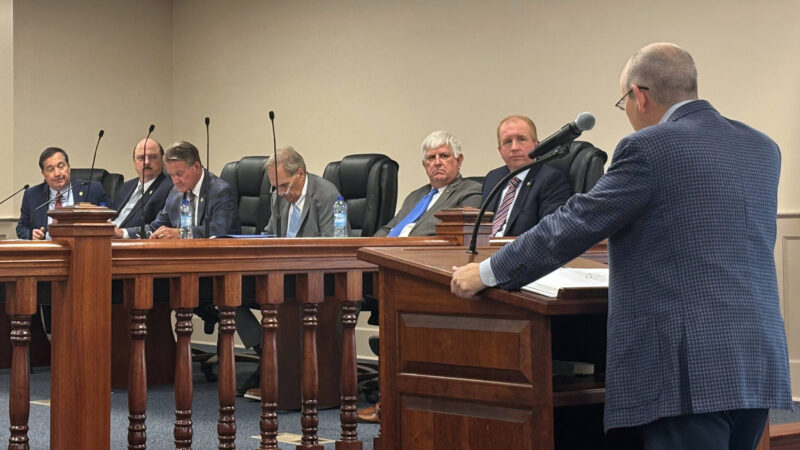
The Alabama Senate unanimously voted to expand the public service commission, and create a Secretary of Energy to address rising electricity prices. A bill in the House would go even further, requiring rate case hearings and limiting utility profits.

Musher from Alabama is going for back-to-back Iditarod wins
Riches and paid appearances haven’t followed Jessie Holmes since he won the world’s most famous sled dog race, the Iditarod, last year. He doesn't mind.
Bill would move Alabama to closed primaries
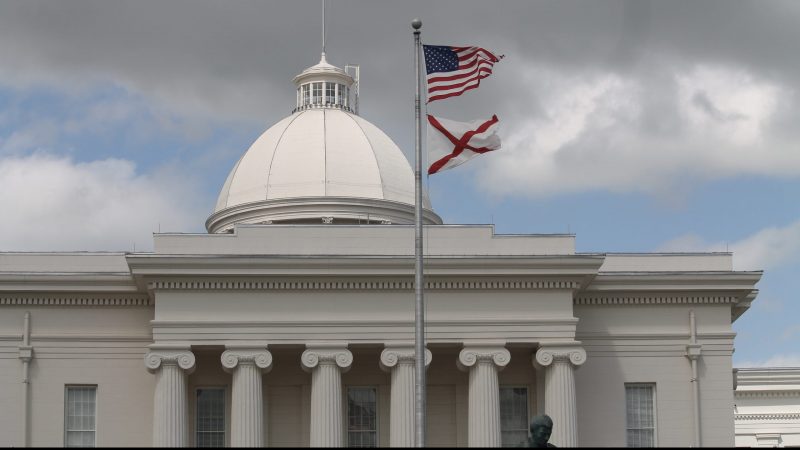
Right now, any Alabama voter can participate in a primary election. Lawmakers in Montgomery took up a bill this week that would change that system.
Auburn football player uses NIL funds to open a community hub in Birmingham
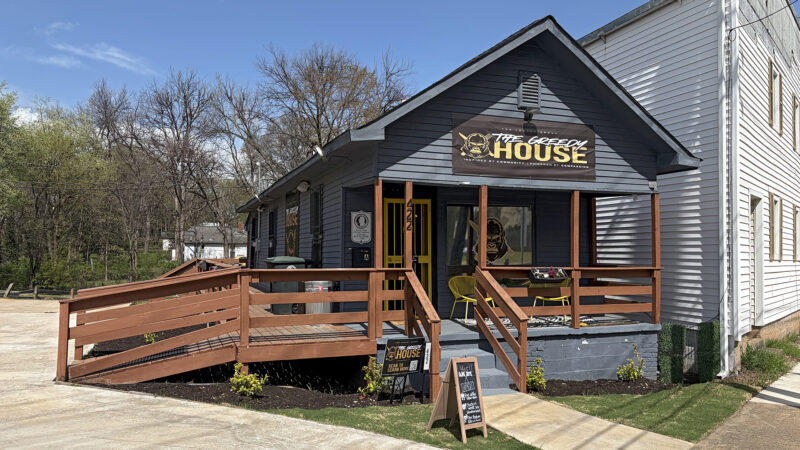
Jourdin Crawford, a freshman defensive lineman at Auburn, used earnings from a Name, Image, and Likeness deal to give back to his hometown.
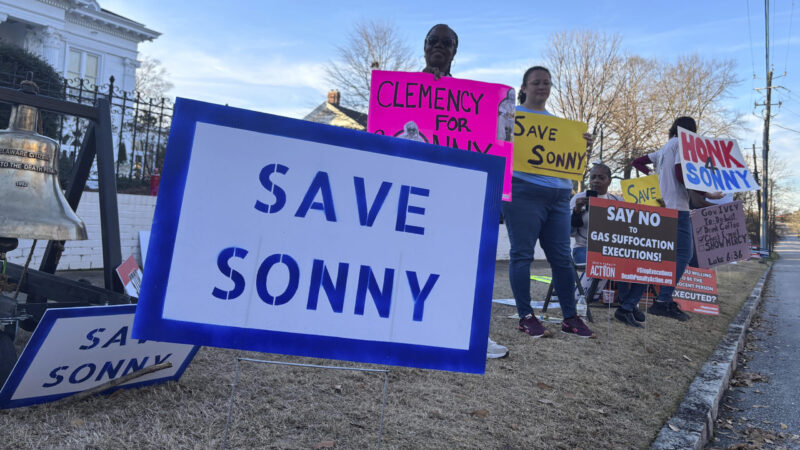
Ivey commutes death sentence of inmate whose accomplice fired fatal shot
Charles “Sonny” Burton was sentenced to death for the killing of Doug Battle during a 1991 robbery. However, another man shot Battle when Burton had left the building.