
A South Asian krewe in New Orleans wants to ‘put the masala in Mardi Gras’
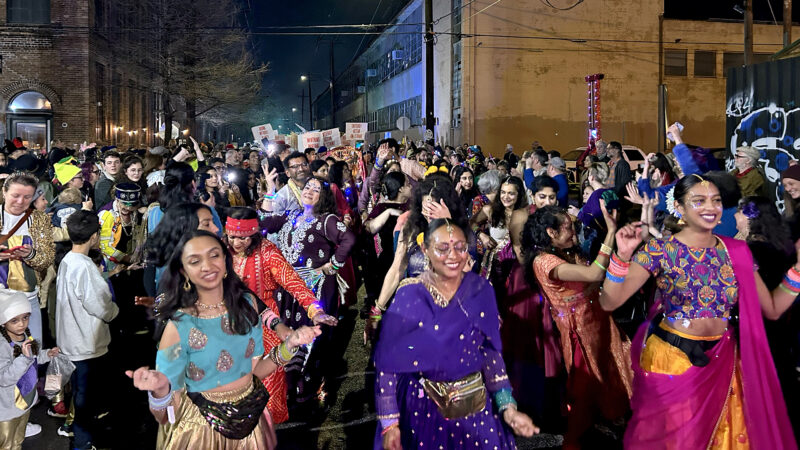
Krewe da Bhan Gras marches in the Krewe Bohéme parade in New Orleans on Friday, Jan. 26, 2024.
It’s a drizzly Wednesday evening outside the Caribbean Cultural Center on St. Claude Avenue, but inside, the building is teeming with life, bright colors and lots of laughter ahead of the final dress rehearsal for Krewe da Bhan Gras’ busy Carnival season.
While the weekslong Carnival celebration in the buildup to Ash Wednesday each year typically conjures up visions of decadent, multi-trailer parade floats, traditional Mardi Gras masks and old-school krewes like the Krewe of Rex and Krewe of Zulu, New Orleans Mardi Gras has become increasingly diverse over the past few years.
The Krewe da Bhan Gras is an example of this. The group, made up of about 50 people from across the South Asian diaspora, debuted last year to much fanfare, performing traditional Indian dances set to modern music in vibrant costumes along the parade route — think Bollywood meets Mardi Gras.
Co-founders Monica Dhand and Anjali Niyogi created the krewe to “put the masala in Mardi Gras,” as their slogan says.
The two doctors came up with the idea for the group while they were part of another group, “Brown and Down,” where they would meet, have dinner and connect with South Asian professionals in the community.
Dhand and Niyogi see Krewe da Bhan Gras as a way to “bring it all together,” and celebrate the group’s heritage alongside New Orleans’ culture.
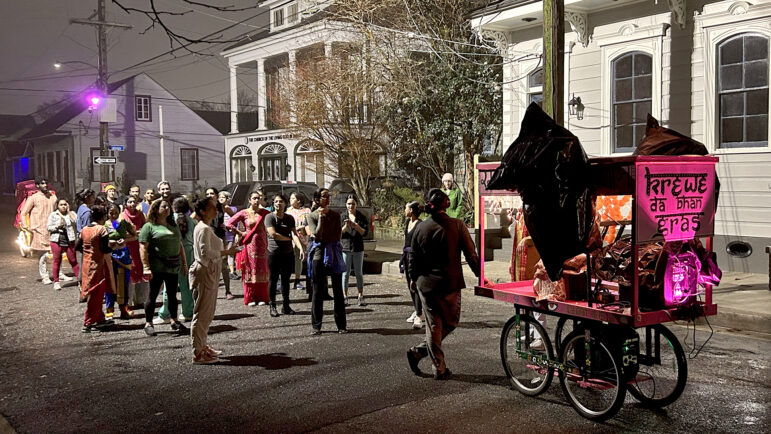
At the cultural center, members spread out across different “stations” sharing costume pieces, decorating a float carrying the group’s sound system to resemble a vegetable cart you might find on the streets of Surat or Delhi and putting on mehndi, a traditional Indian henna tattoo often reserved for special events like weddings.
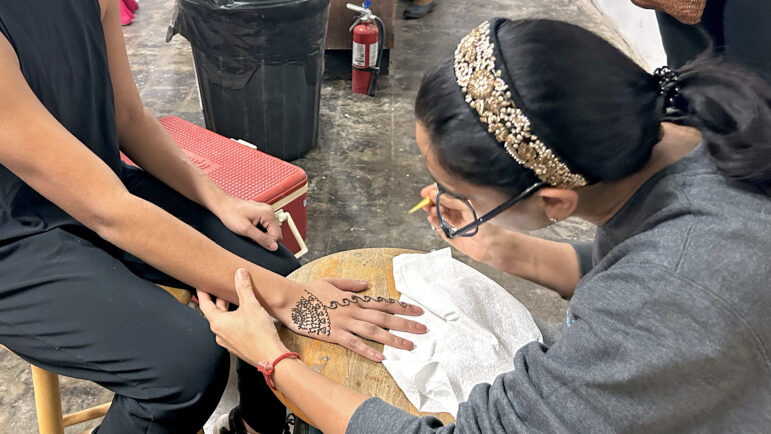
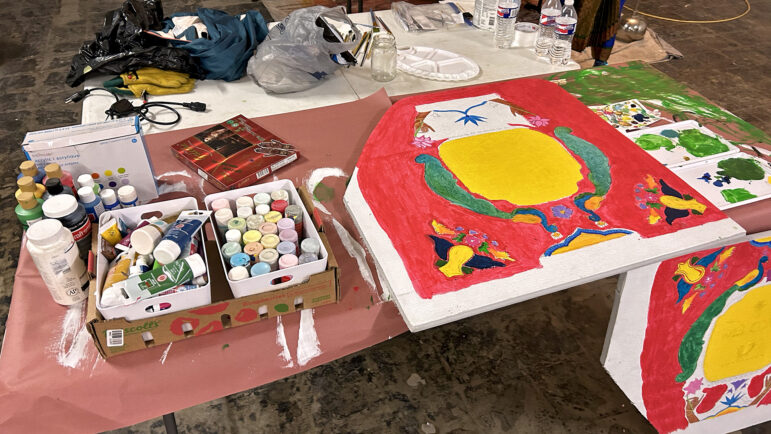
They’re also crafting handmade throws — small gifts that the krewe tosses to parade watchers — before they head outside for one last walk-through of their routine.
Usually, throws are things like doubloons or beads, but krewe co-founder Monica Dhand said the group is putting its own unique spin on the practice.
“We’re giving out things that are traditional and DIY,” Dhand said, “Bindi, these bangles, these cookbooks that we put together, and then also some colonial facts, which everyone needs to know.”
For Dhand, a South Asian Mardi Gras krewe was a “natural fit” for New Orleans Mardi Gras.
Like Mardi Gras, Bollywood has a penchant for being over the top. Bright costumes and set pieces? Check. Loud music, dance numbers and a fervent crowd? You bet.
Even the group’s name “Bhan Gras,” a play on “Bhangra,” a traditional folk dance native to the Punjab region of India, pairs up well.
Once throws are complete, the krewe lines up outside of the center, plastic garbage bags covering the speakers on the vegetable cart to keep them from getting wet from a light mist of rain. With music blaring, they march through the quiet neighborhood, practicing their dance moves — and occasionally dodging traffic.
In between songs, they stop to check how everything looks, correct any mistakes, and make necessary changes to keep their three lines of dancers in sync.
Neighbors, hearing the Bollywood music, come outside to watch, cheer, and dance on their porches. Some haven’t heard of the krewe before, but they’re excited to see them.
For their first appearance last year, Krewe da Bhan Gras marched in the Krewe Bohéme parade, a walking parade that’s led by a green absinthe fairy.
Krewe member Amita Krishnan said they were blown away by the response they received.
“Oh my god, last year, the crowd went wild,” she said. “We loved dancing down the streets in the French Quarter, and the audience loved it too. It was such a beautiful moment for a lot of us.”
Krewe da Bhan Gras was such a hit that this year they were once again invited to march in Krewe Bohéme, plus two of the bigger, more traditional parades in the lead-up to Mardi Gras — Krewe of Muses and Krewe of Iris.
Arthur Hardy, one of the world’s foremost Mardi Gras historians, said that Carnival celebrations have changed a lot since the first parades in the 1800s, but the one constant has been the festivities reflecting the city of New Orleans and all of its people.
“Mardi Gras was the domain of wealthy, white men for most of the (19th) century,” Hardy said. “But eventually, it became diverse, and it did so organically with people saying, ‘Hey, I want to celebrate, too.’”
Over the last 20 years, there’s been an explosion of what Hardy called “alternative, artsy” krewes — like Krewe Bohéme — who often have minimal dues and requirements, making it easier for even more people to join the festivities, or start their own krewe.
“We talk about equity and inclusion and diversity, well Mardi Gras supplies all of that every year,” Hardy said. “[Krewe da Bhan Gras] is an example of that. It’s an example of how Mardi Gras belongs to the people.”
This story was produced by the Gulf States Newsroom, a collaboration between Mississippi Public Broadcasting, WBHM in Alabama, WWNO and WRKF in Louisiana and NPR.

Crew of fatal US military crash included Alabama father recently deployed
The six U.S. service members who died in the crash of a U.S. military refueling aircraft included an Alabama father who had just been promoted and deployed. The U.S. government released the identities of the deceased service members Saturday.
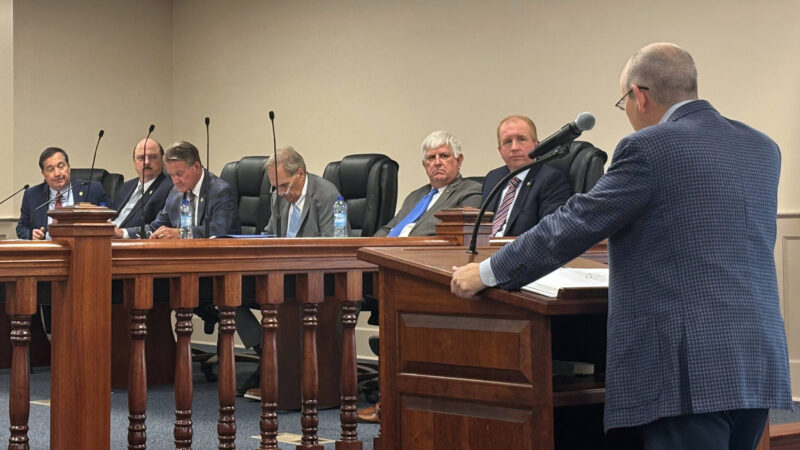
Alabama poised to drastically overhaul utility regulation. Will it lower electric bills?
The Alabama Senate unanimously voted to expand the public service commission, and create a Secretary of Energy to address rising electricity prices. A bill in the House would go even further, requiring rate case hearings and limiting utility profits.
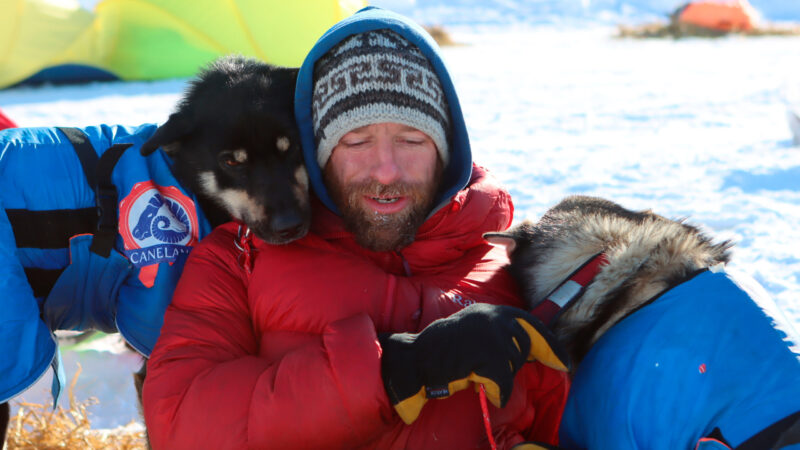
Musher from Alabama is going for back-to-back Iditarod wins
Riches and paid appearances haven’t followed Jessie Holmes since he won the world’s most famous sled dog race, the Iditarod, last year. He doesn't mind.
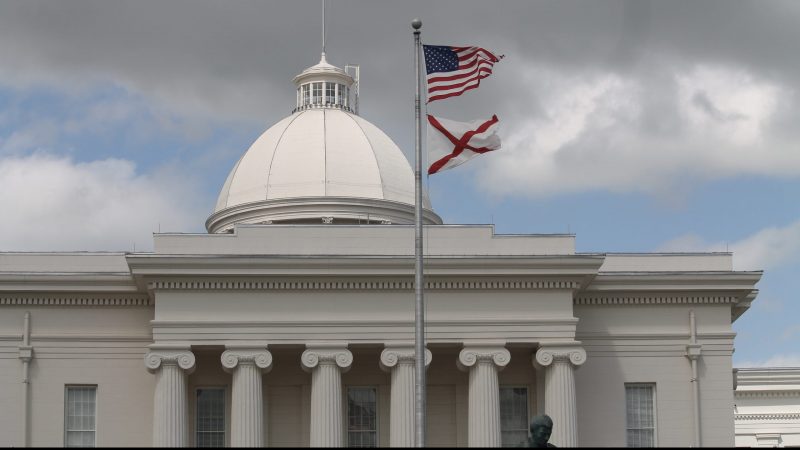
Bill would move Alabama to closed primaries
Right now, any Alabama voter can participate in a primary election. Lawmakers in Montgomery took up a bill this week that would change that system.
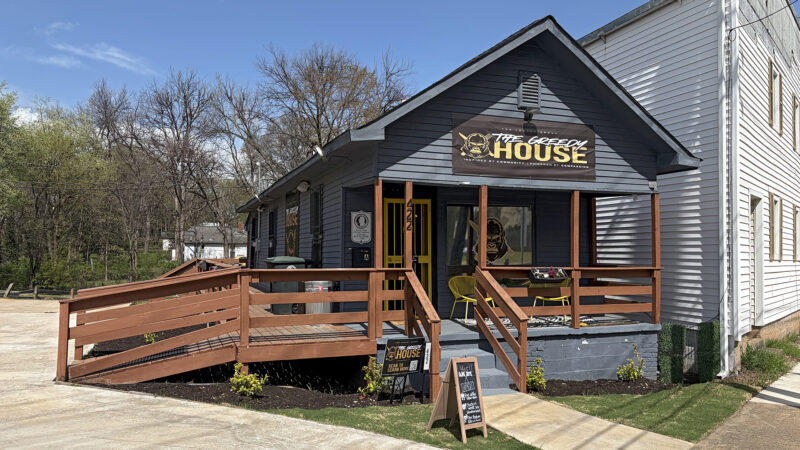
Auburn football player uses NIL funds to open a community hub in Birmingham
Jourdin Crawford, a freshman defensive lineman at Auburn, used earnings from a Name, Image, and Likeness deal to give back to his hometown.
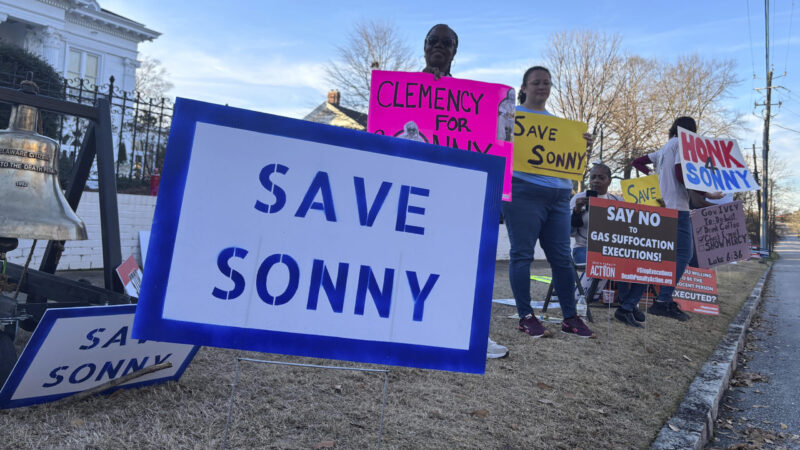
Ivey commutes death sentence of inmate whose accomplice fired fatal shot
Charles “Sonny” Burton was sentenced to death for the killing of Doug Battle during a 1991 robbery. However, another man shot Battle when Burton had left the building.