
11th Circuit allows Alabama to enforce its ban on gender-affirming care for minors

MONTGOMERY, Ala. (AP) — A divided federal appeals court has refused to reconsider a decision allowing Alabama to enforce its ban on treating transgender minors with puberty blockers and hormones.
In a decision released Wednesday night, a majority of judges on the 11th U.S. Court of Appeals declined a request by families with transgender children for the full court to reconsider a three-judge panel’s decision to let the law go into effect.
The Alabama law makes it a felony punishable by up to 10 years in prison to treat people under 19 with puberty blockers or hormones to help affirm their gender identity. The 11th Circuit in January allowed Alabama to begin enforcing the law.
The court has “correctly allowed Alabama to safeguard the physical and psychological well-being of its minors,” U.S. Circuit Judge Barbara Lagoa wrote.
Four of the 11 judges who heard the case dissented.
“The panel opinion is wrong and dangerous. Make no mistake: while the panel opinion continues in force, no modern medical treatment is safe from a state’s misguided decision to outlaw it, almost regardless of the state’s reason,” U.S. Circuit Judge Robin S. Rosenbaum wrote.
Twenty-five states have adopted laws restricting or banning gender-affirming medical care for transgender youth. Some have been blocked by federal courts, while others have been allowed to go into effect. Many await a definitive ruling from the U.S. Supreme Court, which agreed to hear a Tennessee case in its coming term on the constitutionality of state bans on gender-affirming care.
Families with trans children had hoped the 11th Circuit would put the Alabama law back on hold. Their attorneys said the strong dissents, at least, were encouraging.
“Families, not the government, should make medical decisions for children. The evidence presented in the case overwhelmingly showed that the banned treatments provide enormous benefits to the adolescents who need them, and that parents are making responsible decisions for their own children,” their lawyers said in a joint statement.
Alabama Attorney General Steve Marshall said Thursday on social media that the decision “is a big win to protect children” from “life-altering chemical and surgical procedures.”
The Alabama law also bans gender-affirming surgeries for minors. A federal judge had previously allowed that part of the law to take effect after doctors testified that those surgeries are not done on minors in Alabama.
The lawyers for the plaintiffs said they’re not giving up: “We will continue to challenge this harmful measure and to advocate for these young people and their parents. Laws like this have no place in a free country.”

Crew of fatal US military crash included Alabama father recently deployed
The six U.S. service members who died in the crash of a U.S. military refueling aircraft included an Alabama father who had just been promoted and deployed. The U.S. government released the identities of the deceased service members Saturday.
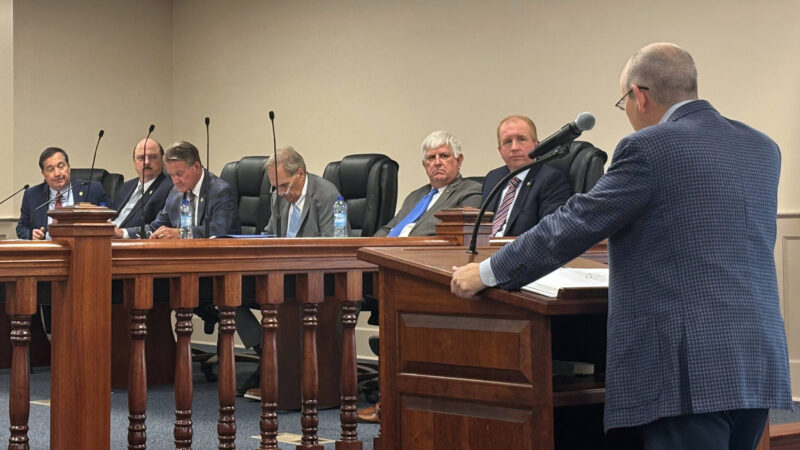
Alabama poised to drastically overhaul utility regulation. Will it lower electric bills?
The Alabama Senate unanimously voted to expand the public service commission, and create a Secretary of Energy to address rising electricity prices. A bill in the House would go even further, requiring rate case hearings and limiting utility profits.

Musher from Alabama is going for back-to-back Iditarod wins
Riches and paid appearances haven’t followed Jessie Holmes since he won the world’s most famous sled dog race, the Iditarod, last year. He doesn't mind.

Bill would move Alabama to closed primaries
Right now, any Alabama voter can participate in a primary election. Lawmakers in Montgomery took up a bill this week that would change that system.
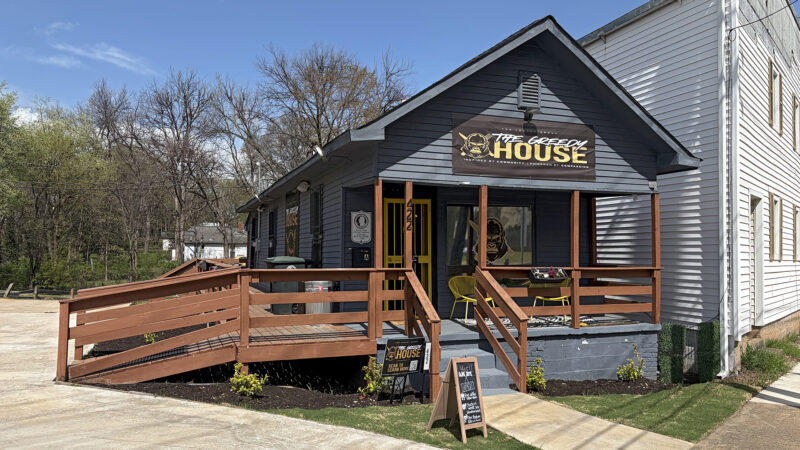
Auburn football player uses NIL funds to open a community hub in Birmingham
Jourdin Crawford, a freshman defensive lineman at Auburn, used earnings from a Name, Image, and Likeness deal to give back to his hometown.
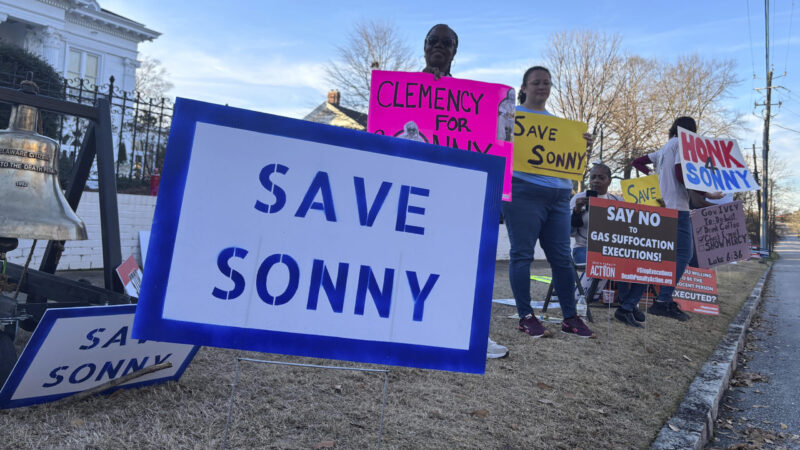
Ivey commutes death sentence of inmate whose accomplice fired fatal shot
Charles “Sonny” Burton was sentenced to death for the killing of Doug Battle during a 1991 robbery. However, another man shot Battle when Burton had left the building.