Ivey calls session on relief funds, proposes tax rebates
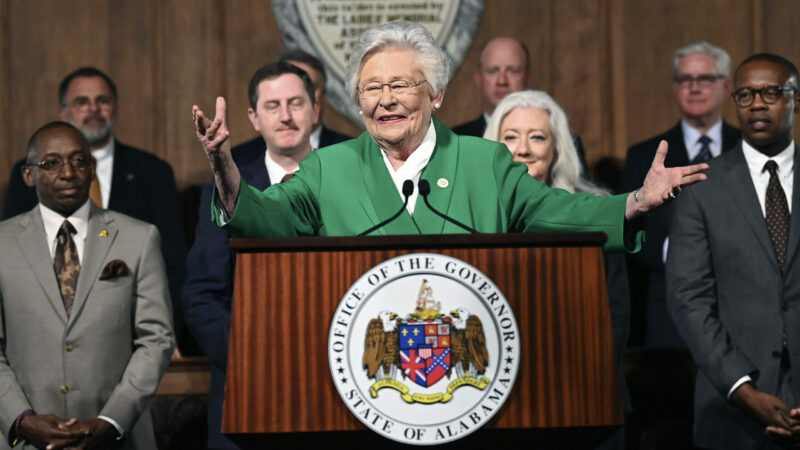
Alabama Gov. Kay Ivey delivers her State of the State address Tuesday, March 7, 2023, in Montgomery, Ala.
MONTGOMERY, Ala. (AP) — Alabama Gov. Kay Ivey on Tuesday used her annual State of the State address to call an anticipated special session on pandemic relief funds and propose one-time tax rebates of up to $400 per taxpayer and $800 for families.
Ivey, who is beginning her final full term in office, addressed lawmakers on the opening night of the 2023 legislative session where key issues include how to use the state’s remaining pandemic relief funds as well as a $2.8 billion education budget surplus. Ivey’s proposal for the budget surplus includes the one-time rebates.
“A paycheck does not go as far as it did two years ago. That’s why I am calling on you to put nearly a billion dollars back into the hands of hardworking, taxpaying Alabamians through one-time rebates,” Ivey told lawmakers. Legislative leaders have already discussed rebates, but Ivey’s proposal is larger than some of the initial proposals.
The governor outlined an agenda for the legislative session that also included 2% pay raises for teachers, seeking to raise starting salaries to be the highest in the Southeast by the end of her term, mandatory kindergarten before starting first grade, and more start-up money for charter schools.
Democratic legislative leaders countered that Ivey could better help working families by removing the state 4% grocery tax on food or expanding Medicaid to cover working poor families.
“They would also like to see the removal of the grocery tax where they’re being hit the hardest right now, being able to survive. These are necessity items that we’re talking about,” Alabama House Minority Leader Anthony Daniels, a Democrat from Huntsville, said.
Lawmakers returned to Montgomery on Tuesday with a focus on how to use the state’s remaining $1 billion from the American Rescue Plan Act — the sweeping $1.9 trillion relief plan approved by Congress to help the country climb out of the coronavirus crisis. Ivey called a special session, which will begin Wednesday, to isolate the issue.
“This is not ‘free money,’ and we must invest these one-time funds wisely. . . . I commit to the people of Alabama we will once again take a smart approach and put it towards major and needed endeavors like expanding broadband access, improving our water and sewer infrastructure and investing in our health care – including telemedicine,” Ivey said.
The American Rescue Plan steered $2.1 billion to Alabama. State lawmakers have so far used the money for water and sewer projects, broadband expansion and healthcare costs. They also steered $400 million to a controversial prison construction plan, brushing off criticism from congressional Democrats that the money was not intended for such projects.
As the governor spoke inside the Alabama Capitol Tuesday night, family members of people who have died in state prisons gathered outside for a candlelight vigil to try to draw attention to what they said is a worsening humanitarian crisis inside state lockups. Holding photos of their deceased loved ones, family members described how they were killed in assaults and by overdoses and accused Ivey and lawmakers of ignoring the problem.
“Governor Ivey can’t build new prisons when she can’t staff the ones she has. Our kids should not be dying,” Martha Lancaster said as she held a photo of her son who was killed last year in a state prison.
Alabama lawmakers quickly passed the previous proposals for the pandemic funds. However, Republican Sen. Greg Albritton of Atmore said more disagreements have emerged over the funds “because it’s the last batch.”
“It has been impossible for us to satisfy everybody. We have been successful at making everyone mad,” Albritton said.
Senate President Pro Tempore Greg Reed, a Republican from Jasper, said he believes lawmakers have a “good starting place” with a planned focus of water and sewer projects, broadband expansion and healthcare needs. He said a personal priority for him is also to establish an avenue for grants for local pandemic-related needs that lawmakers want funded.
Democratic Rep. Sam Jones, who is the former mayor of Mobile, said the state should follow the lead of states that have used the relief funds for affordable housing programs.
The governor’s education agenda also included what she called “meaningful discussions on school choice.”
Ivey said she is seeking start-up funds for more charter schools and improvements to the state charter school law and to the Alabama Accountability Act, which gives tax credits to fund private school scholarships. However, some lawmakers are seeking more sweeping changes. Republican Sen Larry Stutts of Tuscumbia said he plans to introduce legislation to give parents about $6,000 through education savings accounts to pay for private schools, home schooling or other education alternatives.
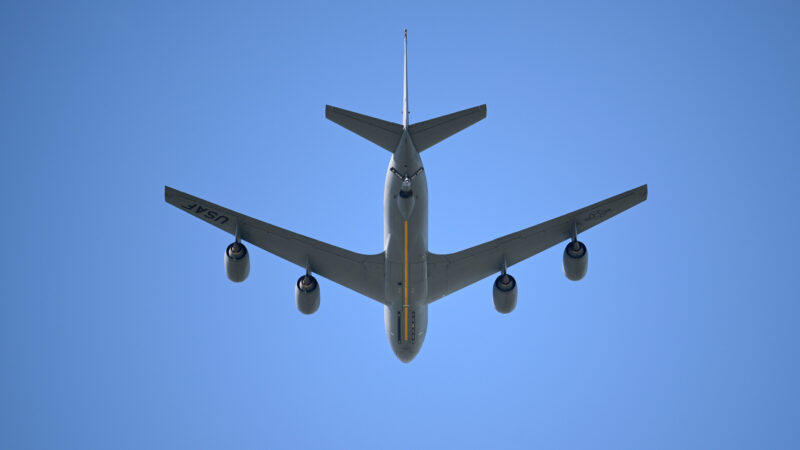
Crew of fatal US military crash included Alabama father recently deployed
The six U.S. service members who died in the crash of a U.S. military refueling aircraft included an Alabama father who had just been promoted and deployed. The U.S. government released the identities of the deceased service members Saturday.
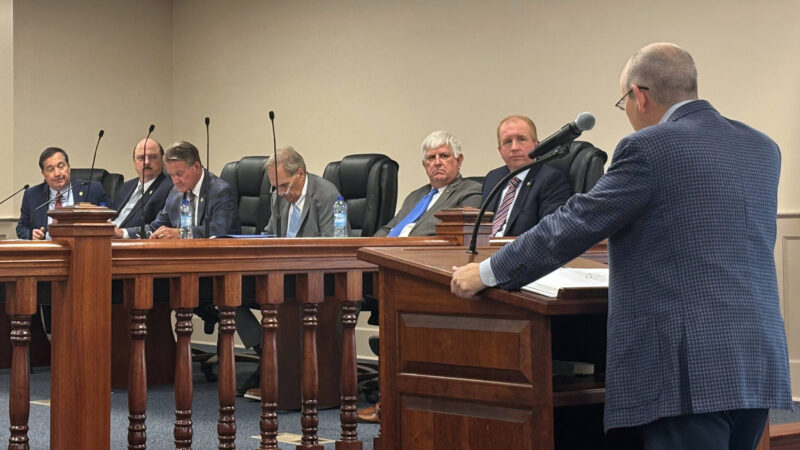
Alabama poised to drastically overhaul utility regulation. Will it lower electric bills?
The Alabama Senate unanimously voted to expand the public service commission, and create a Secretary of Energy to address rising electricity prices. A bill in the House would go even further, requiring rate case hearings and limiting utility profits.

Musher from Alabama is going for back-to-back Iditarod wins
Riches and paid appearances haven’t followed Jessie Holmes since he won the world’s most famous sled dog race, the Iditarod, last year. He doesn't mind.
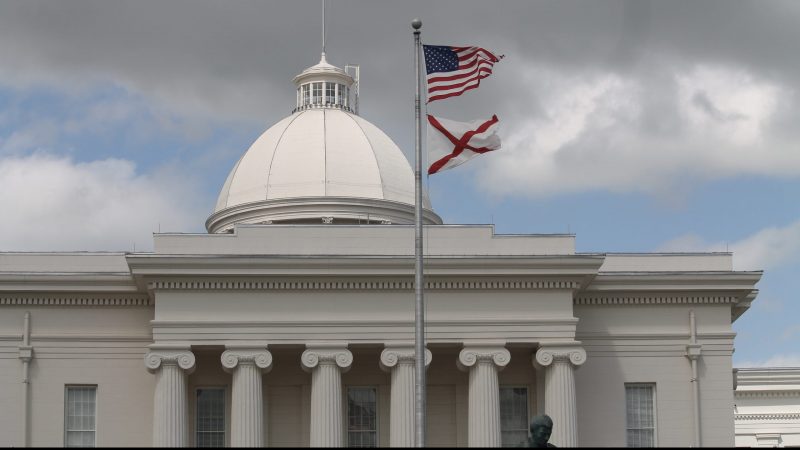
Bill would move Alabama to closed primaries
Right now, any Alabama voter can participate in a primary election. Lawmakers in Montgomery took up a bill this week that would change that system.
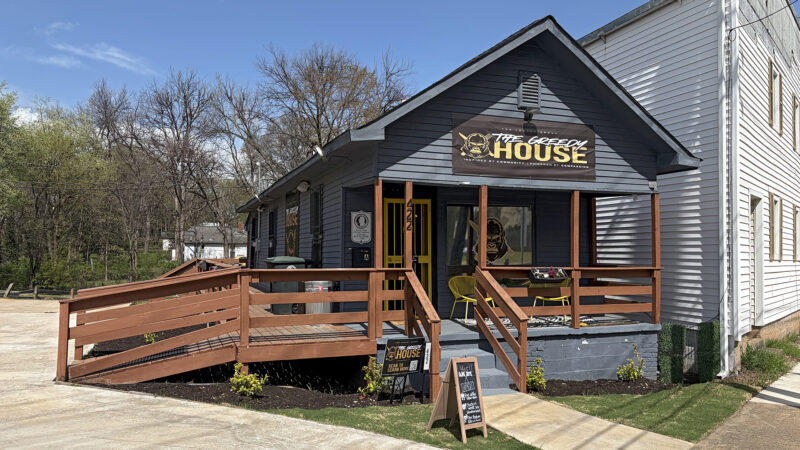
Auburn football player uses NIL funds to open a community hub in Birmingham
Jourdin Crawford, a freshman defensive lineman at Auburn, used earnings from a Name, Image, and Likeness deal to give back to his hometown.
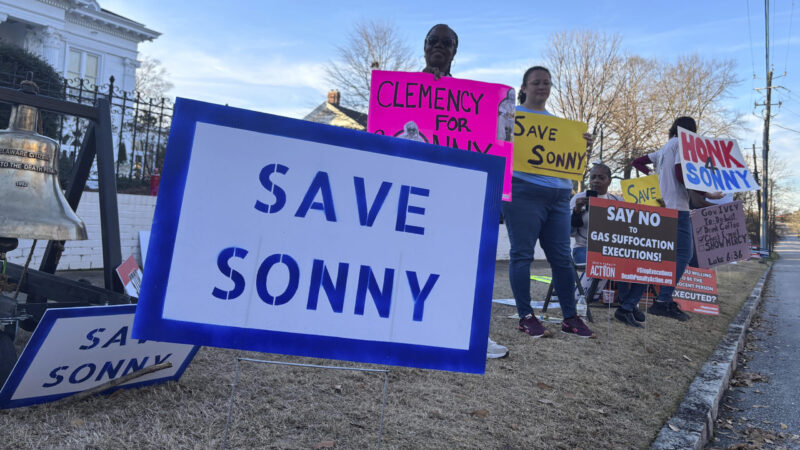
Ivey commutes death sentence of inmate whose accomplice fired fatal shot
Charles “Sonny” Burton was sentenced to death for the killing of Doug Battle during a 1991 robbery. However, another man shot Battle when Burton had left the building.