
How a pianist is using classical music to bridge divides in Alabama
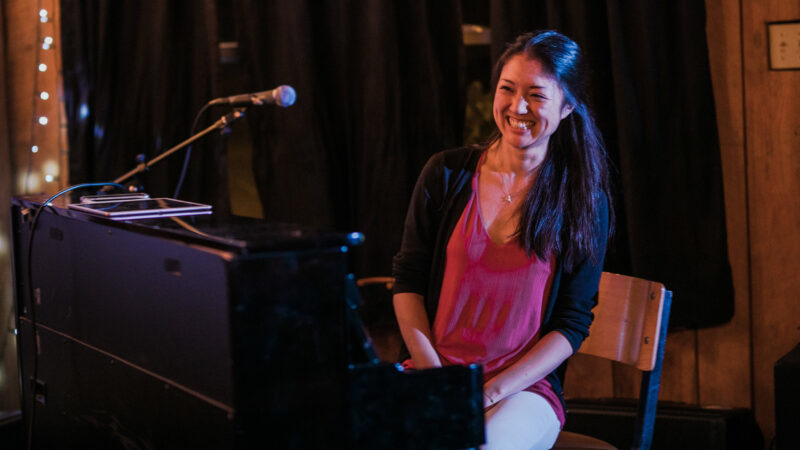
By Kelsey Shelton, Reflect Alabama Fellow
For some people, classical music can be an unapproachable genre. Classically trained concert pianist, Miki Sawada, is aware of the impression classical music can impart on listeners. She has prestigious places on her resume including Yale University and Carnegie Hall.
“It can come with a lot of baggage with who it’s associated with. Traditionally, for example, we play a lot of music by white dead men from Europe. But classical music now, in 2023, is so much more than that,” she said.
The 2016 election sparked a change in her. The country was divided, and that division led her to an unlikely place – a U-Haul rental facility. She loaded an out-of-tune piano onto a van. Then she set out on a tour hoping to connect Americans using classical music.
“I think a lot of people’s reaction was to kind of ‘other’ the other people that were on the other side of the political spectrum or living in ways they weren’t familiar with,” Sawada said.
Sawada embarked on her Gather Hear tour in 2017. She planned to travel across all 50 states, performing classical music concerts for free in community gathering spaces rather than concert halls. She’s played at homeless shelters, churches, parks and nursing homes. She has toured five states so far. Alabama is her sixth. Her intention is to thoroughly explore every state, especially cities that don’t receive as much coverage.
“Instead of pushing people who are different from me away from me, I thought maybe I could use music as a way to truly get to know people in this country all across the socioeconomic and political divide,” she said.
For her shows in Alabama, she wanted to visit communities that are most in need of live music. Many are under-resourced and in rural areas. She also included incarcerated people with a performance at Staton Correctional Facility.
“As I found out in Louisiana, incarceration is a big issue in these states, Louisiana, Alabama. And I understand that so many people end up in prisons potentially for unjust reasons. I didn’t want to exclude that population from my tour because I’m really trying to reach everyone that represents Alabama,” she said.
Many locations where Sawada played are in majority Black communities. With that in mind, her set list features Black composers Florence Price, George Walker and William Grant Still. The pieces are paired with poetry by Alabama poets. She also has arrangements of African-American spirituals.
“Programmatically, I guess this time what feels most pertinent to me is that I’m finishing the whole program with ‘Deep River,’ which is, of course, singing about freedom on the other side of the Jordan River,” Sawada said.
She’s performed the spiritual at varying locations, from Japanese internment camp sites to underfunded Native American reservations. Though the song was written about freedom from slavery, it has remained relevant for a diverse group of people. She said it feels even more relevant now, during the Israel-Hamas conflict.
“Since I started the tour in 2017, the country has changed. I’ve changed as a person and performer. So the content of the show always tries to reflect what’s going on in the moment,” she said. “I definitely think about everything that’s happening currently while I’m on the tour. Because this tour is really like a living, breathing thing.”
That’s because Sawada is documenting the tour through video, blogs and social media. The tour’s website and YouTube channel are dedicated to highlighting the intimate moments she has shared with strangers. One show in Louisiana, ended with a duet of Amazing Grace with an unhoused person. In Marion, Alabama, Performances included young ballerinas.
“The documentation is almost as important as the in-person performance, because I wanted to personally get to understand America,” she said, “but also share what I’ve found to a broader audience that’s national, that’s international and show them: this is what America looks like.”
She hopes the tour will introduce America to a new side of classical music. One that shows the complexity of the genre – from the depth that can be created with one woman and a piano, to the power it has to bring people together during a time of isolation and division.
Click here for more information about Sawada’s Gather Hear tour in Alabama.

Crew of fatal US military crash included Alabama father recently deployed
The six U.S. service members who died in the crash of a U.S. military refueling aircraft included an Alabama father who had just been promoted and deployed. The U.S. government released the identities of the deceased service members Saturday.
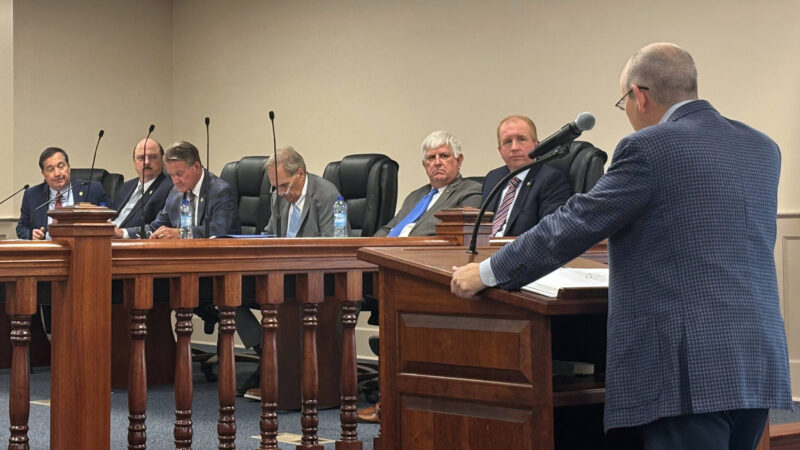
Alabama poised to drastically overhaul utility regulation. Will it lower electric bills?
The Alabama Senate unanimously voted to expand the public service commission, and create a Secretary of Energy to address rising electricity prices. A bill in the House would go even further, requiring rate case hearings and limiting utility profits.

Musher from Alabama is going for back-to-back Iditarod wins
Riches and paid appearances haven’t followed Jessie Holmes since he won the world’s most famous sled dog race, the Iditarod, last year. He doesn't mind.
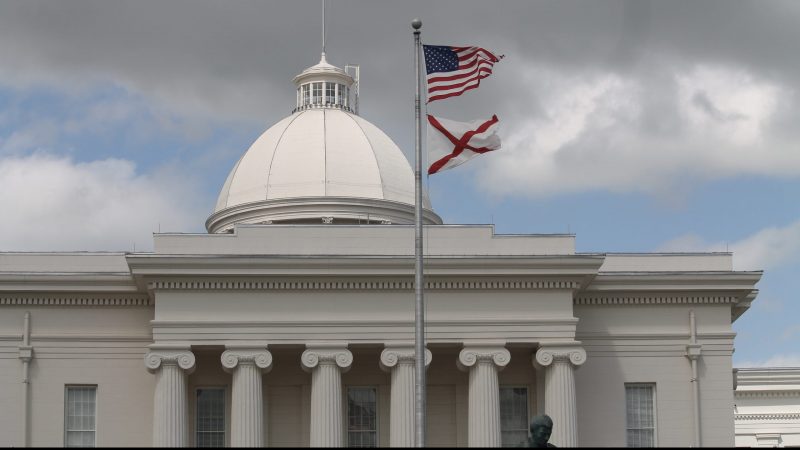
Bill would move Alabama to closed primaries
Right now, any Alabama voter can participate in a primary election. Lawmakers in Montgomery took up a bill this week that would change that system.
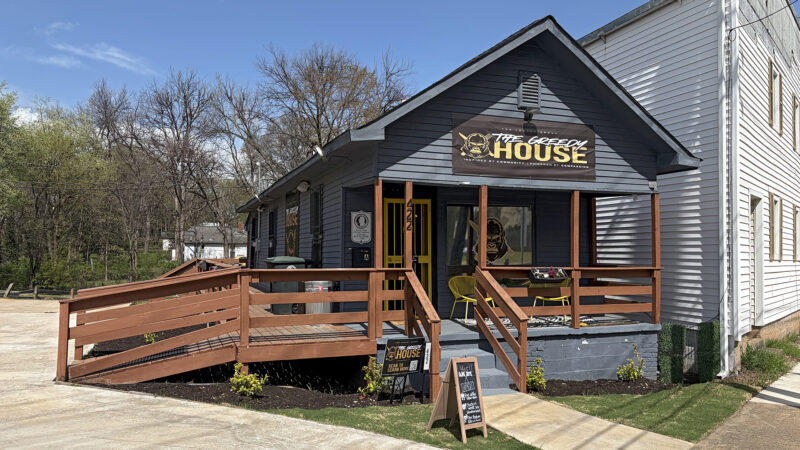
Auburn football player uses NIL funds to open a community hub in Birmingham
Jourdin Crawford, a freshman defensive lineman at Auburn, used earnings from a Name, Image, and Likeness deal to give back to his hometown.
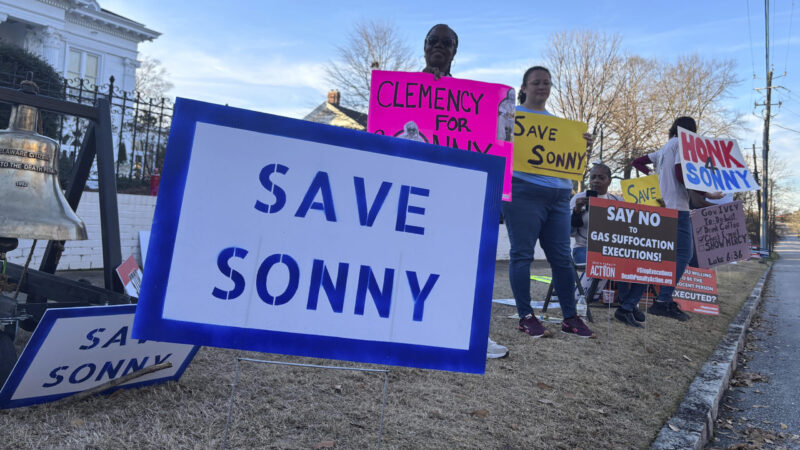
Ivey commutes death sentence of inmate whose accomplice fired fatal shot
Charles “Sonny” Burton was sentenced to death for the killing of Doug Battle during a 1991 robbery. However, another man shot Battle when Burton had left the building.