
As infertility rates rise, data shows much of the US lives in a ‘fertility desert’

A stock image of a pregnant woman holding her stomach.
Infertility rates across the world are on the rise with roughly 1 in 6 people experiencing it, according to a recent report published by the World Health Organization (WHO).
With that increase also comes an increase in people seeking treatment to help them start a family — services like in-vitro fertilization (IVF) — but data show that access to fertility care is out of reach for many in the U.S.
What is infertility?
Infertility is a broad term for a disease that is defined by the male or female reproductive system being unable to achieve pregnancy. In the U.S., about 11% of women and about 9% of men of childbearing age have infertility. In total, up to 15% of heterosexual couples are impacted by it, but the WHO’s data doesn’t account for LGBTQ+ couples or single people who want to have children.
The causes behind the increase are multi-faceted. Research consistently shows that lifestyle factors such as what you eat, how well you sleep, where you live and other behaviors can have a major impact on health and disease — including infertility.
The National Institute of Child Health and Human Development (NICHD) has linked lifestyle factors such as obesity, strenuous physical labor, excessive exercise, substance use, heavy drinking, high blood pressure and others to increasing rates of infertility. NICHD research also shows that exposure to pollution in the environment can affect male and female fertility.
Fertility care deserts
In the U.S., there’s a serious problem with fertility care access. The issue is tied to two factors — cost and location — that feed off of each other.
More often than not, fertility treatment is not covered by public or private insurers, leaving patients paying upwards of $10,000, depending on the service — leaving fertility care out of reach for many.
Traci Keen, the founder of Mate Fertility, a company that helps OB-GYNs build out IVF labs and teaches them to offer other services, said the high cost of fertility care has led to vast “fertility deserts” in the U.S. where people just don’t have geographic access to treatment.
Fertility clinics that provide specialized medical services that help individuals and couples conceive are concentrated in “high net-worth” areas where people are more likely to afford this expensive care. Keen said that as a result, 80% of fertility care clinics in the country are located in metropolitan areas like New York City and San Francisco.
“You don’t have to go more than a little ways to find what we consider to be a fertility desert,” Keen said. “When we look at the rural South and the Gulf States, that only increases. When you look at the different levels of access to care on any front, it’s going to be even more exaggerated when it comes to fertility because of the costs.”
At 42 years old, Keen is the same age as the relatively-new fertility industry — she actually went to college with Elizabeth Carr, the first IVF baby born in the U.S. But since its inception, not much has changed.
“That’s just how the industry was built,” Keen said. “And as the need has increased — because we know that infertility rates are going up, we know that LGBTQ families want to do family building, we know that certain demographics of the population experience infertility at higher rates — those have not been adapted to or accommodated to.”
Significant disparities
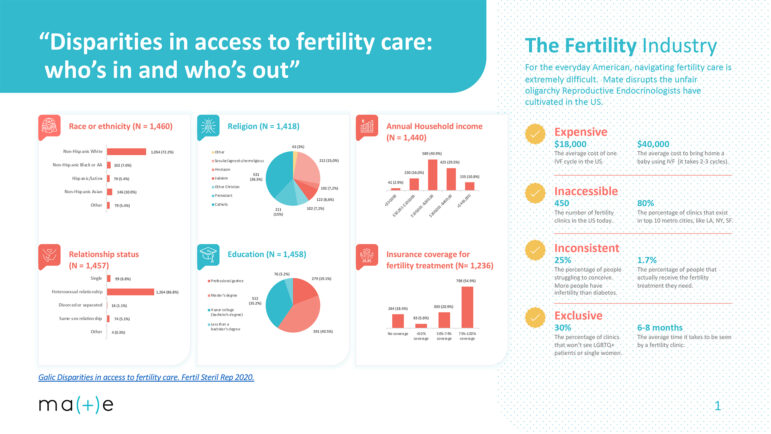
In addition to fertility care deserts, studies also show that there are significant racial and socioeconomic disparities that exist among fertility patients accessing care.
Fewer Black and Hispanic women report ever having used medical services to become pregnant than white women. This is a result of many factors, including lower incomes on average among both demographics.
LGBTQ+ people also often face more difficulties in accessing fertility care, as they often do not meet definitions of “infertility” that would qualify them for covered services. Transgender people undergoing gender-affirming care may also not meet the criteria for “iatrogenic infertility” that would qualify them for covered fertility preservation.
A ‘catastrophic’ lack of doctors
Another driving factor behind the lack of access to fertility care is what Keen calls a “catastrophic” shortage of fertility doctors, known as reproductive endocrinologists (REIs), in the U.S.
This issue stems from the country holding one of the longest training processes in the world for these types of physicians. In order to provide IVF and other infertility treatments, doctors must generally go through four years of medical school, four years of residency, and another three years of fellowship in reproductive endocrinology. The total 11 years of education often deters would-be REIs from specializing in the field.
Because of this, the U.S. only trains about 45 doctors a year to provide infertility services. And as a similar number of REIs retire each year — but demand for IVF continues to increase — the result is that even with private companies like Mate Fertility offering specialized services, there aren’t near enough providers to meet the demand.
“In 2021, we did about 300,000 IVF cycles in the United States,” Keen says. “Just to meet demand, we would have needed to do 3 million.”
This story was produced by the Gulf States Newsroom, a collaboration between Mississippi Public Broadcasting, WBHM in Alabama, WWNO and WRKF in Louisiana and NPR. Support for health equity coverage comes from The Commonwealth Fund.
CORRECTION: This article has been updated to correctly identify the concentration of fertility care clinics in Metropolitan areas. We regret this error.

Crew of fatal US military crash included Alabama father recently deployed
The six U.S. service members who died in the crash of a U.S. military refueling aircraft included an Alabama father who had just been promoted and deployed. The U.S. government released the identities of the deceased service members Saturday.
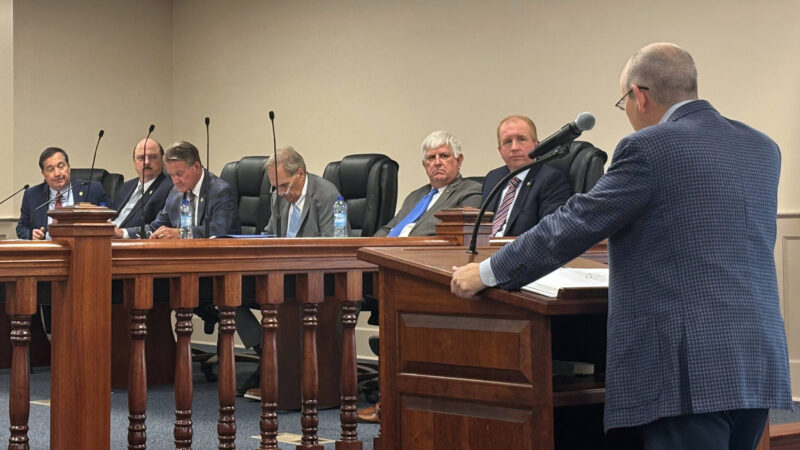
Alabama poised to drastically overhaul utility regulation. Will it lower electric bills?
The Alabama Senate unanimously voted to expand the public service commission, and create a Secretary of Energy to address rising electricity prices. A bill in the House would go even further, requiring rate case hearings and limiting utility profits.
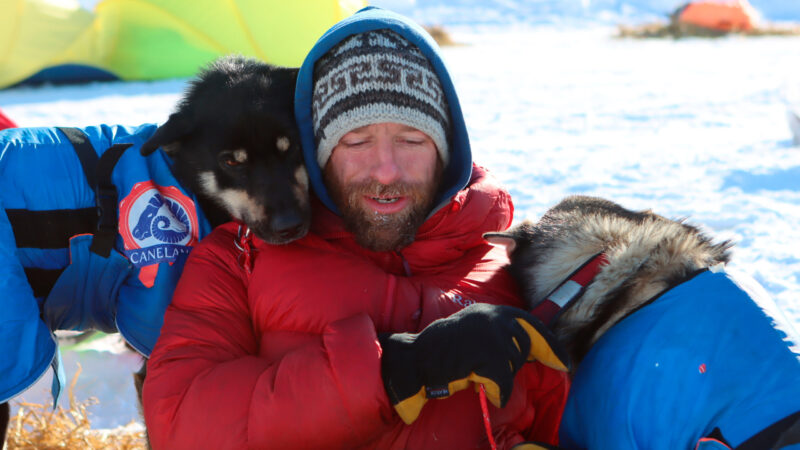
Musher from Alabama is going for back-to-back Iditarod wins
Riches and paid appearances haven’t followed Jessie Holmes since he won the world’s most famous sled dog race, the Iditarod, last year. He doesn't mind.
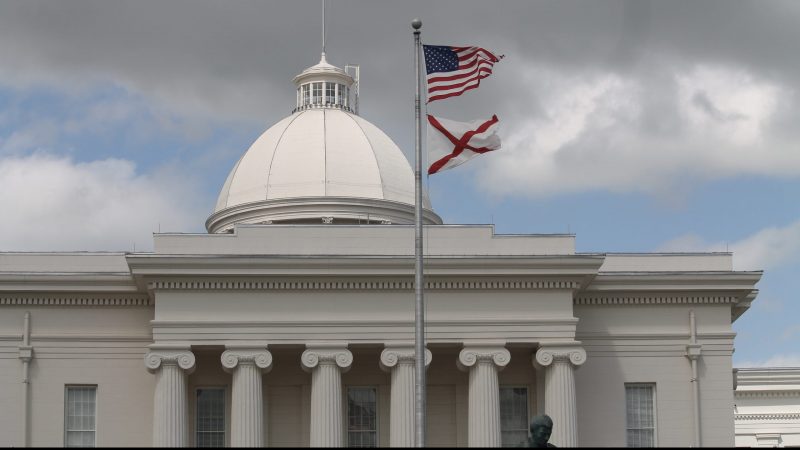
Bill would move Alabama to closed primaries
Right now, any Alabama voter can participate in a primary election. Lawmakers in Montgomery took up a bill this week that would change that system.
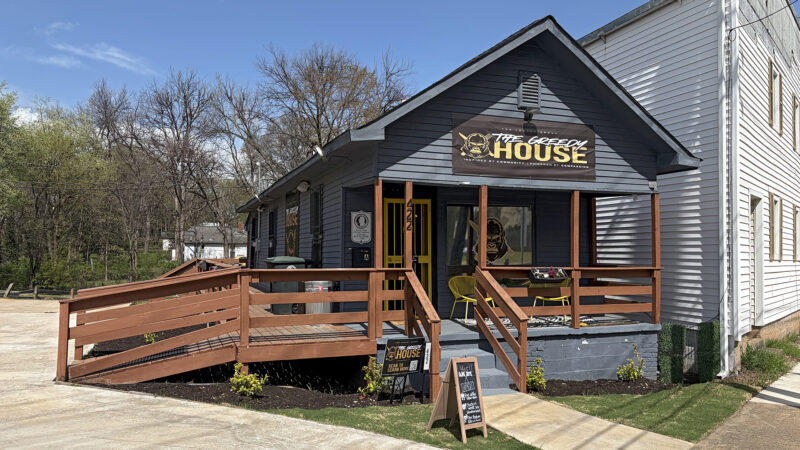
Auburn football player uses NIL funds to open a community hub in Birmingham
Jourdin Crawford, a freshman defensive lineman at Auburn, used earnings from a Name, Image, and Likeness deal to give back to his hometown.
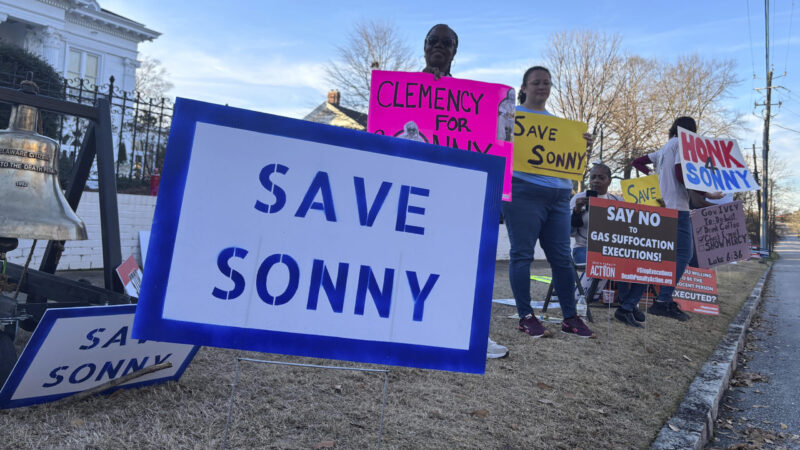
Ivey commutes death sentence of inmate whose accomplice fired fatal shot
Charles “Sonny” Burton was sentenced to death for the killing of Doug Battle during a 1991 robbery. However, another man shot Battle when Burton had left the building.