
Alabama health officer reflects on lessons learned from COVID-19
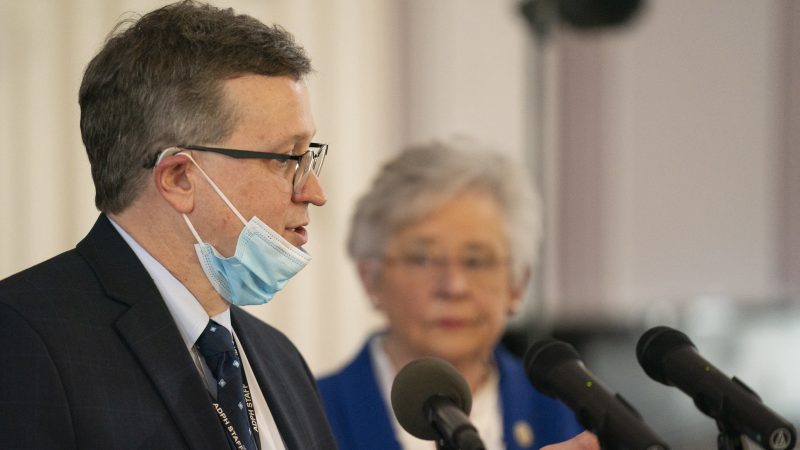
ADPH health officer Dr. Scott Harris provides an update on COVID-19 vaccines during a press conference in January 2021.
Three years ago, Alabamians were beginning to see the impacts of a new respiratory virus sweeping the nation.
“Everybody remembers watching in horror at what was transpiring in Washington State in this skilled nursing facility,” recalled Dr. Scott Harris, state health officer with the Alabama Department of Public Health (ADPH). “We just didn’t know how much we didn’t know.”
Harris made the comments during a monthly meeting of the Alabama Board of Health on Thursday. He discussed lessons learned from the pandemic, and future challenges amid the looming removal of a federal emergency declaration.
Alabama was late to identify its first case of COVID-19, which was announced on March 13, 2020. Harris blamed a lack of testing infrastructure that left some hospitals treating sick patients who likely had COVID-19 but were never diagnosed.
“We had test kits here in our lab, a testing platform, for two or three weeks, just sitting there, but no authorization to use it because of quality problems,” Harris said. “So that really put us behind the eight ball.”
In addition to the slow uptick in testing, Alabama struggled for months with shortages of personal protective equipment (PPE).
“Those days kind of felt like the Wild West,” Harris said. “Every person who had our phone number had PPE to sell us secretly on the corner at night for cash.”
At various points during the pandemic, Alabama’s hospitals were pushed to the brink, treating thousands of COVID patients amid severe staffing shortages. Harris said the health system “bent but didn’t break.”
He said the pandemic exacerbated existing health inequities across Alabama and reversed a centuries-long population trend.
“We’ve never before in the history of our state had more deaths than births in a given year. That’s never happened, until 2020,” Harris said.
In 2020, there were roughly 7,000 more deaths than births in Alabama. The number increased to 10,000 in 2021. In 2022, Harris estimates a difference of about 4,000 more deaths than births, though numbers are not yet finalized.
Looking ahead, Harris said it’s not clear how the pandemic will continue to evolve, but “things are OK” right now. The latest data show roughly 380 people are hospitalized with COVID-19, though not all patients were admitted due to complications from the virus. Harris also said health care providers continue to research and treat many people with long COVID.
Harris said he is worried about the end of the federal Public Health Emergency order, set to expire May 11.
“There’s not going to be additional federal money to buy all these things that have been free to the public so far,” Harris said.
He said the state expects to exhaust its supply of free COVID-19 vaccines sometime this summer, and will run out of antigen test kits even sooner. Those public health tools, along with commonly prescribed COVID-19 medications, like Paxlovid, could soon be marketed at high prices to the public.
“So that takes us back to the same health disparity that we see all the time,” Harris said. “People who have access to care are going to have access to care. And people who don’t have access to care are going to have to rely on the safety net that we have and it’s incomplete.”
Harris said it will be harder to keep track of COVID cases once the federal emergency order lifts. He said the state is already undercounting cases, with many people testing at home.
The state continues to experience numerous ripple effects from the pandemic, including delayed health screenings, and a decline in childhood vaccination rates.
“We will have more outbreaks of vaccine preventable illness, no question,” Harris said.
The pandemic also took a toll on public health officials, who faced harassment amid widespread misinformation and political finger pointing. The divisions were especially evident as debates erupted over requirements to wear face masks, and later as health officials worked to vaccinate residents against the virus.
Alabama has consistently reported one of the lowest vaccination rates in the nation. Harris said health officials tried various approaches, but never figured out how to reach some residents, particularly young white males in rural parts of the state.
“We have learned over the past three years that we just don’t have credibility with everyone,” Harris said. “It’s a time in our country right now where there’s a lot of mistrust. There’s a lot of division. People don’t want to hear from experts. They want to hear from people in their own tribe they agree with. And that’s really a lot of noise for us to try to get through.”
ADPH has partnered with several groups to assess the state’s response to COVID-19. Harris said they are working with lawmakers to enact legislative changes to speed up government processes moving forward. And they are brainstorming ways to improve data sharing across agencies, assist health care facilities with staffing shortages and prevent supply chain shortages.
Given the partisan challenges faced by ADPH officials during the pandemic, Harris said the agency could also see changes to its decision-making authority in the future.
“Maybe the place of public health is that we just advise, that we don’t decide,” he said.

Crew of fatal US military crash included Alabama father recently deployed
The six U.S. service members who died in the crash of a U.S. military refueling aircraft included an Alabama father who had just been promoted and deployed. The U.S. government released the identities of the deceased service members Saturday.
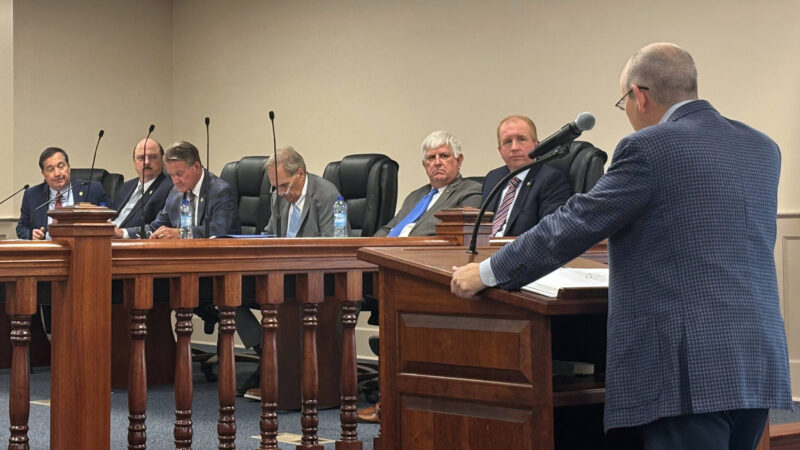
Alabama poised to drastically overhaul utility regulation. Will it lower electric bills?
The Alabama Senate unanimously voted to expand the public service commission, and create a Secretary of Energy to address rising electricity prices. A bill in the House would go even further, requiring rate case hearings and limiting utility profits.
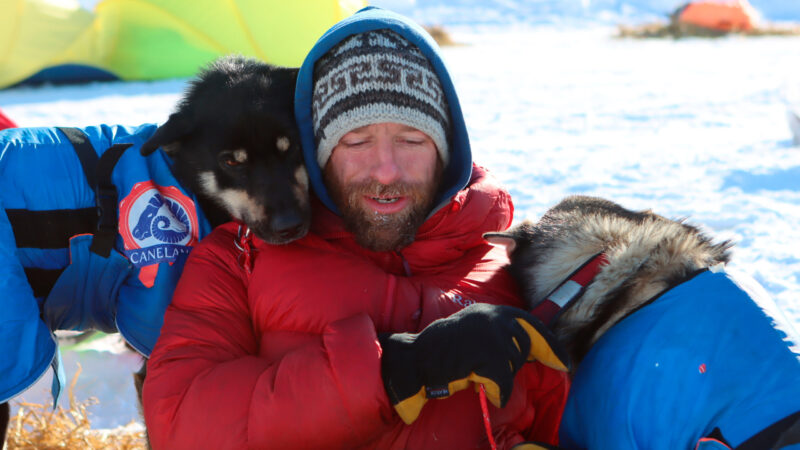
Musher from Alabama is going for back-to-back Iditarod wins
Riches and paid appearances haven’t followed Jessie Holmes since he won the world’s most famous sled dog race, the Iditarod, last year. He doesn't mind.
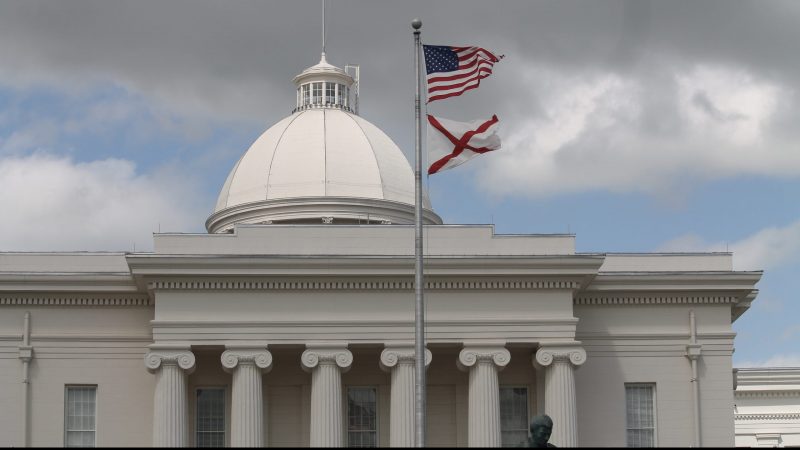
Bill would move Alabama to closed primaries
Right now, any Alabama voter can participate in a primary election. Lawmakers in Montgomery took up a bill this week that would change that system.
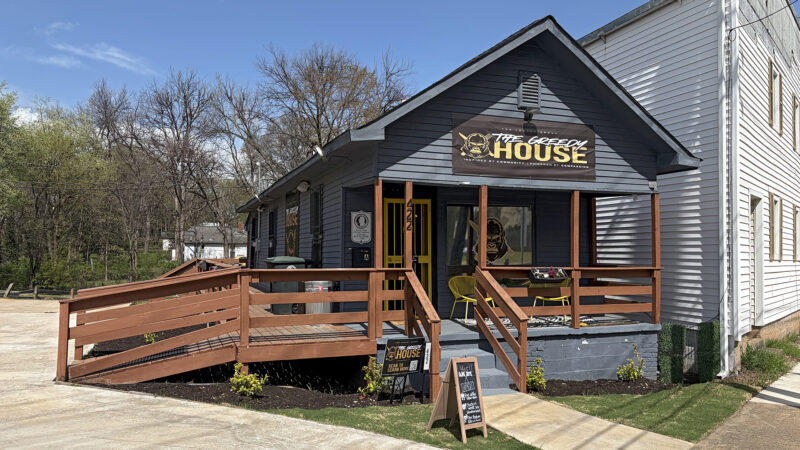
Auburn football player uses NIL funds to open a community hub in Birmingham
Jourdin Crawford, a freshman defensive lineman at Auburn, used earnings from a Name, Image, and Likeness deal to give back to his hometown.
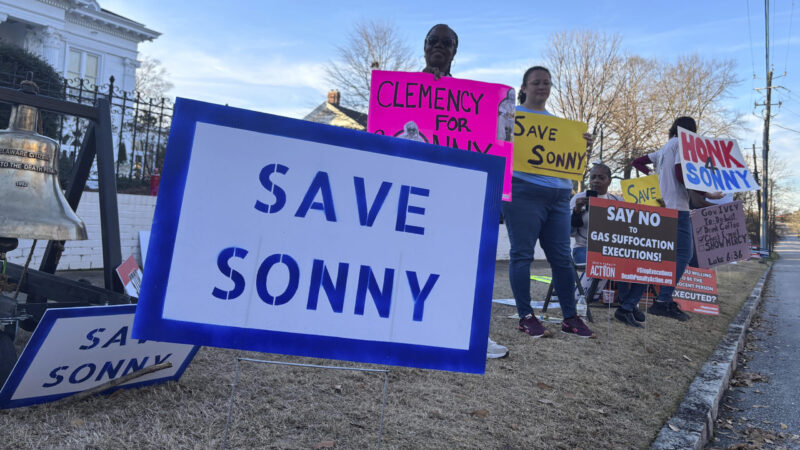
Ivey commutes death sentence of inmate whose accomplice fired fatal shot
Charles “Sonny” Burton was sentenced to death for the killing of Doug Battle during a 1991 robbery. However, another man shot Battle when Burton had left the building.