
UAB surgeons transplant pig kidneys into a human body for the first time
 ========= Old Image Removed =========1Array
(
    [_wp_attached_file] => Array
        (
            [0] => 2022/01/WBHM_Photo_Template_5-e1642699322726.png
        )

    [_wp_attachment_metadata] => Array
        (
            [0] => a:5:{s:5:"width";i:1200;s:6:"height";i:675;s:4:"file";s:48:"2022/01/WBHM_Photo_Template_5-e1642699322726.png";s:5:"sizes";a:10:{s:6:"medium";a:4:{s:4:"file";s:48:"WBHM_Photo_Template_5-e1642699322726-336x189.png";s:5:"width";i:336;s:6:"height";i:189;s:9:"mime-type";s:9:"image/png";}s:5:"large";a:4:{s:4:"file";s:48:"WBHM_Photo_Template_5-e1642699322726-771x434.png";s:5:"width";i:771;s:6:"height";i:434;s:9:"mime-type";s:9:"image/png";}s:9:"thumbnail";a:4:{s:4:"file";s:48:"WBHM_Photo_Template_5-e1642699322726-140x140.png";s:5:"width";i:140;s:6:"height";i:140;s:9:"mime-type";s:9:"image/png";}s:12:"medium_large";a:4:{s:4:"file";s:48:"WBHM_Photo_Template_5-e1642699322726-768x432.png";s:5:"width";i:768;s:6:"height";i:432;s:9:"mime-type";s:9:"image/png";}s:9:"wbhm-icon";a:4:{s:4:"file";s:46:"WBHM_Photo_Template_5-e1642699322726-80x80.png";s:5:"width";i:80;s:6:"height";i:80;s:9:"mime-type";s:9:"image/png";}s:13:"wbhm-featured";a:4:{s:4:"file";s:48:"WBHM_Photo_Template_5-e1642699322726-800x450.png";s:5:"width";i:800;s:6:"height";i:450;s:9:"mime-type";s:9:"image/png";}s:20:"wbhm-featured-square";a:4:{s:4:"file";s:48:"WBHM_Photo_Template_5-e1642699322726-600x600.png";s:5:"width";i:600;s:6:"height";i:600;s:9:"mime-type";s:9:"image/png";}s:18:"wbhm-featured-home";a:4:{s:4:"file";s:48:"WBHM_Photo_Template_5-e1642699322726-553x311.png";s:5:"width";i:553;s:6:"height";i:311;s:9:"mime-type";s:9:"image/png";}s:22:"wbhm-featured-carousel";a:4:{s:4:"file";s:48:"WBHM_Photo_Template_5-e1642699322726-470x265.png";s:5:"width";i:470;s:6:"height";i:265;s:9:"mime-type";s:9:"image/png";}s:14:"post-thumbnail";a:4:{s:4:"file";s:48:"WBHM_Photo_Template_5-e1642699322726-125x125.png";s:5:"width";i:125;s:6:"height";i:125;s:9:"mime-type";s:9:"image/png";}}s:10:"image_meta";a:12:{s:8:"aperture";s:1:"0";s:6:"credit";s:0:"";s:6:"camera";s:0:"";s:7:"caption";s:0:"";s:17:"created_timestamp";s:1:"0";s:9:"copyright";s:0:"";s:12:"focal_length";s:1:"0";s:3:"iso";s:1:"0";s:13:"shutter_speed";s:1:"0";s:5:"title";s:0:"";s:11:"orientation";s:1:"0";s:8:"keywords";a:0:{}}}
        )

    [_media_credit] => Array
        (
            [0] => Jeff Myers
        )

    [_navis_media_credit_org] => Array
        (
            [0] => UAB University Relations
        )

    [_navis_media_can_distribute] => Array
        (
            [0] => 1
        )

    [_wp_attachment_image_alt] => Array
        (
            [0] => UAB's surgical team prepares the abdomen of the brain-dead recipient for xenotransplantation.
        )

    [_wp_attachment_backup_sizes] => Array
        (
            [0] => a:11:{s:9:"full-orig";a:3:{s:5:"width";i:1200;s:6:"height";i:700;s:4:"file";s:25:"WBHM_Photo_Template_5.png";}s:14:"thumbnail-orig";a:4:{s:4:"file";s:33:"WBHM_Photo_Template_5-140x140.png";s:5:"width";i:140;s:6:"height";i:140;s:9:"mime-type";s:9:"image/png";}s:11:"medium-orig";a:4:{s:4:"file";s:33:"WBHM_Photo_Template_5-336x196.png";s:5:"width";i:336;s:6:"height";i:196;s:9:"mime-type";s:9:"image/png";}s:17:"medium_large-orig";a:4:{s:4:"file";s:33:"WBHM_Photo_Template_5-768x448.png";s:5:"width";i:768;s:6:"height";i:448;s:9:"mime-type";s:9:"image/png";}s:10:"large-orig";a:4:{s:4:"file";s:33:"WBHM_Photo_Template_5-771x450.png";s:5:"width";i:771;s:6:"height";i:450;s:9:"mime-type";s:9:"image/png";}s:14:"wbhm-icon-orig";a:4:{s:4:"file";s:31:"WBHM_Photo_Template_5-80x80.png";s:5:"width";i:80;s:6:"height";i:80;s:9:"mime-type";s:9:"image/png";}s:18:"wbhm-featured-orig";a:4:{s:4:"file";s:33:"WBHM_Photo_Template_5-800x450.png";s:5:"width";i:800;s:6:"height";i:450;s:9:"mime-type";s:9:"image/png";}s:25:"wbhm-featured-square-orig";a:4:{s:4:"file";s:33:"WBHM_Photo_Template_5-600x600.png";s:5:"width";i:600;s:6:"height";i:600;s:9:"mime-type";s:9:"image/png";}s:23:"wbhm-featured-home-orig";a:4:{s:4:"file";s:33:"WBHM_Photo_Template_5-533x311.png";s:5:"width";i:533;s:6:"height";i:311;s:9:"mime-type";s:9:"image/png";}s:27:"wbhm-featured-carousel-orig";a:4:{s:4:"file";s:33:"WBHM_Photo_Template_5-454x265.png";s:5:"width";i:454;s:6:"height";i:265;s:9:"mime-type";s:9:"image/png";}s:19:"post-thumbnail-orig";a:4:{s:4:"file";s:33:"WBHM_Photo_Template_5-125x125.png";s:5:"width";i:125;s:6:"height";i:125;s:9:"mime-type";s:9:"image/png";}}
        )

)
1680738549 
1642673783
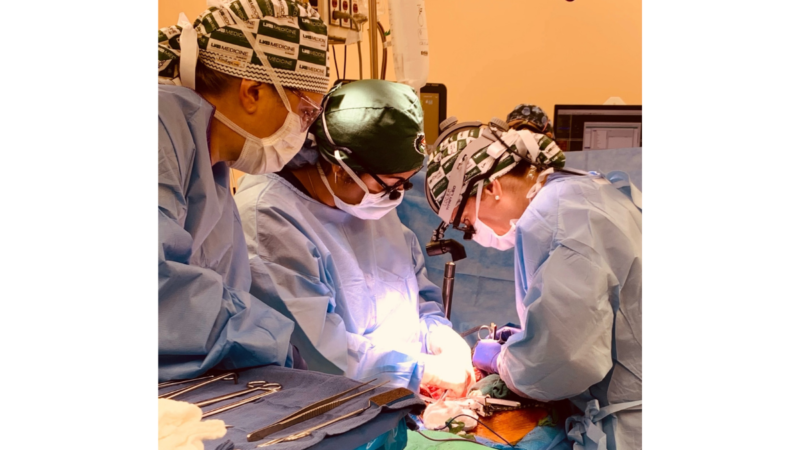
UAB's surgical team prepares the abdomen of the brain-dead recipient for xenotransplantation.

UAB's surgical team prepares the abdomen of the brain-dead recipient for xenotransplantation.

Jeff Myers, UAB University Relations

A team of scientists at the University of Alabama at Birmingham is the first to successfully transplant the kidneys of a genetically modified pig into the body of a brain-dead recipient.

The surgery, which took place last September, is detailed in a peer-reviewed article published Thursday in the American Journal of Transplantation.

Upon being transplanted into the human recipient, researchers said the pig kidneys turned pink, and one began to make urine after 23 minutes.

“That is what every transplant is supposed to do, and it was amazing,” said Dr. Jayme Locke, director of UAB’s Comprehensive Transplant Institute and lead surgeon for the study.

The study lasted 77 hours before the recipient was taken off of life support. During that time, the kidneys appeared to function, though one produced more urine than the other, and there were no signs of immediate organ rejection. Additionally, no pig viruses or pig cells were detected in the recipient’s body.

The research is the latest milestone in the field of xenotransplantation and the first time that such a surgery has been described in a peer-reviewed journal.

Locke is hopeful that genetically modified pig organs will one day provide a life-saving solution for thousands of people who die every year waiting for a kidney transplant.

“They have a disease that we have a cure for, but we don’t have enough and we need a radical solution,” Locke said. “We have to find an alternative organ source, and xenotransplantation, I believe, is the answer.”

Locke said UAB’s research will likely be key to gaining approval from the U.S. Food and Drug Administration for a Phase 1 clinical trial, which researchers hope to begin later this year.

The study answered several questions about the viability of genetically modified pig kidneys inside the human body. It also demonstrated a new model of testing research on a brain-dead recipient.

Scientists hope to name the model they tested after the individual in the study, 57-year-old Jim Parsons, who was fatally injured in a motorcycle accident last year.

Parsons’ family, who consented to the research, described him as a compassionate father who sought adventure and was always willing to help.

“Our greatest hope is that this study … will ultimately bring new life to hundreds of thousands of people in the United States and around the world in need of a kidney transplant,” said Parsons’ ex-wife Julie O’Hara. “We’re forever honored that Jim’s gift has an opportunity to give those in need a chance at life.”
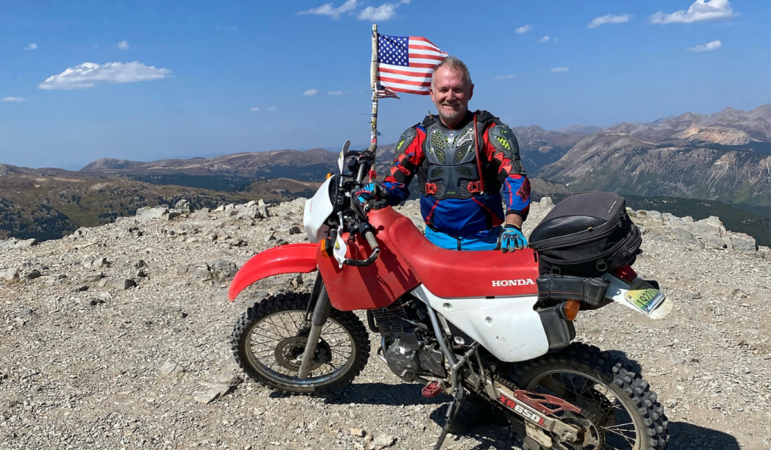
Jim Parsons stands atop American Flag Mountain after he climbed it on his dirt bike.

Many questions remain about the process of xenotransplantation, but scientists hope it could be an option for patients in the coming decade.

Last fall, surgeons at NYU Langone Health attached a genetically modified pig kidney to the outside of a brain-dead recipient’s leg. Earlier this month, surgeons in Maryland completed the first successful transplant of a pig heart into a living recipient.

EDITOR’S NOTE: UAB holds WBHM’s broadcast license, but our news and business departments operate independently.

 

Crew of fatal US military crash included Alabama father recently deployed

The six U.S. service members who died in the crash of a U.S. military refueling aircraft included an Alabama father who had just been promoted and deployed. The U.S. government released the identities of the deceased service members Saturday.
Alabama poised to drastically overhaul utility regulation. Will it lower electric bills?

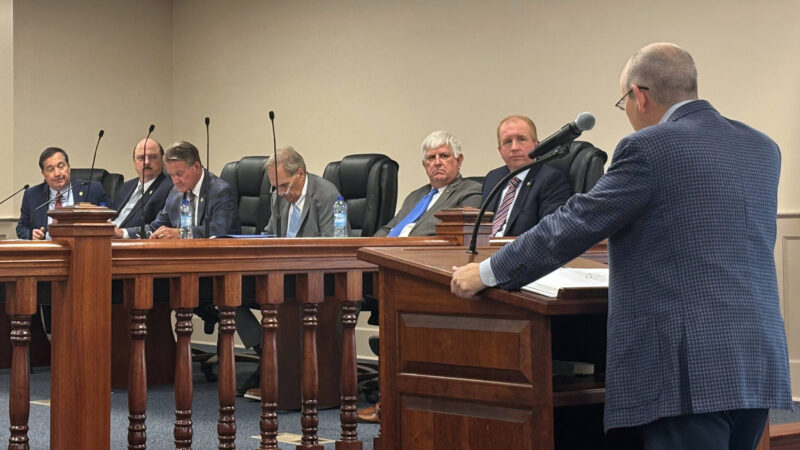
The Alabama Senate unanimously voted to expand the public service commission, and create a Secretary of Energy to address rising electricity prices. A bill in the House would go even further, requiring rate case hearings and limiting utility profits.
Musher from Alabama is going for back-to-back Iditarod wins

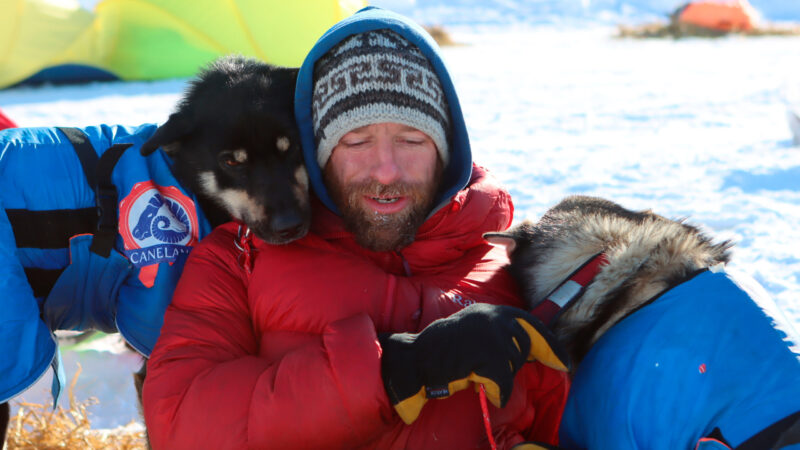
Riches and paid appearances haven’t followed Jessie Holmes since he won the world’s most famous sled dog race, the Iditarod, last year. He doesn't mind.

Bill would move Alabama to closed primaries

Right now, any Alabama voter can participate in a primary election. Lawmakers in Montgomery took up a bill this week that would change that system.
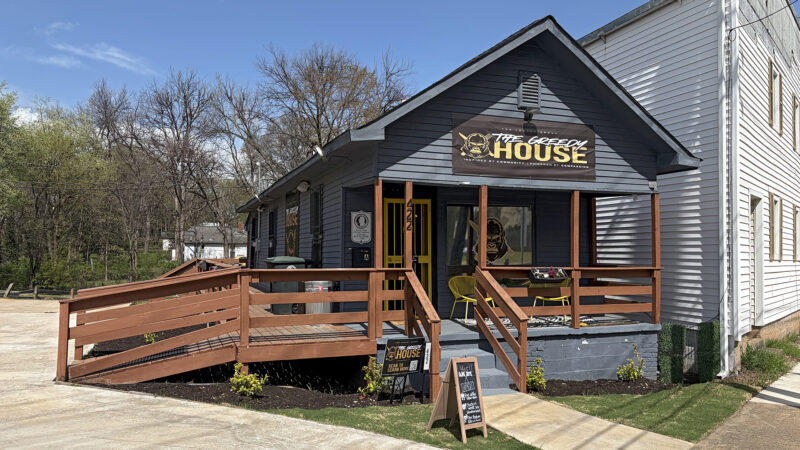
Auburn football player uses NIL funds to open a community hub in Birmingham

Jourdin Crawford, a freshman defensive lineman at Auburn, used earnings from a Name, Image, and Likeness deal to give back to his hometown.

Ivey commutes death sentence of inmate whose accomplice fired fatal shot

Charles “Sonny” Burton was sentenced to death for the killing of Doug Battle during a 1991 robbery. However, another man shot Battle when Burton had left the building.

More Front Page Coverage