
“The Edge of the Woods”: UAB Epidemiologist Says Herd Immunity Could Be Reached By Late Spring
An epidemiologist at UAB Medicine thinks that Alabama may be headed toward a long-sought goal in the COVID pandemic and may reach that goal sooner than many had expected.
Dr. Suzanne Judd said in a press conference Wednesday that the state is getting closer to herd immunity, a state where the virus stops its spread because a large part of the population is immune, either through vaccination or by because they have antibodies in their systems because of previous infections — in many cases, infections people didn’t even realize they had.
Judd cited a study by Columbia University which showed that there were up to 10 times as many people who were infected and developed antibodies than had tested positive for COVID. Most of this occurred in the New York City area early in the pandemic, when testing was not readily available, and many people were infected but showed mild symptoms or none at all.
Tests conducted at UAB show a ratio closer to 5-to-1. Coupling that with the current rate of vaccination, she said that Alabama could reach herd immunity as early as late summer.
“The more people that have immunity, the less the virus will spread and the safer it will be for us to interact with one another again,” Judd said. “But there’s no magical number that is herd immunity. Each virus, each bacteria is different and they mutate at regular intervals, so this number can move. But at the moment, scientists are shooting for about 72% of the population with immunity.”
Judd said the level is likely to be reached by late May or early June in Alabama, depending on many factors.
“It depends on the rate of vaccination, it depends on how many people actually have antibodies or immunities who didn’t have a positive test, and it depends on whether or not the virus mutates in the next few months,” Judd said. “So we’re going to keep looking at those numbers, but overall it’s looking exciting that we might start to see these higher levels of immunity in the late spring or early summer.”
The timeline may be greatly affected by any COVID-19 variants that show up later and whether current vaccines are effective against the variants or if booster shots may be required.
The Centers for Disease Control has already established a network to keep tabs on seasonal flu variants and has since expanded to add a similar network for COVID.
“The variants are something we have to watch very carefully. That said, it’s something we do all the time with flu,” Judd said.
Judd’s conclusion assumes that 50,000 Alabamians will receive their second dose of the two current vaccines each week, a level she described as “quite low” compared to the current rate. To be conservative and make sure restrictions are not loosened too soon, Judd used a 3-to-1 untested immunity ratio assumption in her research.
“If we scale up and those vaccines come online faster, that just means we could reach herd immunity a little bit sooner,” she said, adding that applying the 3-to-1 ratio against 500,000 positive tests so far, more than 1.5 million people in the state could have developed antibodies without knowing they had been infected.
Judd emphasized that there’s no magic number that would mark the end of the virus spread or allow public events such as ball games, concerts and the like to resume with few restrictions.
“Herd immunity would mean that we could start getting back together again. But we’re not going to know that we’re at herd immunity. There’s no magical ‘all of the sudden we’re at 72% and we’re safe,’” she said. “The things we’re going to monitor are the number of cases per week … and as long as it trends down and stays below 10 or 5 per 100,000 and we have decent testing [numbers] in the state, then we’ll know that it’s safe to get people back together.”
The vaccination push is also cutting down on the number of COVID patients who require hospitalization. After a surge in early January that stretched hospitals to capacity limits, the number of COVID inpatients has declined dramatically, nearly three-fourths lower statewide as of Tuesday’s data from the Alabama Department of Public Health.
“If that number keeps driving down and we see fewer and fewer people hospitalized, even though they’ve been infected, then we can start moving around again,” Judd said. “We all live with viruses every day. We’ve lived with them before [COVID]. But the problem with this one is that it sent a lot of people to the hospital, and it killed a lot of people. If this virus becomes … less strong, because of the vaccines or because of our natural immunity, and it keeps people out of the hospital and keeps people from dying, then we can get back together again.”
Judd said her staff members’ spirits are being lifted by the good news.
“The mood is up. There’s just a general feeling of relief,” she said. “We’re starting to see the edge of the woods, the light at the end of the tunnel.”
Editor’s Note: UAB hold WBHM’s broadcast license, but our news and business departments operate independently.

Crew of fatal US military crash included Alabama father recently deployed
The six U.S. service members who died in the crash of a U.S. military refueling aircraft included an Alabama father who had just been promoted and deployed. The U.S. government released the identities of the deceased service members Saturday.
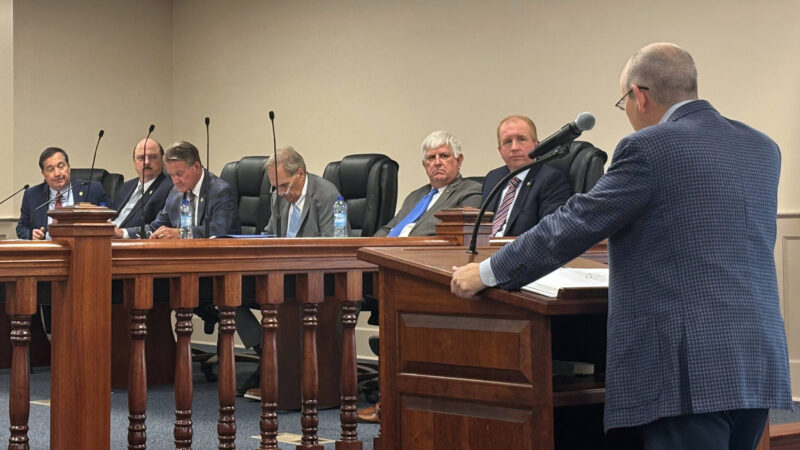
Alabama poised to drastically overhaul utility regulation. Will it lower electric bills?
The Alabama Senate unanimously voted to expand the public service commission, and create a Secretary of Energy to address rising electricity prices. A bill in the House would go even further, requiring rate case hearings and limiting utility profits.
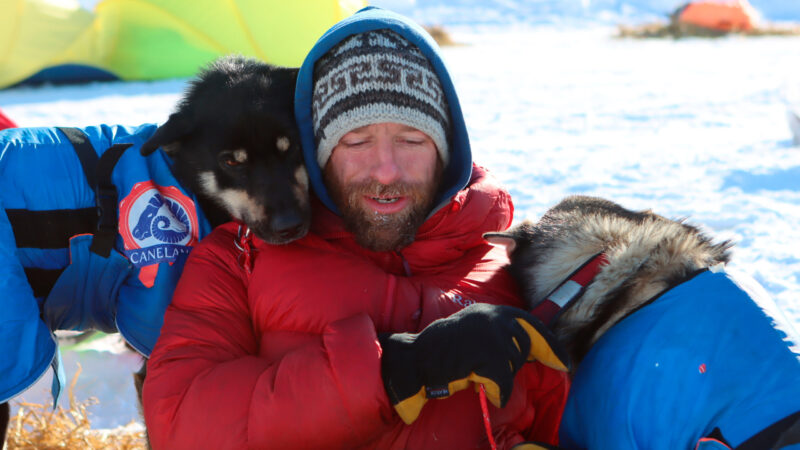
Musher from Alabama is going for back-to-back Iditarod wins
Riches and paid appearances haven’t followed Jessie Holmes since he won the world’s most famous sled dog race, the Iditarod, last year. He doesn't mind.
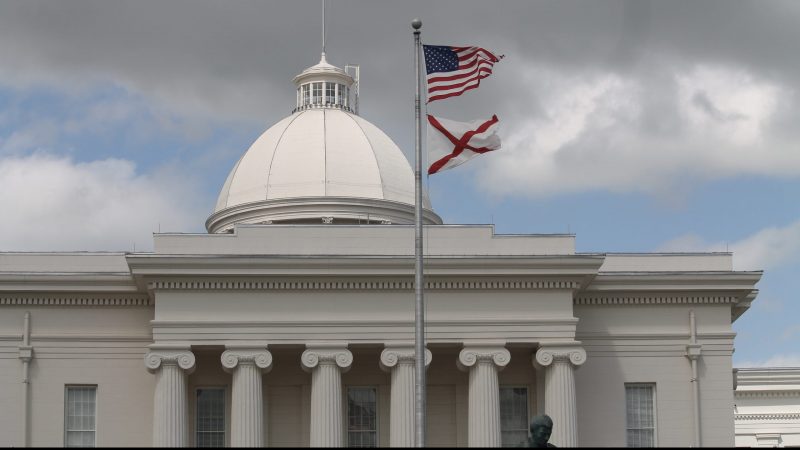
Bill would move Alabama to closed primaries
Right now, any Alabama voter can participate in a primary election. Lawmakers in Montgomery took up a bill this week that would change that system.
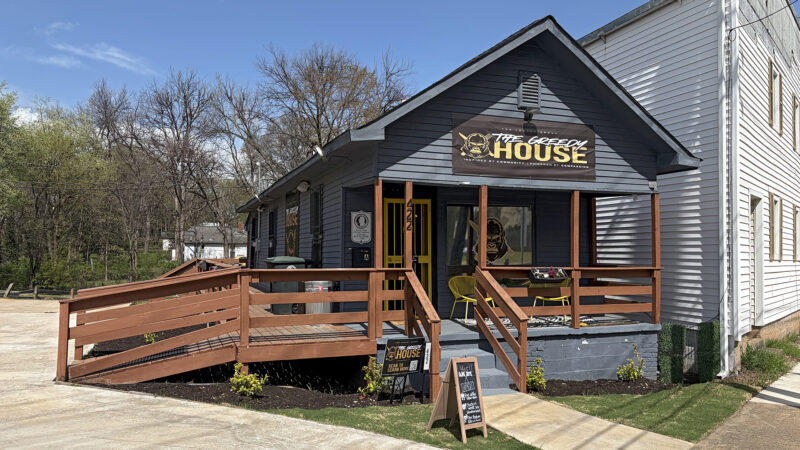
Auburn football player uses NIL funds to open a community hub in Birmingham
Jourdin Crawford, a freshman defensive lineman at Auburn, used earnings from a Name, Image, and Likeness deal to give back to his hometown.
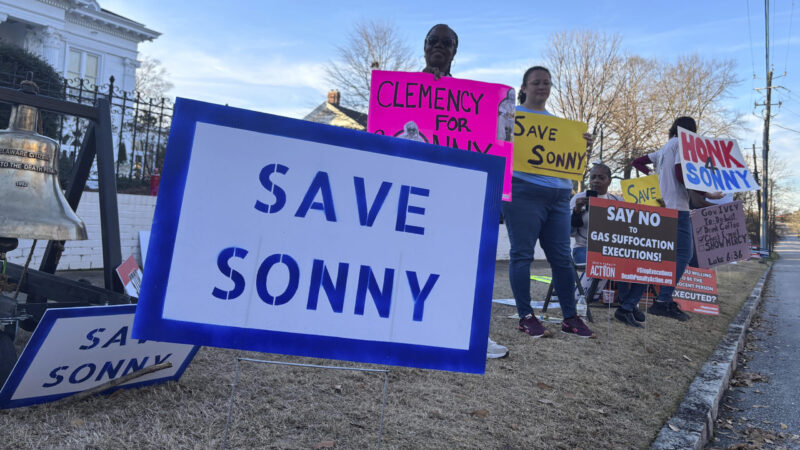
Ivey commutes death sentence of inmate whose accomplice fired fatal shot
Charles “Sonny” Burton was sentenced to death for the killing of Doug Battle during a 1991 robbery. However, another man shot Battle when Burton had left the building.