How outreach helped Gulf States outpace national COVID vaccine rate for Black residents
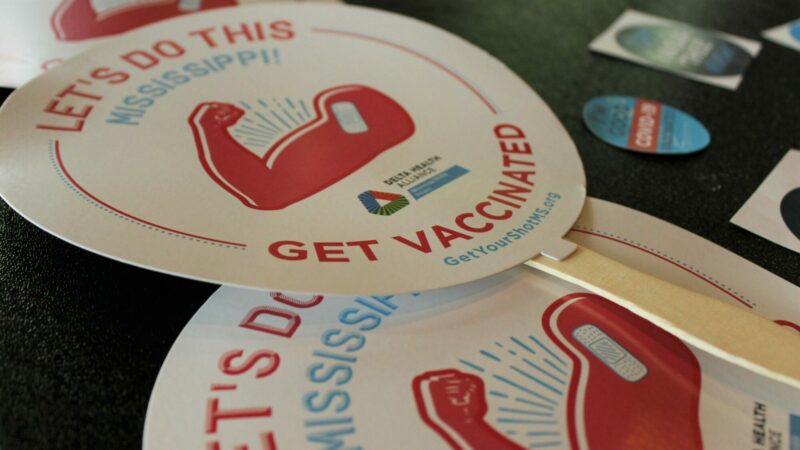
The Jackson-Hinds Comprehensive Health Center partners with Jackson State University to provide free COVID-19 vaccination and resources to the JSU and Mississippi community. Mississippi, as well as Louisiana and Alabama, has a higher rate of vaccination among its Black residents than the national average for Black residents.
Black people in Mississippi, Alabama and Louisiana are taking the COVID-19 vaccine at higher rates than Black people across the United States, a Gulf States Newsroom data analysis shows.
Nationally, 35% of Black residents in the U.S. have taken at least one COVID-19 vaccination. In Mississippi, 49% of Black residents have taken the shot. Louisiana is right behind, with 48% of its Black residents being vaccinated. Alabama trails the other two states’ rates but is still above the national average with 41% of its Black residents being vaccinated.
To achieve this, health officials in the Gulf States — which have some of the highest concentrations of Black residents in the country — said they took an intentional approach to vaccinate these communities.
When the coronavirus hit the region in March 2020, Black people were contracting the virus and dying from COVID-19 at a disproportionate rate. As vaccines became available, Black people were initially more hesitant to take the shot because of the history of healthcare disparities.
That led to initiatives like the Mississippi Department of Health’s Health Equity Disparity Response Unit being formed, according to Dr. Victor Sutton, director of the state’s Office of Health Equity and Preventive Health.
“That unit was actually created to address the impact of COVID-19 on African Americans, Latinx and other minority groups,” Sutton said.

Dr. Jennifer Avegno, director of the New Orleans Health Department, said the city acknowledged this early on in its efforts to combat the pandemic as well.
“We knew, in New Orleans, that we would really have to be deliberate in our campaign and outreach to everybody, but particularly to our residents of color,” Avegno told the Gulf States Newsroom. “Our residents of color bear the brunt of decades and generations of health inequities and structural racism that have created vastly different health outcomes.”
Health officials across the gulf states region said the remedy to this issue has been partnering with trusted community organizations and leaders to distribute information about the pandemic and to encourage Black residents to take the COVID-19 shot.
In Mississippi, Sutton said the health department continues to work with barbershops, salons, churches, historically black colleges and universities, local elected officials and “any and everybody that we could reach.”
“We can’t do this work without partners in the community around the state,” Sutton said.
Brittany Brown,Gulf States Newsroom
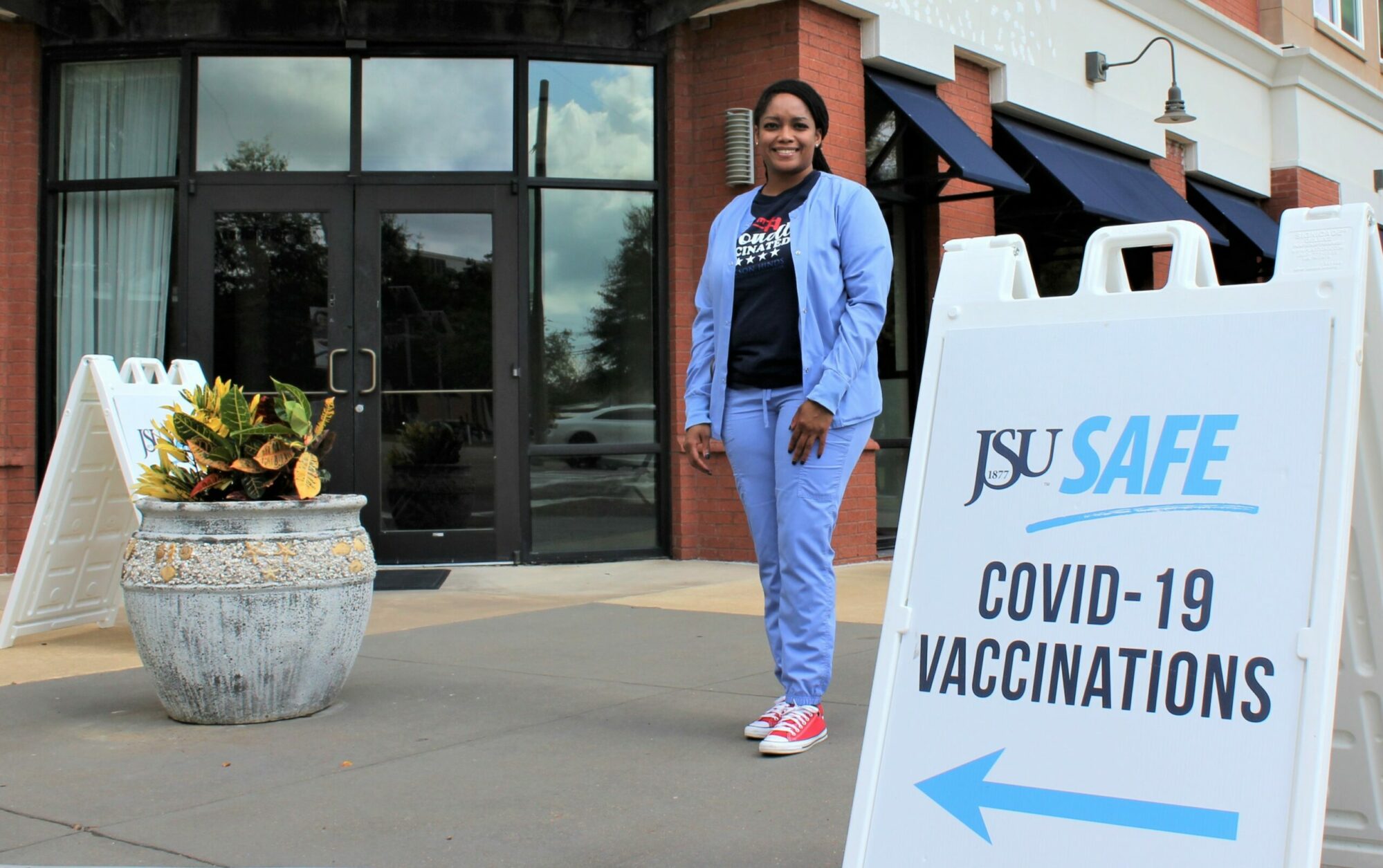
Michelle Owens with the Jackson-Hinds Comprehensive Health Center was present to answer any questions about COVID vaccines at Jackson State University’s weekly, free vaccination event.
At Jackson State University, health officials host a free, weekly COVID-19 vaccination event for students, faculty, staff and the community. Student Kendra Daye was one participant at a recent event on the HBCU campus in the heart of Mississippi’s capital city.
“[I felt] nervous about hearing the different sides of getting [the vaccine] and not getting it and the side effects. But I just kind of just had to trust what happened and go with the best option,” Daye, a freshman, said.
Daye said after she recovered from COVID-19, she finally felt comfortable taking the vaccine. Luckily for her, she only had to walk from her dorm to another nearby building on campus to be inoculated.
Similarly for Atlantis Crosland, she took the shot at JSU after going with her sister to the COVID-19 vaccination event.
Crosland said she has worked in nursing homes and hospitals during the pandemic but still decided against the shot until October — citing a fear of needles and being unsure of how long the vaccine was worked on as reasons for her hesitancy. Extra encouragement from her sister and the presence of nurses ready to answer her questions at the vaccination event helped her change her mind.
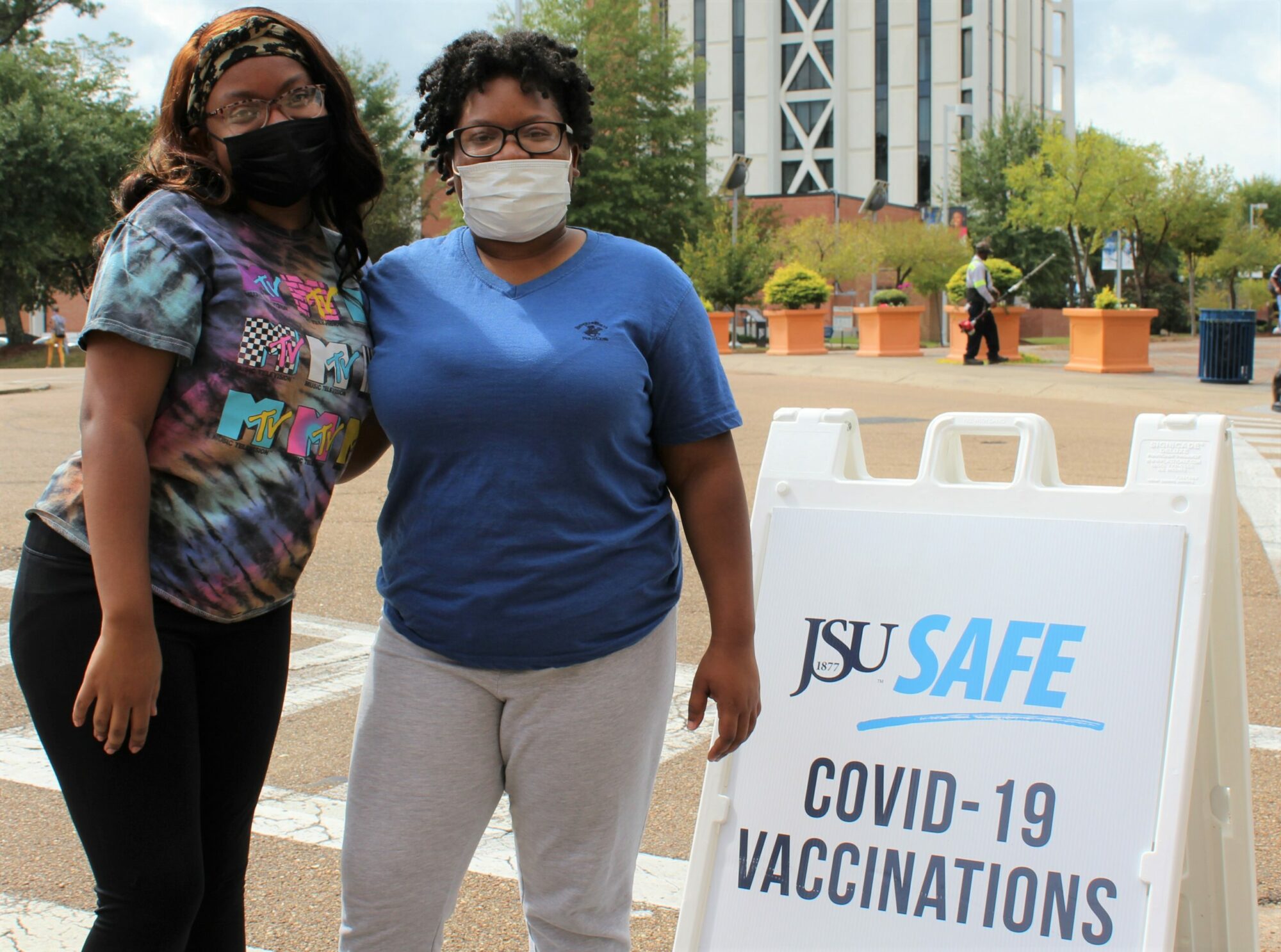
Brittany Brown,Gulf States Newsroom
Sisters Camille (left) and Atlantis Crosland (right) attended Jackson State University’s free COVID-19 vaccination event to take the shot.
“Here at Jackson State, I think they’re doing pretty good at giving you information about the shot and trying to make you feel more inclusive into knowing what you’re putting into your body,” Crosland said.
It’s that kind of outreach and trust that helped Black residents in the gulf states region achieve an increased vaccination rate. Alabama Department of Public Health Chief Medical Officer Dr. Mary McIntyre said building trust and working with others makes all the difference.
“When people know the folks that are providing them with the information and they trust those people, then more people show up,” McIntyre said. “Churches, historically black colleges, the Black mayors… allowed us to be able to reach multiple locations where people were most at risk.”
While more than 1.8 million Black people in Mississippi, Alabama and Louisiana have taken the shot, there’s still an average of over 1,000 new COVID-19 cases reported daily in the three states. With booster shots now available and children becoming eligible for the shot, health officials say the most effective way to combat coronavirus is to get vaccinated.
NPR’s Austin Fast contributed data analysis to this story.
This story was produced by the Gulf States Newsroom, a collaboration between Mississippi Public Broadcasting, WBHM in Birmingham, Alabama, WWNO in New Orleans and NPR.

Crew of fatal US military crash included Alabama father recently deployed
The six U.S. service members who died in the crash of a U.S. military refueling aircraft included an Alabama father who had just been promoted and deployed. The U.S. government released the identities of the deceased service members Saturday.
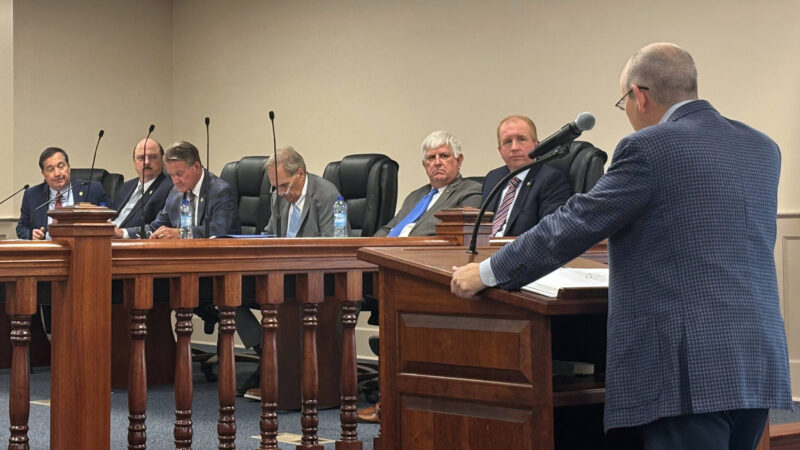
Alabama poised to drastically overhaul utility regulation. Will it lower electric bills?
The Alabama Senate unanimously voted to expand the public service commission, and create a Secretary of Energy to address rising electricity prices. A bill in the House would go even further, requiring rate case hearings and limiting utility profits.
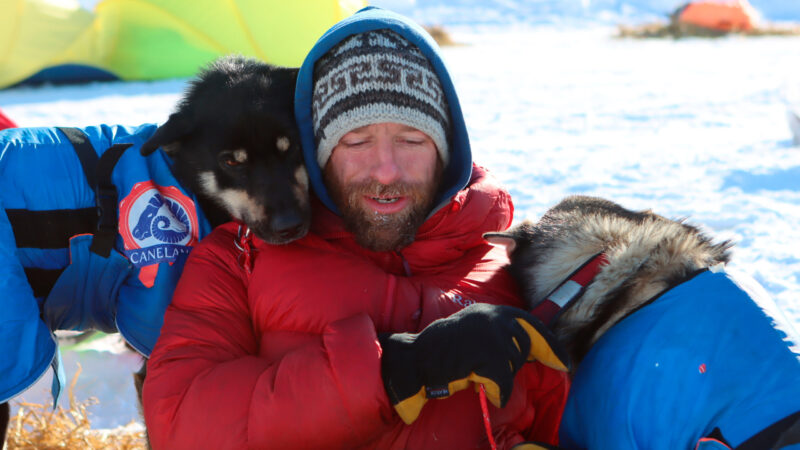
Musher from Alabama is going for back-to-back Iditarod wins
Riches and paid appearances haven’t followed Jessie Holmes since he won the world’s most famous sled dog race, the Iditarod, last year. He doesn't mind.
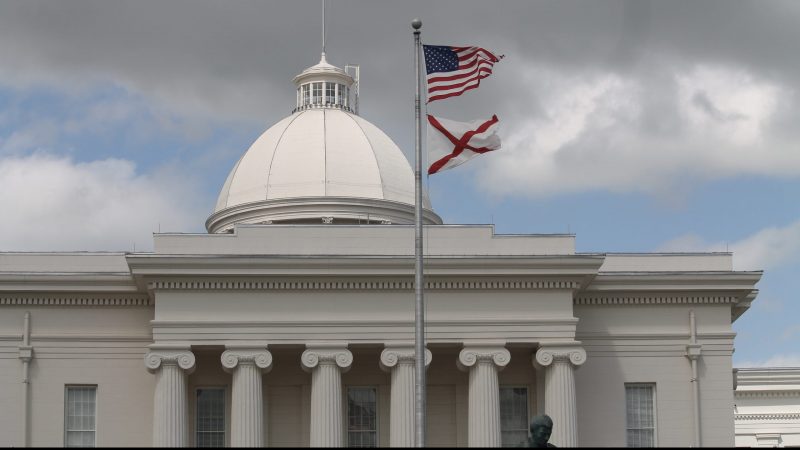
Bill would move Alabama to closed primaries
Right now, any Alabama voter can participate in a primary election. Lawmakers in Montgomery took up a bill this week that would change that system.
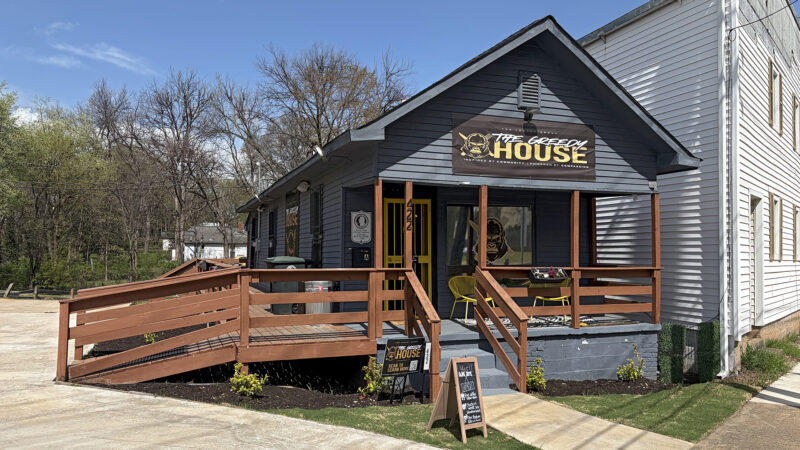
Auburn football player uses NIL funds to open a community hub in Birmingham
Jourdin Crawford, a freshman defensive lineman at Auburn, used earnings from a Name, Image, and Likeness deal to give back to his hometown.
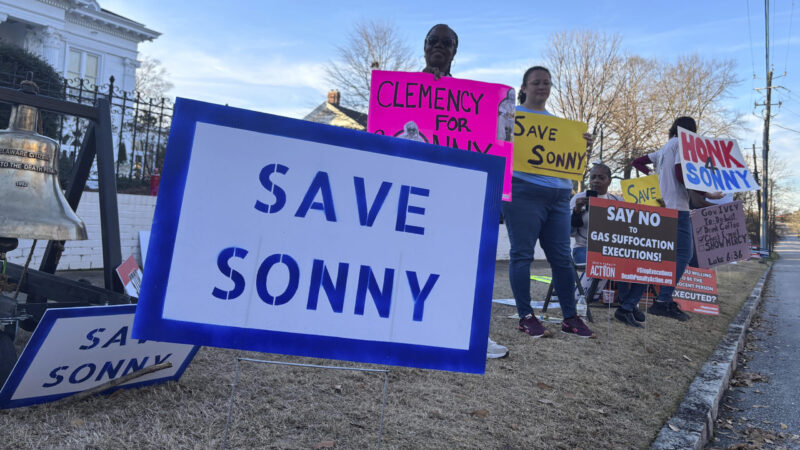
Ivey commutes death sentence of inmate whose accomplice fired fatal shot
Charles “Sonny” Burton was sentenced to death for the killing of Doug Battle during a 1991 robbery. However, another man shot Battle when Burton had left the building.