
Gulf South health care systems are failing to equally serve people of color, study says
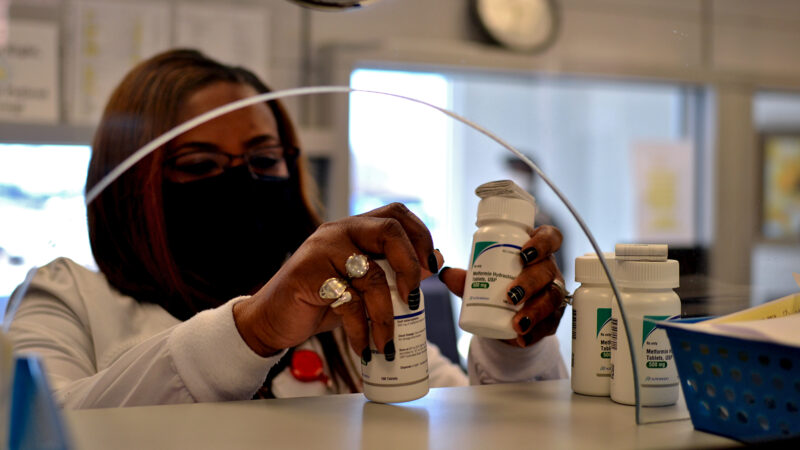
A pharmacist at The Delta Health Center in Mound Bayou, Mississippi talks with a patient about medicine, June 3, 2021.
Health care systems across the United States are failing to equitably serve people of color. But, according to a new analysis, Mississippi, Louisiana, and Alabama are among the states with the worst health outcomes for people of color — Black and Latinx residents, in particular.
The report, which is a state-by-state scoreboard of racial and ethnic disparities in health care, comes from research and grant foundation Commonwealth Fund. Researchers considered indicators like health outcomes, health care access and quality of health care services to come up with a score for each state.
The report also looked at how health systems are serving five different racial and ethnic groups in a majority of states across the country: Black, White, American Indian/Alaska Native, Asian American and Native Hawaiian/Pacific Islander, and Hispanic/Latinx.
Researchers found that even in states that have better performing health systems, racial and ethnic disparities persist in terms of health outcomes and access.
Mississippi, Alabama and Louisiana, however, are seeing worse health outcomes and access in all residents than in other states, with Latinx and Black residents facing even more barriers within those states to quality health care. As a result, these states are also seeing larger gaps in health care outcomes and access across racial groups than most other states.
“The [health care] experience of Black individuals in those three states is worse than the experiences of Black people in other states. For example, worse than in New York, Washington, and Virginia,” said David Radley, a co-author of the report. “Even within the state of Louisiana, which is a [Medicaid] expansion state we still see big inequities in the health care experience of Black individuals and of Latinx individuals relative to the experience of white individuals.”
Researchers found that across the region, Black people and American Indian/Alaska Natives are more likely than white people in most other states to die early in life from conditions that would have been treatable if they had access to high-quality health care. Black women are also more likely than white women to be diagnosed with cancer at later stages and to die as a result of that.
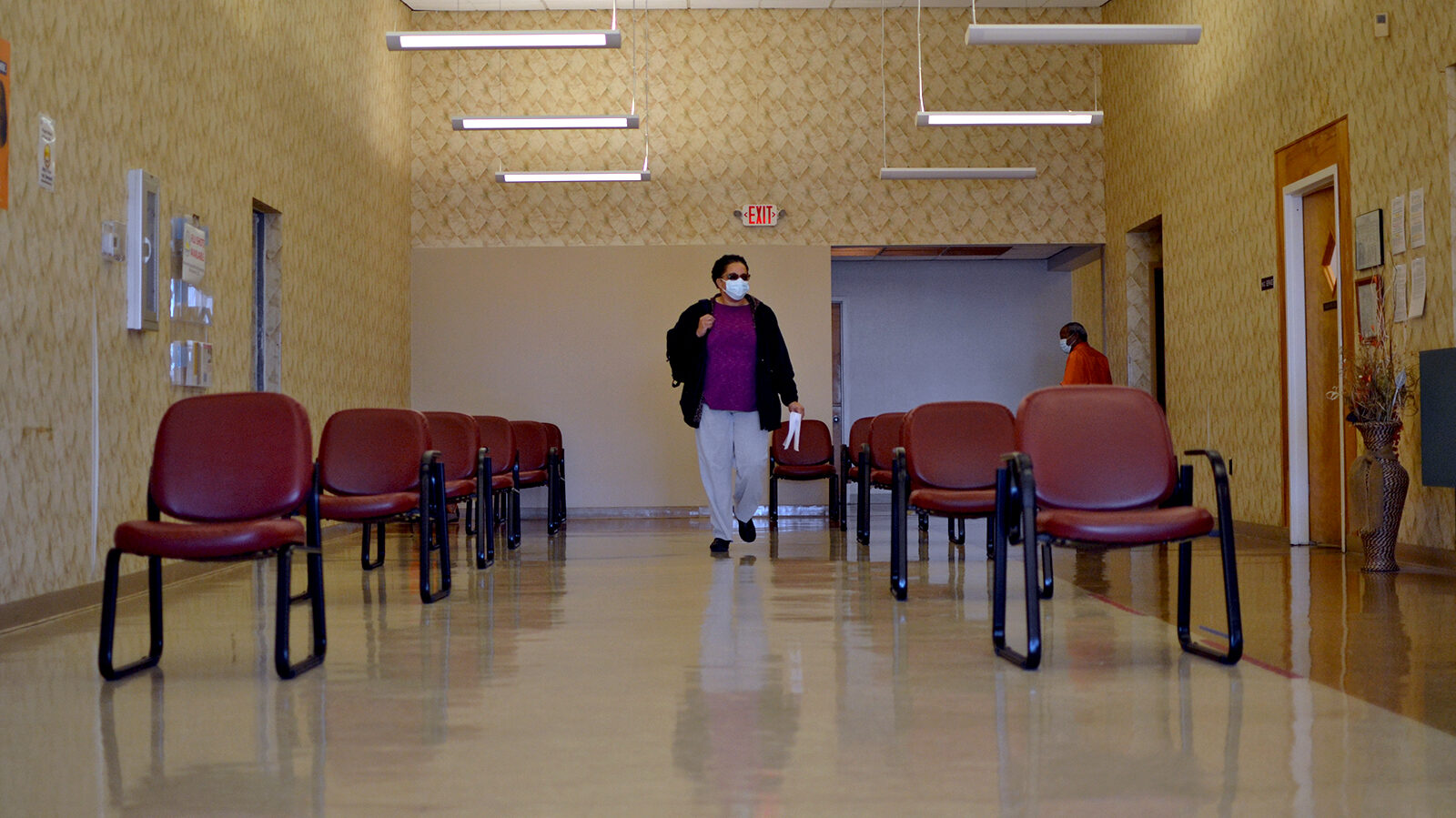
Shalina Chatlani,Gulf States Newsroom
A woman walks through the dental clinic at The Delta Health Center in Mound Bayou, Mississippi, June 3, 2021.
While some of these inequities can be tied to factors like low income and political challenges, such as a failure to expand Medicaid, experts say that lack of social services and racial biases are also to blame.
“People of color are less likely to receive preventative health services irrespective of income, neighborhood, illness or insurance type, and often more likely to receive lower-quality care,” said Laurie Zephyrin, a co-author of the report.
The study authors say state leaders can help reduce inequities by encouraging affordable and comprehensive health insurance options to be available, strengthening primary care options, lowering administrative burdens for patients and investing in social services.
Editor’s note: The Commonwealth Fund supports health equity coverage, but the Gulf States Newsroom operates independently from it.
This story was produced by the Gulf States Newsroom, a collaboration between Mississippi Public Broadcasting, WBHM in Birmingham, Alabama, WWNO in New Orleans and NPR.

Crew of fatal US military crash included Alabama father recently deployed
The six U.S. service members who died in the crash of a U.S. military refueling aircraft included an Alabama father who had just been promoted and deployed. The U.S. government released the identities of the deceased service members Saturday.
Alabama poised to drastically overhaul utility regulation. Will it lower electric bills?
The Alabama Senate unanimously voted to expand the public service commission, and create a Secretary of Energy to address rising electricity prices. A bill in the House would go even further, requiring rate case hearings and limiting utility profits.

Musher from Alabama is going for back-to-back Iditarod wins
Riches and paid appearances haven’t followed Jessie Holmes since he won the world’s most famous sled dog race, the Iditarod, last year. He doesn't mind.
Bill would move Alabama to closed primaries
Right now, any Alabama voter can participate in a primary election. Lawmakers in Montgomery took up a bill this week that would change that system.
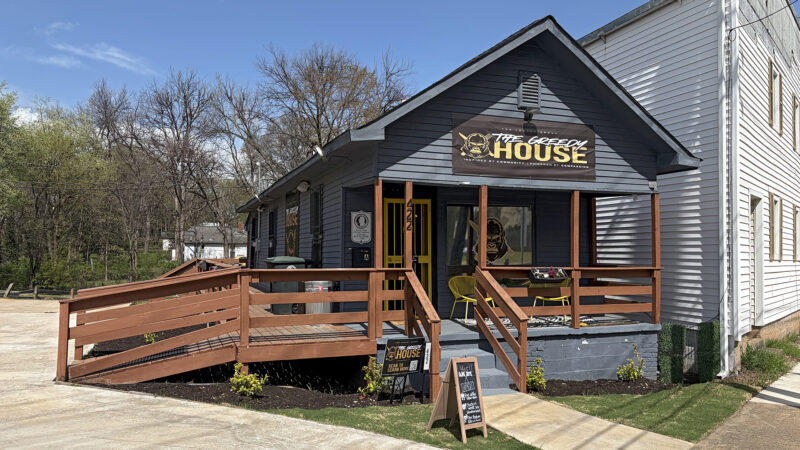
Auburn football player uses NIL funds to open a community hub in Birmingham
Jourdin Crawford, a freshman defensive lineman at Auburn, used earnings from a Name, Image, and Likeness deal to give back to his hometown.
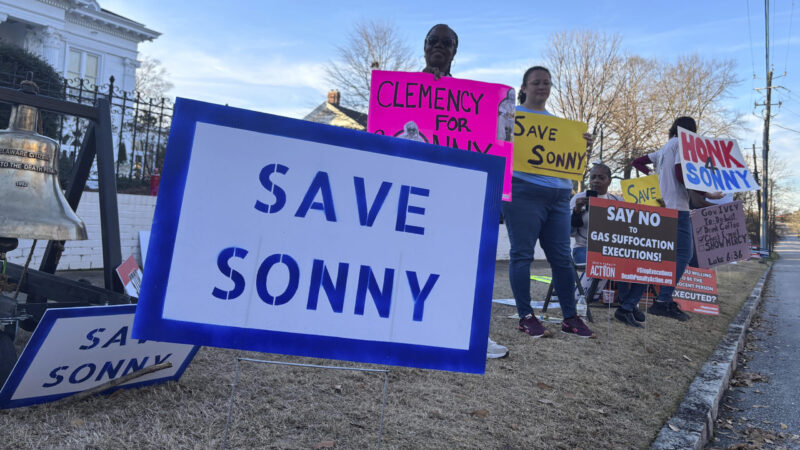
Ivey commutes death sentence of inmate whose accomplice fired fatal shot
Charles “Sonny” Burton was sentenced to death for the killing of Doug Battle during a 1991 robbery. However, another man shot Battle when Burton had left the building.