Alabama Is Home To 20 Hate Groups, 838 Operate Nationwide, SPLC Says
The Southern Poverty Law Center released its annual list of hate groups nationwide on Feb. 1, and while the number of groups has gone down from last year, there are still 20 Alabama groups that made the cut.
Altogether, the SPLC tracked 838 organizations defined as hate groups in 2020. SPLC classifies an organization as a hate group if it has “beliefs or practices that attack or malign an entire class of people, typically for their immutable characteristics.” As noted on the SPLC website, the organization has been taking an “annual census” of U.S. hate groups since 1990.
“The number is a barometer, albeit only one, of the level of hate activity in the country,” the website says. “The hate map, which depicts the groups’ approximate locations, is the result of a year of monitoring by analysts and researchers and is typically published every January or February. It represents activity by hate groups during the previous year.”
In Alabama groups included in the Montgomery-based SPLC’s Hate Map were:
- Neo-Confederate Groups: The Southern Cultural Center — with chapters in Wetumpka, Dothan, Northport, Oxford and Weogufka — and League of the South, based in Killen.
- Neo-Völkisch Groups: Wolves of Vinland and Asatru Folk Assembly fall into the Neo-Völkisch category, which SPLC describes as “born out of an atavistic defiance of modernity and rationalism … adherents and groups are organized around ethnocentricity and archaic notions of gender.”
- White Nationalist Groups: Occidental Dissent, based in Eufaula, and the American Identity Movement, which operates statewide.
- Neo-Nazi Group: The National Socialist Liberation Front, which operates statewide.
- Ku Klux Klan: United Klans of America, which operates statewide.
- General hate: Nation of Islam, based in Birmingham, Montgomery and Mobile; Israel United in Christ, based in Birmingham and Mobile; Israelites Saints of Christ, based in Huntsville; Great Millstone, based in Birmingham; and the Proud Boys, which operates statewide. The SPLC website defines “general hate” groups as those that “peddle a combination of well-known hate and conspiracy theories, in addition to unique bigotries that are not easily categorized.
Several of the groups seek to profit off their bigotry by selling a miscellany of hate materials from several different sectors of the white supremacist movement.”
Although the total number of hate groups went down in 2020, SPLC says that’s no indication that the amount of hate activity has decreased or that it is expected to decrease. The lower number of identifiable groups is more related to how they get their message out, the SPLC said.
“In the final year of a Trump presidency that propelled racist conspiracy theories and white nationalist ideology into the political mainstream, far-right extremists continued to migrate to online networks as the number of active hate groups declined for a second year,” according to the SPLC’s “The Year in Hate and Extremism 2020” press release. “But the levels of hate and bigotry in America have not diminished.”
SPLC points to the “proliferation of internet platforms that cater to extremists” as a major way that people “engage with potentially violent movements like QAnon and Boogaloo without being card-carrying members of a particular group. This phenomenon has blurred the boundaries of hate groups and far-right ideologies, helping coalesce a broader but more loosely affiliated movement of far-right extremists who reject the country’s democratic institutions and pluralistic society.”
Susan Corke, director of the SPLC’s Intelligence Project, said: “The insurrection at the Capitol was the culmination of years of right-wing radicalization. Most recently, it was the product of Donald Trump’s support for and encouragement of radicalized individuals and groups to buy into conspiracy theories about a ‘stolen election’ … Trump may no longer be in the White House, but the white nationalist and extremist movement he emboldened and incited to violence is not going anywhere – and may grow more dangerous to our country.”
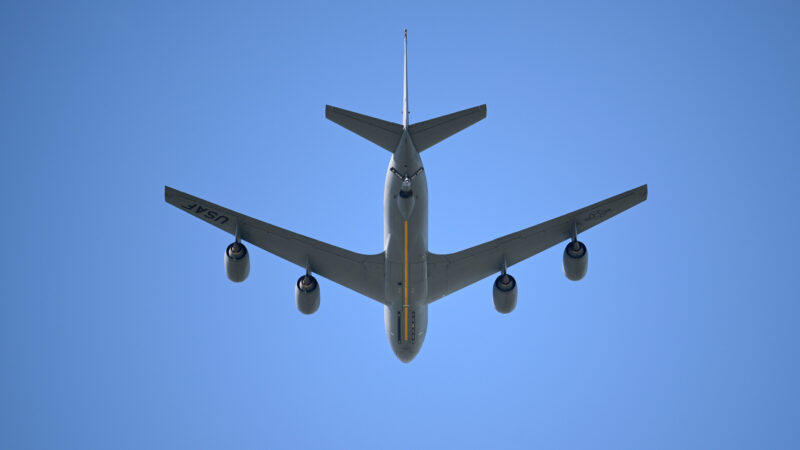
Crew of fatal US military crash included Alabama father recently deployed
The six U.S. service members who died in the crash of a U.S. military refueling aircraft included an Alabama father who had just been promoted and deployed. The U.S. government released the identities of the deceased service members Saturday.
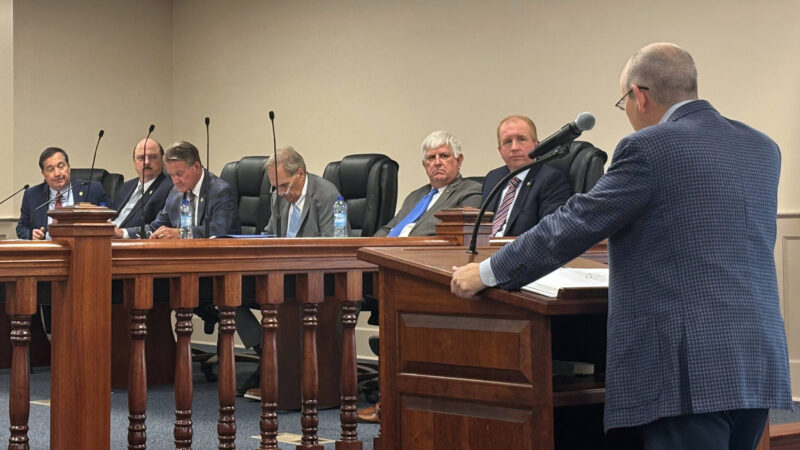
Alabama poised to drastically overhaul utility regulation. Will it lower electric bills?
The Alabama Senate unanimously voted to expand the public service commission, and create a Secretary of Energy to address rising electricity prices. A bill in the House would go even further, requiring rate case hearings and limiting utility profits.

Musher from Alabama is going for back-to-back Iditarod wins
Riches and paid appearances haven’t followed Jessie Holmes since he won the world’s most famous sled dog race, the Iditarod, last year. He doesn't mind.
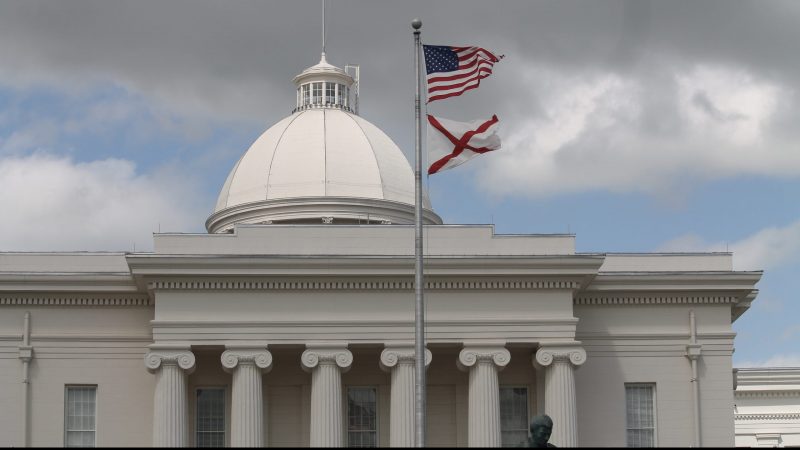
Bill would move Alabama to closed primaries
Right now, any Alabama voter can participate in a primary election. Lawmakers in Montgomery took up a bill this week that would change that system.
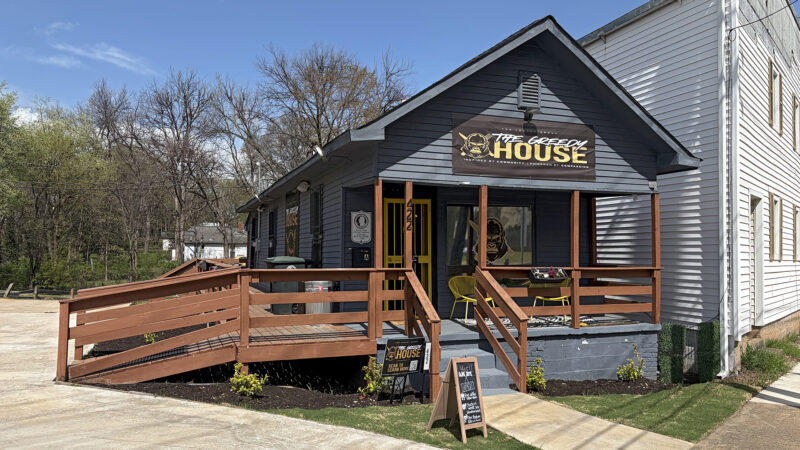
Auburn football player uses NIL funds to open a community hub in Birmingham
Jourdin Crawford, a freshman defensive lineman at Auburn, used earnings from a Name, Image, and Likeness deal to give back to his hometown.
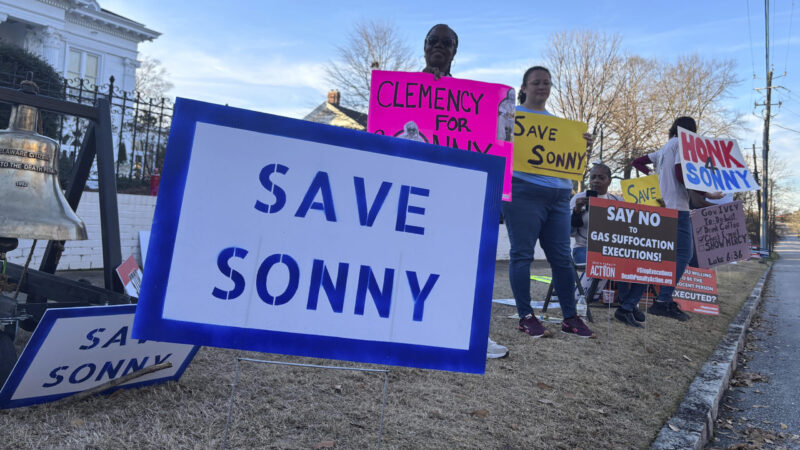
Ivey commutes death sentence of inmate whose accomplice fired fatal shot
Charles “Sonny” Burton was sentenced to death for the killing of Doug Battle during a 1991 robbery. However, another man shot Battle when Burton had left the building.