Alabama Board of Education cements state’s ban on critical race theory
The Alabama state board of education cemented its ban on critical race theory into its administrative code at its meeting Thursday. It was an expected step after it approved a resolution earlier this year to protect “intellectual freedoms and non-discrimination.” The effect: Alabama has essentially banned critical race theory in K-12 schools.
Critical race theory is not currently taught in Alabama public schools, but supporters of the ban argue the hotly debated curriculum could make students feel called out as oppressors or victims based on their race.
Before the vote, 11 speakers urged the board to vote against the final resolution. Phillip Ensler told the board what the ban meant to him as a member of the Jewish community who learned about the Holocaust as a child. He’s an attorney and a former teacher.
“In Germany, they teach Holocaust history because they know that no matter how uncomfortable it may be, they must teach it to prevent history from repeating itself and to heal,” Ensler said. “In the same way, teaching systemic racism here will not make Black children feel inferior … Nor will it make all white people feel at fault. And the way knowing my history empowers me, it will empower them.”
The resolution prohibits “offering K-12 instruction that indoctrinates students in social or political ideologies or theories that promote one race or sex above another.” But it’s still unclear what ramifications educators or school districts may face if they violate the ban. Some advocates fear it could have a chilling effect on teachers.
“Importantly, this resolution may also violate rights to equal protection, freedom of speech and expression, as well as due process rights not to be subject to vague and overbroad prohibitions which are guaranteed by the United States and Alabama constitutions,” said Hamida Labi, who serves as policy counsel for the NAACP Legal Defense and Educational Fund. “The resolution, therefore, is not only bad education policy but also may be unlawful.”
After the vote, there was audible disapproval from audience members. One shouted “shame on you” towards the board.
The board voted along party and racial lines. Wayne Reynolds, a Republican, was one of six white board members who voted yes on the policy. During the discussion period, Reynolds identified himself as Indigenous American as he defended his decision.
“My skin color may not be what you perceive an Indigenous American is, but that’s what I am. And my explanation, my desire, is that we teach equity among all of us,” Reynolds said. “If there’s any group of persons that are in the continental United States that have been subjected to mistreatment and in total acquisition of their lands, it is we Indigenous Americans. I have taught my children and my grandchildren, no matter what their situation or what their ancestors’ situation is, they have the opportunity to achieve.”
In contrast, Tonya Chestnut, a Democrat, was one of two Black board members who voted against the resolution. She argued the resolution doesn’t allow the full truth to be told.
“It saddens me that we’re at this point in 2021, and we have not progressed to the point that we cannot talk about things that may appear to be uncomfortable,” Chestnut said. “But I cannot support a resolution that will not own up to the fact that there are some racial issues in our country and in our state.”
Board member Yvette Richardson, who also voted against the resolution, addressed concerns about the freedom of teachers.
“We talk about autonomy and critical thinking — if we are going to determine what they teach, where is autonomy? And lastly, I feel we have moved forward in some issues, but if we do not reflect back on the history we are destined or doomed to repeat it.”
Alabama state lawmakers could take their own steps aimed at critical race theory since three similar bills are already pre-filed for next year’s session.
Kyra Miles is a Report for America Corps Member reporting on education for WBHM.
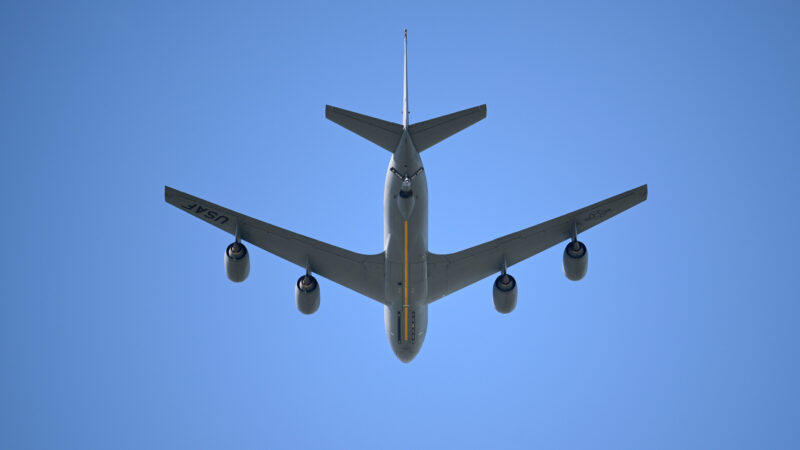
Crew of fatal US military crash included Alabama father recently deployed
The six U.S. service members who died in the crash of a U.S. military refueling aircraft included an Alabama father who had just been promoted and deployed. The U.S. government released the identities of the deceased service members Saturday.
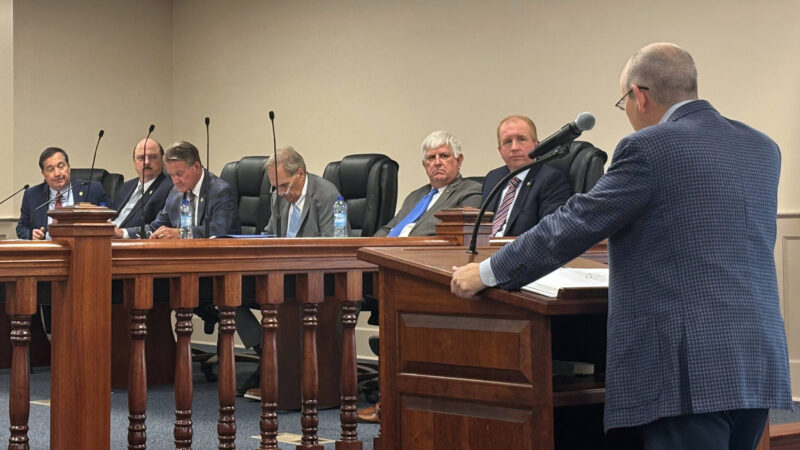
Alabama poised to drastically overhaul utility regulation. Will it lower electric bills?
The Alabama Senate unanimously voted to expand the public service commission, and create a Secretary of Energy to address rising electricity prices. A bill in the House would go even further, requiring rate case hearings and limiting utility profits.
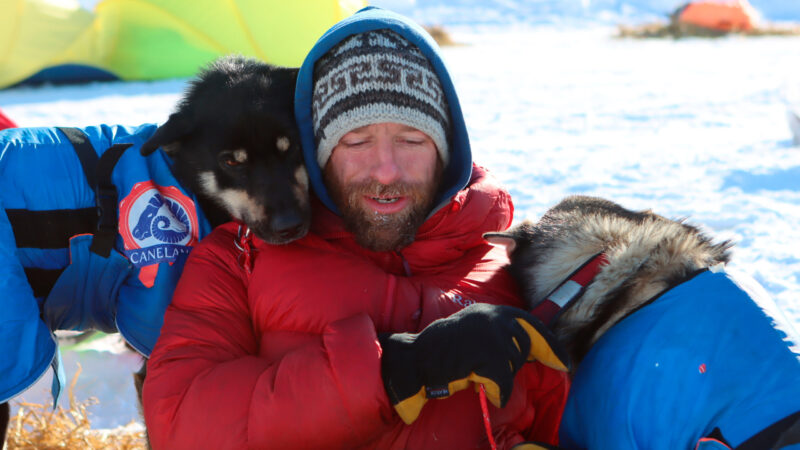
Musher from Alabama is going for back-to-back Iditarod wins
Riches and paid appearances haven’t followed Jessie Holmes since he won the world’s most famous sled dog race, the Iditarod, last year. He doesn't mind.
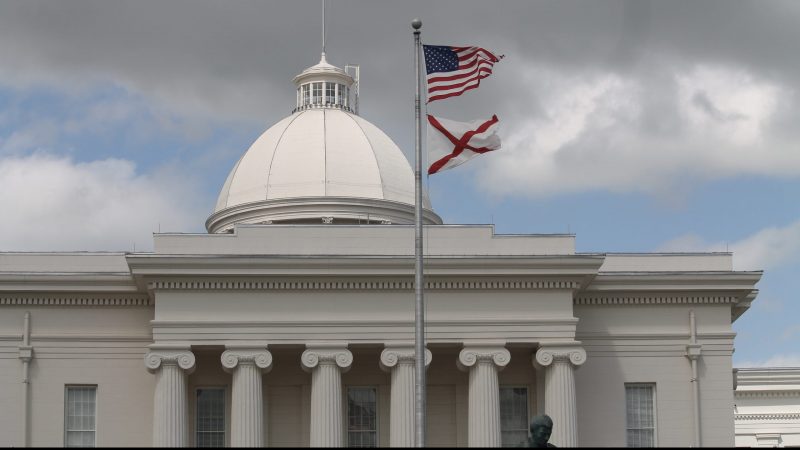
Bill would move Alabama to closed primaries
Right now, any Alabama voter can participate in a primary election. Lawmakers in Montgomery took up a bill this week that would change that system.
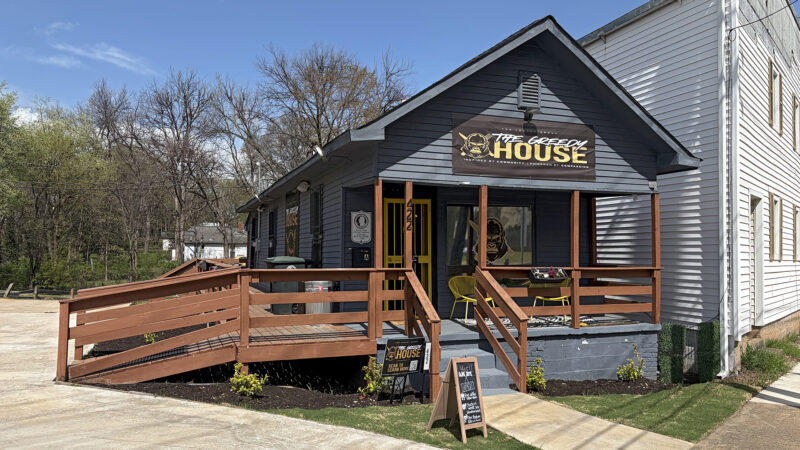
Auburn football player uses NIL funds to open a community hub in Birmingham
Jourdin Crawford, a freshman defensive lineman at Auburn, used earnings from a Name, Image, and Likeness deal to give back to his hometown.
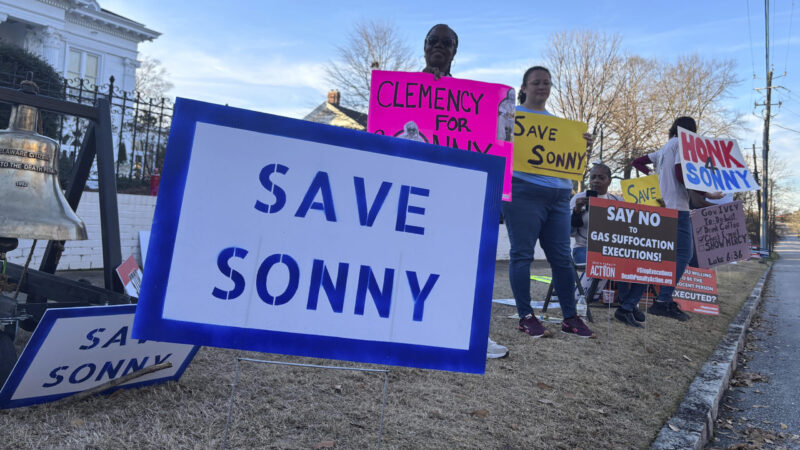
Ivey commutes death sentence of inmate whose accomplice fired fatal shot
Charles “Sonny” Burton was sentenced to death for the killing of Doug Battle during a 1991 robbery. However, another man shot Battle when Burton had left the building.