Students With Disabilities Face Significant Challenges As Schools Plan To Reopen
When schools shifted to virtual instruction in March, Marcella Roberts adapted as best as she could.
“It’s been … I’ll use the word interesting,” she said.
Roberts and her husband have twin boys starting middle school later this month. One of their sons, Joshua, has Down syndrome. For the family, the pandemic has created some challenges.
“Children with Down syndrome are very sociable,” Roberts said. “And there is no distancing with them because they love to hug.”
She has been teaching Joshua alternatives, like fist bumps and hand signals, so he will be prepared with safer greetings when he is back in school. He attends Hoover city schools, which will offer in-person classes on a staggered schedule.
Roberts wants Joshua to return to school not only because he loves being around other people, but because he receives services such as speech therapy that cannot be easily replicated at home.
“I think Joshua is going to do better in an in-person environment, being there with his instructors, and having that one-on-one time,” Roberts said.
But not all schools are offering in-person classes, and for some students with special needs, returning to school is too risky due to serious underlying health conditions. For these students, advocates and health experts worry the loss of in-person services could have significant consequences.
“You’re going to see a tremendous loss of learning among students with disabilities, some of which I fear will not easily be made up,” said Nancy Anderson, associate director of the Alabama Disabilities Advocacy Program.
Schools are required by federal law to provide special education services including physical and occupational therapy and personalized learning plans.
Many educators acknowledge the challenge of providing these services remotely, including state Superintendent Eric Mackey.
“Those vulnerable children, whether they’re children with special needs or our English language learners, children who have mental health needs, those are the ones that keep me up at night,” Mackey said during a recent press conference.
Anderson said parents understand these are unprecedented times, but they also need guidance about what to expect with online platforms.
“I think it’s really important for schools to engage with families,” she said, “get to the table with them and talk with them about how their child’s needs are going to be met.”
Many families are already struggling from the loss of in-person services in recent months.
Dr. Justin Schwartz, a behavioral pediatrician at Children’s Hospital, works with many patients who have autism or ADHD. He said for some, the pandemic has delayed progress.
“The functional skills, the adaptive skills, the kids who were working on toilet training or self-feeding or those things have been much more challenging to work on in a virtual way,” Schwartz said.
He said it takes a toll on both kids and their families, some of whom are dealing with other setbacks such as unemployment or other health concerns. The pressure, Schwartz said, can have a significant impact on everyone’s mental health.
“There’s always the possibility for more behavior issues at home,” he said. “There’s always the possibility for more discord between parents and children, or that overall family stress is heightened.”
Schwartz has talked with many parents about deciding whether to send their kids back to school. He said ultimately, it’s a risk-benefit analysis, and that can look different for every family.

Crew of fatal US military crash included Alabama father recently deployed
The six U.S. service members who died in the crash of a U.S. military refueling aircraft included an Alabama father who had just been promoted and deployed. The U.S. government released the identities of the deceased service members Saturday.
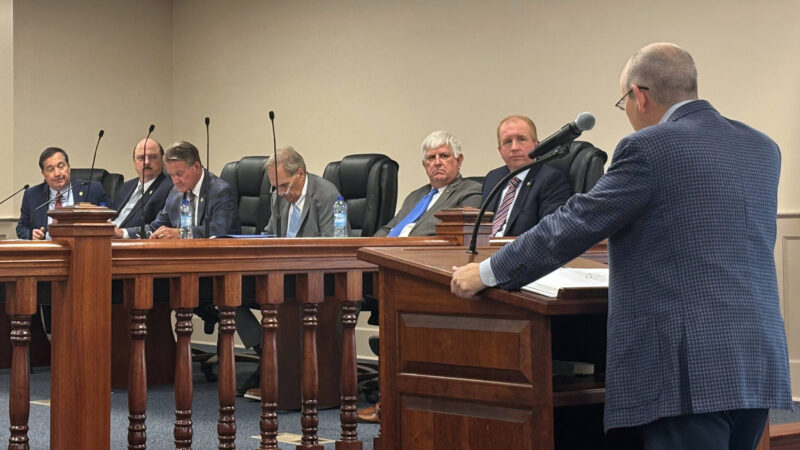
Alabama poised to drastically overhaul utility regulation. Will it lower electric bills?
The Alabama Senate unanimously voted to expand the public service commission, and create a Secretary of Energy to address rising electricity prices. A bill in the House would go even further, requiring rate case hearings and limiting utility profits.

Musher from Alabama is going for back-to-back Iditarod wins
Riches and paid appearances haven’t followed Jessie Holmes since he won the world’s most famous sled dog race, the Iditarod, last year. He doesn't mind.
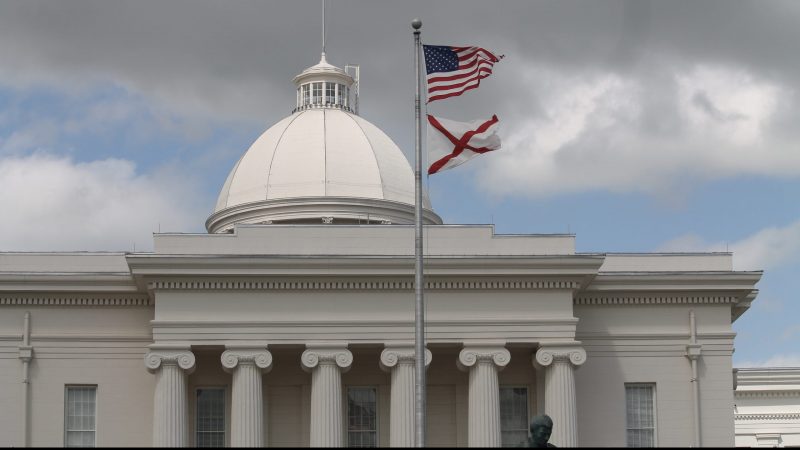
Bill would move Alabama to closed primaries
Right now, any Alabama voter can participate in a primary election. Lawmakers in Montgomery took up a bill this week that would change that system.
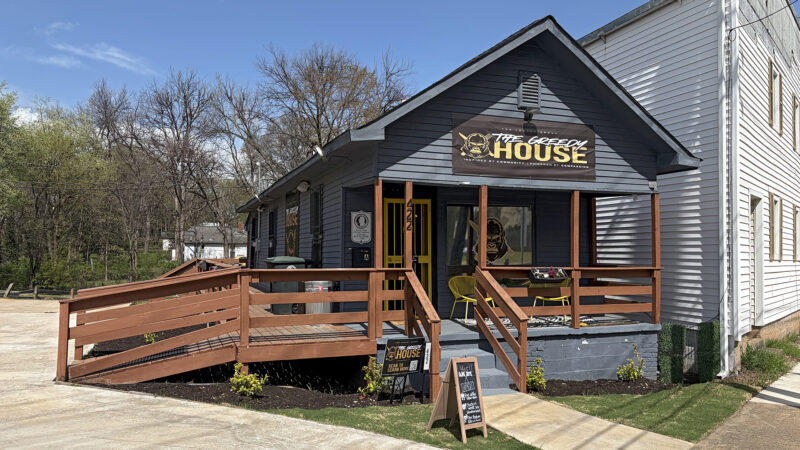
Auburn football player uses NIL funds to open a community hub in Birmingham
Jourdin Crawford, a freshman defensive lineman at Auburn, used earnings from a Name, Image, and Likeness deal to give back to his hometown.
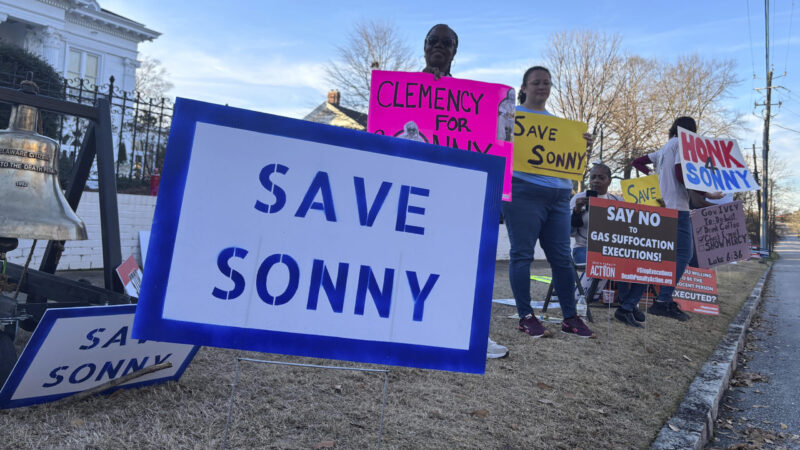
Ivey commutes death sentence of inmate whose accomplice fired fatal shot
Charles “Sonny” Burton was sentenced to death for the killing of Doug Battle during a 1991 robbery. However, another man shot Battle when Burton had left the building.