
Is Stay-in-Place Currently A Wise Policy For Alabama?
Most governors, including Alabama’s, have issued “stay-at-home” orders and shut down many businesses as a way to fight the spread of the coronavirus. But those efforts come with a huge economic cost as millions of people suddenly find themselves out of work. It’s a tension being hashed out by leaders and policy makers. It was also the subject of a formal debate this week in Birmingham.
Typically a debate would consist of two podiums on a stage and an audience watching. That is not possible in this era of COVID-19. Instead, this debate, sponsored by the Harvard Club of Birmingham, is a video conference over a lunch hour.
It still has the essentials with two people taking opposing sides and chance for them to question each other, plus a periodic reminder to hit mute. Perhaps the coronavirus equivalent of “silence your phones.”
The specific question at hand: “Is Stay-in-Place Currently a Wise Policy for Alabama?” Dr. Ellen Eaton, an infectious disease specialist at UAB, leads off with her argument in support.
“When you think about our community’s response to the coronavirus, specifically the novel coronavirus, we have very few preventive tools and even fewer treatment tools,” Eaton says.
She argues that without a vaccine or proven drugs therapies, the only tool really is social distancing. She adds easing up will mean a spike in cases. Eaton says in order to handle that we need widespread testing, enough medical staff, plus sufficient protective equipment. She says that’s not reality right now, so relaxing the policy is premature.
The opposing view comes from Kent Osband. He’s an economist in Birmingham who previously worked for the International Monetary Fund and the RAND Corporation. He likens the situation to a hurricane —models projected a category five storm with hospitals overwhelmed.
“In fact the evidence so far suggests a category two not a category four to five, roughly comparable to one extra season of flu,” Osband says. “Local hospitals are operating greatly under capacity.”
He says the lockdown has caused massive economic damage and panic. Osband is skeptical that social distancing is that effective based on the experience of some European countries with looser restrictions. He adds the current policy hampers our ability to fight future waves of COVID-19 by reducing heard immunity.
“We need to have, oddly enough, bad as it sounds, we need to have more infections not less,” Osband says.
With their cases laid out the back and forth continues. Eaton says the apparent reduced impact of the coronavirus is a sign of success.
“Remember, we said early on if this works people are going to say we’re overreacting,” Eaton says. “What you’re telling me is we overreacted. Well, could it be that we were right?”
Osband asks about developing countries, with many living in extreme poverty, where social distancing is difficult.
“What about India?” he asks. “Why are we getting so few cases in the developing world?”
“In the developing countries, remember if you don’t have a test, you don’t have a case,” Eaton replies.
The moderator guides the conversation and looks for points of common ground. There’s general agreement the data available is limited and incomplete.
Then toward the end of the debate, Osband puts forth an idea. Why not reopen Birmingham, cautiously, as a test case?
“And you know what? If that’s a mistake, then we’ll teach the country by negative example,” Osband says “It won’t be the first time Birmingham has taught the country by negative example and it won’t be the worst negative example.”
Time is running short and the debate just kind of ends without resolution. There’s no winner, but that’s by design. This debate is intended to be a discourse and a chance to examine ideas.
In one way, it’s an intellectual exercise over a lunch hour. In another way, it reflects a real-world debate happening right now.
In that debate, a decision will have to be made. Alabama’s shelter-in-place order ends Thursday, April 30, at 5 p.m.
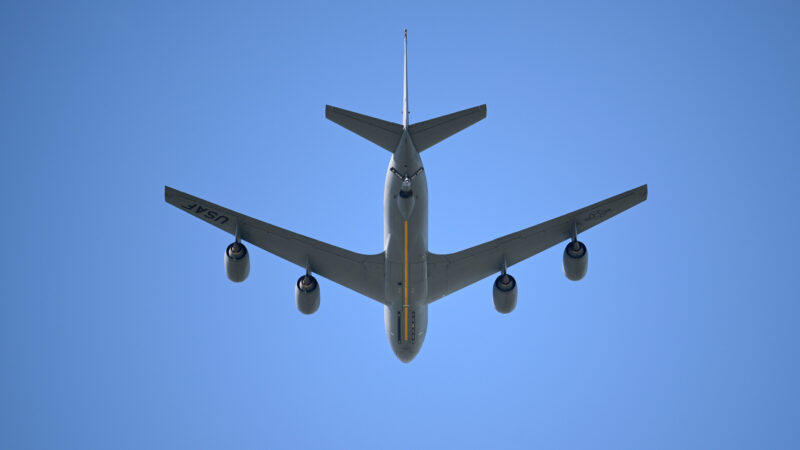
Crew of fatal US military crash included Alabama father recently deployed
The six U.S. service members who died in the crash of a U.S. military refueling aircraft included an Alabama father who had just been promoted and deployed. The U.S. government released the identities of the deceased service members Saturday.
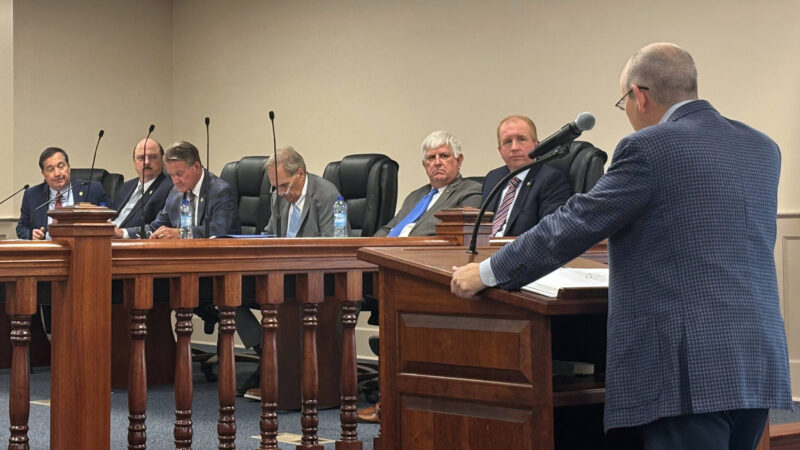
Alabama poised to drastically overhaul utility regulation. Will it lower electric bills?
The Alabama Senate unanimously voted to expand the public service commission, and create a Secretary of Energy to address rising electricity prices. A bill in the House would go even further, requiring rate case hearings and limiting utility profits.
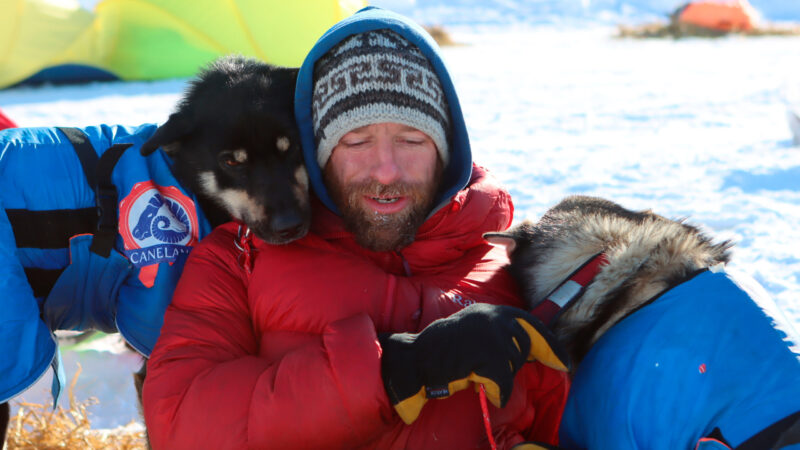
Musher from Alabama is going for back-to-back Iditarod wins
Riches and paid appearances haven’t followed Jessie Holmes since he won the world’s most famous sled dog race, the Iditarod, last year. He doesn't mind.
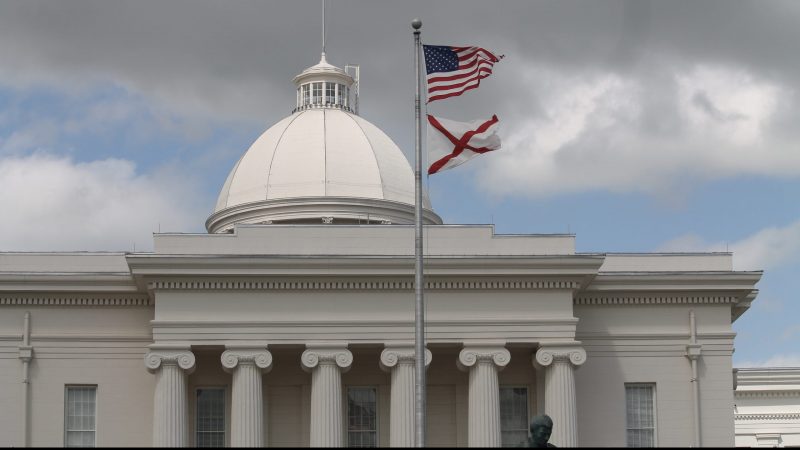
Bill would move Alabama to closed primaries
Right now, any Alabama voter can participate in a primary election. Lawmakers in Montgomery took up a bill this week that would change that system.
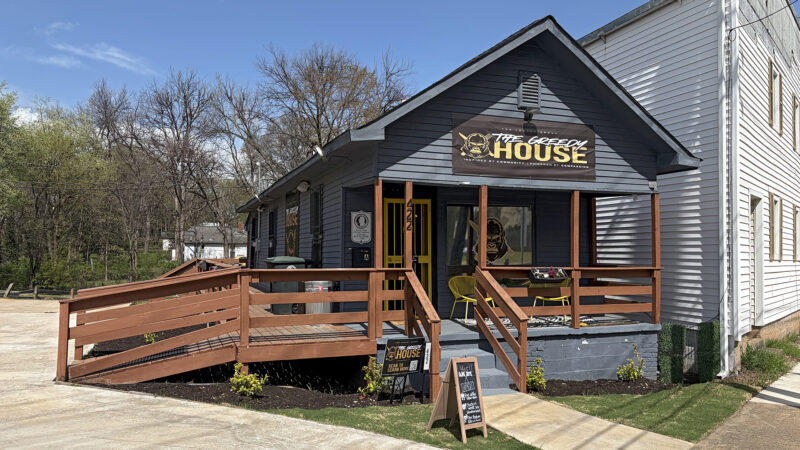
Auburn football player uses NIL funds to open a community hub in Birmingham
Jourdin Crawford, a freshman defensive lineman at Auburn, used earnings from a Name, Image, and Likeness deal to give back to his hometown.
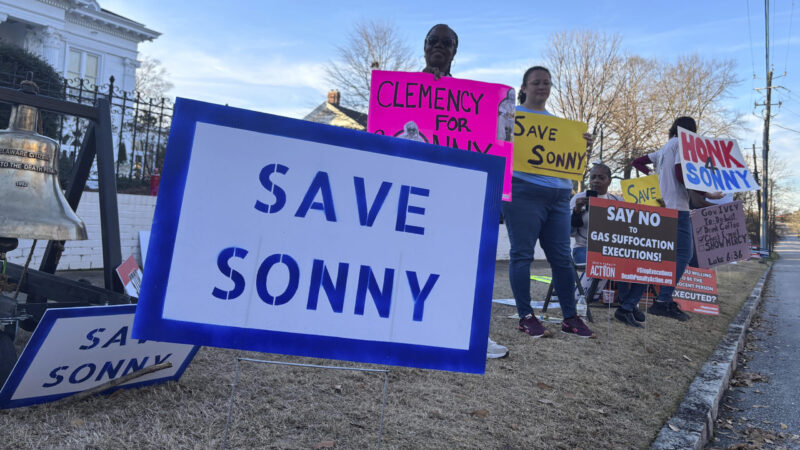
Ivey commutes death sentence of inmate whose accomplice fired fatal shot
Charles “Sonny” Burton was sentenced to death for the killing of Doug Battle during a 1991 robbery. However, another man shot Battle when Burton had left the building.