
How Inhaled Nitric Oxide Could Treat COVID-19
UAB announced this week it will start testing inhaled nitric oxide as a treatment for COVID-19 patients.
The study is open to 200 patients at eight locations internationally, including UAB. To qualify for the study, patients must test positive for the virus, be in the intensive care unit (ICU) and be receiving oxygen through a ventilator.
Dr. Pankaj Arora heads UAB’s effort. He says they often use nitric oxide to treat patients with failing lungs. The gas has been shown to improve blood flow to areas of the lungs that are receiving air, which helps boost the amount of oxygen circulating in the bloodstream, according to UAB. The gas also reduces the stress on the right side of the heart, which has to work harder when the lungs are in distress, as they often are in COVID-19 patients. Lung failure is the leading cause of death for patients with the virus.
“Improvement in the lung function and oxygenation along with improvement in the heart functions is anticipated primarily because there’s an improvement in the ventilation-perfusion matching in the lungs with the inhaled nitric oxide,” Arora says.
Nitric oxide was also used during the 2003 SARS pandemic and showed that it not only helped increase oxygen in patients, but also had anti-viral properties, according to Dr. Vibhu Parcha, a clinical research fellow with UAB’s Department of Cardiovascular Disease.
“Since the current strain of the coronavirus is quite similar to the one circulating back then, there’s a very high likelihood that this effective treatment strategy might help our sickest of the COVID-19 patients,” Parcha says.
Arora says for the first 48 hours of treatment, patients in the study will inhale a gas mixture that’s 80 parts per million of nitric oxide, which he calls a high dose. After the first 48 hours, patients will be stepped down to a dose of 40 parts per million for another 24 hours. Arora says they’ll then be able to see if the patients’ oxygen levels increase.
But Parcha warns there are potential side effects of taking high doses of nitric oxide.
“There’s a situation called formation of methemoglobin, which is a protein in your blood which decreases the oxygen-carrying capacity of the blood,” Parcha says. “That just underlines the fact that all medical care in these times of unprecedented crisis should be done under the watch of a physician who is trained, who understands what we’re doing so that all adverse events that may develop are handled appropriately.”
UAB is one of only two centers currently recruiting patients, but Arora says a trial location at Lousiana State University should open soon. He says they expect to fill the 200 spots quickly, but that the trial itself could take anywhere from a few weeks to months.

Crew of fatal US military crash included Alabama father recently deployed
The six U.S. service members who died in the crash of a U.S. military refueling aircraft included an Alabama father who had just been promoted and deployed. The U.S. government released the identities of the deceased service members Saturday.
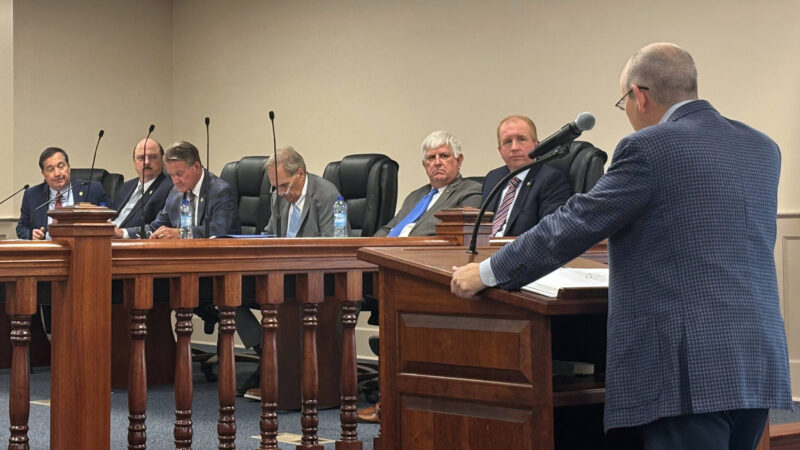
Alabama poised to drastically overhaul utility regulation. Will it lower electric bills?
The Alabama Senate unanimously voted to expand the public service commission, and create a Secretary of Energy to address rising electricity prices. A bill in the House would go even further, requiring rate case hearings and limiting utility profits.

Musher from Alabama is going for back-to-back Iditarod wins
Riches and paid appearances haven’t followed Jessie Holmes since he won the world’s most famous sled dog race, the Iditarod, last year. He doesn't mind.

Bill would move Alabama to closed primaries
Right now, any Alabama voter can participate in a primary election. Lawmakers in Montgomery took up a bill this week that would change that system.
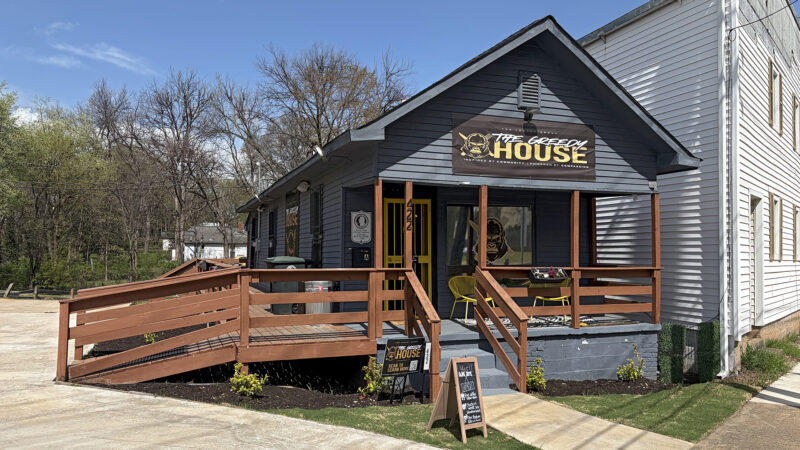
Auburn football player uses NIL funds to open a community hub in Birmingham
Jourdin Crawford, a freshman defensive lineman at Auburn, used earnings from a Name, Image, and Likeness deal to give back to his hometown.
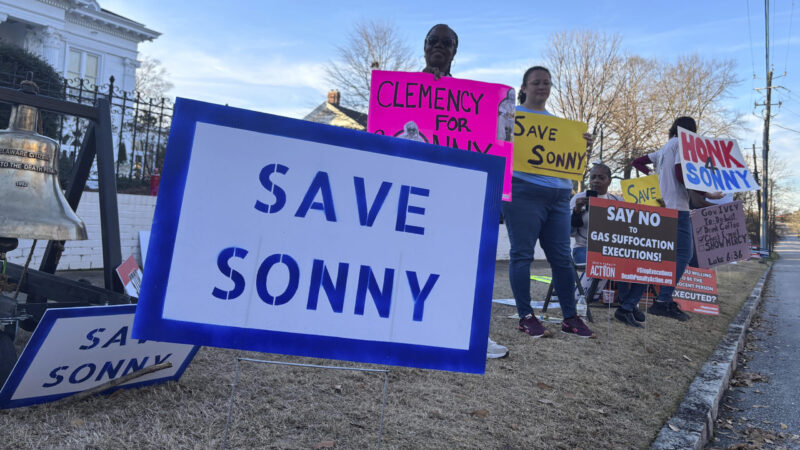
Ivey commutes death sentence of inmate whose accomplice fired fatal shot
Charles “Sonny” Burton was sentenced to death for the killing of Doug Battle during a 1991 robbery. However, another man shot Battle when Burton had left the building.