
UAB Using Whole Blood to Improve Trauma Care
When someone is experiencing severe blood loss, that blood needs to be replaced as soon as possible. Most doctors deliver this transfusion as a “balanced resuscitation,” combining equal amounts of red blood cells, plasma and platelets, which is how blood is separated and delivered to most U.S. hospitals. But a balanced resuscitation is not the same thing as using whole blood that has never been separated, according to Dr. Marisa Marques, medical director of transfusion services at UAB Hospital.
“You’re not able to reconstitute whole blood just mixing the other components,” Marques says, “because each one of them is somewhat diluted with anticoagulant and other substances.”
Most of the research on whole blood transfusions comes from the military and treating injured soldiers in war zones. It suggests that transfusing actual whole blood to care for hemorrhaging patients can lead to better outcomes. Patients may require less blood to be transfused, and they often recover faster. UAB trauma surgeon Dr. Daniel Cox says another advantage of using whole blood, rather than separated components, is that it saves time.
“For the very seriously injured patient, this has the potential to significantly improve the chances of that person surviving,” says Cox.
UAB Hospital recently joined a growing number of hospitals across the country that use whole blood to treat severe trauma patients. Dr. Marques says finding a supply was not easy. It is not available from the local American Red Cross (ARC), where UAB gets most of its blood products. The hospital ended up having to get it from an ARC blood bank in Oklahoma.
Marques says whole blood has to meet strict requirements. To ensure that the product can be used for most patients, she says donors have to be male with low-antigen, type O blood. And timing is key, as whole blood has a shelf life of about three weeks, which is about half that of packed red blood cells.
UAB receives 12 units every week, which is less than 5% of the hospital’s total blood supply. UAB trauma doctors say that since they started receiving the whole blood in August they have used just about every drop.

Crew of fatal US military crash included Alabama father recently deployed
The six U.S. service members who died in the crash of a U.S. military refueling aircraft included an Alabama father who had just been promoted and deployed. The U.S. government released the identities of the deceased service members Saturday.
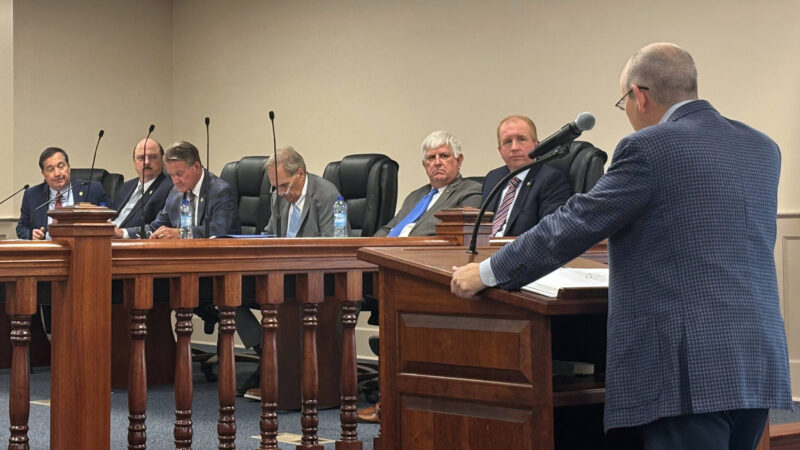
Alabama poised to drastically overhaul utility regulation. Will it lower electric bills?
The Alabama Senate unanimously voted to expand the public service commission, and create a Secretary of Energy to address rising electricity prices. A bill in the House would go even further, requiring rate case hearings and limiting utility profits.

Musher from Alabama is going for back-to-back Iditarod wins
Riches and paid appearances haven’t followed Jessie Holmes since he won the world’s most famous sled dog race, the Iditarod, last year. He doesn't mind.
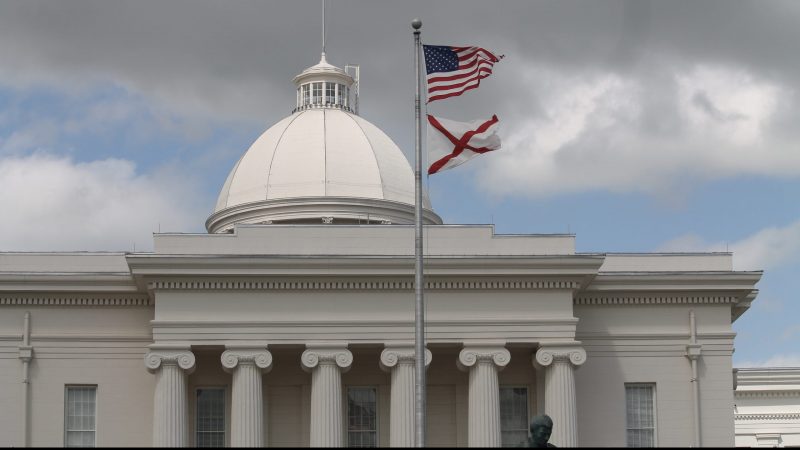
Bill would move Alabama to closed primaries
Right now, any Alabama voter can participate in a primary election. Lawmakers in Montgomery took up a bill this week that would change that system.
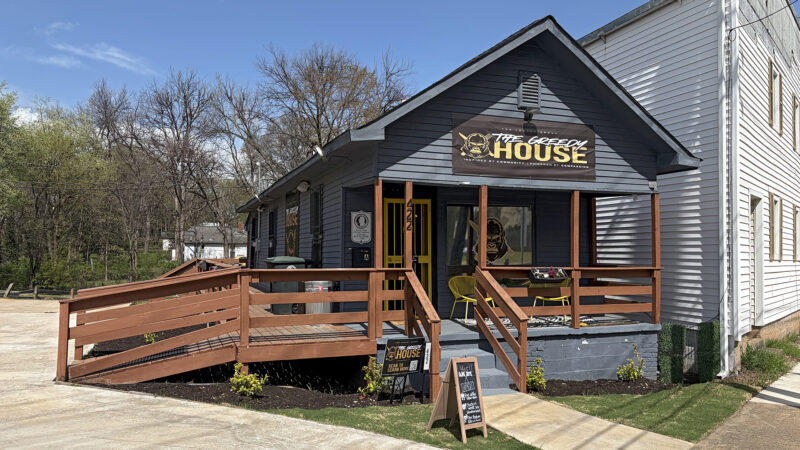
Auburn football player uses NIL funds to open a community hub in Birmingham
Jourdin Crawford, a freshman defensive lineman at Auburn, used earnings from a Name, Image, and Likeness deal to give back to his hometown.
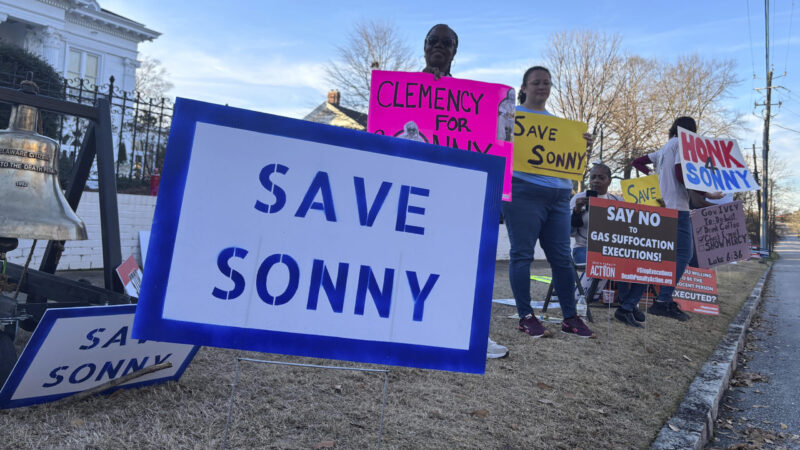
Ivey commutes death sentence of inmate whose accomplice fired fatal shot
Charles “Sonny” Burton was sentenced to death for the killing of Doug Battle during a 1991 robbery. However, another man shot Battle when Burton had left the building.