
New Podcast Reveals “White Lies” in Selma
In 1965, Rev. James Reeb was beaten to death by white segregationists in Selma. Reeb himself was white. In an NPR podcast released Tuesday, co-hosts Andrew Beck Grace and Chip Brantley try to uncover the truth about Reeb’s death. In the podcast “White Lies,” the two Alabama natives encounter stories of guilt and learn some lessons of their own.
Interview Highlights
Unraveling the history behind James Reeb’s death:
Brantley: “The sort of strategy of our communities was not to talk about it at all. The way to grapple with this recent past was not to grapple with it. It was to say ‘Oh you know that was the past. Let’s leave that alone. Let’s move forward now. Let’s look forward. Let’s stop talking about race. Let’s not make everything about race.’ That’s the kind of world we grew up in. And you know, of course when you look at a story … 50 years is a long time ago but it’s not that long. When you start looking at a story like this, when you talk to people who were there, when you talk to people who were characters in this story from 1965 and you hear their memories you realize it is not that long ago.”
Why people in Selma were comfortable talking about Reeb’s death with Brantley and Grace:
Grace: “I think honestly it has everything to do with us being white Southerners and being able to go into to this community and ask questions and really be curious about the stories and the experiences that these folks had. And I think in some ways we were not perceived as a threat and I don’t think journalists are a threat. But I think whenever you’re trying to hold something, hold a secret, there’s a resistance to telling anyone who you think might do something that you don’t want them to do with that secret. So yeah, we were pretty conscious of our white Southernness allowing us in many ways to be able to have these conversations.”
Advantages of reporting as white Southern men:
Brantley: “I mean I think it had everything to do with our ability to get people to talk to us. So I think we were cognizant from the beginning. One of the things that I think has happened to both Andy and to me throughout this process is this stripping away of all of these layers. When we came into this we were curious about what happened. We went in with a mission of getting the definitive account. I’ll call it a pure motive, sort of pure journalistic motive to try to get the definitive account for a story that had so many different versions, still to this day. I think that was a good guiding light. But I don’t think that we could have done any of the meaningful work that we did as reporters in the same way if we had not been two white men from the South. I really don’t.”
On interviewing witnesses:
Grace: “It was not easy. In some cases it was. Again, our whiteness, our ability to talk casually about the running back situation for the Crimson Tide, I mean, we can enter into worlds, I think, as white Alabamians that maybe a journalist of color or a journalist not from Alabama might not be able to do. So it was easy sometimes. But I will say that this show hinges around a source that we cultivated for years and that person’s decision, finally, to go on the record is essentially the reason why we’re able to tell the story in the first place. So that’s just the long work of journalism it feels like.”
The role of fear within Selma’s white community after Reeb’s killing:
Grace: “There are so many different people who could have done something and didn’t and I think there were a lot of different reasons. Fear, I think, probably motivated some people. But I also think there was a story that was created about what really happened to Jim Reeb, that he was not badly hurt in Selma. It’s a story that many people still believe to this day. And by perpetuating that story, what white Selma did in many ways is they absolve themselves for any responsibility of that violence. And I think that’s what we really saw in our reporting is there in many ways it wasn’t. There’s not bad faith collectively across all of white Selma to perpetuate a lie. There is just a story that was told to that community that was received well by that community because they felt like victims. I mean listen, I was born and raised here. As an Alabamian, I feel like a victim of this past, of this history. I feel defensive of this place so often when I travel outside of it. I understand how that feels. And in a place like Selma, that had such pride and such a unique history there was even more reason to want to preserve what they thought was special and unique about the place. And the idea that all this unmitigated violence would happen there and that this white reverend from Boston would be brutally murdered on their streets, they don’t want to have anything to do with that. So that’s how they sort of allowed themselves to believe this for all these years.”

Crew of fatal US military crash included Alabama father recently deployed
The six U.S. service members who died in the crash of a U.S. military refueling aircraft included an Alabama father who had just been promoted and deployed. The U.S. government released the identities of the deceased service members Saturday.
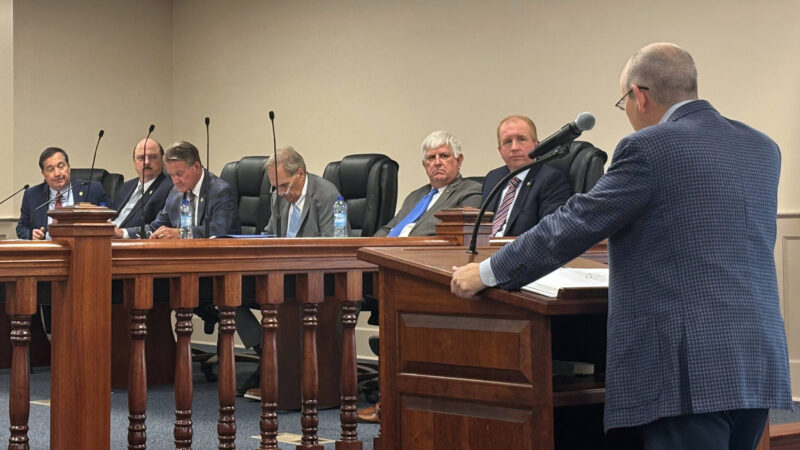
Alabama poised to drastically overhaul utility regulation. Will it lower electric bills?
The Alabama Senate unanimously voted to expand the public service commission, and create a Secretary of Energy to address rising electricity prices. A bill in the House would go even further, requiring rate case hearings and limiting utility profits.
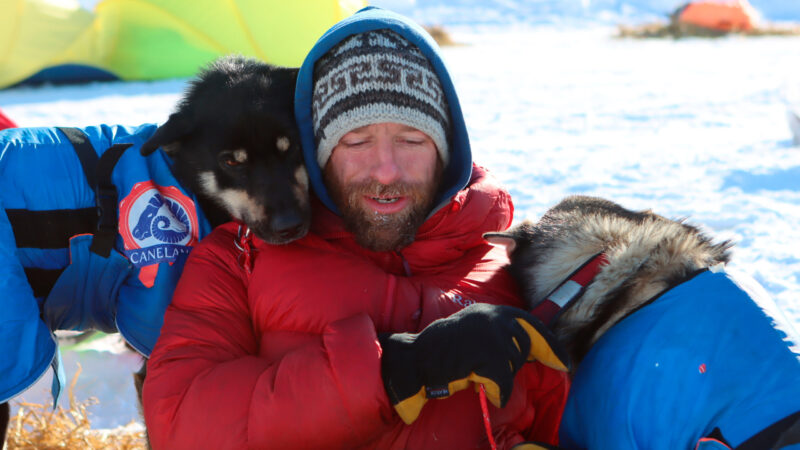
Musher from Alabama is going for back-to-back Iditarod wins
Riches and paid appearances haven’t followed Jessie Holmes since he won the world’s most famous sled dog race, the Iditarod, last year. He doesn't mind.
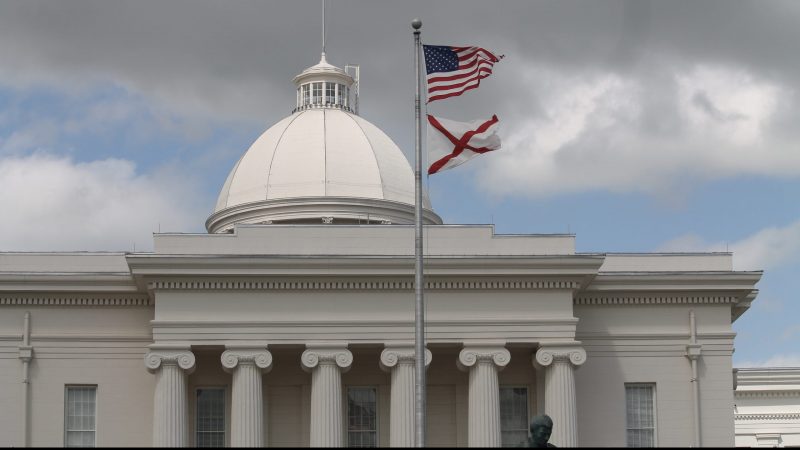
Bill would move Alabama to closed primaries
Right now, any Alabama voter can participate in a primary election. Lawmakers in Montgomery took up a bill this week that would change that system.
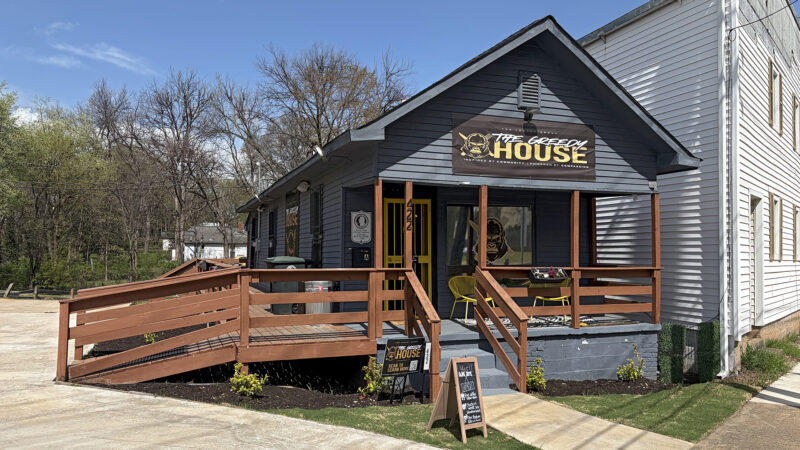
Auburn football player uses NIL funds to open a community hub in Birmingham
Jourdin Crawford, a freshman defensive lineman at Auburn, used earnings from a Name, Image, and Likeness deal to give back to his hometown.
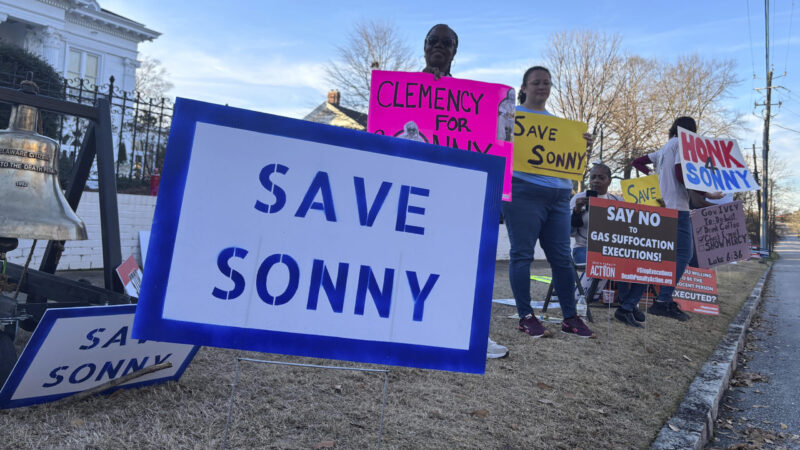
Ivey commutes death sentence of inmate whose accomplice fired fatal shot
Charles “Sonny” Burton was sentenced to death for the killing of Doug Battle during a 1991 robbery. However, another man shot Battle when Burton had left the building.