
Bill Would Hold Back Third Graders Who Don’t Read Proficiently
A bill making its way through the Alabama Legislature requires that third graders read proficiently by the end of third grade or else be held back. The state consistently ranks near the bottom on national achievement tests in reading. Supporters of the bill say poor reading skills cause problems down the road.
More than half of Jefferson County third-grade students aren’t proficient in reading. In Birmingham city schools, it’s about three-quarters of third graders, according to the state Department of Education.
Rep. Terri Collins, who chairs the House Education Policy Committee and sponsored the Alabama Literacy Act, says holding those students back and giving them extra support helps them in the long term.
“You basically learn to read from pre-K through third grade. But after third grade, you read to learn,” Collins says.
The bill calls for the state to spend more on teacher training and early intervention.
About two dozen states have enacted laws similar to the one proposed in Alabama. In Mississippi, education officials say their students made dramatic progress when they invested more in early reading intervention and held back students who weren’t reading on grade level.
Collins says she wants the same for Alabama. Students who fail to master reading by third grade, she says, have trouble with other subjects such as science, history, and math.
“If we can address these needs when they are in kindergarten through third grade, we can help these students overcome those challenges,” Collins says.
Aquilla Fultz’s three children attend Jefferson County schools – one each in elementary, middle and high school. Over the years, she’s helped her children stay on track with summer reading camps, and she closely monitors their progress during the school year.
If you wait until third grade to intervene, you’ve waited too long, she says.
“If a student is having issues reading, they should have been held back before third grade,” Fultz says. “If you are seeing a problem in kindergarten, it needs to be caught and handled then.”
Some studies show holding students back puts them at increased risk of dropping out of high school. But Cari Miller, with the Florida-based education policy group ExcelinEd, doesn’t see it that way.
“It’s actually an opportunity for students that are severely below grade level to get the time they need with highly effective instruction by a highly effective teacher, to set them up to be successful in fourth grade where really the course work becomes much more rigorous,” Miller says.
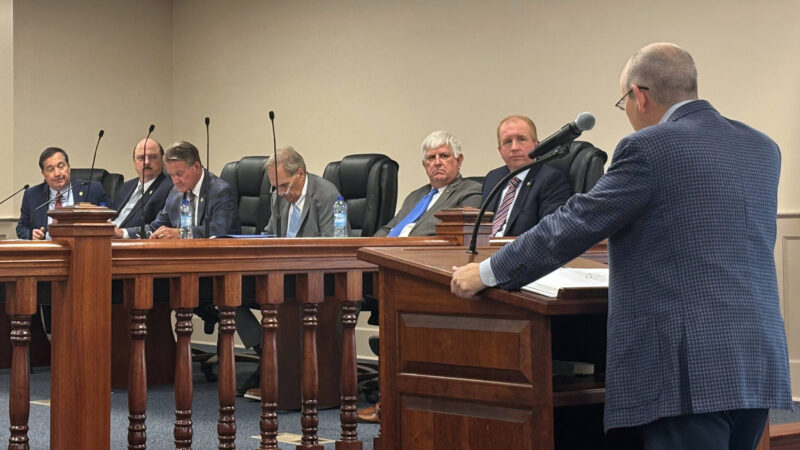
Miller’s organization worked with Alabama lawmakers to develop the Literacy Act. She spoke last week in Montgomery at a public hearing where House committee members later approved the bill.
Sally Smith, executive director of the Alabama Association of School Boards, also was at that hearing. She says educators want reading achievement to improve, but they don’t want unfunded mandates.
“We don’t want to put mandates, when it’s hard enough to find teachers,” Smith says. “So we want to make sure that there’s a phase in to reach this and that there might be some flexibility if needed.” It’s unclear under the bill how much the state would allocate for reading specialists and early intervention.
Smith says programs — not policies — help students become better readers.
If the bill passes in the House, it moves onto the Senate for final approval.
Photo by the U.S. Military

Crew of fatal US military crash included Alabama father recently deployed
The six U.S. service members who died in the crash of a U.S. military refueling aircraft included an Alabama father who had just been promoted and deployed. The U.S. government released the identities of the deceased service members Saturday.
Alabama poised to drastically overhaul utility regulation. Will it lower electric bills?
The Alabama Senate unanimously voted to expand the public service commission, and create a Secretary of Energy to address rising electricity prices. A bill in the House would go even further, requiring rate case hearings and limiting utility profits.

Musher from Alabama is going for back-to-back Iditarod wins
Riches and paid appearances haven’t followed Jessie Holmes since he won the world’s most famous sled dog race, the Iditarod, last year. He doesn't mind.
Bill would move Alabama to closed primaries
Right now, any Alabama voter can participate in a primary election. Lawmakers in Montgomery took up a bill this week that would change that system.
Auburn football player uses NIL funds to open a community hub in Birmingham
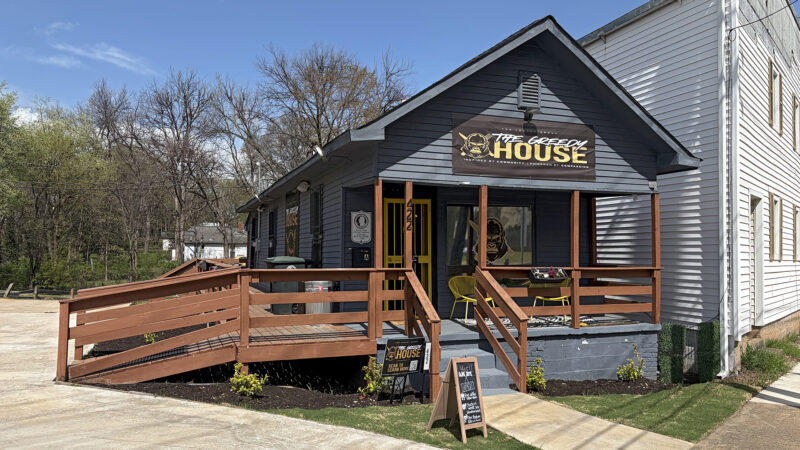
Jourdin Crawford, a freshman defensive lineman at Auburn, used earnings from a Name, Image, and Likeness deal to give back to his hometown.
Ivey commutes death sentence of inmate whose accomplice fired fatal shot
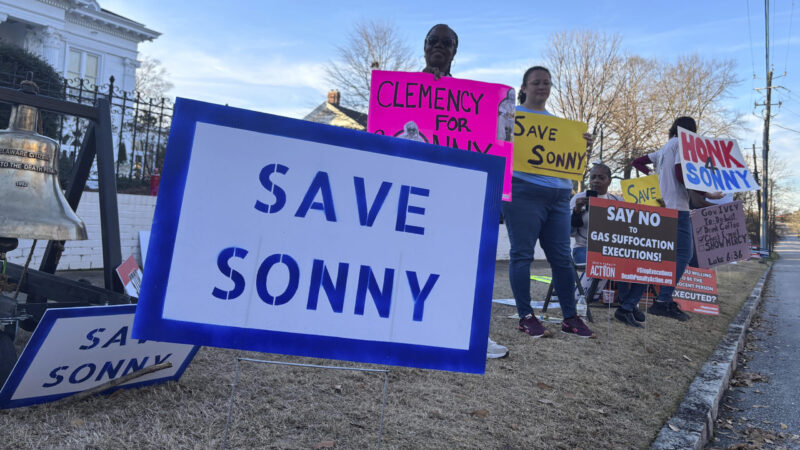
Charles “Sonny” Burton was sentenced to death for the killing of Doug Battle during a 1991 robbery. However, another man shot Battle when Burton had left the building.