
Museum Exhibit Gives a View of 1930s Birmingham
Walk through Birmingham of the 1930s and you would have seen buildings that are familiar to us today such as the four, early skyscrapers around the spot downtown known as the “Heaviest Corner on Earth.” But you would have also seen buildings that have long since disappeared, such as Terminal Station.
Images of these are part of a new exhibit at the Birmingham Museum of Art called Magic City Realism. The collection of etchings created in the 1930s by artist Richard Coe depict landmarks and everyday life of the city’s working class.
While some scenes may be familiar, Coe is a bit of a mystery.
“He’s not somebody who is really well known among American art historians or art historians more broadly,” says Katelyn Crawford, American art curator for the Birmingham Museum of Art. “Nobody’s worked on him prior to this exhibition.”
Coe was born in Selma in 1904. He studied in many cities including Cincinnati, New York and Boston. He also had a studio for two years in Florence, Italy. He lived in Birmingham from 1934 to 1939 and Crawford suspects he returned to Alabama because of a family connection.
“It’s a difficult time for artists and everyone in the mid-1930s and his grandmother lives here and he can live with her,” Crawford says.
Coe participated in Alabama Works Progress Administration projects, including painting a mural in the auditorium of Woodlawn High School in Birmingham. And while it’s a guess, Crawford thinks the etchings were probably for a federal project too.
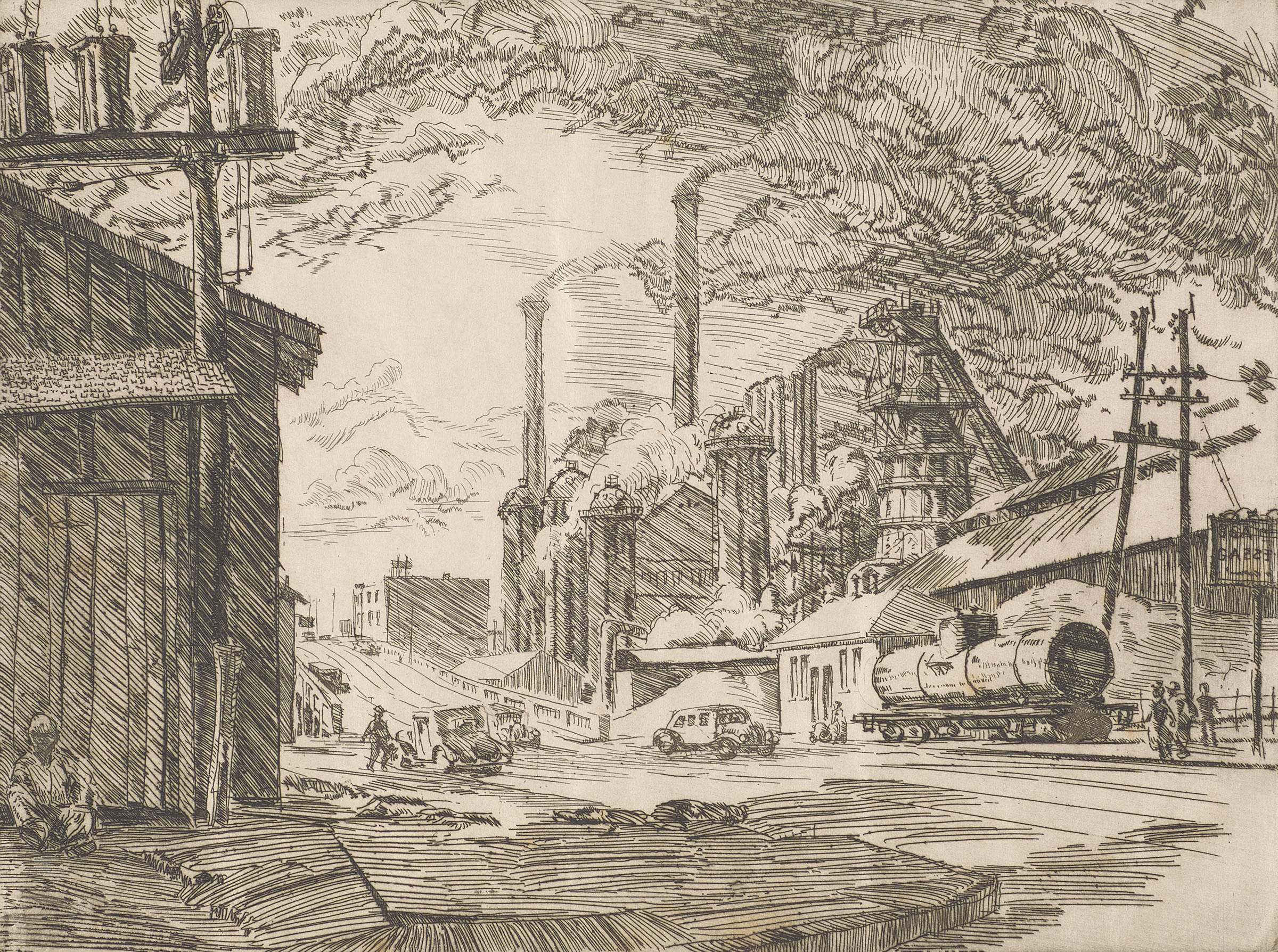
Richard B. Coe, American 1904–1978, Sloss Furnaces, about 1935, etching on paper; Collection of the Art Fund, Inc. at the Birmingham Museum of Art; Gift of John Peter Crook McCall and Doy Leale McCall, III
The etchings feature recognizable views from the city skyline to steel factories.
“I really wanted people to be drawn into what people already know in Birmingham and start to pick that apart for them,” says Crawford. “Show them how Birmingham is not only very similar to what it was in the 1930s but has also changed dramatically.”
One of those differences is rundown housing in and around downtown that was quickly built to hold industry workers as the city boomed in its first few decades.

Richard B. Coe, American 1904–1978, Stilt Walkers, about 1935, etching on paper; Lent by John Peter Crook McCall
Crawford says it’s notable what Coe is depicting and what he leaves out. His etchings include blast furnaces, downtown buildings built by that wealth and gathering places for workers.
“But he’s not showing things like the Alabama Theatre or sort of high-end housing for people who owned the mines,” says Crawford. “It’s a very specific portrait of the city.”
Magic City Realism continues through June 17th.
The Birmingham Museum of Art is a program sponsor on WBHM, but the news and business departments operate independently.
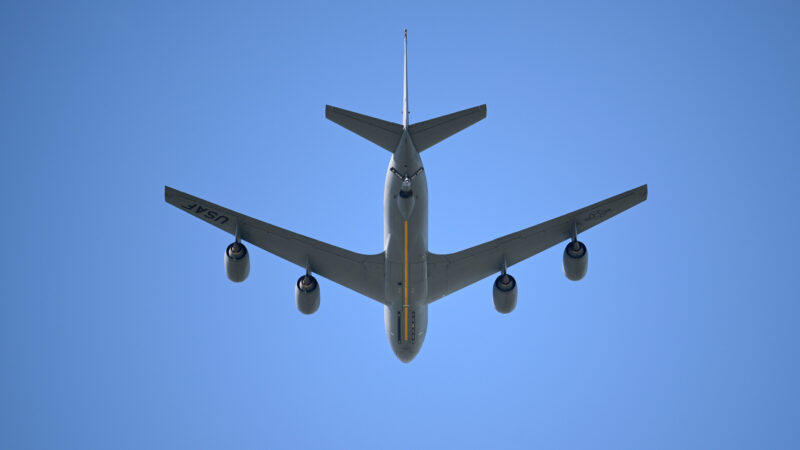
Crew of fatal US military crash included Alabama father recently deployed
The six U.S. service members who died in the crash of a U.S. military refueling aircraft included an Alabama father who had just been promoted and deployed. The U.S. government released the identities of the deceased service members Saturday.
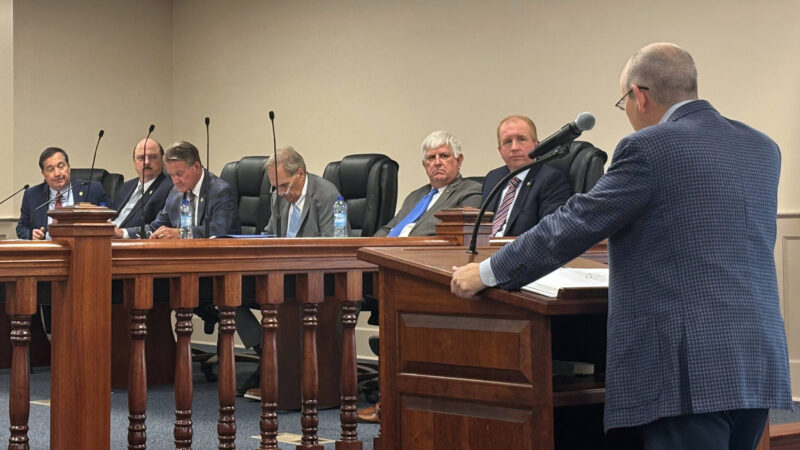
Alabama poised to drastically overhaul utility regulation. Will it lower electric bills?
The Alabama Senate unanimously voted to expand the public service commission, and create a Secretary of Energy to address rising electricity prices. A bill in the House would go even further, requiring rate case hearings and limiting utility profits.

Musher from Alabama is going for back-to-back Iditarod wins
Riches and paid appearances haven’t followed Jessie Holmes since he won the world’s most famous sled dog race, the Iditarod, last year. He doesn't mind.
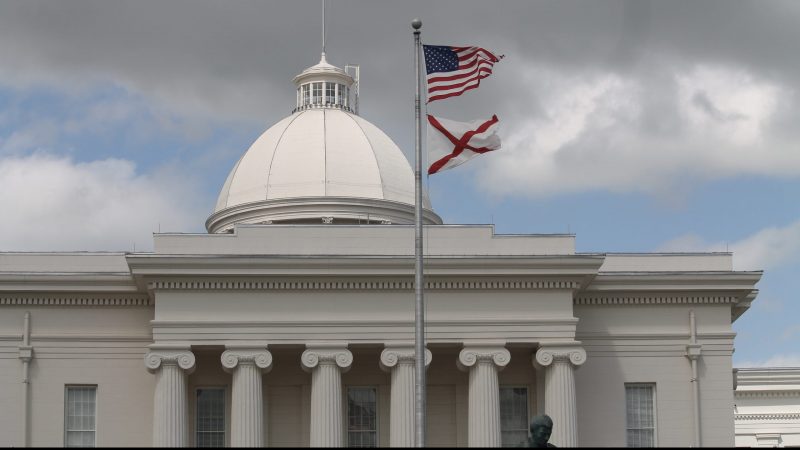
Bill would move Alabama to closed primaries
Right now, any Alabama voter can participate in a primary election. Lawmakers in Montgomery took up a bill this week that would change that system.
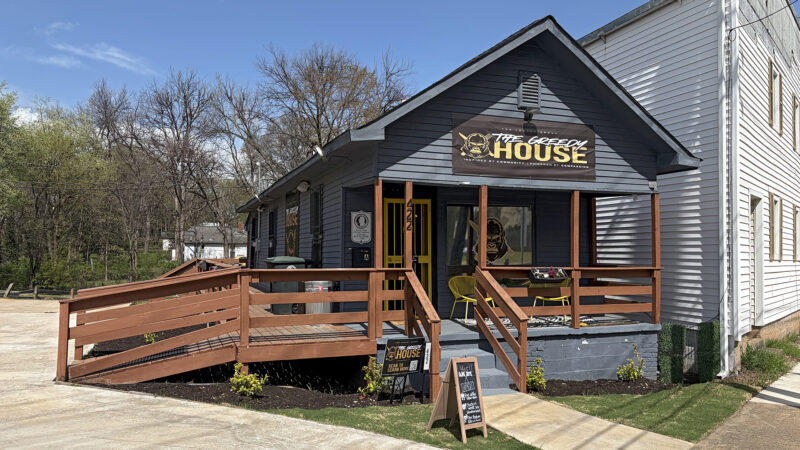
Auburn football player uses NIL funds to open a community hub in Birmingham
Jourdin Crawford, a freshman defensive lineman at Auburn, used earnings from a Name, Image, and Likeness deal to give back to his hometown.
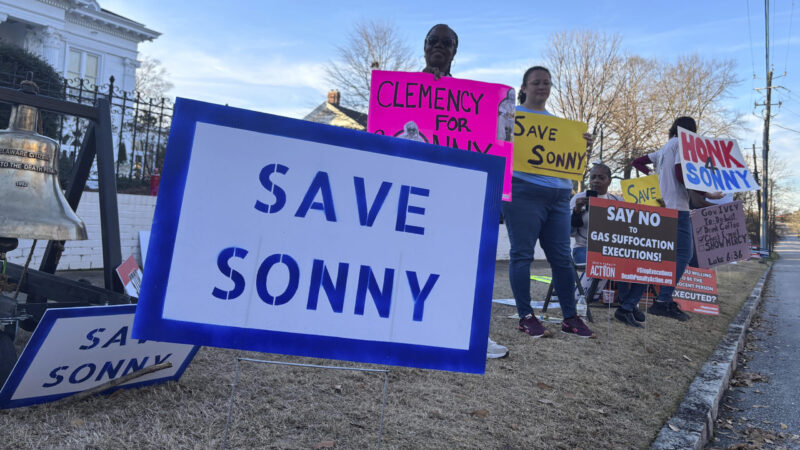
Ivey commutes death sentence of inmate whose accomplice fired fatal shot
Charles “Sonny” Burton was sentenced to death for the killing of Doug Battle during a 1991 robbery. However, another man shot Battle when Burton had left the building.