
Gwen Webb: From the Children’s March to the Police Force

 ========= Old Image Removed =========Array
(
    [_wp_attached_file] => Array
        (
            [0] => 2018/02/Gwen_Webb.jpg
        )

    [_wp_attachment_metadata] => Array
        (
            [0] => a:5:{s:5:"width";i:1920;s:6:"height";i:1589;s:4:"file";s:21:"2018/02/Gwen_Webb.jpg";s:5:"sizes";a:13:{s:6:"medium";a:4:{s:4:"file";s:21:"Gwen_Webb-336x278.jpg";s:5:"width";i:336;s:6:"height";i:278;s:9:"mime-type";s:10:"image/jpeg";}s:5:"large";a:4:{s:4:"file";s:21:"Gwen_Webb-771x638.jpg";s:5:"width";i:771;s:6:"height";i:638;s:9:"mime-type";s:10:"image/jpeg";}s:9:"thumbnail";a:4:{s:4:"file";s:21:"Gwen_Webb-140x140.jpg";s:5:"width";i:140;s:6:"height";i:140;s:9:"mime-type";s:10:"image/jpeg";}s:12:"medium_large";a:4:{s:4:"file";s:21:"Gwen_Webb-768x636.jpg";s:5:"width";i:768;s:6:"height";i:636;s:9:"mime-type";s:10:"image/jpeg";}s:9:"1536x1536";a:4:{s:4:"file";s:23:"Gwen_Webb-1536x1271.jpg";s:5:"width";i:1536;s:6:"height";i:1271;s:9:"mime-type";s:10:"image/jpeg";}s:9:"wbhm-icon";a:4:{s:4:"file";s:19:"Gwen_Webb-80x80.jpg";s:5:"width";i:80;s:6:"height";i:80;s:9:"mime-type";s:10:"image/jpeg";}s:13:"wbhm-featured";a:4:{s:4:"file";s:21:"Gwen_Webb-600x338.jpg";s:5:"width";i:600;s:6:"height";i:338;s:9:"mime-type";s:10:"image/jpeg";}s:20:"wbhm-featured-square";a:4:{s:4:"file";s:21:"Gwen_Webb-600x600.jpg";s:5:"width";i:600;s:6:"height";i:600;s:9:"mime-type";s:10:"image/jpeg";}s:18:"wbhm-featured-home";a:4:{s:4:"file";s:21:"Gwen_Webb-376x311.jpg";s:5:"width";i:376;s:6:"height";i:311;s:9:"mime-type";s:10:"image/jpeg";}s:22:"wbhm-featured-carousel";a:4:{s:4:"file";s:21:"Gwen_Webb-320x265.jpg";s:5:"width";i:320;s:6:"height";i:265;s:9:"mime-type";s:10:"image/jpeg";}s:28:"ab-block-post-grid-landscape";a:4:{s:4:"file";s:21:"Gwen_Webb-600x400.jpg";s:5:"width";i:600;s:6:"height";i:400;s:9:"mime-type";s:10:"image/jpeg";}s:25:"ab-block-post-grid-square";a:4:{s:4:"file";s:21:"Gwen_Webb-600x600.jpg";s:5:"width";i:600;s:6:"height";i:600;s:9:"mime-type";s:10:"image/jpeg";}s:14:"post-thumbnail";a:4:{s:4:"file";s:21:"Gwen_Webb-125x125.jpg";s:5:"width";i:125;s:6:"height";i:125;s:9:"mime-type";s:10:"image/jpeg";}}s:10:"image_meta";a:12:{s:8:"aperture";s:1:"0";s:6:"credit";s:0:"";s:6:"camera";s:0:"";s:7:"caption";s:0:"";s:17:"created_timestamp";s:1:"0";s:9:"copyright";s:0:"";s:12:"focal_length";s:1:"0";s:3:"iso";s:1:"0";s:13:"shutter_speed";s:1:"0";s:5:"title";s:0:"";s:11:"orientation";s:1:"0";s:8:"keywords";a:0:{}}}
        )

    [_imagify_optimization_level] => Array
        (
            [0] => 0
        )

    [_imagify_data] => Array
        (
            [0] => a:2:{s:5:"sizes";a:10:{s:4:"full";a:5:{s:7:"success";b:1;s:8:"file_url";s:49:"https://news.wbhm.org/media/2018/02/Gwen_Webb.jpg";s:13:"original_size";i:778538;s:14:"optimized_size";i:371641;s:7:"percent";d:52.259999999999998;}s:9:"thumbnail";a:5:{s:7:"success";b:1;s:8:"file_url";s:57:"https://news.wbhm.org/media/2018/02/Gwen_Webb-140x140.jpg";s:13:"original_size";i:7995;s:14:"optimized_size";i:7467;s:7:"percent";d:6.5999999999999996;}s:6:"medium";a:5:{s:7:"success";b:1;s:8:"file_url";s:57:"https://news.wbhm.org/media/2018/02/Gwen_Webb-336x278.jpg";s:13:"original_size";i:29432;s:14:"optimized_size";i:27882;s:7:"percent";d:5.2699999999999996;}s:5:"large";a:5:{s:7:"success";b:1;s:8:"file_url";s:57:"https://news.wbhm.org/media/2018/02/Gwen_Webb-771x638.jpg";s:13:"original_size";i:108230;s:14:"optimized_size";i:103334;s:7:"percent";d:4.5199999999999996;}s:9:"wbhm-icon";a:5:{s:7:"success";b:1;s:8:"file_url";s:55:"https://news.wbhm.org/media/2018/02/Gwen_Webb-80x80.jpg";s:13:"original_size";i:3212;s:14:"optimized_size";i:2950;s:7:"percent";d:8.1600000000000001;}s:13:"wbhm-featured";a:5:{s:7:"success";b:1;s:8:"file_url";s:57:"https://news.wbhm.org/media/2018/02/Gwen_Webb-600x338.jpg";s:13:"original_size";i:51535;s:14:"optimized_size";i:49060;s:7:"percent";d:4.7999999999999998;}s:20:"wbhm-featured-square";a:5:{s:7:"success";b:1;s:8:"file_url";s:57:"https://news.wbhm.org/media/2018/02/Gwen_Webb-300x300.jpg";s:13:"original_size";i:28696;s:14:"optimized_size";i:27027;s:7:"percent";d:5.8200000000000003;}s:18:"wbhm-featured-home";a:5:{s:7:"success";b:1;s:8:"file_url";s:57:"https://news.wbhm.org/media/2018/02/Gwen_Webb-376x311.jpg";s:13:"original_size";i:35255;s:14:"optimized_size";i:33383;s:7:"percent";d:5.3099999999999996;}s:22:"wbhm-featured-carousel";a:5:{s:7:"success";b:1;s:8:"file_url";s:57:"https://news.wbhm.org/media/2018/02/Gwen_Webb-320x265.jpg";s:13:"original_size";i:27105;s:14:"optimized_size";i:25618;s:7:"percent";d:5.4900000000000002;}s:14:"post-thumbnail";a:5:{s:7:"success";b:1;s:8:"file_url";s:57:"https://news.wbhm.org/media/2018/02/Gwen_Webb-125x125.jpg";s:13:"original_size";i:6573;s:14:"optimized_size";i:6097;s:7:"percent";d:7.2400000000000002;}}s:5:"stats";a:3:{s:13:"original_size";i:1076571;s:14:"optimized_size";i:654459;s:7:"percent";d:39.210000000000001;}}
        )

    [_imagify_status] => Array
        (
            [0] => success
        )

    [_media_credit] => Array
        (
            [0] => Sherrel Wheeler Stewart
        )

    [_navis_media_credit_org] => Array
        (
            [0] => WBHM 90.3 FM
        )

    [_navis_media_can_distribute] => Array
        (
            [0] => 
        )

)
1680722000 
1519657942

Gwen Cook Webb was a feisty freshman cheerleader at Western High School when she was arrested for protesting downtown near Birmingham’s Kelly Ingram Park in the 1963 Children’s Marches. That same spirit propelled Webb to become the second female African American Birmingham police officer.

On a recent afternoon in Kelly Ingram Park, Webb smiled at the statue of Dr. Martin Luther King Jr. As a teen, she had sat across the street in the 16th Street Baptist Church, listening to his words – singing freedom songs, just like the ones she and hundreds of others sang marching for civil rights.

“Dr. King had been in jail for everything. He said, ’now who will go with me’ as he dropped his head,” Webb recalls. “And after a while you could hear ‘boom, boom,’ feet going. When Dr. King raised  his head up, all you could see was us kids standing.”

King, the iconic civil rights leader, prepared the children for the challenges they would face.

“He would hold a meeting — tell us the things we were going to have to encounter,” Webb says. “People spitting on you, people calling you all kind of names.”

Webb was about 15 years old. Rev. James Bevill, one of King’s lieutenants, taught her and other children how to protest peacefully. She told Bevill she didn’t think she could take that. “He looked at me and said, ‘You can and you will.’ He said he saw something in me. He saw a fight.”

She needed that determination. Those who marched for civil rights faced guns, dogs and fire hoses.

Webb studied nursing after high school. But a friend encouraged her to apply for a job on the Birmingham police force in 1975. She dismissed the idea at first – reminded of the brutality she faced in the children’s marches.

She applied anyway, and became Birmingham’s second, African American female police officer.

The first night on the job. Her partner, an older white officer, insisted on eating dinner at a hole-in-the-wall restaurant and nightclub on the east side.

“I said I don’t eat in places like this. He said, ‘ you’ll eat wherever I tell you to eat Rookie.’ What could I say? Yes sir,”she says. “By the time we got in there, they had a song just for me and that song was, I’m an Alabama nigger and I want to be free. Dot dot dot dot.”

Webb was angry. She went on stage and asked a white man with a beard to borrow his microphone.

Once she had the microphone in hand, she said:

“This Alabama nigger is free. I’se free. You see I got this .357 on my hip and my badge on my chest. And for all of you drunk rednecks out there, I’m going to call for paddy wagons if you get in your automobile. “

The room was quiet. Webb and her partner left the club and went back to patrolling.

Webb didn’t have many police officer friends in her early days on the force. But she soon discovered she had an admirer – a white lieutenant named Billy Webb. He worked in internal affairs.

They saw each other for the first time during her job interview.

“I would look up and I saw this white face in the glass, grinning at me like a Cheshire cat,” she says. “ I asked Leroy Stover, I said ‘who is that?’”

Stover was Birmingham’s first black police officer.

When Gwen and Billy got together, she says race was not an issue even though Billy, who died years ago, was a police officer when she was a young civil rights activist.

“He explained really quick, I never was out there with any dogs or hose, or any guns,” she says. “ I recognized that he had a job to do at that time. Bill was a loving, warm- hearted man.”

Gwen Webb, the 68-year-old foot soldier retired from the Birmingham Police Department after 20 years. She travels throughout the country to speak about the movement and to encourage young people to find their purpose.

 

Crew of fatal US military crash included Alabama father recently deployed

The six U.S. service members who died in the crash of a U.S. military refueling aircraft included an Alabama father who had just been promoted and deployed. The U.S. government released the identities of the deceased service members Saturday.
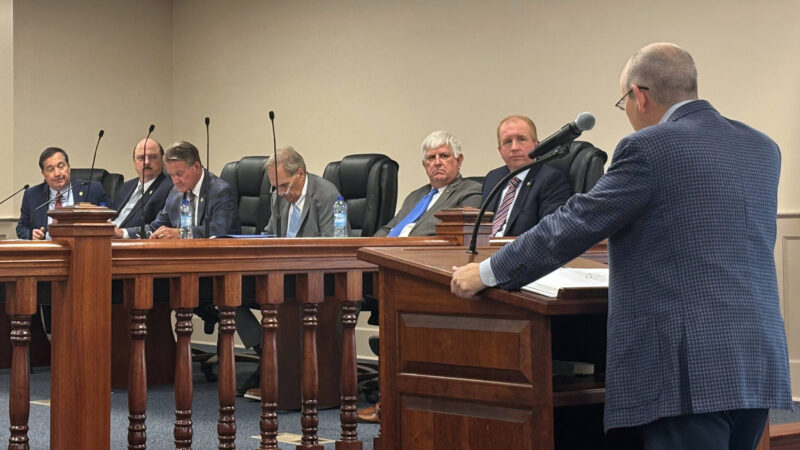
Alabama poised to drastically overhaul utility regulation. Will it lower electric bills?

The Alabama Senate unanimously voted to expand the public service commission, and create a Secretary of Energy to address rising electricity prices. A bill in the House would go even further, requiring rate case hearings and limiting utility profits.
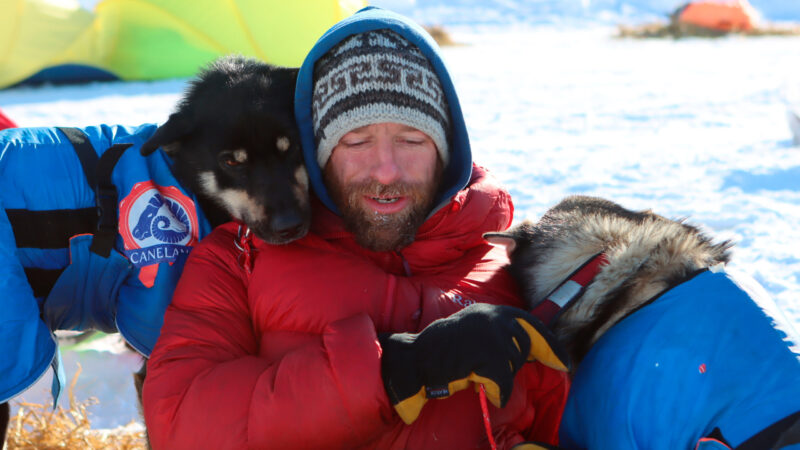
Musher from Alabama is going for back-to-back Iditarod wins

Riches and paid appearances haven’t followed Jessie Holmes since he won the world’s most famous sled dog race, the Iditarod, last year. He doesn't mind.

Bill would move Alabama to closed primaries

Right now, any Alabama voter can participate in a primary election. Lawmakers in Montgomery took up a bill this week that would change that system.
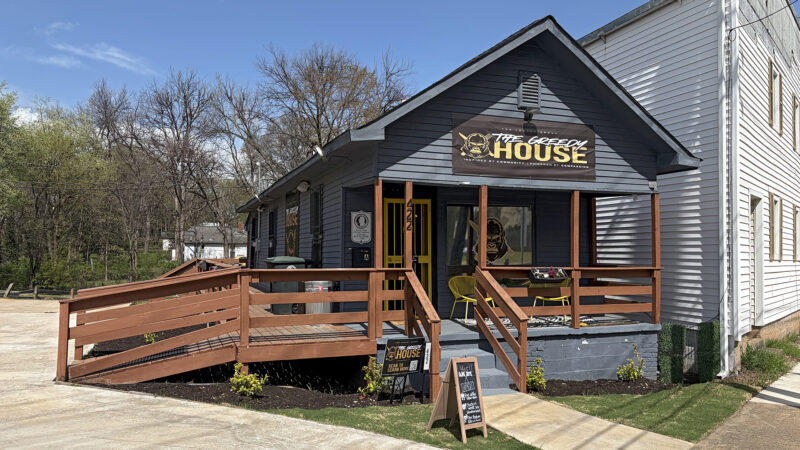
Auburn football player uses NIL funds to open a community hub in Birmingham

Jourdin Crawford, a freshman defensive lineman at Auburn, used earnings from a Name, Image, and Likeness deal to give back to his hometown.
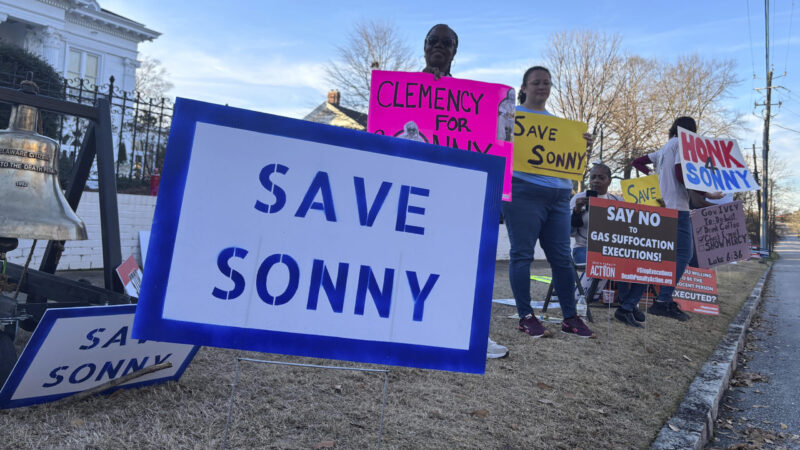
Ivey commutes death sentence of inmate whose accomplice fired fatal shot

Charles “Sonny” Burton was sentenced to death for the killing of Doug Battle during a 1991 robbery. However, another man shot Battle when Burton had left the building.

More Arts and Culture Coverage