
Black Women Boosted Doug Jones to Victory. Now What?
They call it the sister vote. To black women in Alabama who propelled U.S. Sen. Doug Jones to victory in the Dec. 12 special election, it was a way to make a powerful statement about the need for more focus on their priorities.
Sheila Tyson, a leader in the Alabama Black Women’s Roundtable, knocked on hundreds of doors and called residents around the state to rally black female voters in December’s hotly contested race. There were other similar grassroots efforts around the state, from Mobile to Tuskegee.
Exit polls show that 98 percent of black women voted for Jones over Moore last month. Now, some Alabama black female voters say they want Jones to pay attention to issues that affect them and their families.
“We’ve got a full list,” says Tyson, a Birmingham city councilwoman who has been part of the non-partisan roundtable for several years. The Black Women’s Roundtable is a national organization focused on empowering women to address issues that build stable families. Tyson says, “it’s not as much about the political party, but about problems in our communities.” Black women want political parties and observers to take note of the power of the “sister vote.”
Tyson says their agenda includes increasing the minimum wage to $15 an hour and improving benefits for women.
“Women are often the heads of household, and many of them still do not get equal pay. When they retire, many of them are in poverty because Social Security is just not enough,” Tyson says.
Birmingham attorney Ruby Davis worked behind the scenes in the Jones campaign headquarters and she tapped into her social and professional network to get out the vote for her candidate. She traveled to Washington last Tuesday to see Jones sworn into office.
“I worked on the Jones campaign because I believed in the candidate, and I believe he will address our issues,” she says. “I want him to bridge the gap between partisan divide and get something done for all of Alabama.”
On election night, Davis says she watched election results reported on television. Slowly she realized that her candidate’s ground game had worked, and that Jones could capture a Senate seat, representing one of America’s reddest states.
In Jefferson County, the voter turnout in some predominately black boxes mirrored turnout for presidential elections. At the Bethel Baptist Church polling place in Pratt City, one of Jefferson County’s largest polling places, 1,999 votes were cast. Doug Jones received all but 26 of those votes. Roy Moore and a variety of write-in candidates picked up the remaining votes, with a total turnout of 60 percent at that precinct.
Voting for Democrats is nothing new for blacks, and particularly black women, says Angela Lewis, a UAB political scientist.
“If we look historically in presidential elections in Alabama, about 90 percent of blacks have voted for the Democrat in the general election,” Lewis says.
At Hudson School in North Birmingham, 1,248 people voted in the 2016 General Election, and 98 percent voted for Democrat Hillary Clinton.
Lewis says, numbers like this are not unusual, and “It’s largely black women who provide the stable consistency.”
Jefferson County Commissioner Sandra Little Brown agrees.
“We’ve always been the voters in the house,” Brown says. “We have always been there in our churches and in the community, registering other voters and encouraging them to go to the polls in every election.”
She says, that sometimes means arranging rides to the polls for those who may not have transportation.
“This shows that we have to be vigilant all of the time when it comes to voting,” Brown says.
Lewis, the political scientist, says the results of Alabama’s Senate election should send a message to Democrats around the country.
“You should not ignore anyone, including black women, even in a state like Alabama,” she says. “Every vote, every person counts. What about Georgia, South Carolina?”
If it had not been for the intense mobilization in Alabama, Lewis says, “we would now be talking about Roy Moore as a U.S. Senator.”

Crew of fatal US military crash included Alabama father recently deployed
The six U.S. service members who died in the crash of a U.S. military refueling aircraft included an Alabama father who had just been promoted and deployed. The U.S. government released the identities of the deceased service members Saturday.
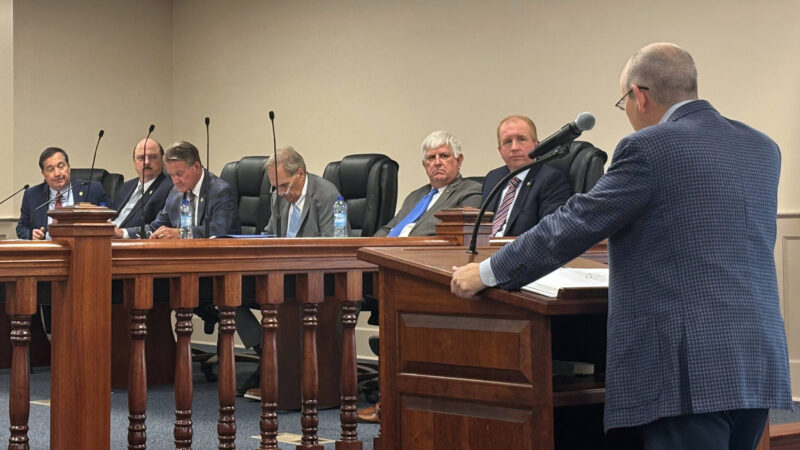
Alabama poised to drastically overhaul utility regulation. Will it lower electric bills?
The Alabama Senate unanimously voted to expand the public service commission, and create a Secretary of Energy to address rising electricity prices. A bill in the House would go even further, requiring rate case hearings and limiting utility profits.
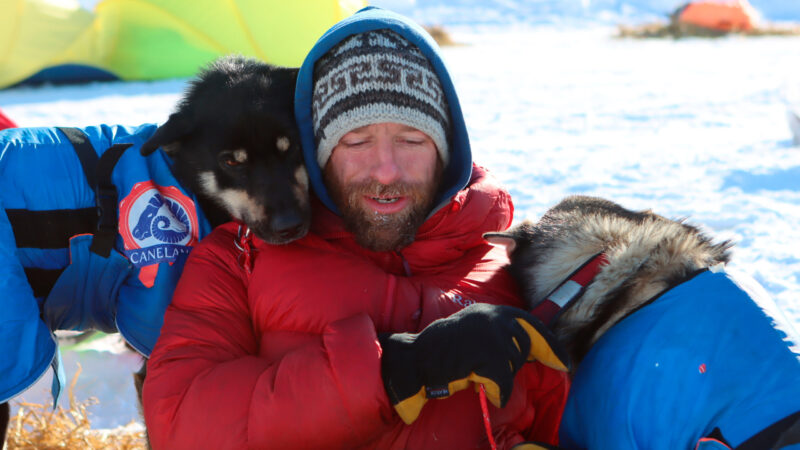
Musher from Alabama is going for back-to-back Iditarod wins
Riches and paid appearances haven’t followed Jessie Holmes since he won the world’s most famous sled dog race, the Iditarod, last year. He doesn't mind.
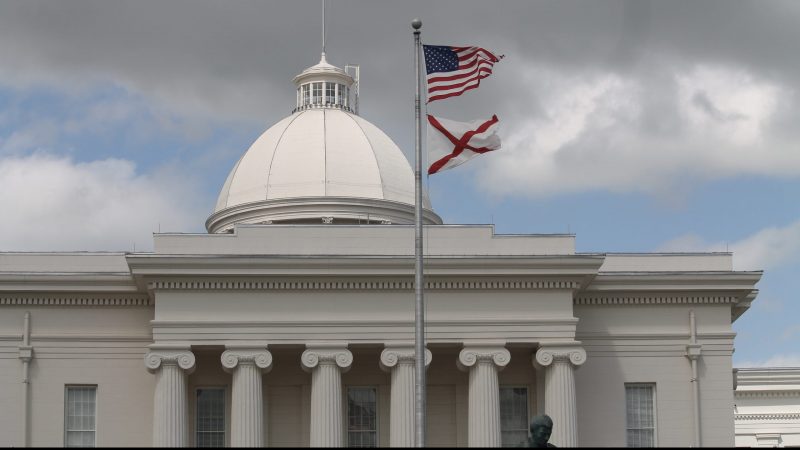
Bill would move Alabama to closed primaries
Right now, any Alabama voter can participate in a primary election. Lawmakers in Montgomery took up a bill this week that would change that system.
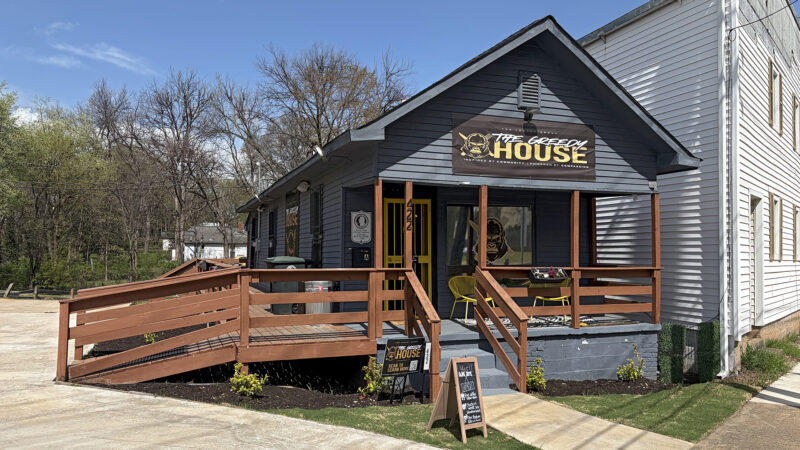
Auburn football player uses NIL funds to open a community hub in Birmingham
Jourdin Crawford, a freshman defensive lineman at Auburn, used earnings from a Name, Image, and Likeness deal to give back to his hometown.
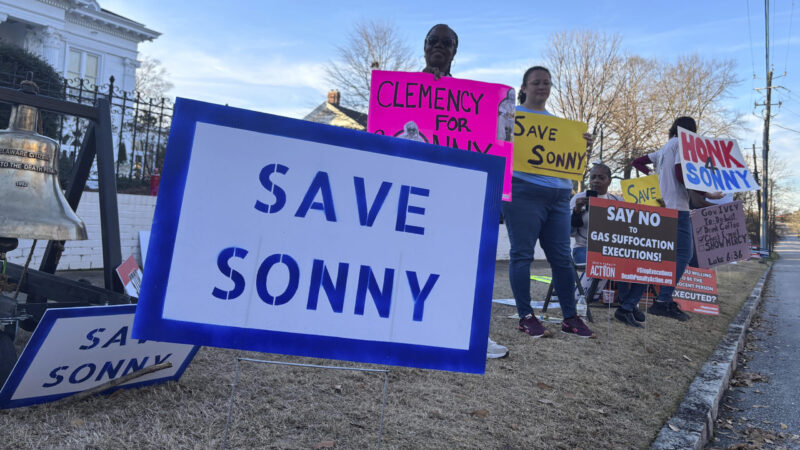
Ivey commutes death sentence of inmate whose accomplice fired fatal shot
Charles “Sonny” Burton was sentenced to death for the killing of Doug Battle during a 1991 robbery. However, another man shot Battle when Burton had left the building.