
How an Alabama Congressman Got the Government to Help Pay for College
Women outnumber men on college campuses. But that wasn’t always the case. Carl Elliott, the late former Alabama Congressman, co-authored the National Defense Education Act in 1958, which improved science, foreign language and technology education nationwide and provided low-interest loans for college and graduate school for needy students. It also opened the door for women to attend college. We have this story from our friends at the Ways & Means podcast, hosted by Emily Hanford. You can listen to the full story on their website.
Hubertein Scott was the third of seven children in St. Paul, Minnesota, and grew up during the Great Depression. She wanted to go to college, but her father wouldn’t let her. “College was not even a remote possibility,” she said. “I was told take shorthand and typing, marry the boss and you’re set.”
After Scott got married, she still wanted to go to college. Her husband finally agreed, but he had conditions. “He told me I had to be home when children left for school at 9, be home when they got home at 3, dinner on the table at 6 and in bed at 10.”
And it wasn’t just husbands and fathers who made it hard for women to get degrees. Colleges did too. They routinely used gender quotas.
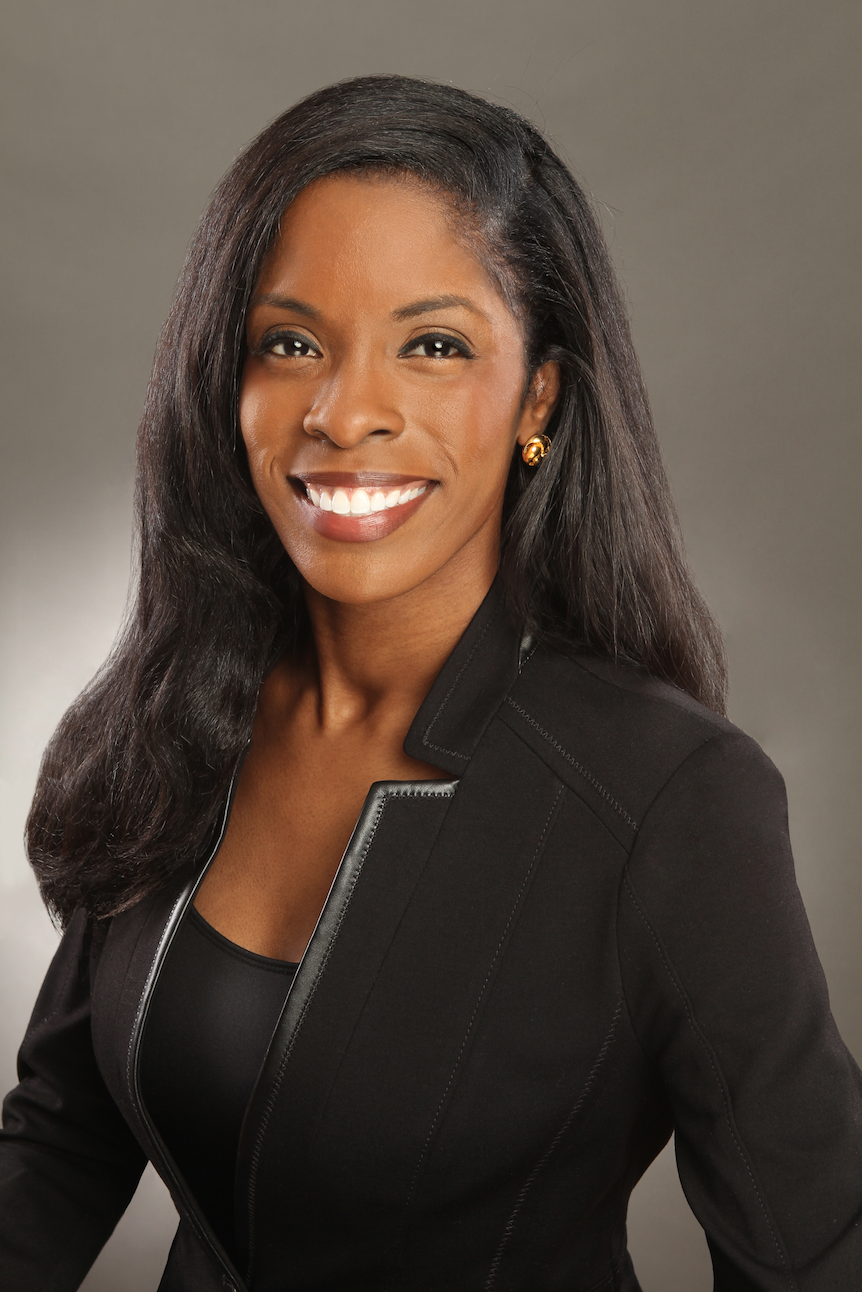
Duke University professor Deondra Rose, who wrote a book about the history of women’s access to college, says some colleges outright excluded women. “And so women knew that if I wanted to go to college I’m going to have to have higher grades than the men who were also applying for college at the same time,” Rose says. “And even then you could get your application returned to you with just a note that says women need not apply.”
Duke University Photography
Duke University Professor Deondra Rose
Enter an unlikely hero – Carl Elliott. He was a young lawyer in Alabama when he ran for Congress in 1948. He wanted the federal government to help make it easier for all young people to get college degrees – especially poor kids.
Carl Elliott’s parents were tenant farmers. He traces his love of learning to his grandmother. “She taught me a great deal about the love of reading because she read so beautifully,” Elliott said.
After high school, Elliott set off for the University of Alabama on foot with just $2 in his pocket. Mary Allen Jolley, Elliott’s aide, says he left home walking to get there. “And it was 120 miles from where he lived in Franklin County,” she says. “He spent two nights sleeping under a truck because he had nowhere to live. He often told me the greatest achievement I ever made in my life was to get a college education. He said it was nearly impossible.”
After getting elected to Congress, Carl Elliott hired Mary Allen Jolley as his aide and he drafted a proposal for the federal government to start offering college scholarships. But Southern states worried that if they allowed the federal government to provide funding for anything related to education, the feds might demand faster school integration. So his proposal went nowhere. But then on Oct. 4th, 1957, the Soviet Union launched Sputnik 1, and as a result the U.S. lost the space race. “So with the stunning defeat in the space race, the United States panicked,” Rose says.
Elliott and his colleague, an Alabama senator named Lister Hill, decided the time was right to pitch their scholarship proposal again, but this time, they’d argue that federal support for helping needy kids get to college was crucial to ensuring the nation’s security.
“They gave it a fancy new title and they called it the National Defense Education Act,” Rose says.
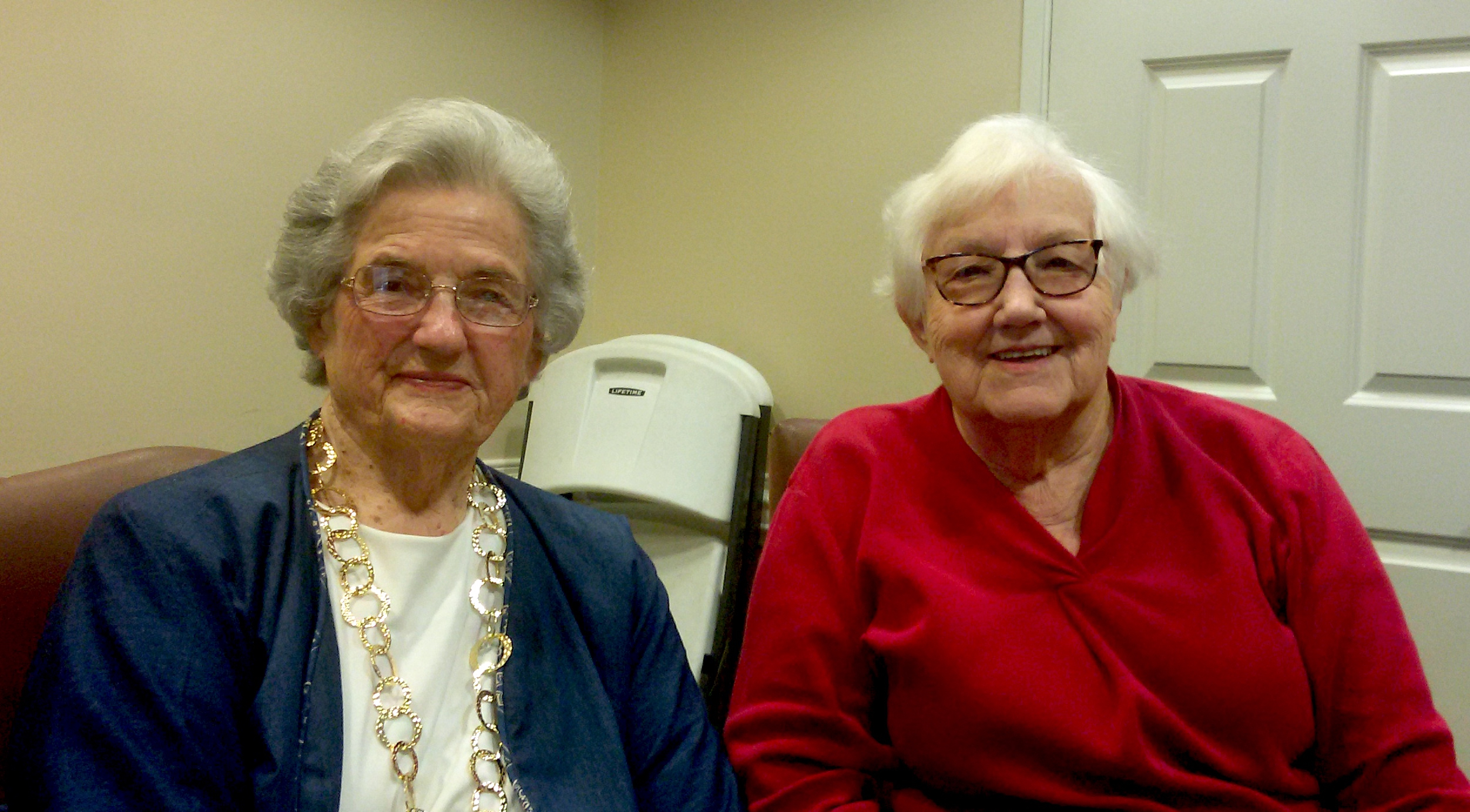
They called for $1.6 billion dollars for scholarships and student loans. And anyone could apply — even women. It changed Hubertein Scott’s life in many ways, she says. Thanks to the National Defense Education Act, Scott is now Dr. Hubertein Scott. She was able to get a PhD because of the money that program provided. She now lives in a retirement community in Tuscaloosa, where, in a surprising twist, one of her neighbors is Mary Allen Jolley – Carl Elliott’s former aide.
“It had been, oh gosh, 50 years where I had nobody to thank for changing my life and suddenly here she is living in the same building with me,” Scott says. “It’s great.”
Stan Ingold,Alabama Public Radio
- Find out more about the Ways & Means podcast
- Watch a short film about Carl Elliott’s life
- Take a virtual tour of the Carl Elliott museum
- Read Carl Elliott’s memoir, The Cost of Courage

Crew of fatal US military crash included Alabama father recently deployed
The six U.S. service members who died in the crash of a U.S. military refueling aircraft included an Alabama father who had just been promoted and deployed. The U.S. government released the identities of the deceased service members Saturday.
Alabama poised to drastically overhaul utility regulation. Will it lower electric bills?
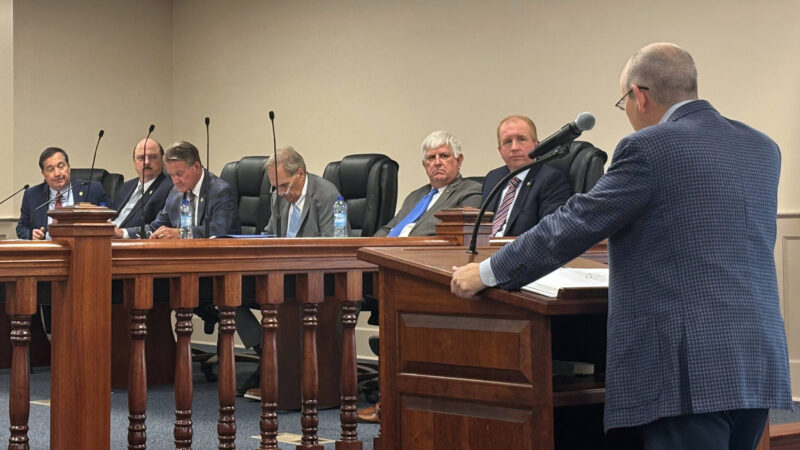
The Alabama Senate unanimously voted to expand the public service commission, and create a Secretary of Energy to address rising electricity prices. A bill in the House would go even further, requiring rate case hearings and limiting utility profits.
Musher from Alabama is going for back-to-back Iditarod wins
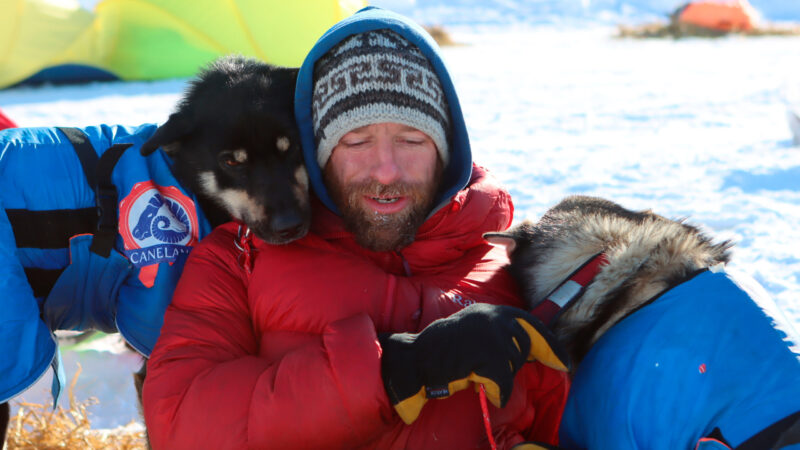
Riches and paid appearances haven’t followed Jessie Holmes since he won the world’s most famous sled dog race, the Iditarod, last year. He doesn't mind.
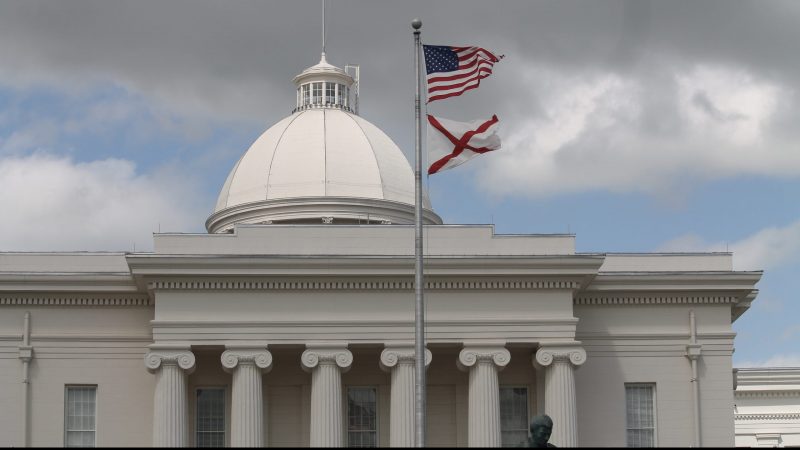
Bill would move Alabama to closed primaries
Right now, any Alabama voter can participate in a primary election. Lawmakers in Montgomery took up a bill this week that would change that system.
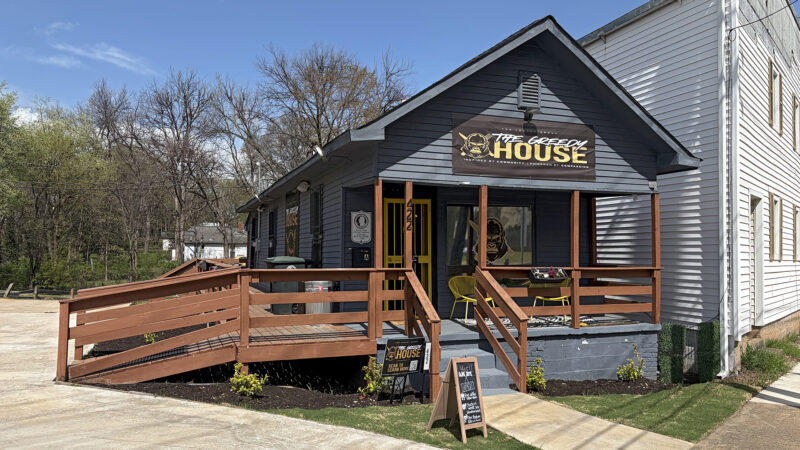
Auburn football player uses NIL funds to open a community hub in Birmingham
Jourdin Crawford, a freshman defensive lineman at Auburn, used earnings from a Name, Image, and Likeness deal to give back to his hometown.
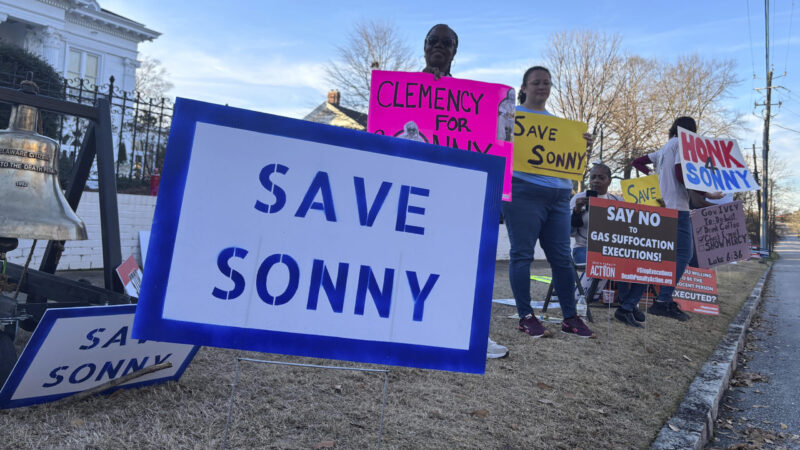
Ivey commutes death sentence of inmate whose accomplice fired fatal shot
Charles “Sonny” Burton was sentenced to death for the killing of Doug Battle during a 1991 robbery. However, another man shot Battle when Burton had left the building.