
50 Years After King’s Death, Birmingham Remembers
Dr. Martin Luther King Jr. led a civil rights movement that changed America. His assassination on April 4, 1968 set off deadly riots and protests in dozens of cities. Many African Americans in Birmingham were saddened and stunned in the hours following King’s death.
News that King had been assassinated while standing on the balcony of the Lorraine Motel in Memphis traveled fast in Birmingham. He was in Memphis to support striking sanitation workers. In Birmingham, King marched and was sent to jail for protesting the treatment of blacks in the city.
Bishop Calvin Woods is with the Southern Christian Leadership Conference, a civil rights organization founded by King. Woods was leading a meeting with preachers that night at St. Paul A.M.E. Church in Smithfield. He recalls civil rights activist Tommy Wrenn coming to the church, sitting next to him in the pulpit and telling him what had happened.
“We didn’t want to believe it. We almost became lost for words,” the 84-year-old Woods says. “Folk got up and went to walking out. We were certainly in agony.”
That agony gripped Birmingham. But Woods says ministers wanted to keep with King’s teachings on non-violence, even after his tragic death. They didn’t want the city to erupt in violence like other cities.
A few miles away on 24th Street South, the reaction was not as peaceful. Paulette Robey grew up in the Southtown Public Housing Community. White people traveling from downtown to Mountain Brook and other suburbs south of Birmingham had to drive through Southtown.
Robey describes how some black residents reacted after hearing of King’s death.
“They ganged up right there at Triangle Store, and we threw bottles, and we threw rocks and we threw milk bottles,” she says. Many in the group wanted to heed King’s message of non-violence. But she says, that night, they were upset and frustrated.
“It was like feeling a sensation that you got,” she says. “I guess, get back at them for what they was doing to us.”
Robey was arrested in the 1963 children’s marches. She attended rallies and mass meetings with her parents.
“I had had the experience of hearing him teach, and the feeling that I got within after I heard him speak,” she says. “I just knew everything was going to go downhill for the blacks because of his assassination. I just lost hope.”
Others, like 88-year-old Frank Dukes, were also rattled by King’s death. In 1962, Dukes, a minister, led a retail boycott to protest segregation. He was also one of several men who kept watch over King while he was in Birmingham.
“We had rifles and all of that to battle the Klan had they shown up to try to bomb the house or do anything to Dr. King,“ Dukes says.
If King was still alive today, Dukes says, King would think “that it’s a thousand times better than what it was. But he would also say that we still have a long way to go.”
Woods, Robey and Dukes say while there are more black elected officials today, there is still a lot to overcome when it comes to racial equality.

Crew of fatal US military crash included Alabama father recently deployed
The six U.S. service members who died in the crash of a U.S. military refueling aircraft included an Alabama father who had just been promoted and deployed. The U.S. government released the identities of the deceased service members Saturday.
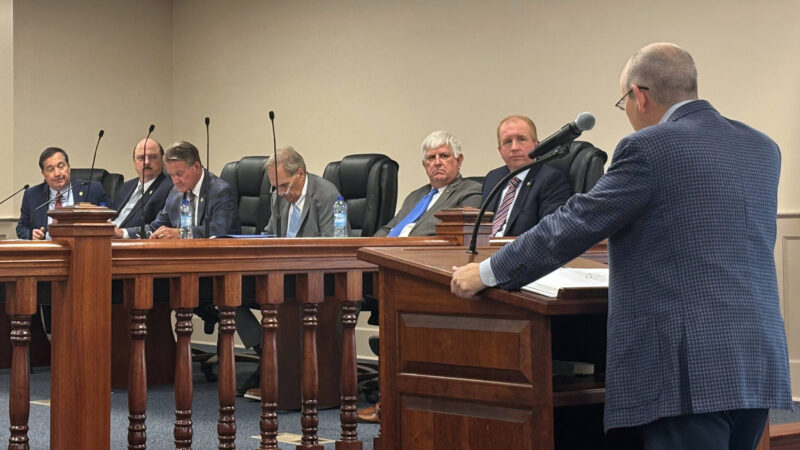
Alabama poised to drastically overhaul utility regulation. Will it lower electric bills?
The Alabama Senate unanimously voted to expand the public service commission, and create a Secretary of Energy to address rising electricity prices. A bill in the House would go even further, requiring rate case hearings and limiting utility profits.

Musher from Alabama is going for back-to-back Iditarod wins
Riches and paid appearances haven’t followed Jessie Holmes since he won the world’s most famous sled dog race, the Iditarod, last year. He doesn't mind.
Bill would move Alabama to closed primaries
Right now, any Alabama voter can participate in a primary election. Lawmakers in Montgomery took up a bill this week that would change that system.
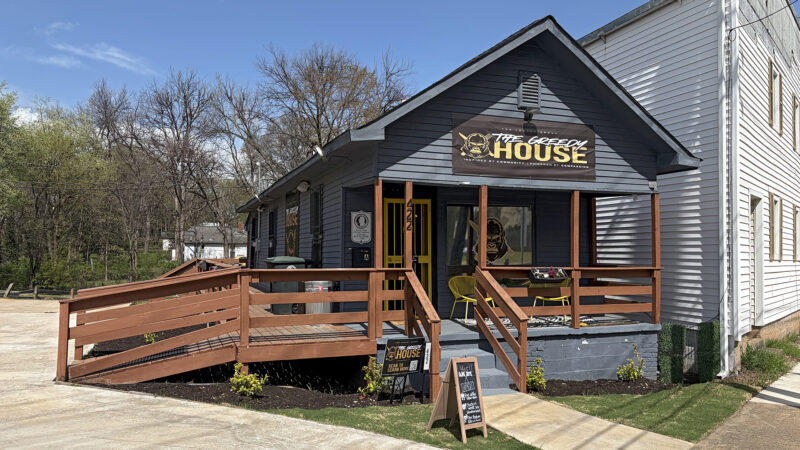
Auburn football player uses NIL funds to open a community hub in Birmingham
Jourdin Crawford, a freshman defensive lineman at Auburn, used earnings from a Name, Image, and Likeness deal to give back to his hometown.
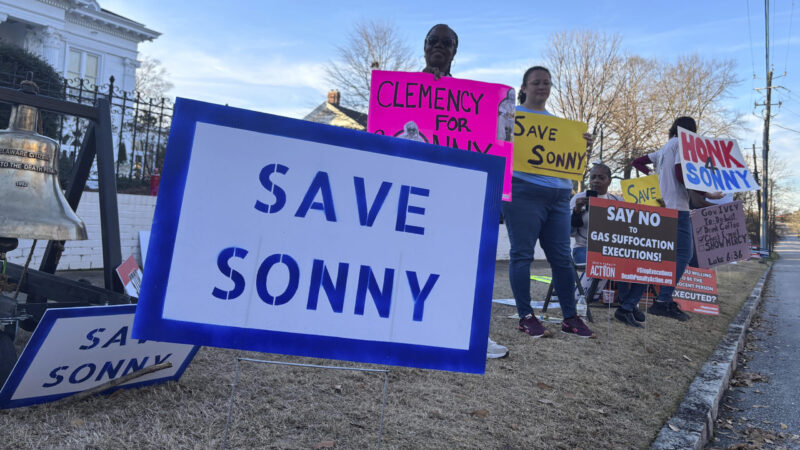
Ivey commutes death sentence of inmate whose accomplice fired fatal shot
Charles “Sonny” Burton was sentenced to death for the killing of Doug Battle during a 1991 robbery. However, another man shot Battle when Burton had left the building.