
By Bus, Train, and Plane, Alabama Women Head to Washington
Beginning today, hundreds of thousands will travel to the Women’s March on Washington this Saturday. It’s a grassroots protest highlighting women’s rights. About 2,000 of those protesters are expected to come from Alabama. Nine buses will carry hundreds to the nation’s capitol, while other women will fly or carpool to the march. WBHM’s Gigi Douban talked with Jennifer Freehling, one of six state coordinators for the Alabama Women’s March on Washington, about how the event came to be.
Freehling: I created a Facebook group for friends that were interested in going to the March on Washington. This is when it first started spreading like wildfire on Facebook. As you know an individual woman came up with the idea to march on Washington and posted about it. Some of her friends joined, the next morning she woke up and there were 10,000 people going. It grew very organically very quickly from there.
WBHM: And how quickly did the list grow here?
Oh gosh. So I think when we first started that group there were like six perhaps? And then now there there’s over 2000. Alabama is going to have a presence.
WBHM: So you said that women are unifying around certain issues on the national level and also at the state level.What are some of the big priorities here in Alabama?
So of course you know we’ve got issues with Medicare and Medicaid expansion. But you know the the Democratic Party Alabama on this last ballot had a lot of empty spaces. And there are a lot of different groups that are trying to hopefully rectify that next two years and the next four years. And I think with this surge in participation that people can band together to hopefully get more candidates on the ballot in Alabama, and to maybe change the dialogue a little bit.
WBHM: Let us in on some of the logistics involved in planning an event like this. It must be a nightmare.
It has been a nightmare. I don’t sleep very much anymore. My day job, I have not been there as much as I should be. But when National started this or even before there was a national you know this has been a very very recently planned event.
It came out of nowhere. Now there are over I think 62 countries, 616 sister marches involved, there’s international groups are coming in, so it’s turned into this huge thing. But they started nationals here from Ground Zero. Alabama started from ground zero and we did not have any guidelines, any protocol, any funding, anything. So when we started this at the state level we literally had to do everything from scratch.
WBHM: Do you see that this is a way to effect real change in Washington as we’re about to have a new president in place?
Freehling: So I know that one of the big critiques with marches and protests and rallies is that they don’t they don’t do anything. I think history, especially the civil rights movement has shown us that that’s not the case. But I think one of the most important things other than showing solidarity and presence to certain issues is that you do create these networks you meet other people who have the same belief systems as you, especially in Alabama where it is very difficult and people are scared. Once you have these people connected together through rallies and protests and meet ups and events like this, these people can work together to affect change. And if people start paying attention and hold their elected officials responsible that can make it I think an incredible impact.
For those not headed to Washington, there will be a companion “Birmingham Sister March” at Kelly Ingram Park on Saturday. The event will feature speakers from the NAACP, the Southern Poverty Law Center, and the Council on American-Islamic Relations, among others.
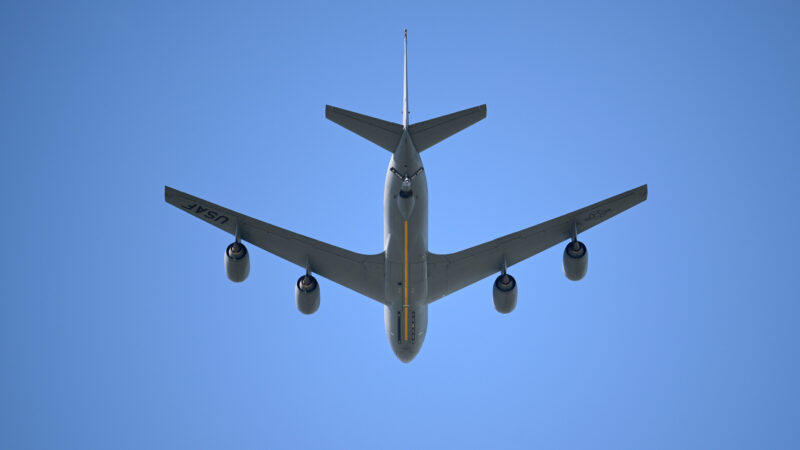
Crew of fatal US military crash included Alabama father recently deployed
The six U.S. service members who died in the crash of a U.S. military refueling aircraft included an Alabama father who had just been promoted and deployed. The U.S. government released the identities of the deceased service members Saturday.
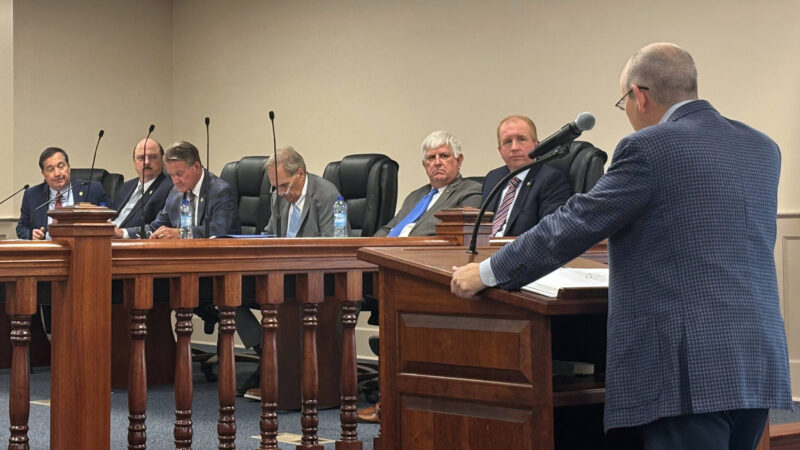
Alabama poised to drastically overhaul utility regulation. Will it lower electric bills?
The Alabama Senate unanimously voted to expand the public service commission, and create a Secretary of Energy to address rising electricity prices. A bill in the House would go even further, requiring rate case hearings and limiting utility profits.
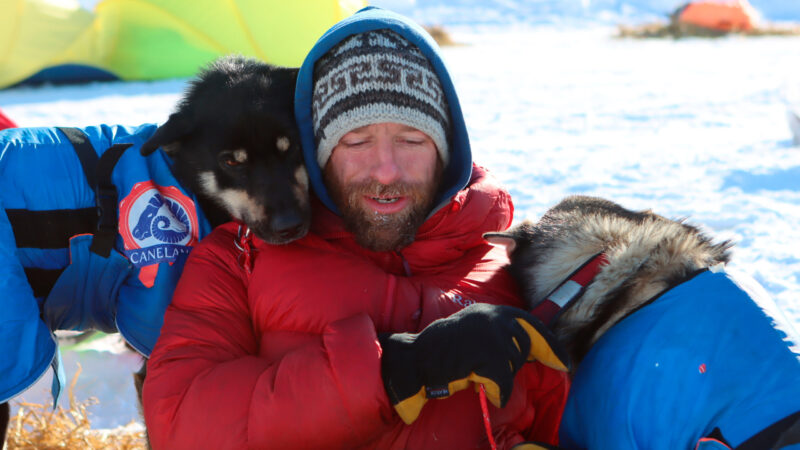
Musher from Alabama is going for back-to-back Iditarod wins
Riches and paid appearances haven’t followed Jessie Holmes since he won the world’s most famous sled dog race, the Iditarod, last year. He doesn't mind.
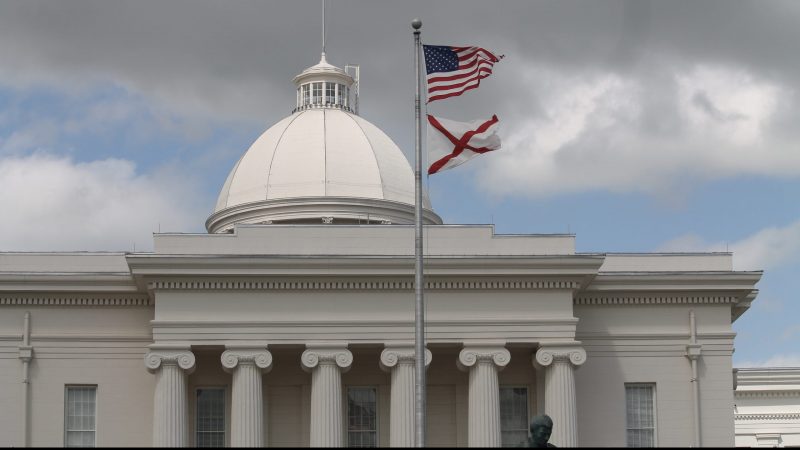
Bill would move Alabama to closed primaries
Right now, any Alabama voter can participate in a primary election. Lawmakers in Montgomery took up a bill this week that would change that system.
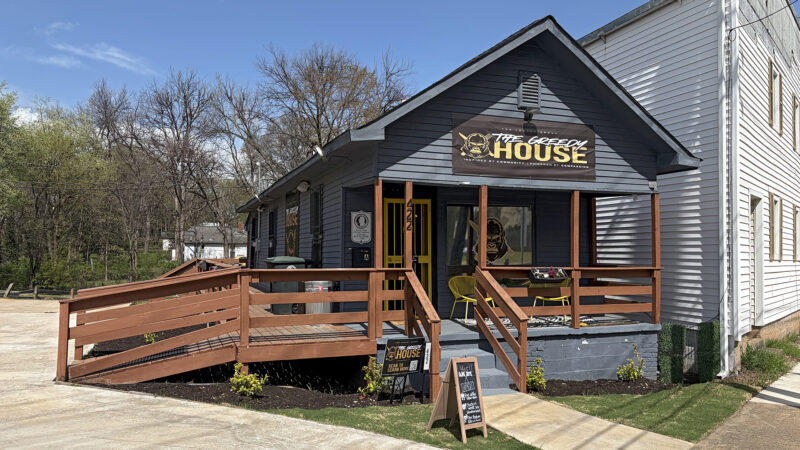
Auburn football player uses NIL funds to open a community hub in Birmingham
Jourdin Crawford, a freshman defensive lineman at Auburn, used earnings from a Name, Image, and Likeness deal to give back to his hometown.
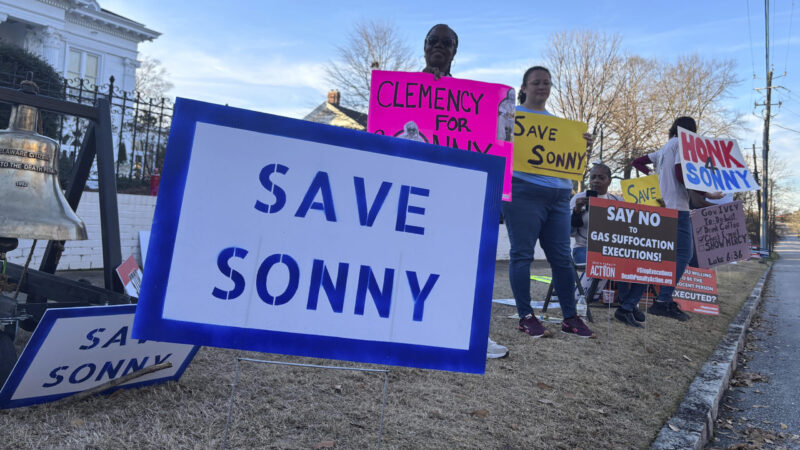
Ivey commutes death sentence of inmate whose accomplice fired fatal shot
Charles “Sonny” Burton was sentenced to death for the killing of Doug Battle during a 1991 robbery. However, another man shot Battle when Burton had left the building.