
Southeast is Home to Largest LGBT Population, Report Finds

 ========= Old Image Removed =========Array
(
    [_wp_attached_file] => Array
        (
            [0] => 2017/11/e834b90b29f5063ecd0b470de7444e90fe76e7d510b712499df6c8_640_LGBT-South.jpg
        )

    [_wp_attachment_metadata] => Array
        (
            [0] => a:5:{s:5:"width";i:640;s:6:"height";i:426;s:4:"file";s:81:"2017/11/e834b90b29f5063ecd0b470de7444e90fe76e7d510b712499df6c8_640_LGBT-South.jpg";s:5:"sizes";a:10:{s:6:"medium";a:4:{s:4:"file";s:81:"e834b90b29f5063ecd0b470de7444e90fe76e7d510b712499df6c8_640_LGBT-South-336x224.jpg";s:5:"width";i:336;s:6:"height";i:224;s:9:"mime-type";s:10:"image/jpeg";}s:9:"thumbnail";a:4:{s:4:"file";s:81:"e834b90b29f5063ecd0b470de7444e90fe76e7d510b712499df6c8_640_LGBT-South-140x140.jpg";s:5:"width";i:140;s:6:"height";i:140;s:9:"mime-type";s:10:"image/jpeg";}s:9:"wbhm-icon";a:4:{s:4:"file";s:79:"e834b90b29f5063ecd0b470de7444e90fe76e7d510b712499df6c8_640_LGBT-South-80x80.jpg";s:5:"width";i:80;s:6:"height";i:80;s:9:"mime-type";s:10:"image/jpeg";}s:13:"wbhm-featured";a:4:{s:4:"file";s:81:"e834b90b29f5063ecd0b470de7444e90fe76e7d510b712499df6c8_640_LGBT-South-600x338.jpg";s:5:"width";i:600;s:6:"height";i:338;s:9:"mime-type";s:10:"image/jpeg";}s:20:"wbhm-featured-square";a:4:{s:4:"file";s:81:"e834b90b29f5063ecd0b470de7444e90fe76e7d510b712499df6c8_640_LGBT-South-600x426.jpg";s:5:"width";i:600;s:6:"height";i:426;s:9:"mime-type";s:10:"image/jpeg";}s:18:"wbhm-featured-home";a:4:{s:4:"file";s:81:"e834b90b29f5063ecd0b470de7444e90fe76e7d510b712499df6c8_640_LGBT-South-467x311.jpg";s:5:"width";i:467;s:6:"height";i:311;s:9:"mime-type";s:10:"image/jpeg";}s:22:"wbhm-featured-carousel";a:4:{s:4:"file";s:81:"e834b90b29f5063ecd0b470de7444e90fe76e7d510b712499df6c8_640_LGBT-South-398x265.jpg";s:5:"width";i:398;s:6:"height";i:265;s:9:"mime-type";s:10:"image/jpeg";}s:28:"ab-block-post-grid-landscape";a:4:{s:4:"file";s:81:"e834b90b29f5063ecd0b470de7444e90fe76e7d510b712499df6c8_640_LGBT-South-600x400.jpg";s:5:"width";i:600;s:6:"height";i:400;s:9:"mime-type";s:10:"image/jpeg";}s:25:"ab-block-post-grid-square";a:4:{s:4:"file";s:81:"e834b90b29f5063ecd0b470de7444e90fe76e7d510b712499df6c8_640_LGBT-South-600x426.jpg";s:5:"width";i:600;s:6:"height";i:426;s:9:"mime-type";s:10:"image/jpeg";}s:14:"post-thumbnail";a:4:{s:4:"file";s:81:"e834b90b29f5063ecd0b470de7444e90fe76e7d510b712499df6c8_640_LGBT-South-125x125.jpg";s:5:"width";i:125;s:6:"height";i:125;s:9:"mime-type";s:10:"image/jpeg";}}s:10:"image_meta";a:12:{s:8:"aperture";s:1:"0";s:6:"credit";s:0:"";s:6:"camera";s:0:"";s:7:"caption";s:0:"";s:17:"created_timestamp";s:1:"0";s:9:"copyright";s:0:"";s:12:"focal_length";s:1:"0";s:3:"iso";s:1:"0";s:13:"shutter_speed";s:1:"0";s:5:"title";s:0:"";s:11:"orientation";s:1:"0";s:8:"keywords";a:0:{}}}
        )

    [_imagify_optimization_level] => Array
        (
            [0] => 0
        )

    [_imagify_data] => Array
        (
            [0] => a:2:{s:5:"sizes";a:9:{s:4:"full";a:5:{s:7:"success";b:1;s:8:"file_url";s:109:"https://news.wbhm.org/media/2017/11/e834b90b29f5063ecd0b470de7444e90fe76e7d510b712499df6c8_640_LGBT-South.jpg";s:13:"original_size";i:126305;s:14:"optimized_size";i:119234;s:7:"percent";d:5.5999999999999996;}s:9:"thumbnail";a:5:{s:7:"success";b:1;s:8:"file_url";s:117:"https://news.wbhm.org/media/2017/11/e834b90b29f5063ecd0b470de7444e90fe76e7d510b712499df6c8_640_LGBT-South-140x140.jpg";s:13:"original_size";i:6573;s:14:"optimized_size";i:6018;s:7:"percent";d:8.4399999999999995;}s:6:"medium";a:5:{s:7:"success";b:1;s:8:"file_url";s:117:"https://news.wbhm.org/media/2017/11/e834b90b29f5063ecd0b470de7444e90fe76e7d510b712499df6c8_640_LGBT-South-336x224.jpg";s:13:"original_size";i:24611;s:14:"optimized_size";i:22509;s:7:"percent";d:8.5399999999999991;}s:9:"wbhm-icon";a:5:{s:7:"success";b:1;s:8:"file_url";s:115:"https://news.wbhm.org/media/2017/11/e834b90b29f5063ecd0b470de7444e90fe76e7d510b712499df6c8_640_LGBT-South-80x80.jpg";s:13:"original_size";i:2433;s:14:"optimized_size";i:2161;s:7:"percent";d:11.18;}s:13:"wbhm-featured";a:5:{s:7:"success";b:1;s:8:"file_url";s:117:"https://news.wbhm.org/media/2017/11/e834b90b29f5063ecd0b470de7444e90fe76e7d510b712499df6c8_640_LGBT-South-600x338.jpg";s:13:"original_size";i:74389;s:14:"optimized_size";i:69019;s:7:"percent";d:7.2199999999999998;}s:20:"wbhm-featured-square";a:5:{s:7:"success";b:1;s:8:"file_url";s:117:"https://news.wbhm.org/media/2017/11/e834b90b29f5063ecd0b470de7444e90fe76e7d510b712499df6c8_640_LGBT-South-300x300.jpg";s:13:"original_size";i:32353;s:14:"optimized_size";i:29719;s:7:"percent";d:8.1400000000000006;}s:18:"wbhm-featured-home";a:5:{s:7:"success";b:1;s:8:"file_url";s:117:"https://news.wbhm.org/media/2017/11/e834b90b29f5063ecd0b470de7444e90fe76e7d510b712499df6c8_640_LGBT-South-467x311.jpg";s:13:"original_size";i:50587;s:14:"optimized_size";i:46730;s:7:"percent";d:7.6200000000000001;}s:22:"wbhm-featured-carousel";a:5:{s:7:"success";b:1;s:8:"file_url";s:117:"https://news.wbhm.org/media/2017/11/e834b90b29f5063ecd0b470de7444e90fe76e7d510b712499df6c8_640_LGBT-South-398x265.jpg";s:13:"original_size";i:36125;s:14:"optimized_size";i:33179;s:7:"percent";d:8.1600000000000001;}s:14:"post-thumbnail";a:5:{s:7:"success";b:1;s:8:"file_url";s:117:"https://news.wbhm.org/media/2017/11/e834b90b29f5063ecd0b470de7444e90fe76e7d510b712499df6c8_640_LGBT-South-125x125.jpg";s:13:"original_size";i:5303;s:14:"optimized_size";i:4791;s:7:"percent";d:9.6500000000000004;}}s:5:"stats";a:3:{s:13:"original_size";i:358679;s:14:"optimized_size";i:333360;s:7:"percent";d:7.0599999999999996;}}
        )

    [_imagify_status] => Array
        (
            [0] => success
        )

    [_media_credit] => Array
        (
            [0] => Etereuti
        )

    [_navis_media_credit_org] => Array
        (
            [0] => Pixabay
        )

    [_navis_media_can_distribute] => Array
        (
            [0] => 
        )

)
1680738352 
1510117237

Alexa and Barbie Batey met 12 years ago while playing in a Birmingham softball league. Alexa played third base. Barbie played left field.

“I had the best view ever,” she laughs.

Barbie thought Alexa was going to be a terrible softball player because she’s very feminine and wore pink outfits.

“And I was like, ‘She’s going to suck,'” Barbie says. “But she was awesome.”

Barbie was too shy to ask Alexa out, but eventually she worked up the courage to start talking to her. They started dating and for more than a decade have been apart only a handful of times. They got married in Washington D.C. in 2013 before gay marriage was legal in Alabama. They started a family two years ago and now have a daughter.

Alexa and Barbie were born and raised in Alabama, one of the most conservative states in the nation. Both say discrimination has never been an issue except by one person, Barbie’s mother. She’s Christian and doesn’t accept their lifestyle. Barbie’s relationship with her mother is rocky, but she tries not to think about it.
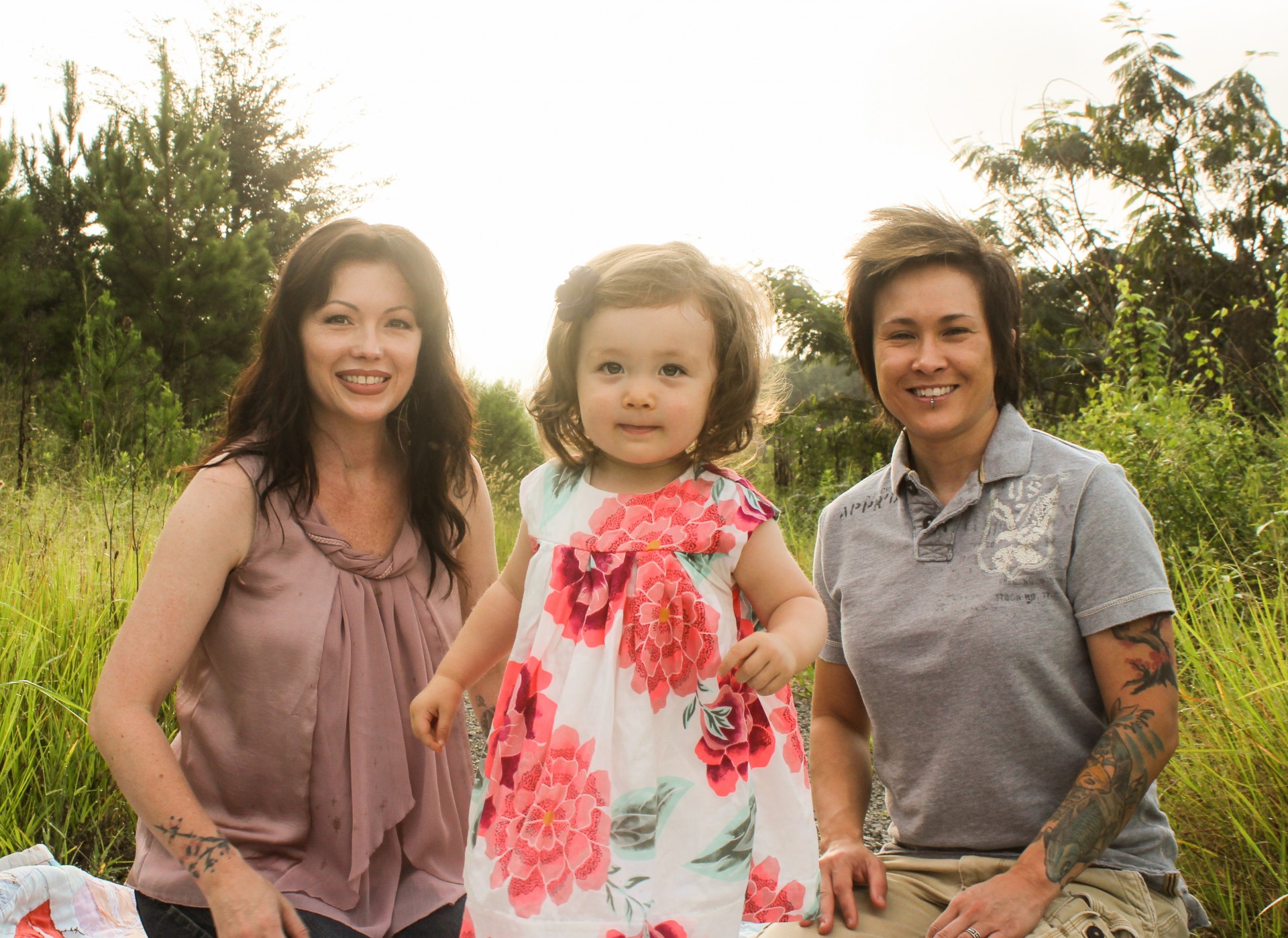
Alexa and Barbie Batey and their daughter, Michael.

Samantha Taylor
Alexa (L) and Barbie Batey and their daughter, Michael.

The Southeast is home to roughly 35 percent of LGBT people in the U.S., the largest LGBT population in the country, according to data compiled by the Williams Institute at UCLA. This find might seem surprising to some since most Southeastern states have few or no policies protecting LGBT people. A team of researchers in Georgia are seeking to learn more about the lives of LGBT people in the South. Eric Wright, who chairs the sociology department at Georgia State University, says there are a number of reasons why so many LGBT people call this region home.

“One of which is that the cost of living generally speaking is lower in the U.S. South than in other parts of the country,” he says. “There’s also been what some researchers have called a reverse migration, particularly of minorities.”

That means many Southern LGBT people who migrated to more progressive areas of the country are returning to the Southeast. To find out why so many call this place home, Wright and his research partner, Ryan Roemerman with the LGBT Institute created what they call the Southern Survey. It’s a comprehensive study that seeks to examine the lives of LGBT people across 14 Southern states.

“One of the things that we want to be able to accomplish through this survey is to be able to provide our non-profit partners across the South with data that they can use for policy development, grassroots organizing and fundraising,” Roemerman says.

The survey is by and for LGBT people in the South. This may help them better understand individual needs of the community, such as housing for transgender people or health services for lesbians living in rural areas, Wright says . And, he says, it will also help decipher the needs of this community in different Southern states. According to the LGBT Institute, more than half of the 100 anti-LGBT bills proposed this year were drafted in Southeastern states.

The survey is open through this month and the team expects to release its findings early next year.

 

Crew of fatal US military crash included Alabama father recently deployed

The six U.S. service members who died in the crash of a U.S. military refueling aircraft included an Alabama father who had just been promoted and deployed. The U.S. government released the identities of the deceased service members Saturday.
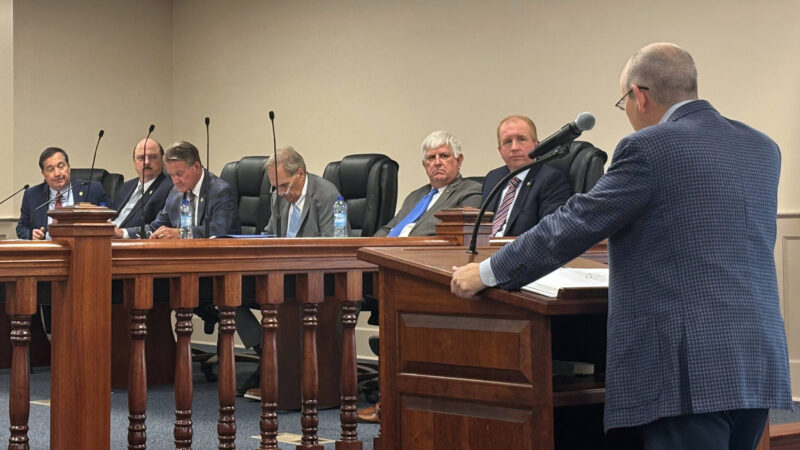
Alabama poised to drastically overhaul utility regulation. Will it lower electric bills?

The Alabama Senate unanimously voted to expand the public service commission, and create a Secretary of Energy to address rising electricity prices. A bill in the House would go even further, requiring rate case hearings and limiting utility profits.
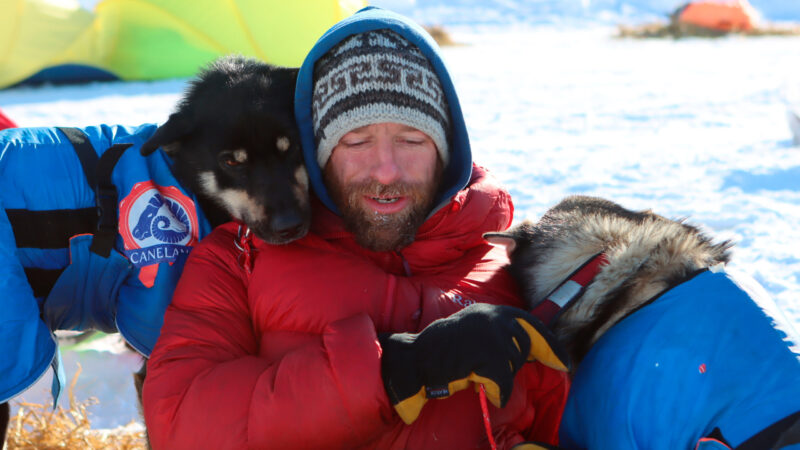
Musher from Alabama is going for back-to-back Iditarod wins

Riches and paid appearances haven’t followed Jessie Holmes since he won the world’s most famous sled dog race, the Iditarod, last year. He doesn't mind.
Bill would move Alabama to closed primaries

Right now, any Alabama voter can participate in a primary election. Lawmakers in Montgomery took up a bill this week that would change that system.
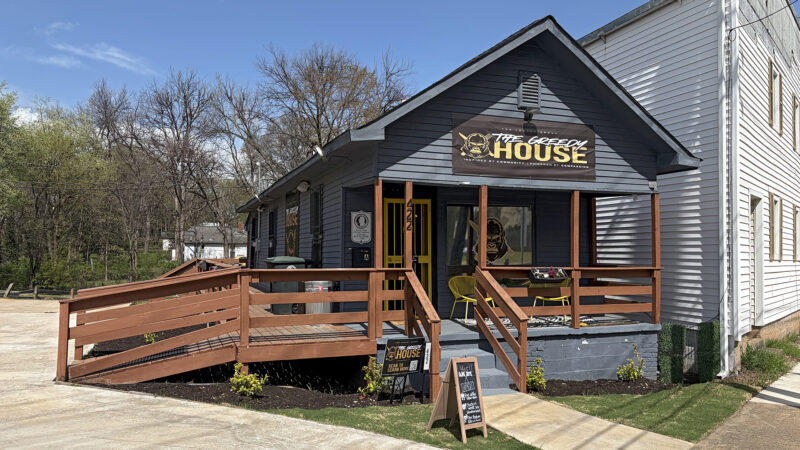
Auburn football player uses NIL funds to open a community hub in Birmingham

Jourdin Crawford, a freshman defensive lineman at Auburn, used earnings from a Name, Image, and Likeness deal to give back to his hometown.
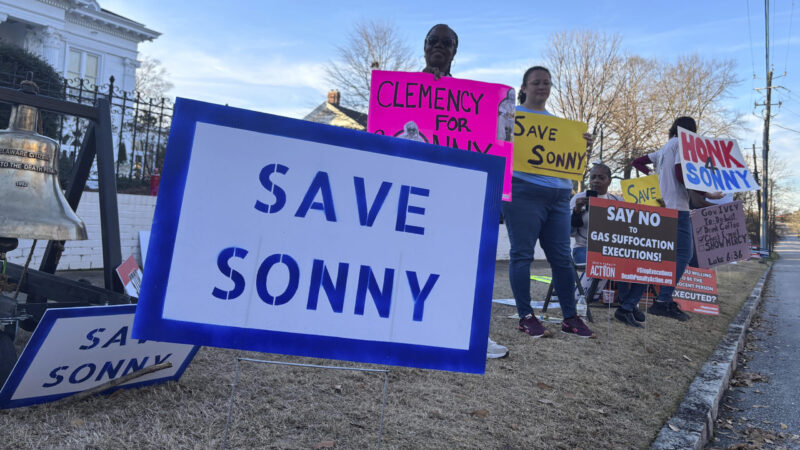
Ivey commutes death sentence of inmate whose accomplice fired fatal shot

Charles “Sonny” Burton was sentenced to death for the killing of Doug Battle during a 1991 robbery. However, another man shot Battle when Burton had left the building.

More Front Page Coverage