
Sex Trafficking in Alabama: The Crime & the Fight Against It
Two dozen volunteers walk down a main drag in Birmingham’s Woodlawn neighborhood. They’re within sight of I-20, which has come to be known as “the sex trafficking superhighway.” The group reaches a cluster of run-down motels where prostitutes work.
Soon, a young woman with a small bruise on her head comes out and asks everyone to move to where her pimp can’t see them. Once out of view, the volunteers hug her, and she starts crying. They tell her they want her to be safe, that she hadn’t “done anything to be beat on,” and that there are places that will help her leave that life. One of those places is The WellHouse, the shelter and rehabilitation facility for sexually exploited women that’s organizing this day’s outreach, which volunteers call “Special Ops.”
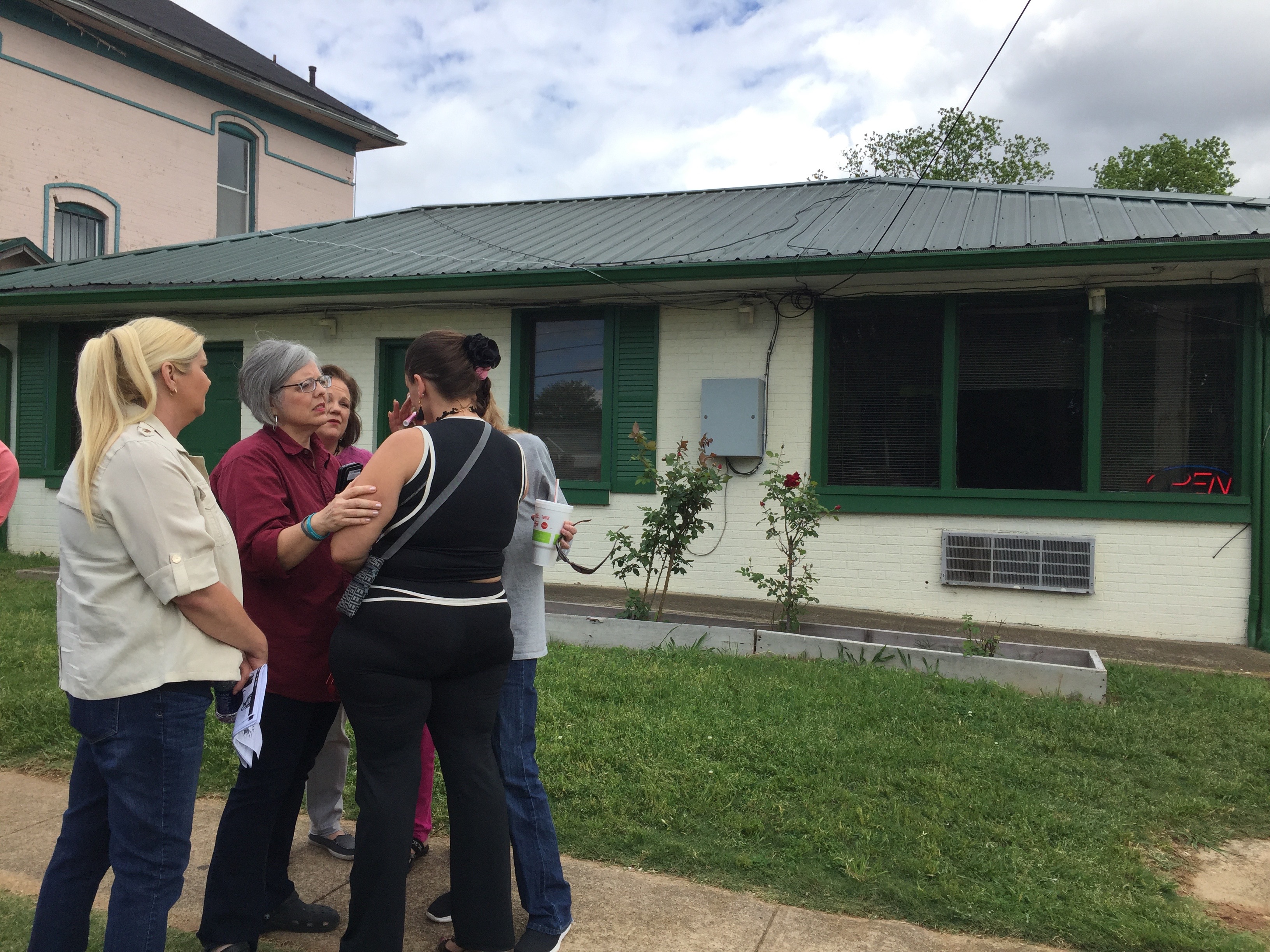
Dan Carsen, WBHM
Concern, tears, and words of encouragement outside a motel in Birmingham.
The goal is to give prostitutes the information and courage to leave sex trafficking behind. The volunteers carry pamphlets, fliers, Bibles, and concealable hygiene items with help-line numbers printed on them. Several of them know all too well what the victims face: Mary Elizabeth Minderhout says it happened to her.
“It starts out simple,” she says, adding that she grew up in an abusive situation. “It starts out as somebody telling you that you’re special and you’re loved, if you don’t have a family. And then, over time, it becomes abuse, and it becomes, you know, not just having sex with your boyfriend but their friends, and … and sooner or later, you’re trafficked. And you don’t even know it’s happening to you.”
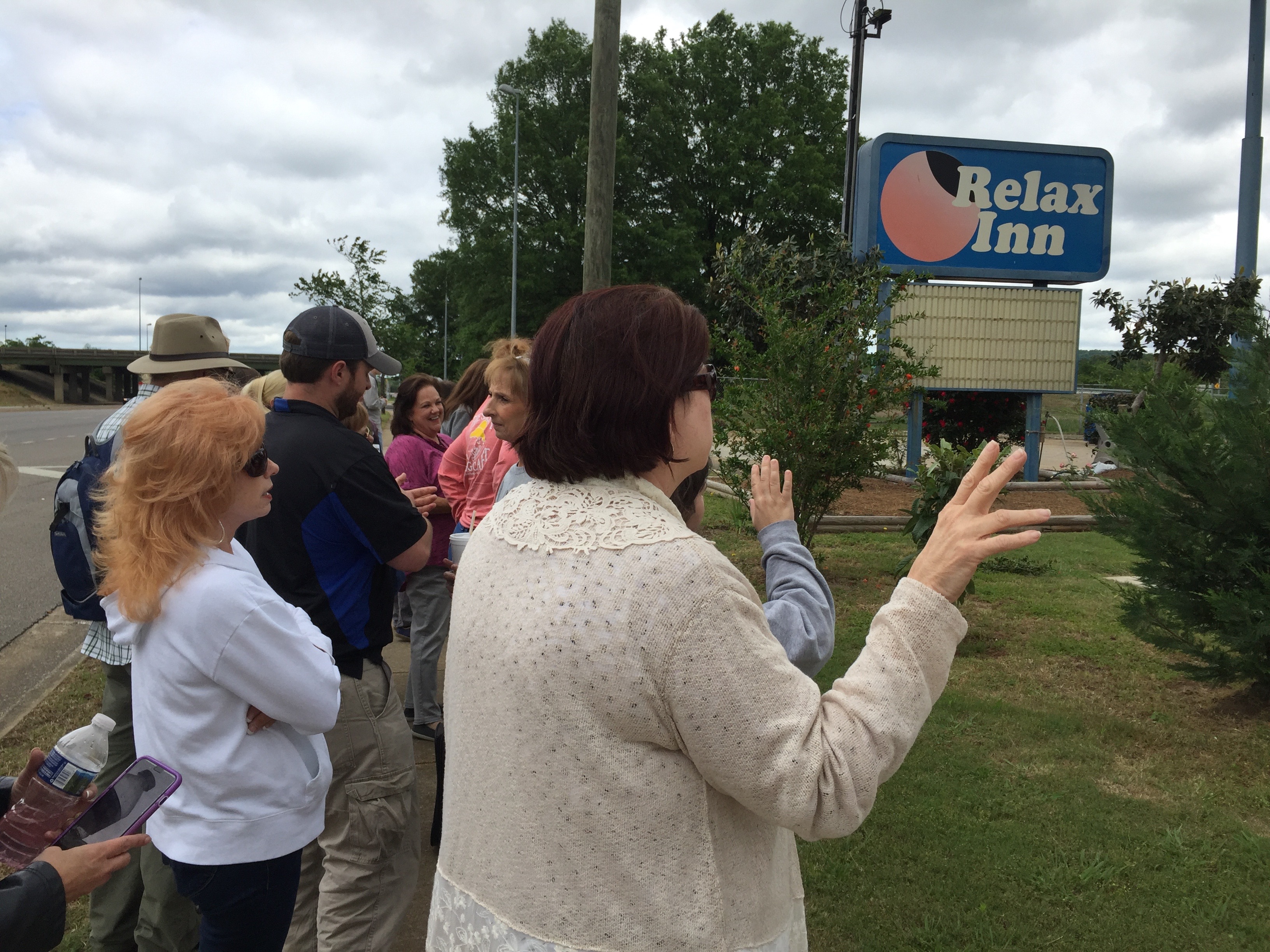
Dan Carsen, WBHM
Volunteers pray outside a motel. They were denied permission to enter the parking lot, but they hope any sex workers inside will notice them and come out to talk with them.
People sometimes wonder why sex workers don’t just walk away. Every case is different, but pimps often threaten, beat, rape, or force addictive drugs on their workers. They steal documents that show who they are, taking away their identities not just emotionally but legally. They threaten their families, too. Lisa Roxanne, one of the original organizers of Special Ops, says women often continue in sex work because their pimps know where their children are.
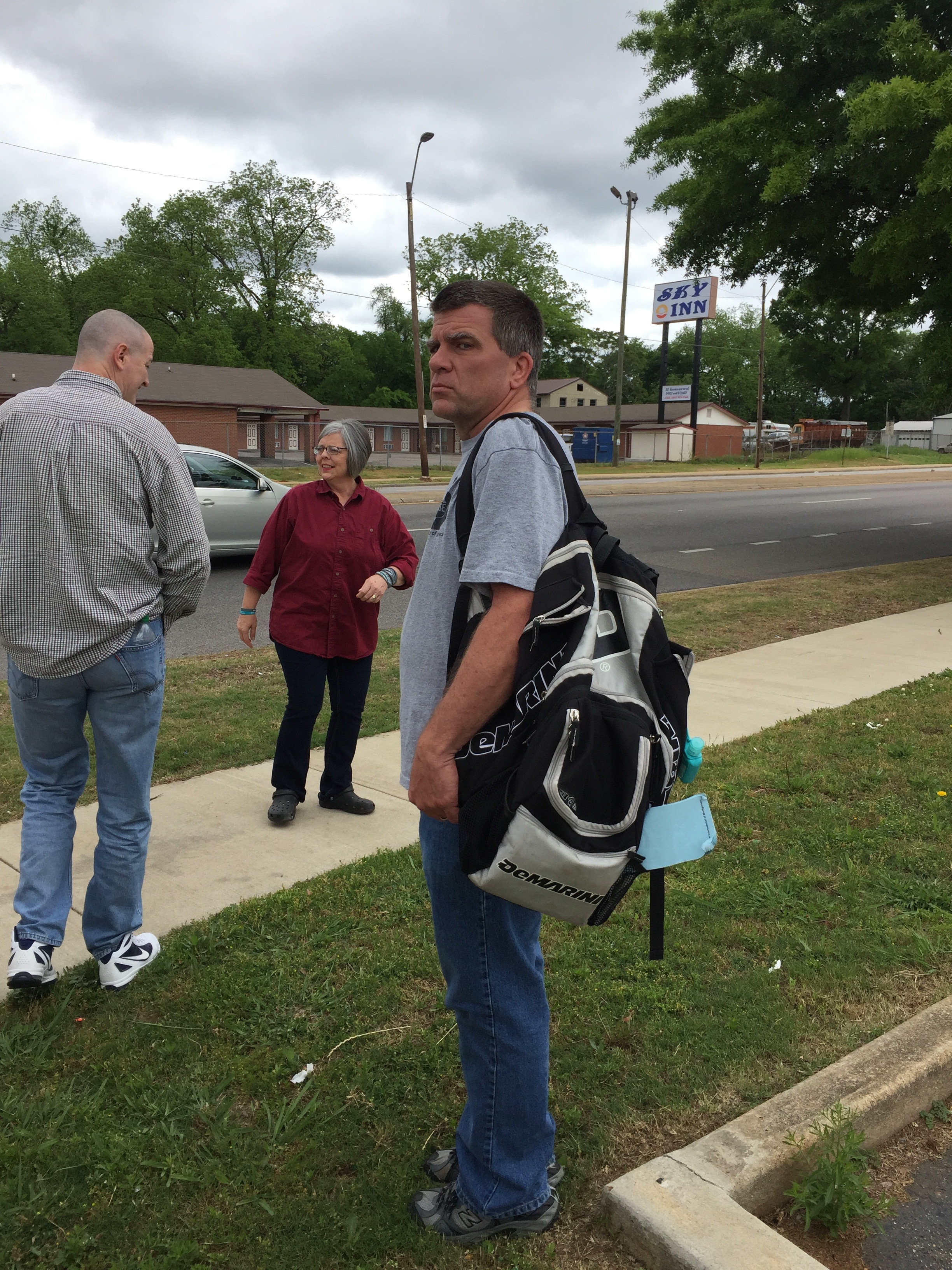
Dan Carsen, WBHM
Off-duty Mountain Brook police officer Glen White has been volunteering to provide security for the Special Ops volunteers for about six years.
And the trafficking rings are constantly on the move. Birmingham is on a circuit of interstates that help sex traffickers work a wide area without getting caught. They use technology too.
“The Internet has probably facilitated the explosion in the trafficking world,” says FBI Special Agent Cornelius Harris Jr. He and other experts say it’s impossible to know exactly how many victims are out there, but based on what Harris sees on the streets, he calls human trafficking in Alabama a significant problem.
“In any given operation,” he says, “we typically will run across anywhere from 10 to 30 potential victims of human trafficking, and that’s at one finite location that we’ve decided to target for an evening.”
Many of these victims are children. And advocates say they’re barely skimming the surface. They estimate just 2 to 4 percent of people ensnared in what they call “modern slavery” ever get rescued.
Even so, Harris says that when just one victim gets help, “we can really impact the way they view the rest of humanity. [They learn] there’s someone out there who can give them hope. And if we can take one trafficker off the street, there’s no telling how many other lives that we’ve impacted by not having that trafficker out there.”
In the last few years, law enforcement, state legislators, and nonprofits have ramped up cooperation to prosecute traffickers and rescue their victims. No one thinks the problem is going away. But neither are the people fighting it.
Here are possible signs of human trafficking.
You can access our three-part series on sex trafficking in Alabama here.

Dan Carsen, WBHM
WellHouse “Special Ops” volunteers comfort a woman caught up in sex trafficking and encourage her to leave that life.

Crew of fatal US military crash included Alabama father recently deployed
The six U.S. service members who died in the crash of a U.S. military refueling aircraft included an Alabama father who had just been promoted and deployed. The U.S. government released the identities of the deceased service members Saturday.
Alabama poised to drastically overhaul utility regulation. Will it lower electric bills?
The Alabama Senate unanimously voted to expand the public service commission, and create a Secretary of Energy to address rising electricity prices. A bill in the House would go even further, requiring rate case hearings and limiting utility profits.
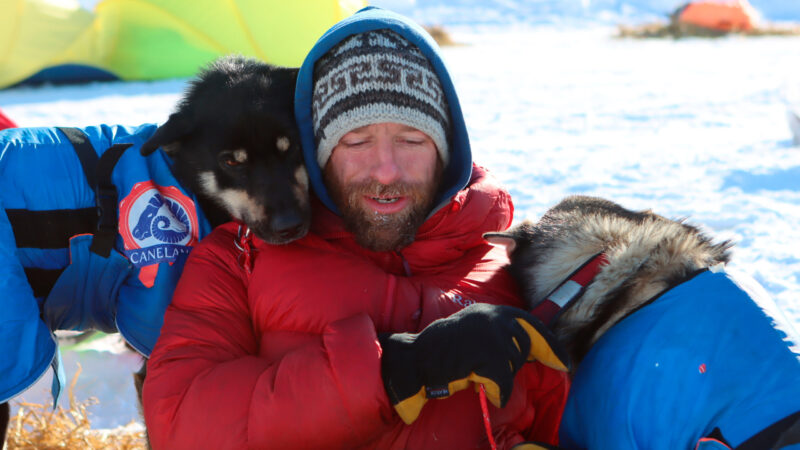
Musher from Alabama is going for back-to-back Iditarod wins
Riches and paid appearances haven’t followed Jessie Holmes since he won the world’s most famous sled dog race, the Iditarod, last year. He doesn't mind.
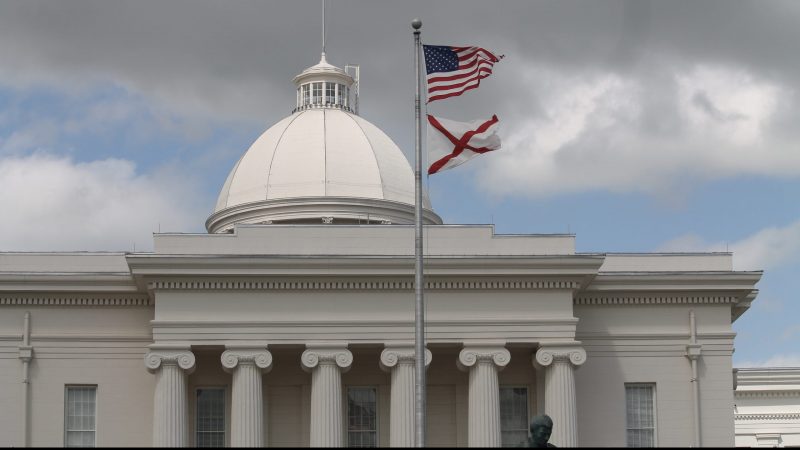
Bill would move Alabama to closed primaries
Right now, any Alabama voter can participate in a primary election. Lawmakers in Montgomery took up a bill this week that would change that system.
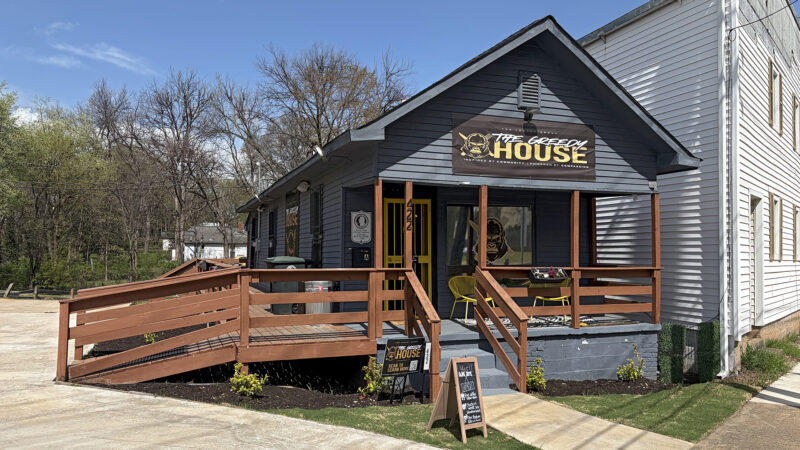
Auburn football player uses NIL funds to open a community hub in Birmingham
Jourdin Crawford, a freshman defensive lineman at Auburn, used earnings from a Name, Image, and Likeness deal to give back to his hometown.
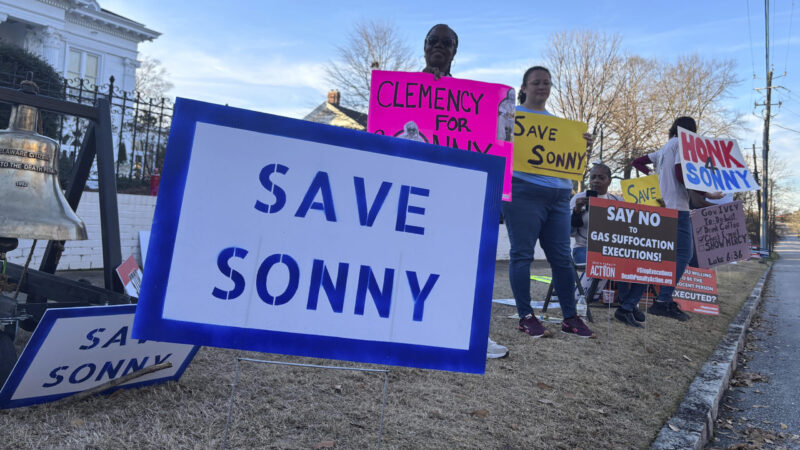
Ivey commutes death sentence of inmate whose accomplice fired fatal shot
Charles “Sonny” Burton was sentenced to death for the killing of Doug Battle during a 1991 robbery. However, another man shot Battle when Burton had left the building.