
How History Can Heal
Historical markers and memorials around Birmingham are reminders of the city’s painful and violent civil rights past. But they can also be means for reconciliation. That’s what Vanderbilt University graduate student Stephanie Fulbright argues.
In her research, she looked at these public objects in Birmingham, and in Northern Ireland where residents endured years of conflict between Roman Catholics and Protestants in what they call “The Troubles.”
Think Like a Historian
Fulbright draws a distinction between “memory” and “history.” Both look at the past, but they do so in different ways.
“Memory is based on emotion. It’s based on how we feel,” says Fulbright. Memory could be thought of as the stories a family elder tells around the dinner table.
Memory is “squishier” than the discipline of history, which is based on source material and facts. But Fulbright says that doesn’t mean history is beyond criticism while memory is unreliable.
“Facts require interpretation and so there always is a level of subjectivity in there,” says Fulbright. “I think it’s important to not disregard either end of that [memory and history].”
Fulbright says learning to think like a historian through questioning sources, wrestling with conflicting opinions and becoming more curious makes people more empathetic. That in turn, she says, can lead to reconciliation and healing.
A Platform for Conversation
Fulbright says historic markers, public art, and museums can be examples of history and memory that allow people to discuss different views.
“[They can say] Alright what do you think about this?” says Fulbright. “That’s encouraging that type of thinking.”
Fulbright also looked at churches and social justice organizations in Northern Ireland that worked to add complexity and nuance to the traditional historical narratives. She says those who led these programs said people from both sides of the conflict developed empathy as they recognized their own experiences but also learned more about the other side.
“People built friendships out of these classes,” says Fulbright. ”[They] now had a greater appreciation for the story of the other side, but also now knew someone on the other side and had a personal relationship with them.”
Fulbright says the most successful reconciliation work she observed was on this personal level. But she says this kind of discussion can apply to truth commissions or debating how history is taught in schools.
“For reconciliation and healing to take place, I think there does need to be this recognition of a shared humanity,” says Fulbright. “That is a hard thing to do on a mass scale.”
Comparing Birmingham to Belfast
Fulbright says both cities have museums to record their tumultuous pasts. But the way they approach them is different.
“The Birmingham Civil Rights Institute, I think, has a much clearer vision of the story they want to tell than the Ulster Museum [in Belfast],” says Fulbright.
She says the Ulster Museum takes a conservative approach by not saying too much in an attempt to appease both sides. She says BCRI presents its interpretation of history and the reasons for it.
“I think it’s a much stronger result,” says Fulbright.
Fulbright says the 16th Street Baptist Church, the site of a Ku Klux Klan bombing that killed four black girls in 1963, does a good job of telling the story of its involvement in the Civil Rights Movement along with presenting the church as a living congregation today.
Meanwhile churches in Northern Ireland mostly stood aside as conflict raged between Protestants and Catholics and did little to intervene to stop the fighting.
“It’s a lot harder to find acknowledgement of the Troubles in churches in a formal way,” says Fulbright.
Bringing the Research Home
Fulbright says this kind of conversation is too often confined to academia, but she believes there is application for those living in the South trying to deal with this history. She says people should consider how they think about the past and be more observant of the stories that are told.
“Starting to have an awareness of…these themes keep coming up. There seems to be something there,” says Fulbright. “Or we only talk about this thing and we never talk about this other thing. I wonder why that is?”
That goes for formal history and when Grandma’s reminiscing.
Hear an extended interview with Fulbright:

Crew of fatal US military crash included Alabama father recently deployed
The six U.S. service members who died in the crash of a U.S. military refueling aircraft included an Alabama father who had just been promoted and deployed. The U.S. government released the identities of the deceased service members Saturday.
Alabama poised to drastically overhaul utility regulation. Will it lower electric bills?
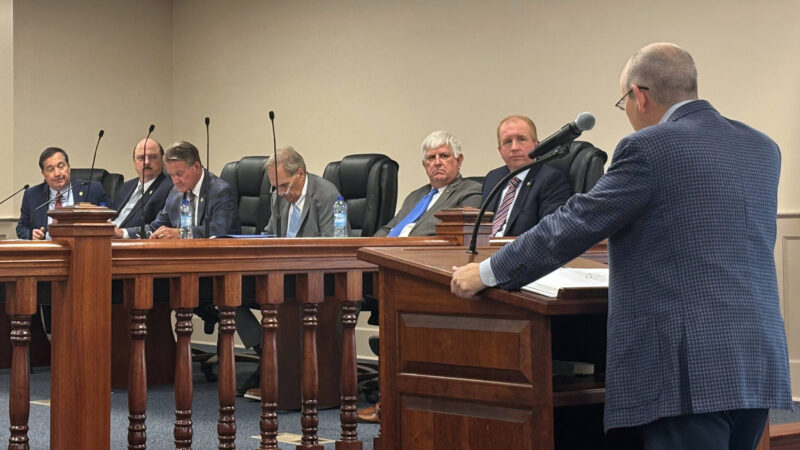
The Alabama Senate unanimously voted to expand the public service commission, and create a Secretary of Energy to address rising electricity prices. A bill in the House would go even further, requiring rate case hearings and limiting utility profits.

Musher from Alabama is going for back-to-back Iditarod wins
Riches and paid appearances haven’t followed Jessie Holmes since he won the world’s most famous sled dog race, the Iditarod, last year. He doesn't mind.
Bill would move Alabama to closed primaries
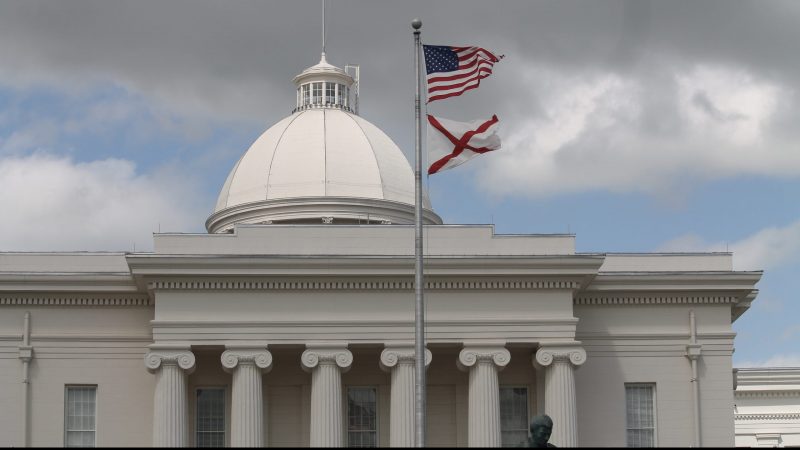
Right now, any Alabama voter can participate in a primary election. Lawmakers in Montgomery took up a bill this week that would change that system.
Auburn football player uses NIL funds to open a community hub in Birmingham
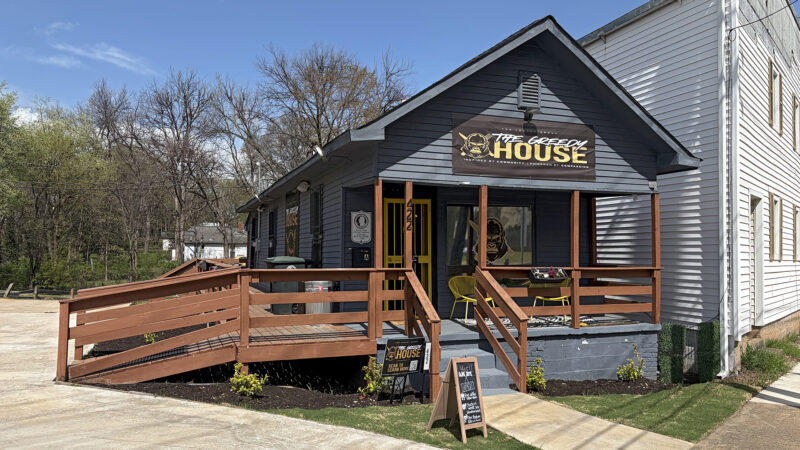
Jourdin Crawford, a freshman defensive lineman at Auburn, used earnings from a Name, Image, and Likeness deal to give back to his hometown.
Ivey commutes death sentence of inmate whose accomplice fired fatal shot
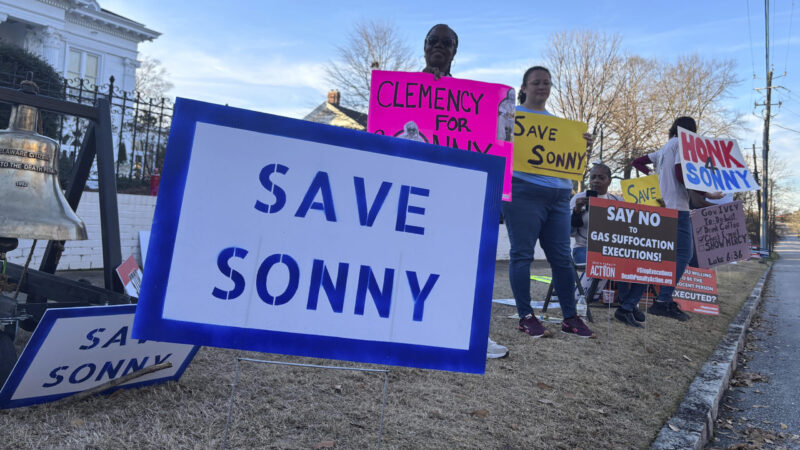
Charles “Sonny” Burton was sentenced to death for the killing of Doug Battle during a 1991 robbery. However, another man shot Battle when Burton had left the building.