
High School Students Track Real Cybercriminals at UAB
What do fake NBA jerseys, black-market pills, and other people’s bank data have in common? They’re all available through cybercrime, and they’ve all been tracked by high school students learning to help catch the criminals at a weeklong camp at the University of Alabama at Birmingham.
Experts say there are about 350,000 cybersecurity job openings in the U.S., and that there aren’t nearly enough skilled workers to fight a rising tide of internet crime. But “Cyberdetectives Camp” is trying to prime that pipeline, not through simulated scenarios contrived for kids in a classroom, but through open-source investigations of real criminals.
Each day of the camp was different, but the day I visited, the targets were people selling counterfeit NBA and soccer jerseys online around the world. Some of the 22 students had already discovered common IP and email addresses connecting a nation-straddling group of these fraudulent websites.

Dan Carsen, WBHM
This is part of what a cybercrime trail looks like.
Gary Warner, UAB’s director of computer forensics research, reminded the students, “it’s in the Netherlands and it’s in China, but just because the company is headquartered in China doesn’t mean that they don’t have part of their network operating in the United States.”
Which means U.S. law enforcement could get involved in taking down the criminals, or at least their websites. It’s all about prioritizing through a series of steps, Warner says.
“Trying to find proofs of identity, then proofs of crime, and then prioritization – why is this criminal worth investigating?”
For example, if hundreds or even thousands of counterfeit websites are traced to one person, one computer, or one email, that’s more likely to be a high-priority target and more efficient to prosecute. And Warner’s cyber-campers have found those types of targets.
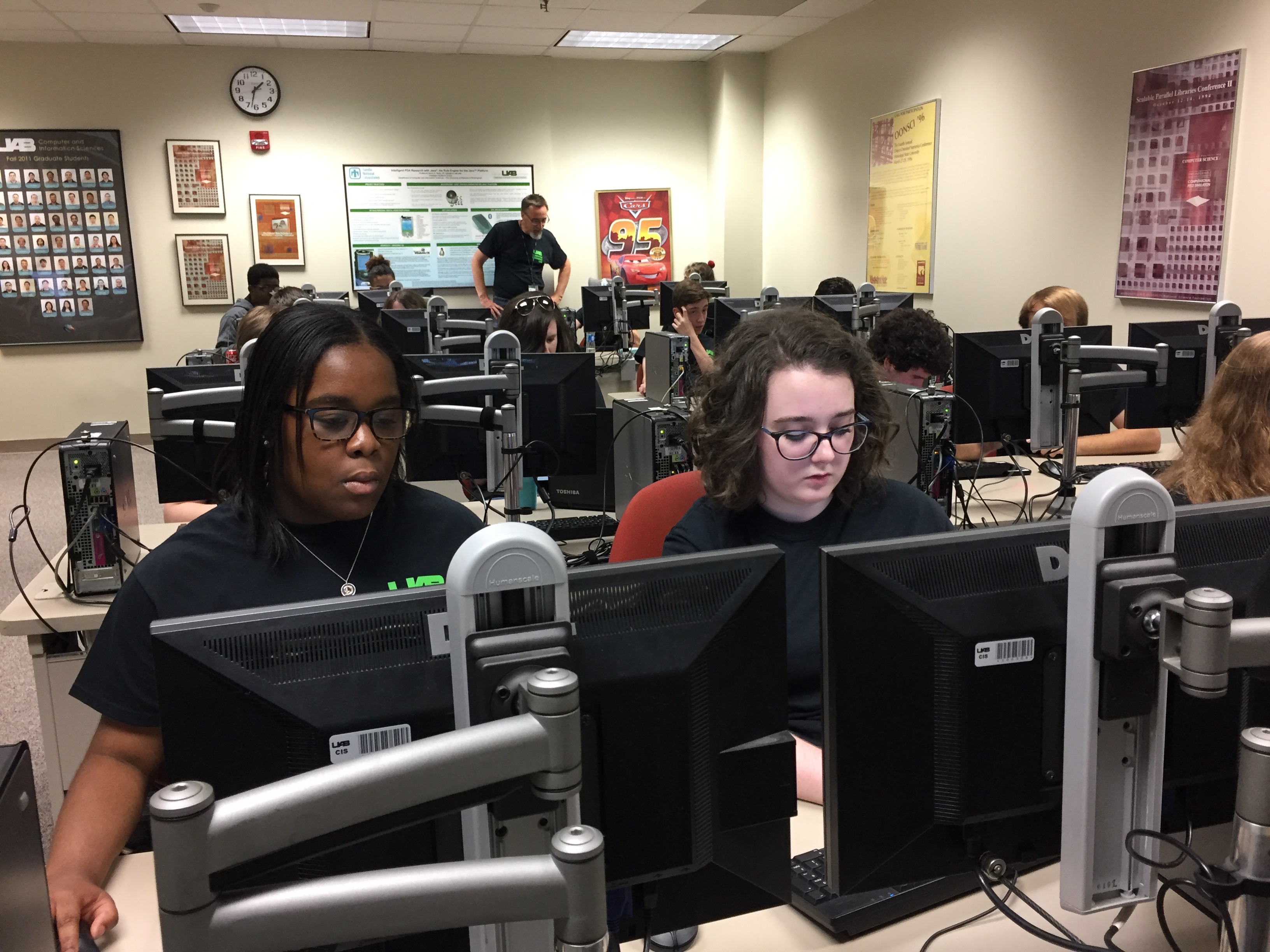
Dan Carsen, WBHM
Daija Young, left, and Sarah Newton on the trail of cybercriminals selling unlicensed pharmaceuticals.
“The students were able to identify a lot of the email accounts, and those have already been referred over for the FBI to investigate,” he says.
Phishing scams, forensic hard-drive analysis, ransomware – they’re tackling all of it. But there’s a troubling backdrop here: Analysts predict that within five years there’ll be a shortage of about two million cybersecurity workers worldwide.
High school senior Sarah Newton of Douglasville, Georgia might soon help fill that gap. She’s checking out a sketchy-looking website called International Drug Mart.
“We found 34 domains, which are other websites, that are registered to that same email address,” she says. Basically, she’s following a trail. I ask her if that’s one of the challenges she likes about this kind of work. “Absolutely,” she says.
Hoover High School graduate Will Thomason agrees. He’s “pinging” or probing computer networks around the world to try to reveal connections between sites that sell fake goods.
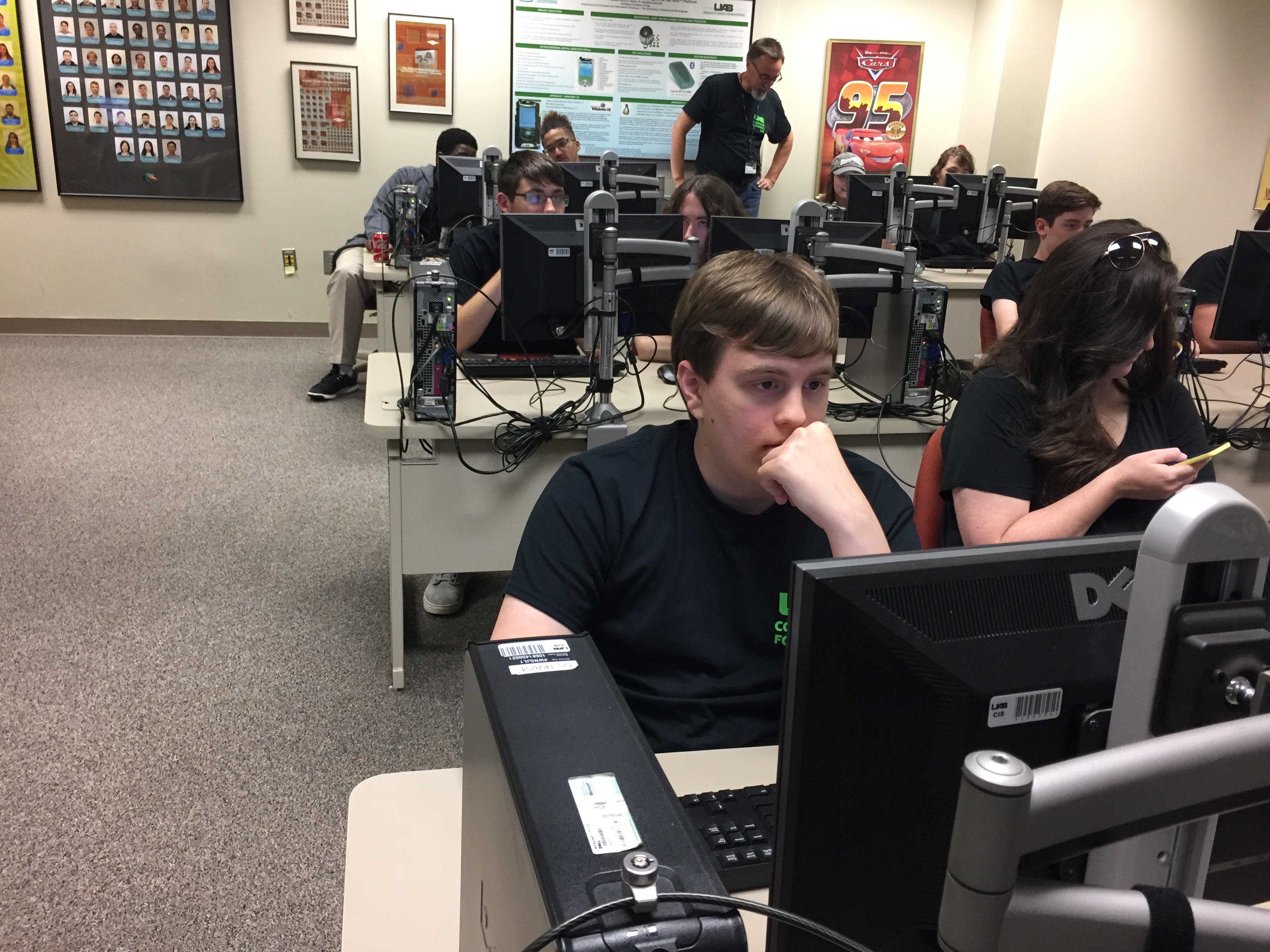
Dan Carsen, WBHM
Will Thomason probes computer networks selling bootleg products around the world.
“And then we can put that into a report that gets turned in to the FBI. And then they can launch an investigation,” says Thomason. “This is definitely a great way to spend a week.”
Warner and other educators hope that the interest lasts more than a week. They’re looking for career cybercrime fighters.
“We’re trying to show people who may not have a typical computer-science, geek-from-age-three background that there are lots of exciting careers in computer science and in criminal justice,” says Warner, who plans to hold the camp again next summer. He says businesses, governments, the military, hospitals – basically any legal enterprises – are going to need a lot more people who can tangle with cybercriminals.
Rodney Petersen, director of the National Initiative for Cybersecurity Education, backs that up. He says projections are “by the year 2022, there will be a shortage of 1.8 million cybersecurity workers worldwide.”
And in Alabama, he says, “the data shows that there were over 3,000 open positions in cybersecurity last year, and even more specifically, there were 193 open jobs in the area of investigations … So that’s why summer camps like this are critically important, not only for the state of Alabama, but for our national effort to reduce that workforce gap.”
But after watching Warner’s high-schoolers track crafty cybercriminals, a question nagged: what if these budding cyber-experts take their skills over to the dark side where there’s potentially money to be made? I ask Warner if there’s an ethical issue here.
“Yeah, absolutely. In fact, what I tell my students here is, if any of you decide to go that way, you know who I am, I know who you are, and I will be the one that comes after you myself.”
He’s chuckling, but from this well-known cybersleuth, that’s not a promise to be taken lightly.
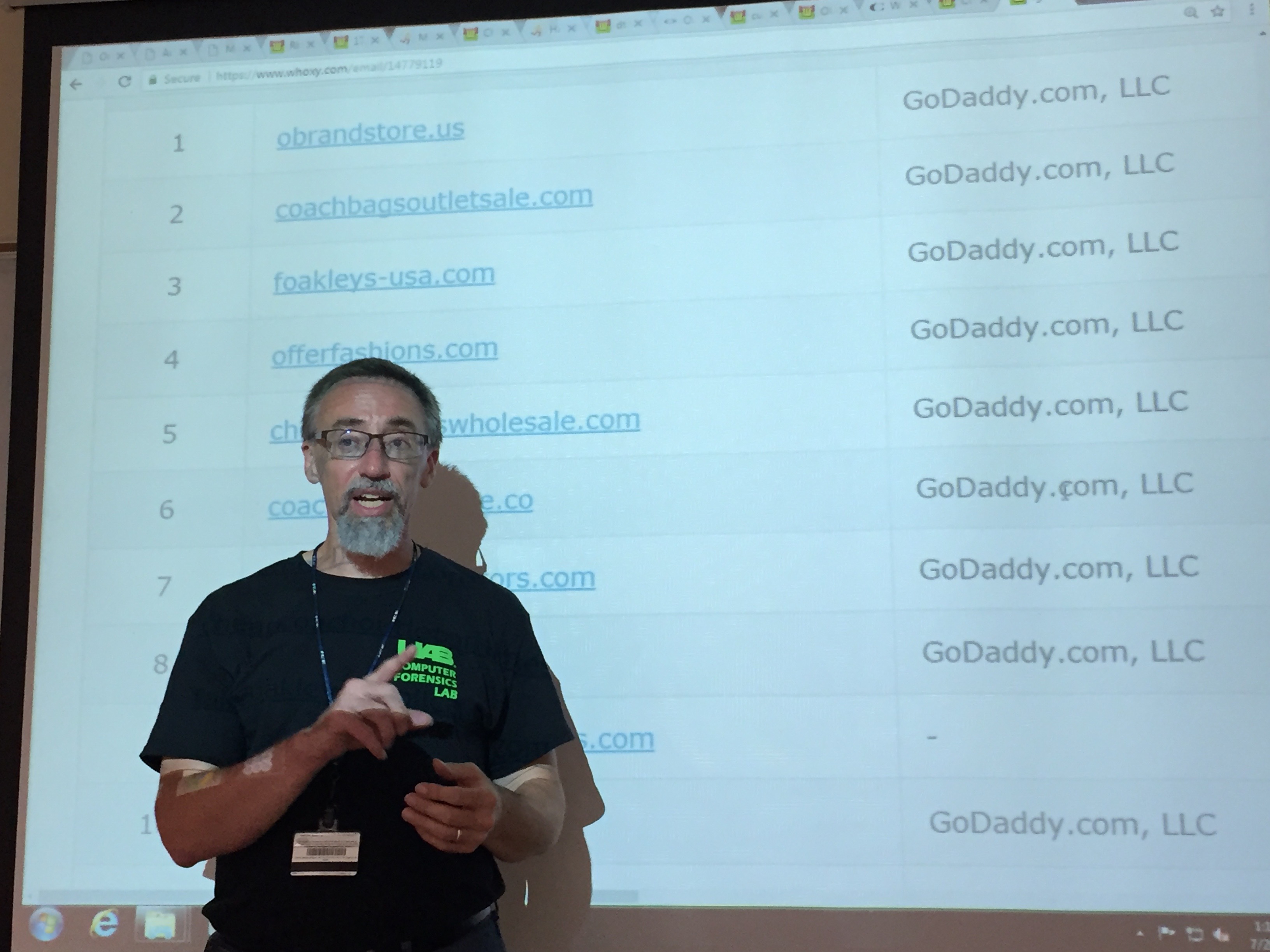
Dan Carsen, WBHM
UAB Director of Research in Computer Forensics Gary Warner makes a point to future cyberdetectives.

Crew of fatal US military crash included Alabama father recently deployed
The six U.S. service members who died in the crash of a U.S. military refueling aircraft included an Alabama father who had just been promoted and deployed. The U.S. government released the identities of the deceased service members Saturday.
Alabama poised to drastically overhaul utility regulation. Will it lower electric bills?
The Alabama Senate unanimously voted to expand the public service commission, and create a Secretary of Energy to address rising electricity prices. A bill in the House would go even further, requiring rate case hearings and limiting utility profits.
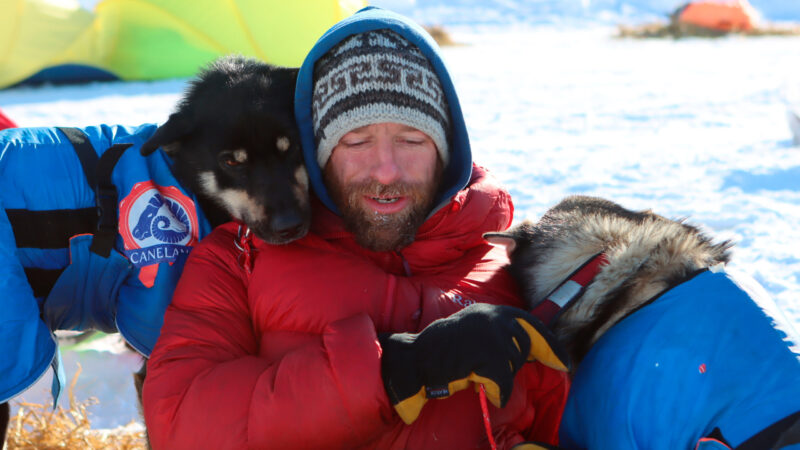
Musher from Alabama is going for back-to-back Iditarod wins
Riches and paid appearances haven’t followed Jessie Holmes since he won the world’s most famous sled dog race, the Iditarod, last year. He doesn't mind.
Bill would move Alabama to closed primaries
Right now, any Alabama voter can participate in a primary election. Lawmakers in Montgomery took up a bill this week that would change that system.
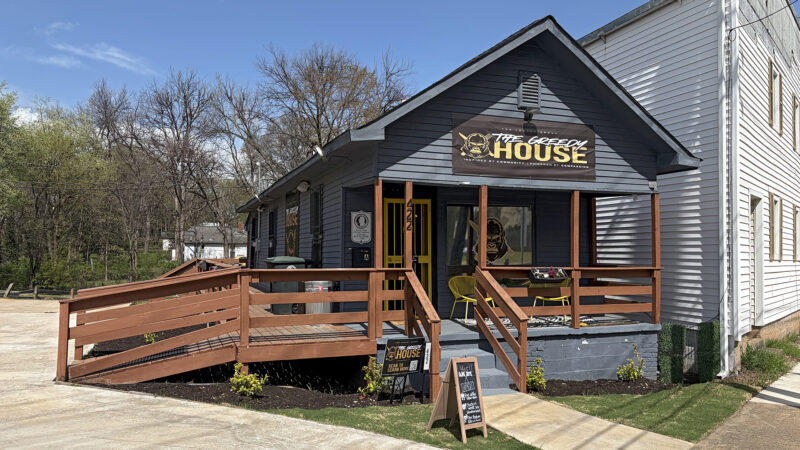
Auburn football player uses NIL funds to open a community hub in Birmingham
Jourdin Crawford, a freshman defensive lineman at Auburn, used earnings from a Name, Image, and Likeness deal to give back to his hometown.
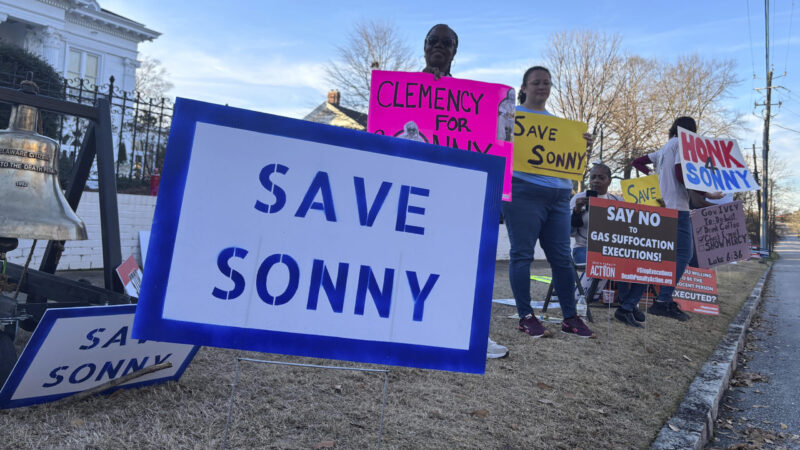
Ivey commutes death sentence of inmate whose accomplice fired fatal shot
Charles “Sonny” Burton was sentenced to death for the killing of Doug Battle during a 1991 robbery. However, another man shot Battle when Burton had left the building.