
Are Alabama Prisoners Getting the Mental Health Care They Need?
Fatal stabbings and suicides are not at all uncommon in Alabama prisons. And mental health care for inmates has been the focus of a federal trial that lasted two months beginning in December. U.S. District Judge Myron Thompson is expected to rule in the case in the next few months. In the meantime, those with mental illness continue to cycle through the criminal justice system. At the heart of the recent federal trial under way was a question, “Are prisoners getting the mental health care they need?” Maria Morris, an attorney with the Southern Poverty Law Center representing prisoners in the trial, says they are not.
“There’s a lot of evidence that there’s just simply not enough mental health staff to do what needs to be done for the mentally ill people in the prison system,” Morris says. “And that’s a problem of not having numbers of people working but also not having people at the right level of qualification.”
Morris says at least 30 percent of those incarcerated in Alabama have a serious mental illness such as depression, schizophrenia and bipolar disorder. Take inmate Jamie Wallace. Weeks after he testified about his own struggles getting mental health treatment, Wallace was found hanging from his cell. Morris says one suicide haunts her. During a visit to one prison, she was told a prisoner hanged himself in solitary confinement. “The idea of putting someone into such a harmful environment, that this person begged for help,” Morris says. “Other people begging for him. And no one came.”
Larry Wood, a 20-year veteran of the Federal Bureau of Prisons and a retired clinical psychologist, counseled inmates at Julia Tutwiler Prison for Women. “My shock was that there was nothing to be done there,” Woods says. “This system is so chaotic, disorganized and on top of all that, the whole tone was it was simply abusive.”
Helping those with mental illness re-enter society is important too. One program sponsored by the state helps inmates, some with mental health issues, transition back to the community. Selected inmates who are due for release can participate in a 6-month program at the Alabama Therapeutic Education Facility or ATEF. It’s private owned. There are no bars. The guards don’t carry guns. Gary Hetzel is with Community Education Centers, the company that owns ATEF.
“What we try to do here is bring them hope and show them respect,” Hetzel says. “Teach them a new way of thinking and then getting their education so they can communicate well with people.”
Mental health advocates and state prison system officials are awaiting the outcome of the federal trial. In the meantime, advocates are working with State Rep. Mike Ball on a bill that would train law enforcement to de-escalate confrontations with the mentally ill. The hope is that more will end up getting the help they need, rather than landing in prison.
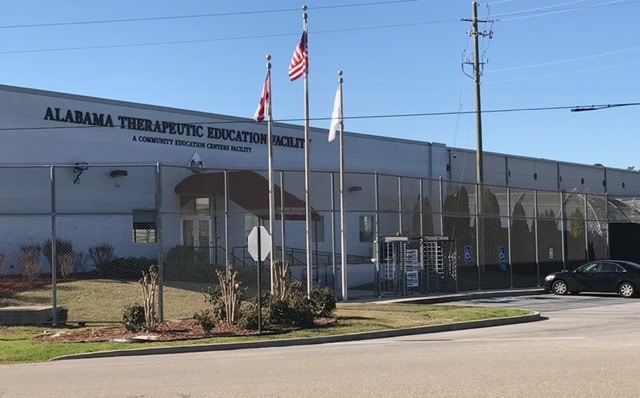
The Alabama Therapeutic Education Facility (ATEF) offers a 6-month program for soon-to-be-released Alabama inmates. ATEF says they treat their clients with respect hoping it will change their way of thinking to be contributing members of society once released.
Photo by Les Lovoy

Crew of fatal US military crash included Alabama father recently deployed
The six U.S. service members who died in the crash of a U.S. military refueling aircraft included an Alabama father who had just been promoted and deployed. The U.S. government released the identities of the deceased service members Saturday.
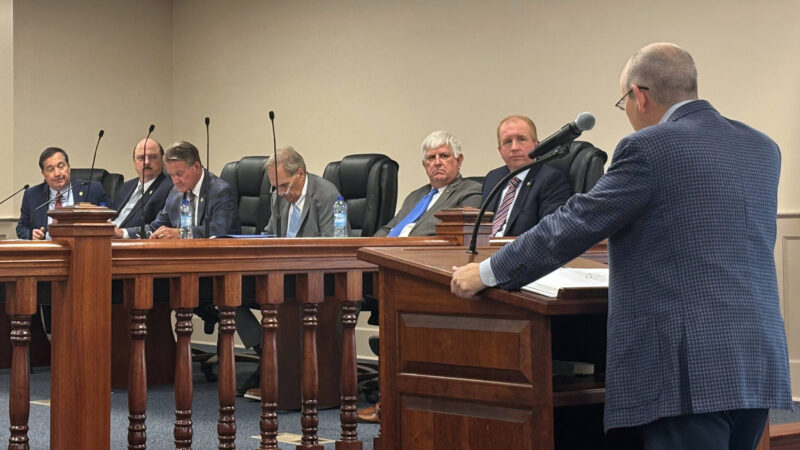
Alabama poised to drastically overhaul utility regulation. Will it lower electric bills?
The Alabama Senate unanimously voted to expand the public service commission, and create a Secretary of Energy to address rising electricity prices. A bill in the House would go even further, requiring rate case hearings and limiting utility profits.

Musher from Alabama is going for back-to-back Iditarod wins
Riches and paid appearances haven’t followed Jessie Holmes since he won the world’s most famous sled dog race, the Iditarod, last year. He doesn't mind.
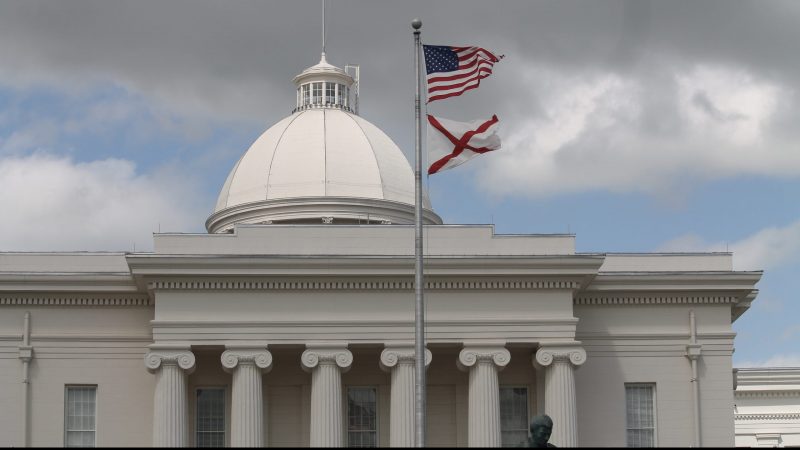
Bill would move Alabama to closed primaries
Right now, any Alabama voter can participate in a primary election. Lawmakers in Montgomery took up a bill this week that would change that system.
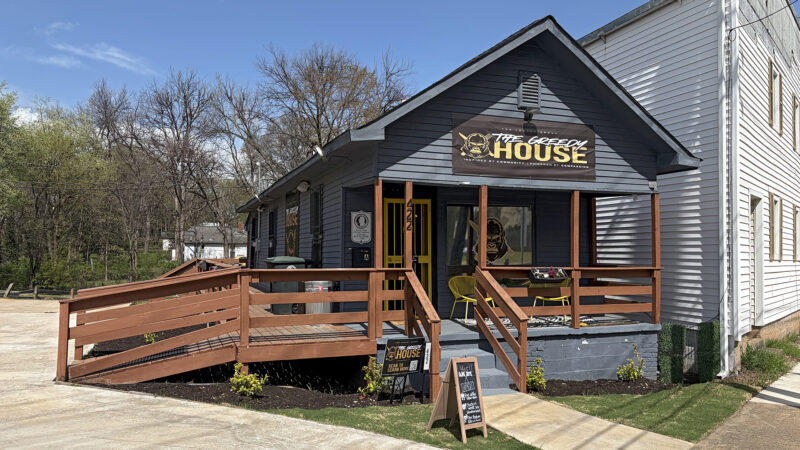
Auburn football player uses NIL funds to open a community hub in Birmingham
Jourdin Crawford, a freshman defensive lineman at Auburn, used earnings from a Name, Image, and Likeness deal to give back to his hometown.
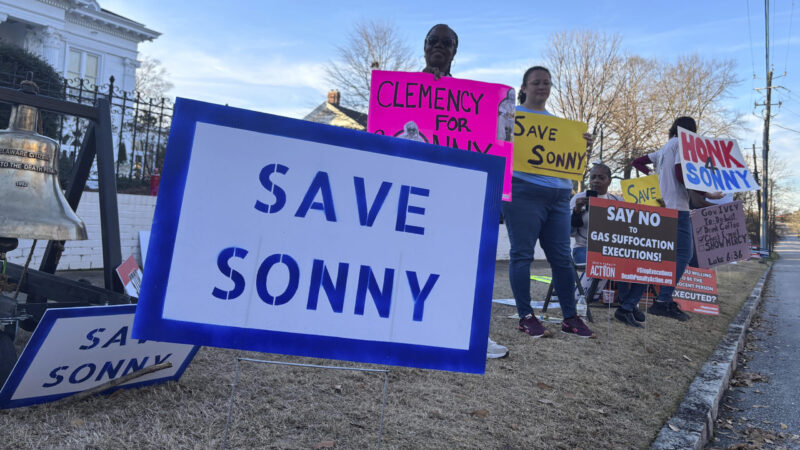
Ivey commutes death sentence of inmate whose accomplice fired fatal shot
Charles “Sonny” Burton was sentenced to death for the killing of Doug Battle during a 1991 robbery. However, another man shot Battle when Burton had left the building.