
Birmingham Launches Film Office as State Lags in Big Productions
Big-budget filmmaking isn’t limited to Hollywood. More films are being shot in states like Louisiana, Georgia, and Kentucky. But Alabama has been trying to grow its film industry. One recent success? The horror film “Get Out”, which grossed over $230 million worldwide. But the state is still eclipsed by its neighbor — Georgia.
“So many of the movies and TV shows that you see on TV or at that theater today are actually filmed right next door in Georgia,” says Kevin Langston, Georgia’s deputy commissioner of tourism.
Georgia’s become a filmmaking juggernaut. Langston says 240 productions were filmed in the state in 2016. According to Ad Week, Georgia’s movie and TV shows had an economic impact of $7 billion in a year. The Walking Dead, Vampire Diaries, Captain America: Civil War and Guardians of the Galaxy Vol. 2 are a few of the TV shows and movies shot in the state.
“Give us a little bit of time,” says Buddy Palmer, president of Create Birmingham. “We’ll be reeling them into Alabama.”
Create Birmingham recently opened Film Birmingham. The non-profit serves as a hub for filmmakers eying the magic city. It’s received about $150,000 in funding from different local foundations. The mayor’s proposed budget includes $100,000 for Film Birmingham.
Southern hospitality is nice, but Palmer says there’s one factor that matters most.
“It all boils down to the state film incentives,” says Palmer.
Alabama offers tax incentives for films shot here, but so do many other states. And not all incentives are created equal. John Bails is the executive vice president of Film Production Capital, a brokerage company for film incentives. It rates states on filmmaker incentives. Alabama has three out of five stars.
“Basically it’s, you know, nothing inherently wrong with the program,” says Bails. “Attractive well enough. But, the catch is if you can take advantage of it.”
Bails says the problem is Alabama gives out a maximum of $20 million in tax credits each year, and filmmakers would rather go elsewhere then fight over it. Georgia has no cap, one of the reasons Film Production Capital gave the state five stars — tied only with Kentucky.
State incentives have taken their toll on the filmmaking king — California.
Of the 100 top-performing films last year, California had 12; Georgia had 17. That’s according to a report from Film LA. The report suggests stronger film incentives from other states are to blame.
A recent report commissioned by the Alabama Department of Revenue was critical of Alabama’s film incentives. The report looked at the program from an employment perspective and found it did not create many high-paying jobs. It gave the program a D.
“When you’re spending $50,000 dollars to create a job in an industry that’s paying $21,000 a year, you do have to scratch your head,” says Matt Murray, an economics professor at the University of Tennessee who co-authored the report.
The report recommends Alabama get rid of its incentives. A bill was recently introduced to do just that, but died before the legislative session ended.
Stacey Davis, president of Sidewalk Film Festival, says the report is too narrow and doesn’t capture the full benefits of the incentives.
“It’s not just these producers and directors coming in from out of town and pocketing a bunch of Alabama money and hitting the road,” says Davis. “This money is getting spent in Alabama.”
Palmer say there’s also a danger in repealing the program — in the states that did so, the film industry disappeared overnight.
“I’m not talking about a gradual progression out of town,” says Palmer. “I mean, there’s immediate flight to other areas.”
Even if Alabama were to copy and paste Georgia’s film incentives, Georgia has benefited from its head start. Along with years of the film industry investing in sound stages and other infrastructure, the state has a workforce seasoned by a constant stream of work. Palmers says to strengthen Alabama’s local film crews, the state needs more productions — but to get more productions, the state needs a strong workforce.
“It can almost be a little chicken and egg,” says Palmer.
Palmer hopes the state will make the incentives program more attractive. Alabama still faces an uphill battle, but Palmer has a message for Georgia.
“Watch out,” he says.

Crew of fatal US military crash included Alabama father recently deployed
The six U.S. service members who died in the crash of a U.S. military refueling aircraft included an Alabama father who had just been promoted and deployed. The U.S. government released the identities of the deceased service members Saturday.
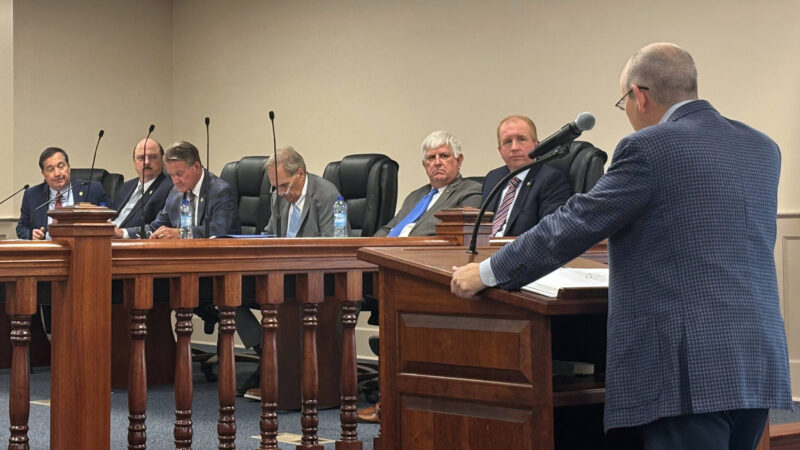
Alabama poised to drastically overhaul utility regulation. Will it lower electric bills?
The Alabama Senate unanimously voted to expand the public service commission, and create a Secretary of Energy to address rising electricity prices. A bill in the House would go even further, requiring rate case hearings and limiting utility profits.

Musher from Alabama is going for back-to-back Iditarod wins
Riches and paid appearances haven’t followed Jessie Holmes since he won the world’s most famous sled dog race, the Iditarod, last year. He doesn't mind.
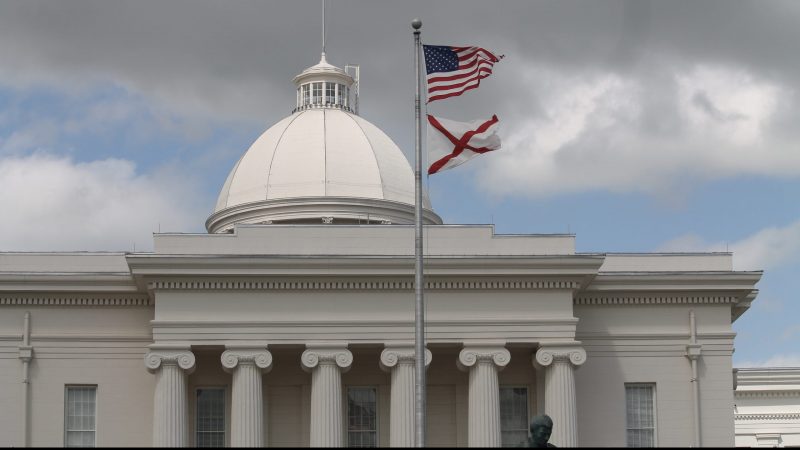
Bill would move Alabama to closed primaries
Right now, any Alabama voter can participate in a primary election. Lawmakers in Montgomery took up a bill this week that would change that system.
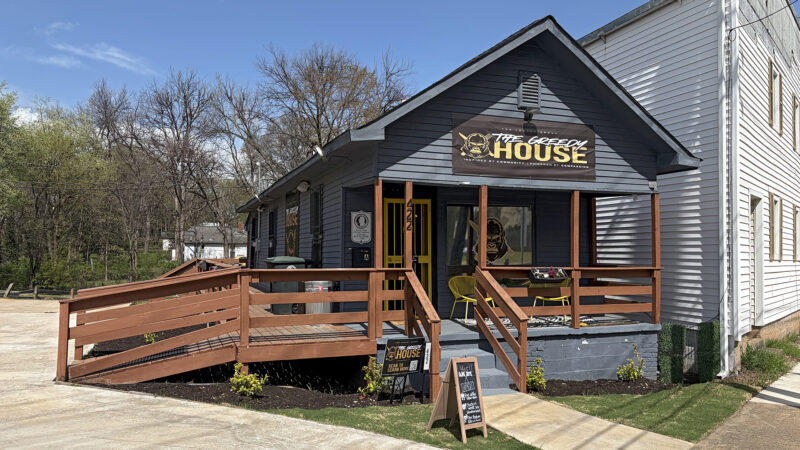
Auburn football player uses NIL funds to open a community hub in Birmingham
Jourdin Crawford, a freshman defensive lineman at Auburn, used earnings from a Name, Image, and Likeness deal to give back to his hometown.
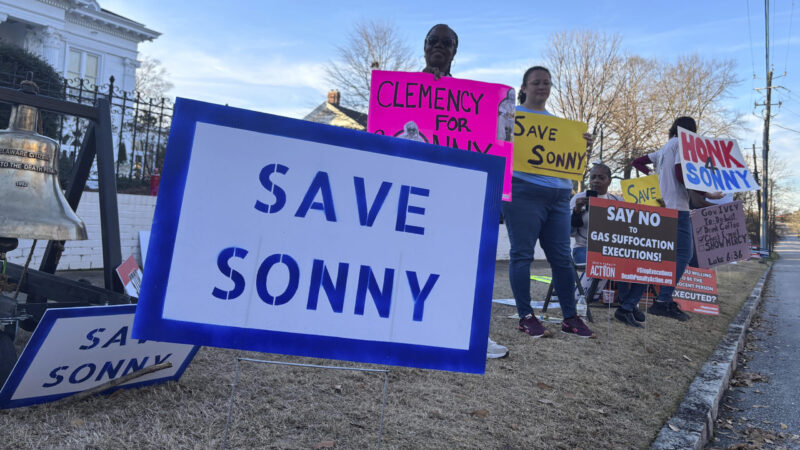
Ivey commutes death sentence of inmate whose accomplice fired fatal shot
Charles “Sonny” Burton was sentenced to death for the killing of Doug Battle during a 1991 robbery. However, another man shot Battle when Burton had left the building.