
“What’s Lost is Found” — Photographs of Hale County
For decades, photographers have captured Hale County in Alabama’s Black Belt. Photojournalist Walker Evans documented families there suffering from the Great Depression. Starting in the 1960s, Alabama-native William Christenberry took pictures of decaying buildings. Now photographer Lauren Henkin can add her work to the tradition.
Last year, Henkin spent a month in Hale County as an artist-in-residence sponsored by the Do Good Fund, which supports photography of the South. Some of those pictures will be displayed in an exhibit called “What’s Lost is Found.” It opens Friday at the Birmingham Museum of Art where she’ll also give a talk about the work.
Henkin spoke with WBHM’s Andrew Yeager.
Excerpts from the interview:
“What I was trying to avoid were some of the more stereotypical images of social and economic divide that you see a lot coming from the rural South and really just trying to explore what I found and to leave some ambiguity in the photographs so that the viewers could impart their own narrative.”
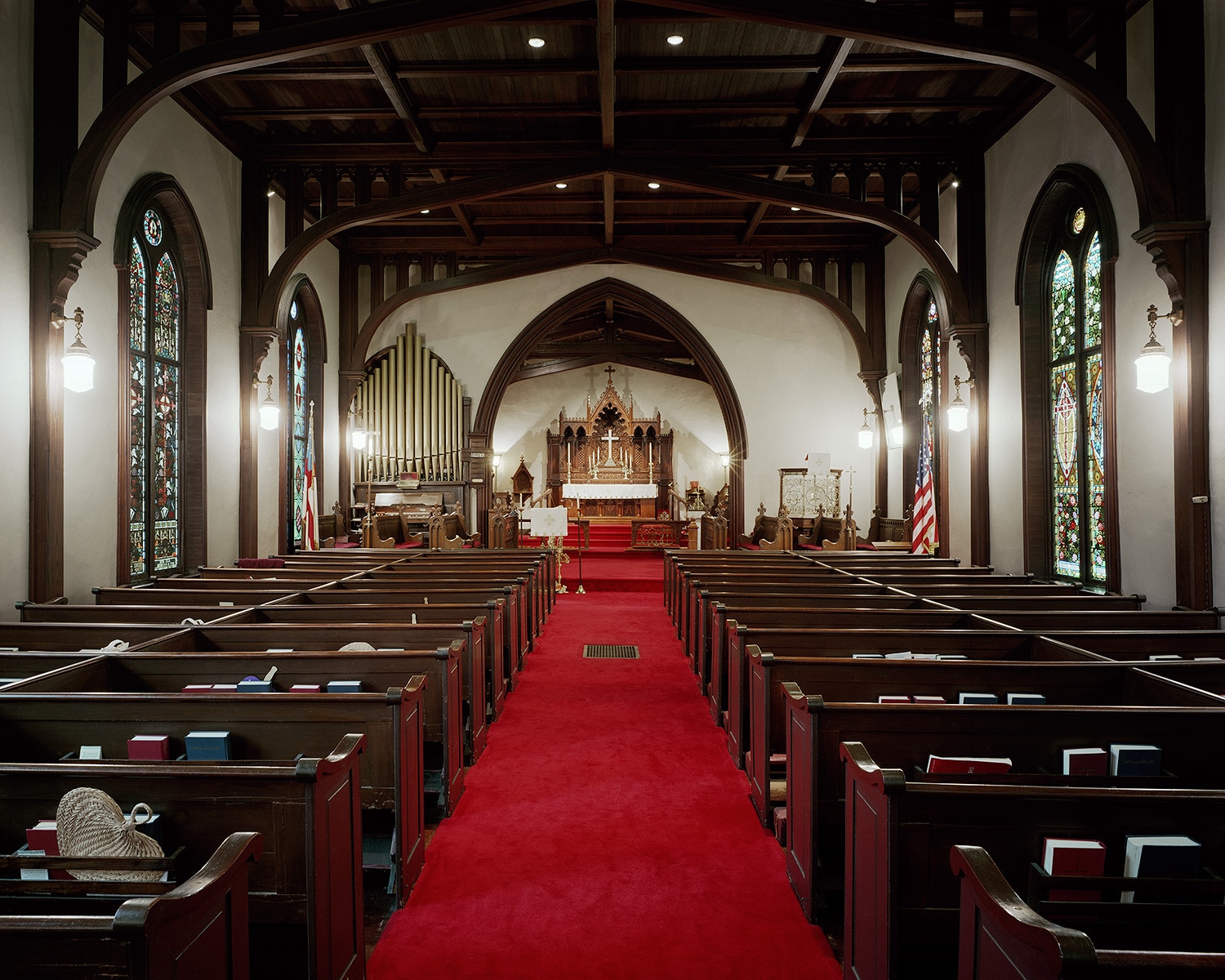
© Lauren Henkin
In all your ways acknowledge Him, And He will make your paths straight. 2015. 24×30. Pigment print
“I spent a lot of time in church, which is very unusual for me. I wouldn’t describe myself as a religious person. But what I started to see and I think this happens over a period of time…you start to see either certain colors or certain things or certain objects and then you become sort of drawn to those particular things.”
“I started noticing this element of spirituality almost everywhere from these wooden crosses that are in a barber shop window, to the light hitting a freshly dug grave, to the people.”
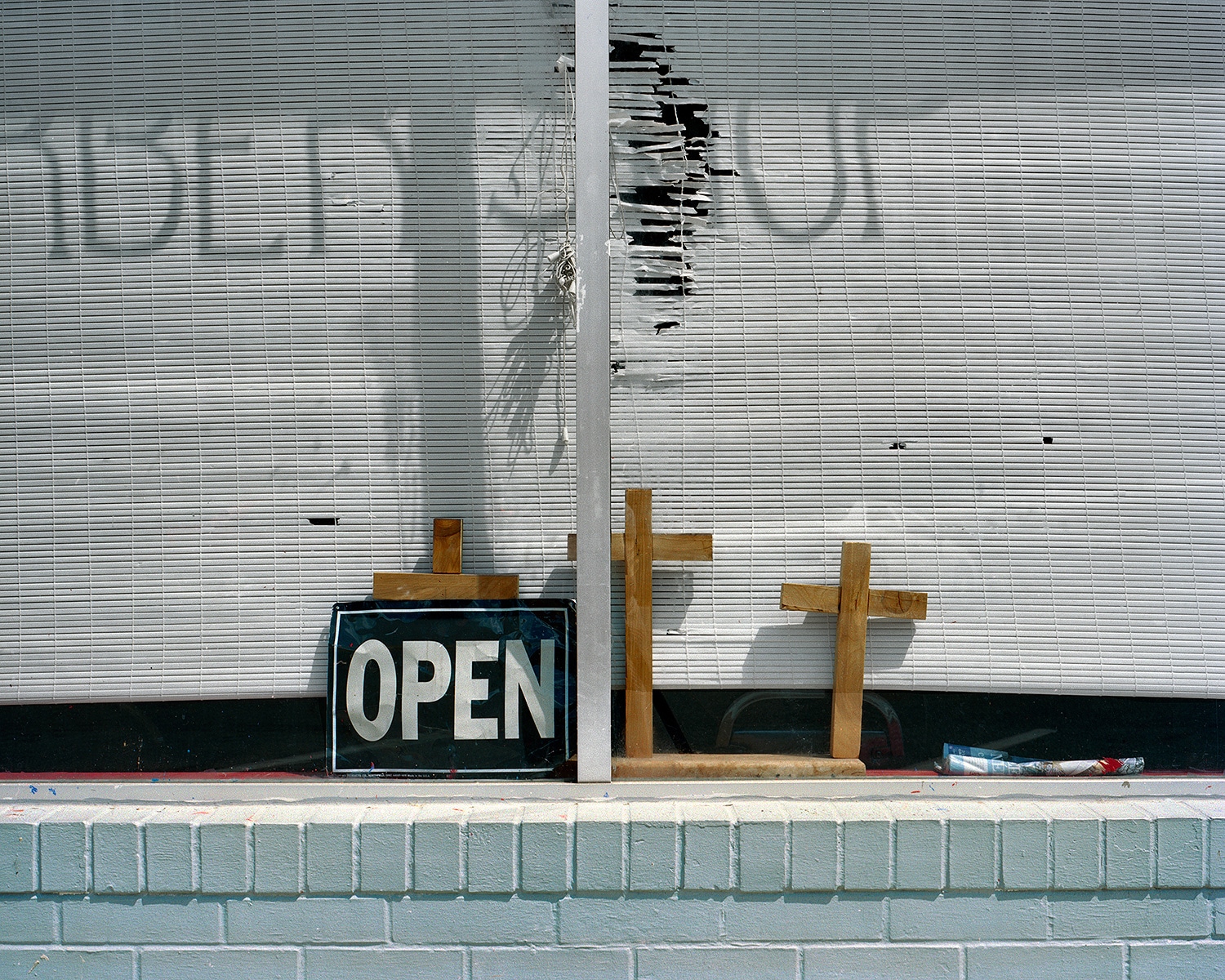
© Lauren Henkin
Let us make man in our image, after our likeness. 2015. 24×30. Pigment print
“I was in one church service and the pastor kept saying, ‘The life of the flesh is in the blood. The life of the flesh is in the blood. The life of the flesh is in the blood.’ These are, honestly, phrases that I have never even heard before. And the more he said it, the more I started to think about these sort of bloodied roads, the animals that I saw. There’s one photograph of a deer head that literally had just been removed from the body. There’s this balance there between life and death that I haven’t felt anywhere else that I’ve photographed. That was amazing to me.”
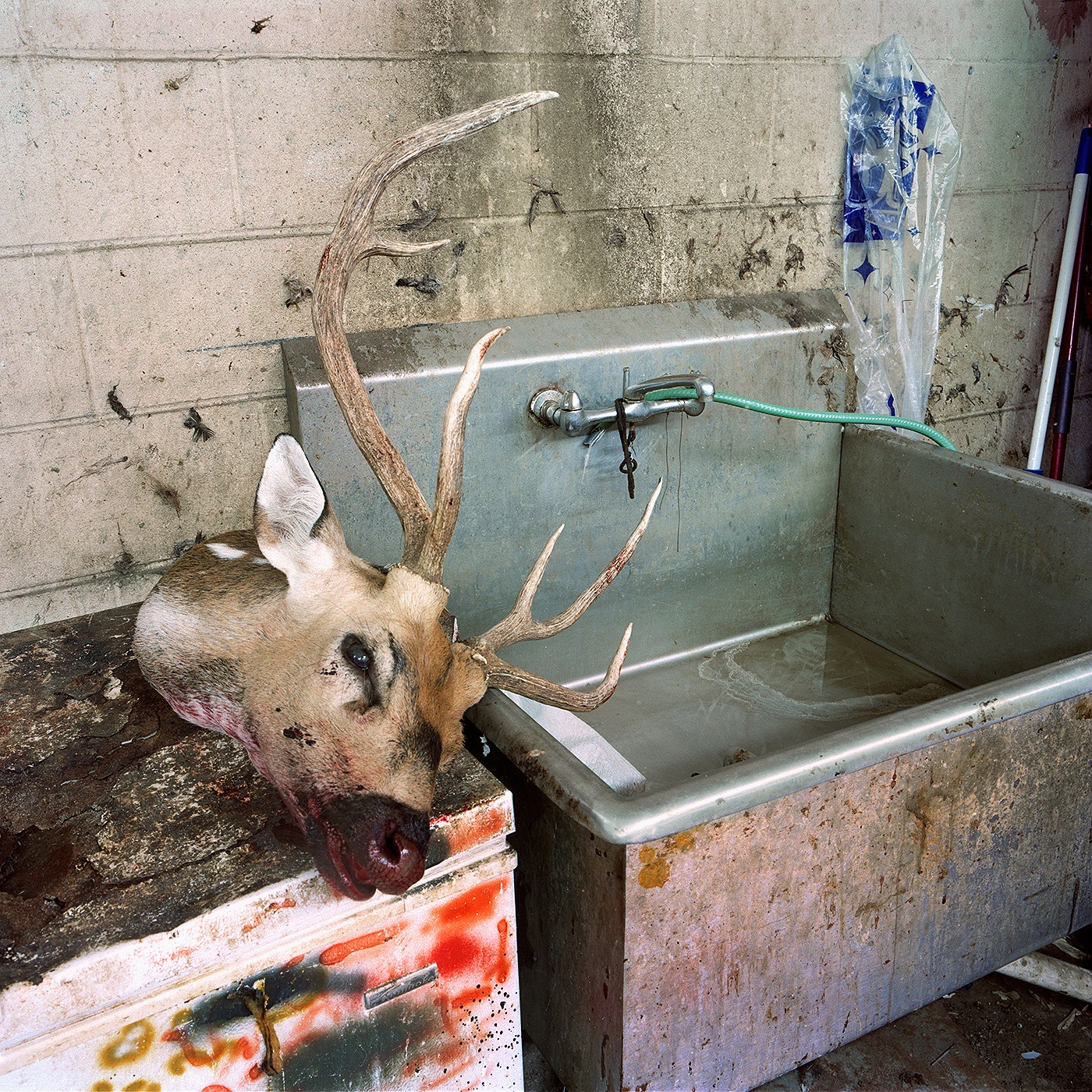
© Lauren Henkin
By man his blood shall be shed. 2015. 30×24. Pigment print
“My camera is basically the same kind of camera that [Western photographer] Ansel Adams used except half the size. It’s a four by five, large format field camera. And it’s my favorite camera to use because I make the best pictures with it.”
“You see the image upside down, which for me actually helps because it completely abstracts the image. I can focus more on form than, like, this tree and how am I going to photograph this tree. I start to notice things around the tree and what’s happening in the foreground and behind it. It’s an interesting process. And it’s fantastic for starting conversations on the street.”
Crew of fatal US military crash included Alabama father recently deployed
The six U.S. service members who died in the crash of a U.S. military refueling aircraft included an Alabama father who had just been promoted and deployed. The U.S. government released the identities of the deceased service members Saturday.
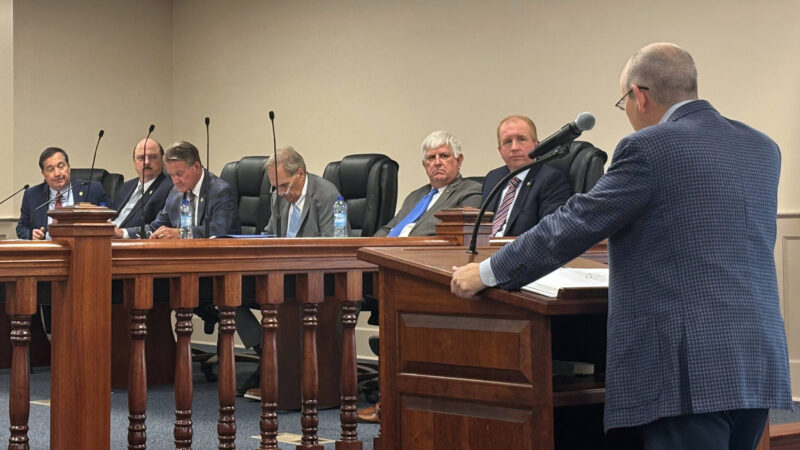
Alabama poised to drastically overhaul utility regulation. Will it lower electric bills?
The Alabama Senate unanimously voted to expand the public service commission, and create a Secretary of Energy to address rising electricity prices. A bill in the House would go even further, requiring rate case hearings and limiting utility profits.
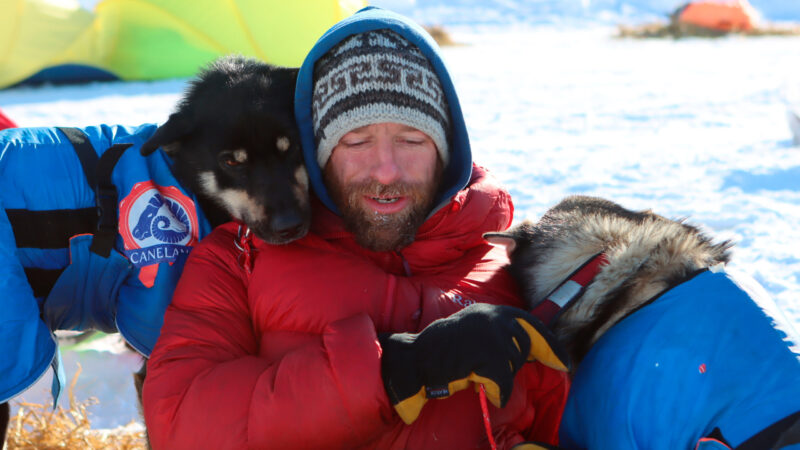
Musher from Alabama is going for back-to-back Iditarod wins
Riches and paid appearances haven’t followed Jessie Holmes since he won the world’s most famous sled dog race, the Iditarod, last year. He doesn't mind.
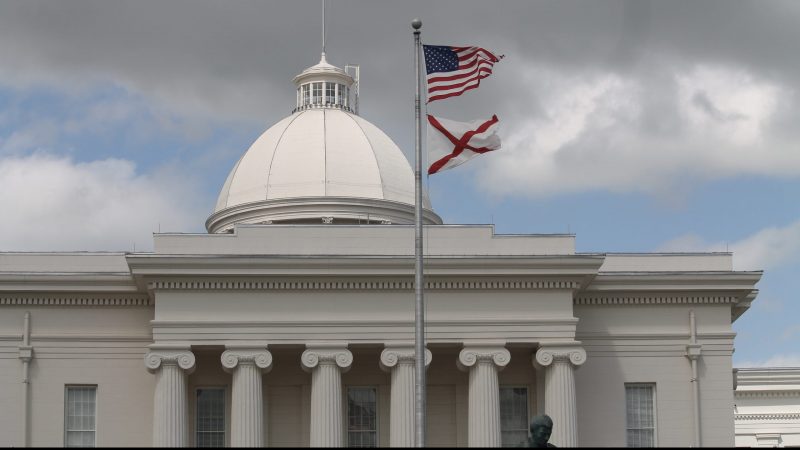
Bill would move Alabama to closed primaries
Right now, any Alabama voter can participate in a primary election. Lawmakers in Montgomery took up a bill this week that would change that system.
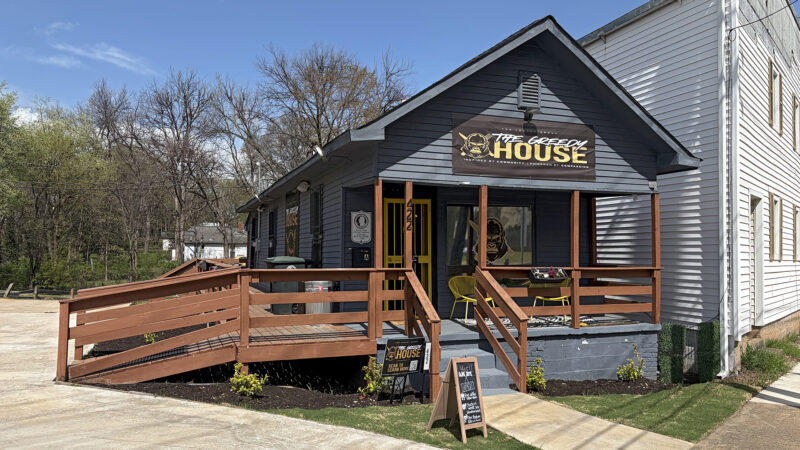
Auburn football player uses NIL funds to open a community hub in Birmingham
Jourdin Crawford, a freshman defensive lineman at Auburn, used earnings from a Name, Image, and Likeness deal to give back to his hometown.
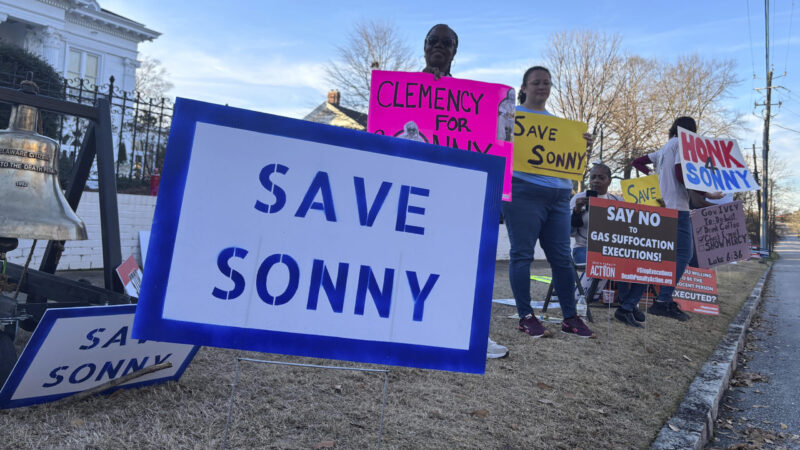
Ivey commutes death sentence of inmate whose accomplice fired fatal shot
Charles “Sonny” Burton was sentenced to death for the killing of Doug Battle during a 1991 robbery. However, another man shot Battle when Burton had left the building.