
The Junction: Stories from Ensley, Alabama – Janice Houston Nixon
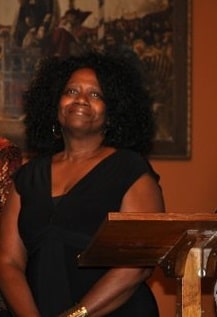
Bradley Spears
Janice Houston Nixon
In 1967, 12-year-old Janice Houston Nixon decided to transfer from the all-black school in her native Ensley, to an all-white school nearby. Nixon was inspired to do so by her sister, integration pioneer Carolyn Houston Crumbley Major, who we profiled in a previous episode of The Junction: Stories from Ensley, Alabama. In this latest installment of the series, Nixon talks about her own experience with school desegregation.
“Well, in 1967, I decided that I wanted to follow in the footsteps of my sister. So me, and four other neighbors, and one other girl, we decided to enroll into Minor Elementary School. Minor was totally white. We were called every name that you can think of. And we were young, and we felt all that.
I did have some spit balls thrown at me, but, you know, that didn’t hurt me. It just kind of made you feel bad that people actually felt that you were just so much under them – you were such a lesser person than they were.
I didn’t call names back. And I think that was a good thing, because you don’t know how that could have escalated. I just went on by my way: If I was doing my work, I did my work. If I was walking down the hall, I just continued to walk down the hall. You know, they would move – they see you coming down the hall, they’ll move to the side. You know, ‘Here comes the N.’ And they just spread out like you had a disease. But, you know, that didn’t kill me. I just kept going.
When you’re there for the right reasons, when you got God on your side, the name calling is just another step closer to God, to me.
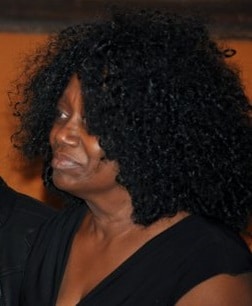
Bradley Spears
Janice Houston Nixon
But by the time I left there, I had people that – I wouldn’t say friends, but people that you can associate with. You know, there was always somebody that was gonna be totally against you being there. But then there were some nice ones that we actually connected with. No house visits, or anything like that, but you did have somebody that you could talk to.
It was a surprise that so many people were actually, you know, associated with me. Because at that time, it was just so much racial tension. So you kind of had to wonder if everybody’s gonna be resistant. Or will they change when their friends come around? So you have to look at that too: Not only are you friends with me now, are you talking with me now because your other friends are not present?
I think that the ones that actually talked to me, I think they were real. Because they remained the same, even when their friends came by. And then there were some that would call them ‘N-lovers’ – I don’t even like saying that name. So even in spite of that, they still remained the same.
The principal was Roy Higginbotham, and Mr. Roy Higginbotham was very kind. He had a huge smile. And he treated me like he would treat any other student. I think sometimes he maybe even went overboard because he knew the battle that we had to go through, being there.
I worked in the principal’s office, and I became friends with the principal’s daughter. She was white. Her name was Dianne Higginbotham. We spent a lot of time together at school, and in her father’s office. I pass that school quite often, and I look up where his office sat, and it just brings back a whole lot of memories ’cause I can see me actually sitting there.
You can have a black kid and a white kid, small, and they can play, and they can love on each other so hard. But as they get older, and society starts telling them: ‘You shouldn’t talk with them,’ then they change.
I don’t think that people are actually born being racist. I think it’s learned, it’s taught.
But you know what? Thank God everybody don’t change. Some people still continue to have that love for each other.”
Listen to Janice and her daughter Kimberly sing at a tribute for Carolyn Houston Crumbley Major – the sister who inspired Janice to participate in school integration:
This story is part of The Junction: Stories from Ensley Alabama. For more about the series, visit junctionstories.com. The Junction is produced by Mary Quintas and brought to you by WBHM and Finding America, a national initiative produced by AIR, the Association of Independents in Radio, Incorporated. Financial support comes from the Corporation for Public Broadcasting, the Wyncote Foundation, the John D and Catherine T MacArthur Foundation, and the National Endowment for the Arts.

Crew of fatal US military crash included Alabama father recently deployed
The six U.S. service members who died in the crash of a U.S. military refueling aircraft included an Alabama father who had just been promoted and deployed. The U.S. government released the identities of the deceased service members Saturday.
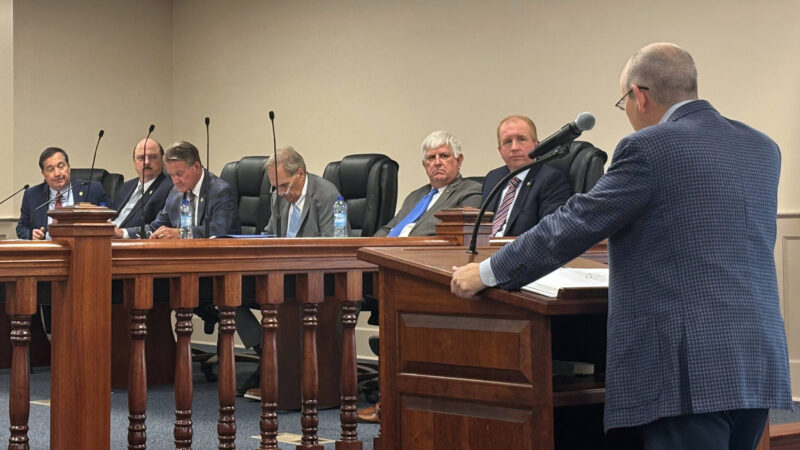
Alabama poised to drastically overhaul utility regulation. Will it lower electric bills?
The Alabama Senate unanimously voted to expand the public service commission, and create a Secretary of Energy to address rising electricity prices. A bill in the House would go even further, requiring rate case hearings and limiting utility profits.

Musher from Alabama is going for back-to-back Iditarod wins
Riches and paid appearances haven’t followed Jessie Holmes since he won the world’s most famous sled dog race, the Iditarod, last year. He doesn't mind.
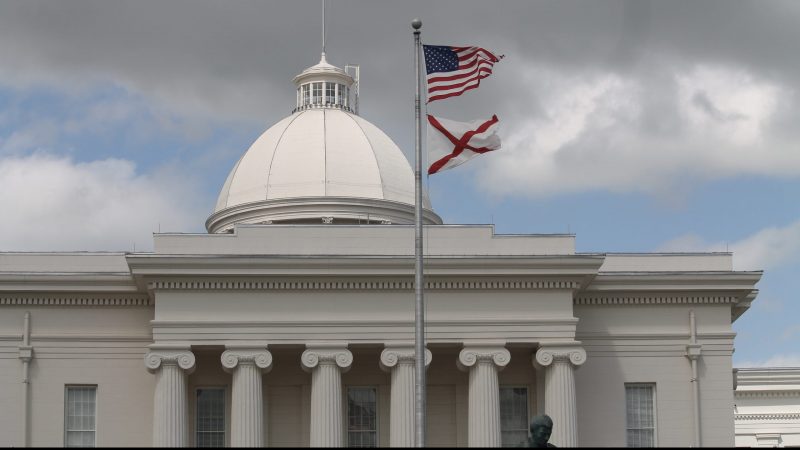
Bill would move Alabama to closed primaries
Right now, any Alabama voter can participate in a primary election. Lawmakers in Montgomery took up a bill this week that would change that system.
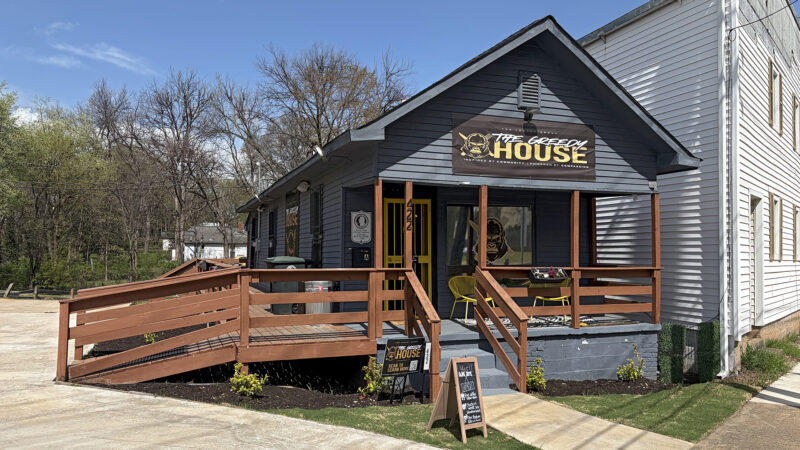
Auburn football player uses NIL funds to open a community hub in Birmingham
Jourdin Crawford, a freshman defensive lineman at Auburn, used earnings from a Name, Image, and Likeness deal to give back to his hometown.
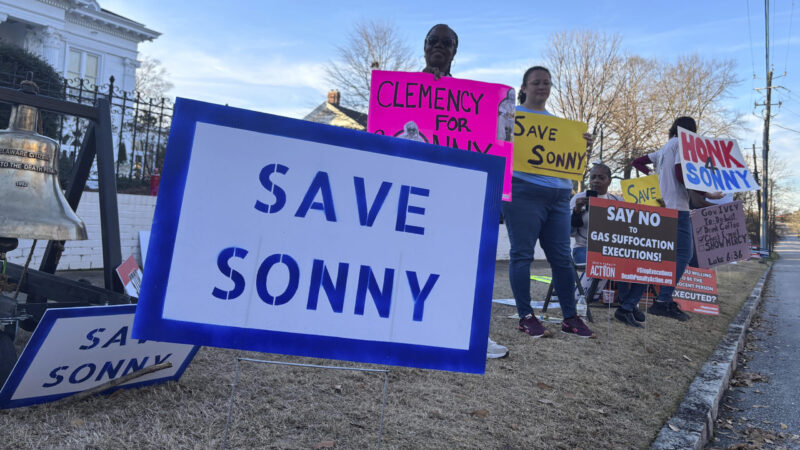
Ivey commutes death sentence of inmate whose accomplice fired fatal shot
Charles “Sonny” Burton was sentenced to death for the killing of Doug Battle during a 1991 robbery. However, another man shot Battle when Burton had left the building.