
Raising Poultry Increasingly a “Raw Deal” for Alabama Farmers

 ========= Old Image Removed =========Array
(
    [_wp_attached_file] => Array
        (
            [0] => 2016/04/weld-chicken-farmer.png
        )

    [_wp_attachment_metadata] => Array
        (
            [0] => a:5:{s:5:"width";i:460;s:6:"height";i:307;s:4:"file";s:31:"2016/04/weld-chicken-farmer.png";s:5:"sizes";a:5:{s:6:"medium";a:4:{s:4:"file";s:31:"weld-chicken-farmer-336x224.png";s:5:"width";i:336;s:6:"height";i:224;s:9:"mime-type";s:9:"image/png";}s:9:"thumbnail";a:4:{s:4:"file";s:31:"weld-chicken-farmer-140x140.png";s:5:"width";i:140;s:6:"height";i:140;s:9:"mime-type";s:9:"image/png";}s:9:"wbhm-icon";a:4:{s:4:"file";s:29:"weld-chicken-farmer-80x80.png";s:5:"width";i:80;s:6:"height";i:80;s:9:"mime-type";s:9:"image/png";}s:22:"wbhm-featured-carousel";a:4:{s:4:"file";s:31:"weld-chicken-farmer-397x265.png";s:5:"width";i:397;s:6:"height";i:265;s:9:"mime-type";s:9:"image/png";}s:14:"post-thumbnail";a:4:{s:4:"file";s:31:"weld-chicken-farmer-125x125.png";s:5:"width";i:125;s:6:"height";i:125;s:9:"mime-type";s:9:"image/png";}}s:10:"image_meta";a:12:{s:8:"aperture";s:1:"0";s:6:"credit";s:0:"";s:6:"camera";s:0:"";s:7:"caption";s:0:"";s:17:"created_timestamp";s:1:"0";s:9:"copyright";s:0:"";s:12:"focal_length";s:1:"0";s:3:"iso";s:1:"0";s:13:"shutter_speed";s:1:"0";s:5:"title";s:0:"";s:11:"orientation";s:1:"0";s:8:"keywords";a:0:{}}}
        )

    [_media_credit] => Array
        (
            [0] => Cody Owens
        )

    [_navis_media_credit_org] => Array
        (
            [0] => WELD
        )

    [_navis_media_can_distribute] => Array
        (
            [0] => 
        )

    [_imagify_optimization_level] => Array
        (
            [0] => 1
        )

    [_imagify_data] => Array
        (
            [0] => a:2:{s:5:"stats";a:3:{s:13:"original_size";i:844078;s:14:"optimized_size";i:302663;s:7:"percent";d:64.140000000000001;}s:5:"sizes";a:6:{s:4:"full";a:5:{s:7:"success";b:1;s:8:"file_url";s:59:"https://news.wbhm.org/media/2016/04/weld-chicken-farmer.png";s:13:"original_size";i:273075;s:14:"optimized_size";i:94373;s:7:"percent";d:65.439999999999998;}s:9:"thumbnail";a:5:{s:7:"success";b:1;s:8:"file_url";s:67:"https://news.wbhm.org/media/2016/04/weld-chicken-farmer-140x140.png";s:13:"original_size";i:41317;s:14:"optimized_size";i:15833;s:7:"percent";d:61.68;}s:6:"medium";a:5:{s:7:"success";b:1;s:8:"file_url";s:67:"https://news.wbhm.org/media/2016/04/weld-chicken-farmer-336x224.png";s:13:"original_size";i:142591;s:14:"optimized_size";i:50963;s:7:"percent";d:64.260000000000005;}s:20:"wbhm-featured-square";a:5:{s:7:"success";b:1;s:8:"file_url";s:67:"https://news.wbhm.org/media/2016/04/weld-chicken-farmer-300x300.png";s:13:"original_size";i:161376;s:14:"optimized_size";i:59227;s:7:"percent";d:63.299999999999997;}s:22:"wbhm-featured-carousel";a:5:{s:7:"success";b:1;s:8:"file_url";s:67:"https://news.wbhm.org/media/2016/04/weld-chicken-farmer-397x265.png";s:13:"original_size";i:192243;s:14:"optimized_size";i:69136;s:7:"percent";d:64.040000000000006;}s:14:"post-thumbnail";a:5:{s:7:"success";b:1;s:8:"file_url";s:67:"https://news.wbhm.org/media/2016/04/weld-chicken-farmer-125x125.png";s:13:"original_size";i:33476;s:14:"optimized_size";i:13131;s:7:"percent";d:60.770000000000003;}}}
        )

    [_imagify_status] => Array
        (
            [0] => success
        )

)
1680731562 
1461255067

In the U.S., poultry production has risen leaps and bounds over the past several decades. It’s now an almost $50 billion industry. Alabama is located in the heart of what’s considered the agricultural “chicken belt” of America. In 2013, Alabama farms produced roughly 1 billion chickens. While that may make it sound like the state’s poultry farming economy is healthy, farmers tell a different story. A mere two companies control about 40 percent of the U.S. chicken market. Additionally, every one of Alabama’s chickens is produced by contract famers, and some of these farmers tell the weekly newspaper WELD that they’re getting a raw deal.

“A generation ago, before the practice of contract farming took over, the majority of farmers in Alabama (and elsewhere) owned their own chickens,” writes Cody Owens in this week’s WELD. “Now, there is not a single privately owned chicken farm in the state. It is not uncommon for farmers to take out $1 million loans in order to build houses and obtain a contract with a major company like Tyson or Pilgrim that control a large portion of the market.”

For more, WBHM’s Rachel Osier Lindley spoke with Nick Patterson, editor of WELD. Patterson joins WBHM most Thursdays during All Things Considered.
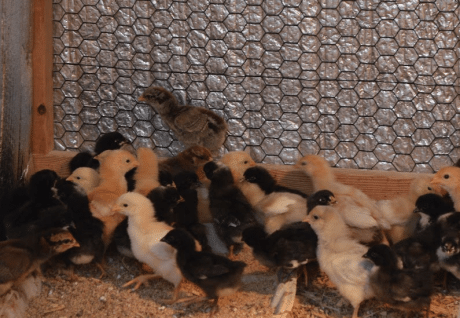
Chicks at Buttram Farms in Geraldine, Alabama.

Cody Owens,WELD
Chicks at Buttram Farms in Geraldine, Alabama.


Crew of fatal US military crash included Alabama father recently deployed

The six U.S. service members who died in the crash of a U.S. military refueling aircraft included an Alabama father who had just been promoted and deployed. The U.S. government released the identities of the deceased service members Saturday.
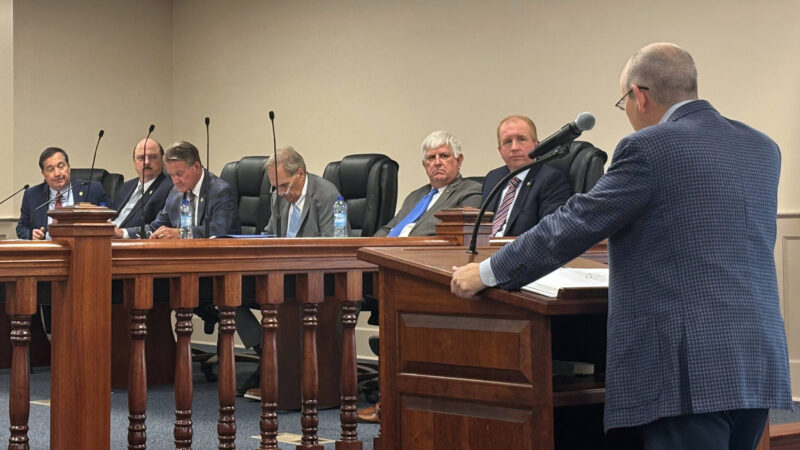
Alabama poised to drastically overhaul utility regulation. Will it lower electric bills?

The Alabama Senate unanimously voted to expand the public service commission, and create a Secretary of Energy to address rising electricity prices. A bill in the House would go even further, requiring rate case hearings and limiting utility profits.

Musher from Alabama is going for back-to-back Iditarod wins

Riches and paid appearances haven’t followed Jessie Holmes since he won the world’s most famous sled dog race, the Iditarod, last year. He doesn't mind.

Bill would move Alabama to closed primaries

Right now, any Alabama voter can participate in a primary election. Lawmakers in Montgomery took up a bill this week that would change that system.
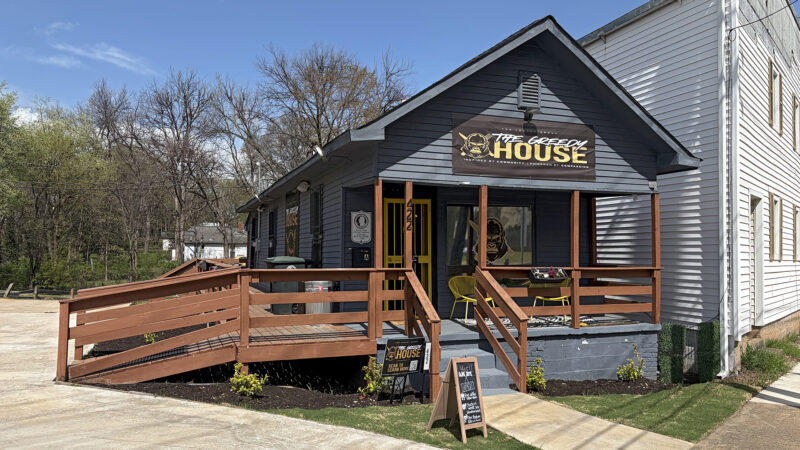
Auburn football player uses NIL funds to open a community hub in Birmingham

Jourdin Crawford, a freshman defensive lineman at Auburn, used earnings from a Name, Image, and Likeness deal to give back to his hometown.
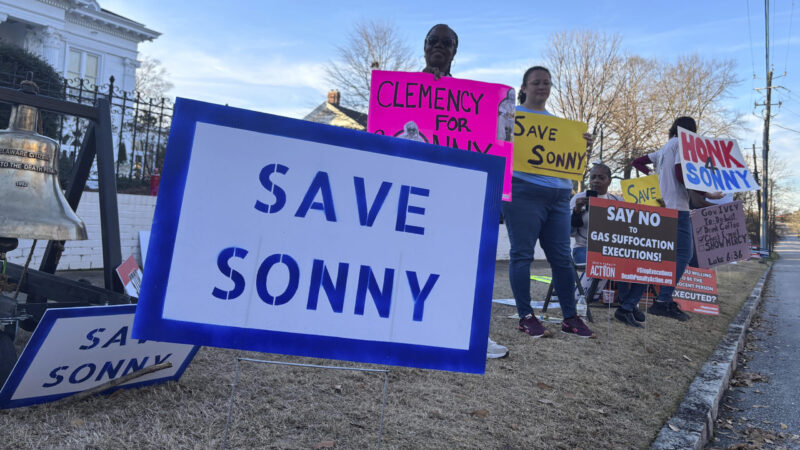
Ivey commutes death sentence of inmate whose accomplice fired fatal shot

Charles “Sonny” Burton was sentenced to death for the killing of Doug Battle during a 1991 robbery. However, another man shot Battle when Burton had left the building.

More Economy Coverage