
Provider Withdrawals Spark Uncertainty About Alabama’s Medicaid Overhaul
Alabama’s effort to transform its Medicaid system took a hit last month as several major providers decided to withdraw from the effort. More than a million people in the state depend on Medicaid for healthcare. The pull out is adding uncertainty to what’s already been a troubled process.
Here’s what’s been happening.
The price tag for Medicaid, which offers health care for low income Alabamians, keeps going up. State lawmakers have struggled for years to fund their part of the system. So about three years ago they decided to move Medicaid to a managed care system. The goal was to slow the financial growth.
That meant Alabama would be divided up into regions overseen by Regional Care Organizations or RCOs, basically a network of clinics and hospitals. The state would pay these groups a set amount to cover Medicaid patients and by better coordinating care, the idea is that the RCOs would be more efficient and save money.
It’s just been hard to take that idea and make it a reality.
“We were supporters of the RCO system and we believe it’s a good thing for Alabama,” says UAB Health System CEO Will Ferniany.
But Ferniany says state lawmakers haven’t adequately funded it. Providers are expected to sign a three-year contract. Ferniany says there’s only money in place for about a year.
“It’s just too much risk for this organization to take,” says Ferniany.
So, in his words, UAB Health System has “indefinitely postponed” participation in the RCOs, meaning they could rejoin if conditions change. Providers in three of the eleven RCOs have withdrawn over funding concerns.
Alabama Medicaid Commissioner Stephanie Azar did not respond to a request for an interview, but a spokeswoman tells the Birmingham Business Journal the new system is still on track to start July 1st, itself a delayed date. Others aren’t so sure.
“Frankly, what we need to do is we need to get together and find another, a different, a better solution to this issue,” says Mike Warren, CEO of Children’s of Alabama.
Warren says the current plan has changed from what was originally discussed and he can’t support it anymore. Children’s is not part of the RCOs but with 65-percent of its patients on Medicaid, Warren says they depend of the system’s stability. He says lawmakers’ band-aid approach to funding makes long-term planning hard. (Children’s of Alabama is a WBHM underwriter.)
Joan Alker researches Medicaid at Georgetown University. She says there’s not much evidence managed care actually saves money. Plus she says most people covered by Medicaid in Alabama are children and they’re the cheapest to insure anyway. It’s those with chronic illnesses or the disabled that cost more money.
“You’d really have to zoom in on that population and try to manage their care better to try and achieve some savings,” says Alker.
Republican State Senator Trip Pittman, chair of the Senate General Fund Budget Committee, doesn’t blame the providers for stepping away. He thinks the Medicaid overhaul needs a time out. He says the state has no additional money to give to Medicaid nor is there the political will to raise revenue. He’s looking to Washington to loosen regulations.
“The reality is the State of Alabama needs to balance its budgets and the federal government doesn’t, but they’re the ones that makes the rules and sets all the requirements for their programs,” says Pittman.
President-elect Donald Trump said during the campaign he favors block grants to states to fund Medicaid. It’s something Republicans generally support. Advocates for low-income families fear it would lead to reduced care. But what a Trump Administration would actually do remains unclear. It’s all part of the uncertainty around Alabama’s Medicaid program.


Crew of fatal US military crash included Alabama father recently deployed
The six U.S. service members who died in the crash of a U.S. military refueling aircraft included an Alabama father who had just been promoted and deployed. The U.S. government released the identities of the deceased service members Saturday.
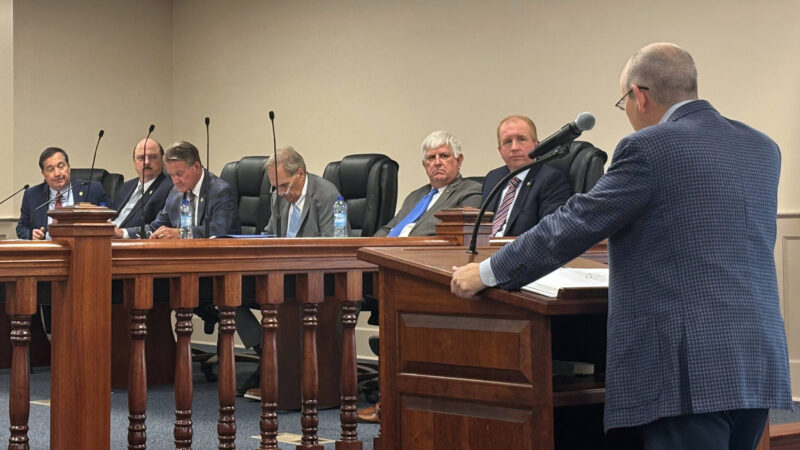
Alabama poised to drastically overhaul utility regulation. Will it lower electric bills?
The Alabama Senate unanimously voted to expand the public service commission, and create a Secretary of Energy to address rising electricity prices. A bill in the House would go even further, requiring rate case hearings and limiting utility profits.

Musher from Alabama is going for back-to-back Iditarod wins
Riches and paid appearances haven’t followed Jessie Holmes since he won the world’s most famous sled dog race, the Iditarod, last year. He doesn't mind.
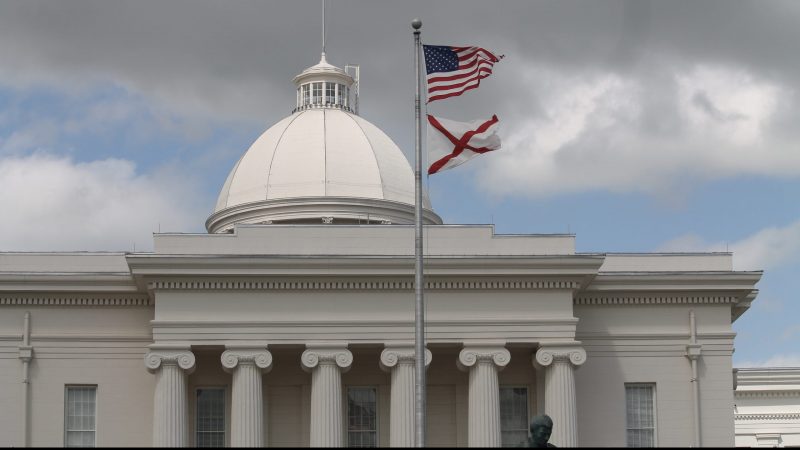
Bill would move Alabama to closed primaries
Right now, any Alabama voter can participate in a primary election. Lawmakers in Montgomery took up a bill this week that would change that system.
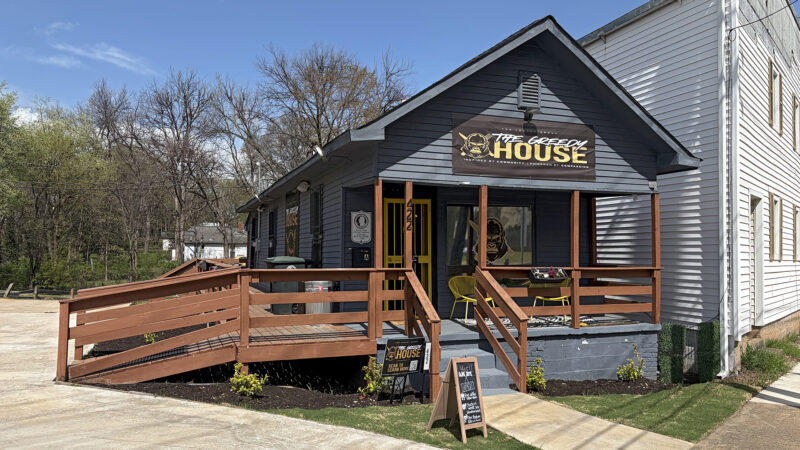
Auburn football player uses NIL funds to open a community hub in Birmingham
Jourdin Crawford, a freshman defensive lineman at Auburn, used earnings from a Name, Image, and Likeness deal to give back to his hometown.
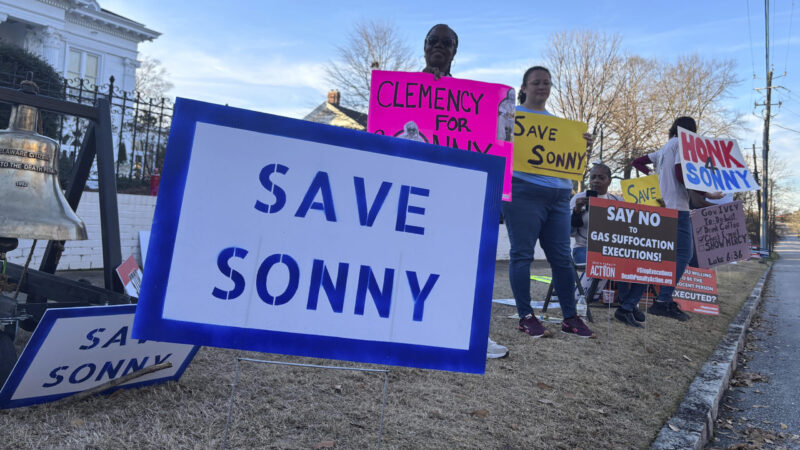
Ivey commutes death sentence of inmate whose accomplice fired fatal shot
Charles “Sonny” Burton was sentenced to death for the killing of Doug Battle during a 1991 robbery. However, another man shot Battle when Burton had left the building.