
Paralympic Athlete Josh Roberts Going for Gold in Rio
Most of us expect to sweat when we get hot. But imagine if you couldn’t sweat. This condition actually affects many people with spinal cord injuries – like Alabama native Josh Roberts. Roberts will be in Rio de Janeiro this September for his third Paralympic Games. He’s a member of the 66-person U.S. track team and occasionally trains on the indoor track at Lakeshore Foundation, the Paralympic training center in Homewood. He’ll be competing in the men’s 100-meter track event in Rio. In contrast, he’s also racing in the much longer 1500-meter.
“You know, I want to be competitive in both,” says Roberts. “But I made the team in the 100. So, I really need to focus on it because that’s the one I’ve been the best at most consistently.”
Paralympians are broken down into classifications based on their physical ability. Roberts competes in a group of athletes that have almost full mobility in their arms but are nonfunctional below the waist. He’s been in a wheelchair since 2002, when a car accident severed his spinal cord, leaving him paralyzed. Before getting injured, Roberts was fairly athletic. And now, “I didn’t look at it as becoming a Paralympian,” he says. “I wanted to do something competitive again. That’s kind of where I got started. It’s just trying to do a sport, trying to be competitive and it turned into being a Paralympian.”
Esther Ciammachilli,WBHM
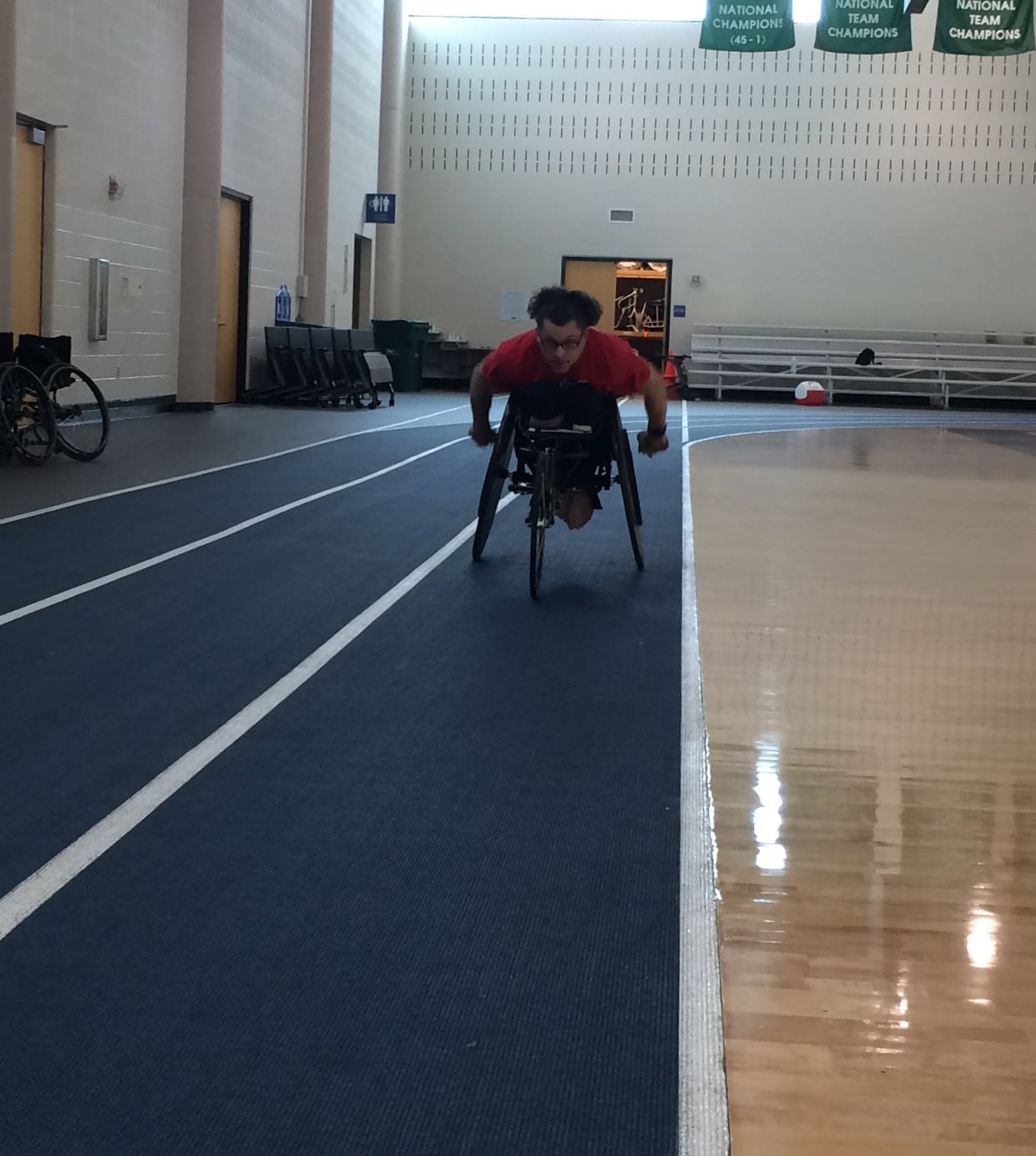
Roberts cranking his way around the track at Lakeshore Foundation.
Roberts trains mostly outdoors. This can be brutal during an Alabama summer, but it’s particularly difficult for him because his body is completely out of whack. Remember, he can’t sweat. The injury damaged Roberts’ autonomic system, which regulates the body’s temperature and heart rate. By not sweating, he can’t cool down. At the same time, “In a full sprint my heart rate will not go up,” he explains. “My blood pressure is always low. And it definitely affects training living in Alabama. There’s only a few times a day that I can actually go outside and be really active.”
That’s basically sunrise and sunset. Roberts keeps a chest full of ice with him to help him cool down after those grueling workouts. But the average daily temperature in Rio right now is only around 77 degrees.
Esther Ciammachilli,WBHM
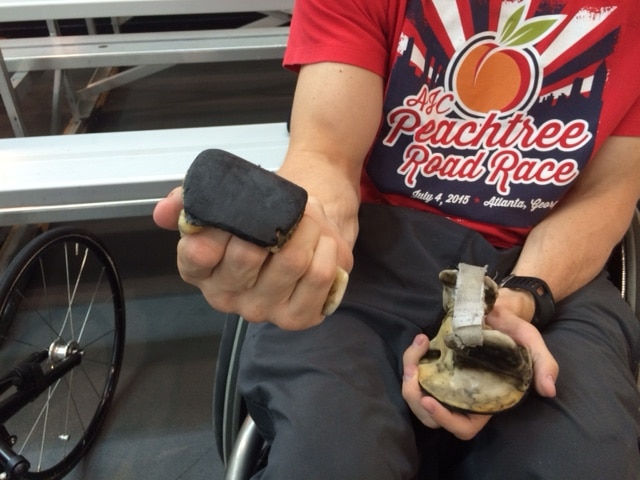
Roberts uses these “hard gloves” to grip the push ring on his racing chair.
Then there’s the political climate. Several high-level politicians – including Brazil’s president – were recently indicted on corruption charges. And there are public health issues, like contaminated water and scares over the Zika virus. But Roberts has been to Rio before and says it’s no different than any other place.
“There’s always a concern when you’re traveling somewhere,” he says. “And it doesn’t matter where it is. But athletically, being part of Team USA we get taken care of really well.”
That means a support staff is on the ground ensuring that athletes have the access and resources they need for the duration of their stay in Rio.
The games kick off September 7. Roberts says he’s anxious to hit the track as part of the largest U.S. Paralympic team in history. Proof, he says, that participation in disabled sports continues to gain popularity.

Crew of fatal US military crash included Alabama father recently deployed
The six U.S. service members who died in the crash of a U.S. military refueling aircraft included an Alabama father who had just been promoted and deployed. The U.S. government released the identities of the deceased service members Saturday.
Alabama poised to drastically overhaul utility regulation. Will it lower electric bills?
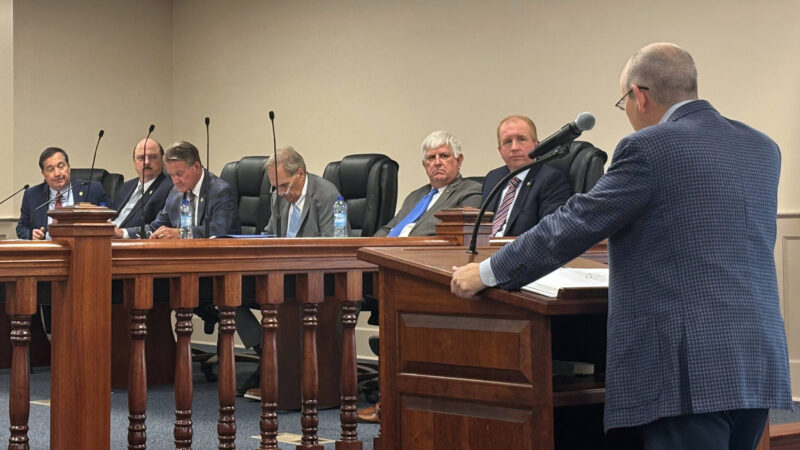
The Alabama Senate unanimously voted to expand the public service commission, and create a Secretary of Energy to address rising electricity prices. A bill in the House would go even further, requiring rate case hearings and limiting utility profits.
Musher from Alabama is going for back-to-back Iditarod wins
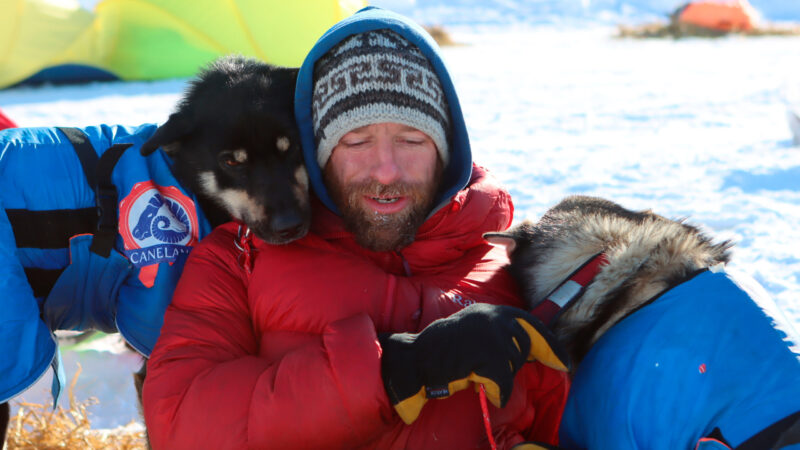
Riches and paid appearances haven’t followed Jessie Holmes since he won the world’s most famous sled dog race, the Iditarod, last year. He doesn't mind.
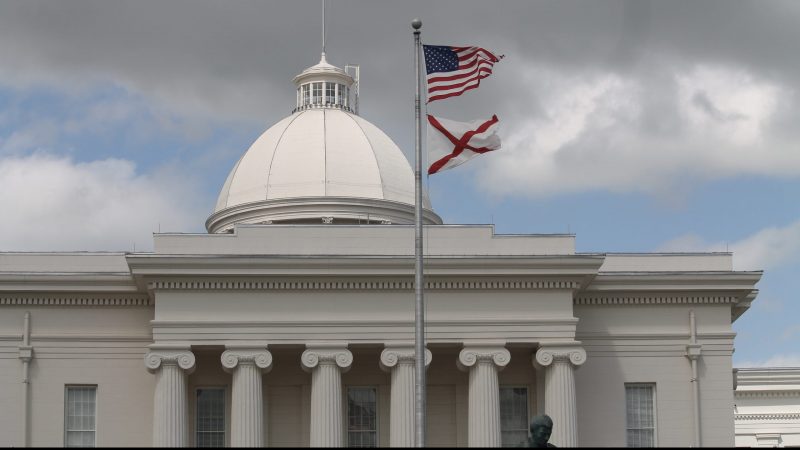
Bill would move Alabama to closed primaries
Right now, any Alabama voter can participate in a primary election. Lawmakers in Montgomery took up a bill this week that would change that system.
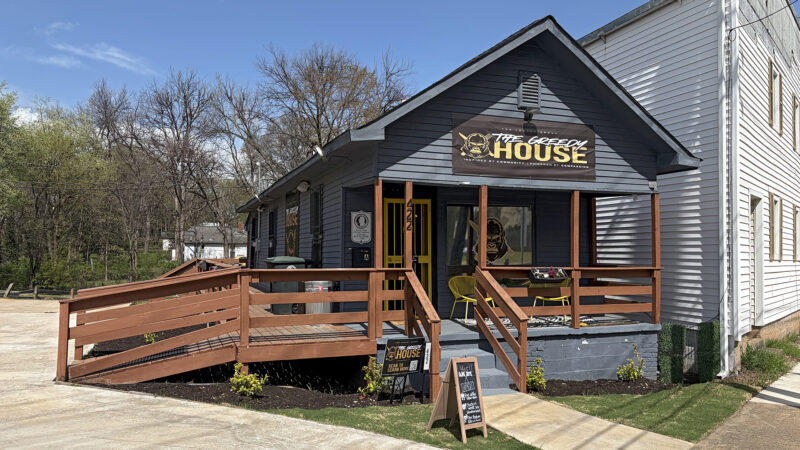
Auburn football player uses NIL funds to open a community hub in Birmingham
Jourdin Crawford, a freshman defensive lineman at Auburn, used earnings from a Name, Image, and Likeness deal to give back to his hometown.
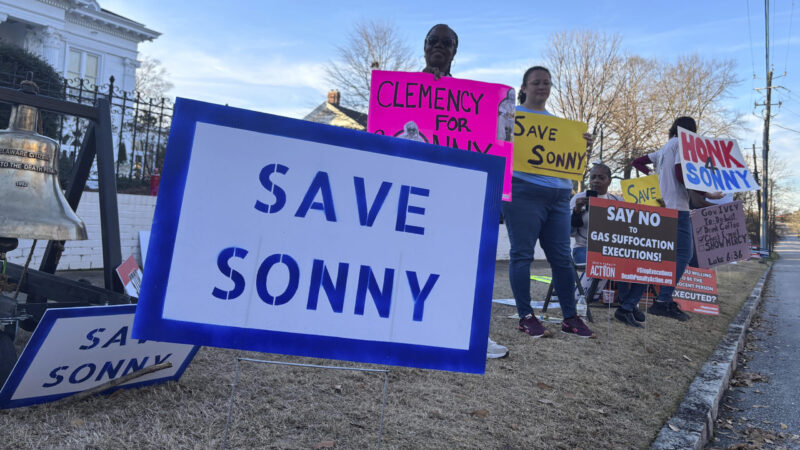
Ivey commutes death sentence of inmate whose accomplice fired fatal shot
Charles “Sonny” Burton was sentenced to death for the killing of Doug Battle during a 1991 robbery. However, another man shot Battle when Burton had left the building.