
Ira Glass on Birmingham Performance, Upcoming TAL Project on Syrian Refugees
Ira Glass has one of the most recognizable voices in all of public radio. He’s hosted the wildly popular program This American Life for more than 20 years, and influenced a generation of young audio storytellers. Glass brings his unorthodox stage show, “Three Acts, Two Dancers, One Radio Host,” to Birmingham this weekend. As the title suggests, it features Glass, two dancers from Monica Bill Barnes & Company, and storytelling. WBHM’s Rachel Osier Lindley talked with Glass to find out more.
Interview Highlights
What exactly is this performance like?
“I tell stories. There are dancers, they dance. The dances kinda go with the stories, but they tell their own little story too. Even to say that makes it sound a little more artsy then it is. It’s like an episode of the radio show plus dancing. So, if you like the radio show, it’s going to be like that…plus dancing.”
“I can guarantee it it’s unlike anything you’ve ever seen. Every single time we do this show there’s a point about 12 or 13 minutes in… we can feel the audience trust us. We feel the specific moment in the show where we do a thing, and then suddenly feel like, ‘Okay, the audience is on our side.’ It’s a weird, fun kind of show.”
How did the collaboration start?
“I saw them perform in New York City and I just thought ‘I never seen anything like this!’ There was something super entertaining about it. The pieces that they did had little stories to them. There was something in the mix of feelings that they had ,and the fact that it had a documentary quality to it to capture people’s real feelings in situations. I wrote them a note saying ‘What you’re doing feels like what I’m doing, except you don’t use words.’ So we tried one little project, and another and we did this.”
“It’s really a mish-mash of two things, but actually the sensibility is the same.”
This American Life’s next big project:
“In July, we are doing one hour, or maybe more, where five of us went to refugee camps in Greece. We found things we’ve never seen anybody report. I feel like there’s a lot to say about what it’s like to be a refugee in a camp in Greece.
One of the things that’s really weird if you’re an American and you’re just standing in there talking to those people…they] are so easy to relate to. They’re from Syria. These aren’t refugees from a third world country. These are people who had apartments, and they all have Facebook accounts, and TVs, and kitchens… they have our life basically.
You’ll be talking to them about this and that, and coming over on the boat from Turkey, and they’ll tell you stories, and then they’ll be like, ‘Oh do you want to see? I shot a video!’ They pull out their phone and it’s like, ‘This is us nearly dying on the boat. These are the smugglers. Here’s our house getting bombed.”
On deciding what stories make it to air and the most disturbing stories they’ve reported:
“We do look into all kinds of stories that we end up killing. Half the stories we start on we end up killing because they turned out to not be super interesting.”
“There are moments in stories that we definitely kill because they’re too disturbing. That happens now and then. For example there was this story that we did about this teenager who discovered that once he got to a certain age in his teenage years he discovered that he was attracted to children. It’s a really interesting story about how he set about to cure himself. We didn’t want to sugar coat it…but you don’t want to be so gross on the air that people turn off their radio. You want the people to hear the story. We really had to talk about it as a staff, about how to calibrate the level of disturbing, and we really had to cut it down.”

Crew of fatal US military crash included Alabama father recently deployed
The six U.S. service members who died in the crash of a U.S. military refueling aircraft included an Alabama father who had just been promoted and deployed. The U.S. government released the identities of the deceased service members Saturday.
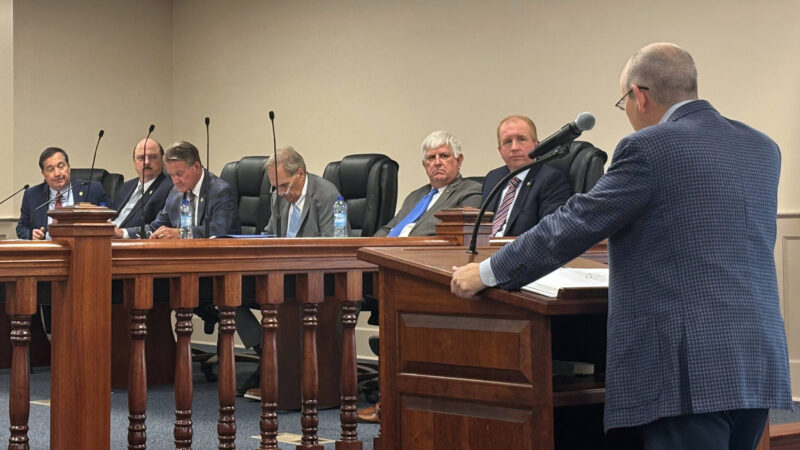
Alabama poised to drastically overhaul utility regulation. Will it lower electric bills?
The Alabama Senate unanimously voted to expand the public service commission, and create a Secretary of Energy to address rising electricity prices. A bill in the House would go even further, requiring rate case hearings and limiting utility profits.
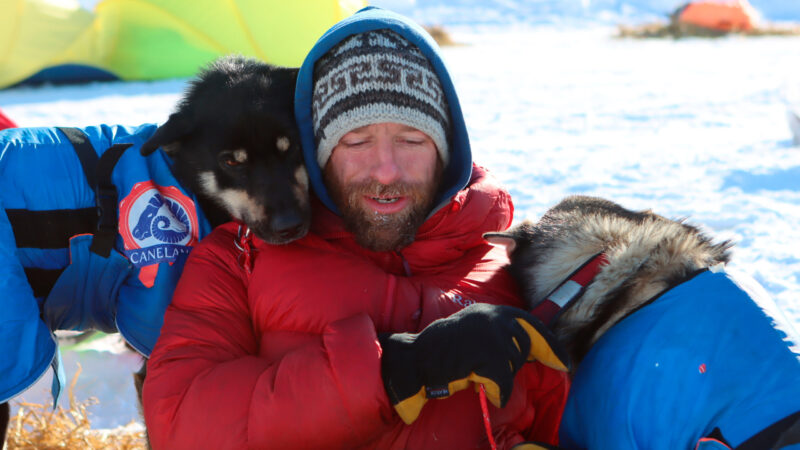
Musher from Alabama is going for back-to-back Iditarod wins
Riches and paid appearances haven’t followed Jessie Holmes since he won the world’s most famous sled dog race, the Iditarod, last year. He doesn't mind.
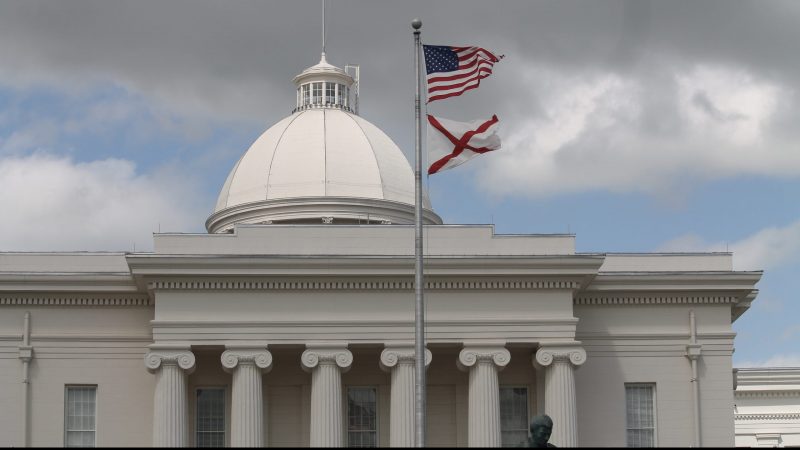
Bill would move Alabama to closed primaries
Right now, any Alabama voter can participate in a primary election. Lawmakers in Montgomery took up a bill this week that would change that system.
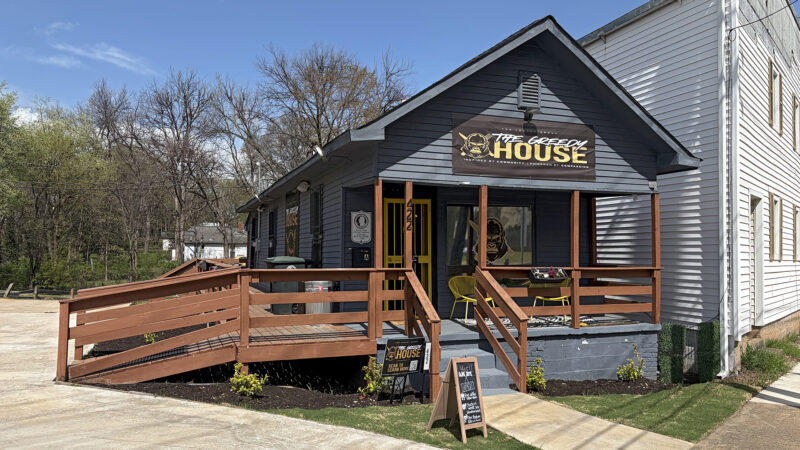
Auburn football player uses NIL funds to open a community hub in Birmingham
Jourdin Crawford, a freshman defensive lineman at Auburn, used earnings from a Name, Image, and Likeness deal to give back to his hometown.
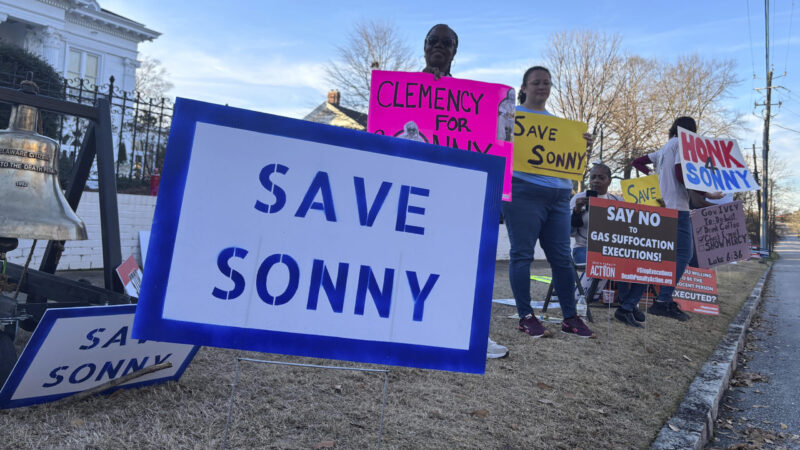
Ivey commutes death sentence of inmate whose accomplice fired fatal shot
Charles “Sonny” Burton was sentenced to death for the killing of Doug Battle during a 1991 robbery. However, another man shot Battle when Burton had left the building.